Maryland’s 2025 package wastewater treatment plants offer a compact, compliant solution for industrial, municipal, and commercial sites, with capacities from 10 to 1,000 m³/day. These pre-fabricated systems meet Maryland Department of the Environment (MDE) Enhanced Nutrient Removal (ENR) standards, achieving <3 mg/L total nitrogen and <0.3 mg/L total phosphorus — critical for Chesapeake Bay watershed compliance. Costs range from $150K for a 10 m³/day system to $2M+ for 1,000 m³/day, with 30–50% lower installation time than traditional plants. This guide provides technical specs, cost benchmarks, and a supplier checklist for Maryland projects.
Why Maryland Needs Package Wastewater Treatment Plants in 2025
Maryland’s 2025 Chesapeake Bay Total Maximum Daily Load (TMDL) deadlines mandate that 90% of wastewater treatment facilities achieve Enhanced Nutrient Removal (ENR) standards, a critical requirement for reducing nutrient pollution in the Chesapeake Bay (per MDE 2023 report). This regulatory pressure, combined with site-specific constraints and the need for cost-effective solutions, positions package wastewater treatment plants as an indispensable option for many Maryland entities. Unlike large municipal facilities, compact package plants offer a streamlined approach to compliance.
Three common Maryland use cases drive the demand for these compact systems. Firstly, rural communities with populations under 5,000, often operating on models like Westminster's decentralized approach, find package plants ideal for expanding infrastructure without the prohibitive costs and extensive land requirements of traditional plants. Secondly, industrial sites such as food processing facilities or pharmaceutical manufacturers frequently face severe space constraints while needing to treat high-strength effluents to strict MDE standards. A compact package plant for Maryland ENR compliance, like the WSZ Series underground integrated sewage treatment plant, can be installed in a fraction of the footprint. Thirdly, package plants serve as vital emergency or backup systems for existing municipal plants, mitigating risks seen in larger infrastructure failures, such as those documented at Back River, by providing rapid deployment and modular redundancy.
Package plants offer significant cost and timeline advantages over conventional construction. Installation can be 30–50% faster, reducing project delays and associated expenses. Capital costs are typically 20–40% lower; for instance, while the Back River renovation project incurred $283 million, a 500 m³/day package plant system might cost around $1.5 million. MDE’s 2024 inspection findings, which highlighted operational failures like clogged clarifiers and algae growth in large plants, underscore the benefit of package plants' modular design. This design enables component-level maintenance and replacement, reducing the risk of widespread operational failures and ensuring consistent effluent quality.
How Package Wastewater Treatment Plants Work: Process Flow and Maryland-Specific Compliance
Package wastewater treatment plants are pre-fabricated, modular systems designed to integrate multiple treatment stages into a single, compact unit, making them ideal for meeting Maryland’s stringent ENR standards. These systems typically combine biological treatment, sedimentation, and disinfection in a streamlined process. For example, the WSZ Series underground integrated sewage treatment plant exemplifies this integrated design.
The treatment process generally follows a five-stage flow:
- Screening: Raw wastewater first enters a screening stage to remove large solids. Rotary bar screens, such as the GX Series, typically feature 6mm–20mm bar spacing, achieving up to 95% Total Suspended Solids (TSS) removal before subsequent treatment stages.
- Primary Sedimentation: Following screening, wastewater flows into a primary sedimentation tank, often utilizing lamella clarifiers. These clarifiers promote efficient solids separation with surface loading rates typically ranging from 20–40 m/h, reducing the organic load on downstream biological processes.
- Biological Treatment: The core of nutrient removal occurs here, often using Anoxic/Oxic (A/O) processes or Membrane Bioreactor (MBR) technology. MBR systems, like the DF Series membrane bioreactor module, achieve superior effluent quality, consistently reaching <1 mg/L Total Nitrogen (TN) and <0.1 mg/L Total Phosphorus (TP) by leveraging 0.1 μm pore size membranes for ultra-filtration.
- Secondary Clarification/Sludge Dewatering: After biological treatment, solids (biomass) are separated from the treated water. For conventional systems, this is secondary clarification. For MBR systems, the membranes perform this function. Sludge generated is then dewatered, often using a plate and frame filter press, which can achieve 20–30% dry solids content, reducing disposal volumes.
- Disinfection: The final stage involves disinfection to eliminate pathogens. Chlorine dioxide generators, such as HydropureWater’s chlorine dioxide generator, provide 99.9% pathogen kill rates and are EPA-compliant for discharge, meeting public health standards.
Each stage directly contributes to meeting Maryland’s ENR standards (per MDE 2024 guidelines, confirmed in Top 2). Biological treatment, especially with MBR, targets TN <3 mg/L and TP <0.3 mg/L. Overall plant design ensures Biochemical Oxygen Demand (BOD) <5 mg/L and TSS <5 mg/L. While Maryland’s largest plants, like Back River (100 MGD) and Patapsco (80 MGD), achieve 85–90% TN removal, package plants utilizing advanced MBR technology can achieve 95–98% TN removal, demonstrating their capacity for ultra-low nutrient discharge in Maryland.
| Process Stage | Key Function | Typical Performance/Specs | Maryland ENR Compliance Link |
|---|---|---|---|
| Screening (GX Series) | Large solids removal | 6mm–20mm spacing, 95% TSS removal | Protects downstream processes, indirectly supports BOD/TSS goals. |
| Primary Sedimentation | Initial solids/organic load reduction | Lamella clarifier surface loading: 20–40 m/h | Reduces BOD/TSS influent for biological treatment. |
| Biological Treatment (MBR) | Nutrient (N, P) & organic removal | <1 mg/L TN, <0.1 mg/L TP (DF Series) | Directly meets TN <3 mg/L, TP <0.3 mg/L, BOD <5 mg/L. |
| Secondary Clarification/Membrane Filtration | Solids separation from treated water | 0.1 μm pore size (DF Series membranes) | Directly meets TSS <5 mg/L. |
| Disinfection | Pathogen removal | 99.9% pathogen kill, EPA-compliant | Ensures public health and safe discharge. |
Technical Specifications: Sizing, Footprint, and Performance for Maryland Projects
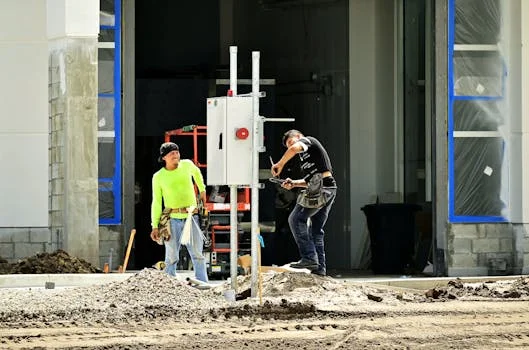
Engineers evaluating package wastewater treatment plants for Maryland projects require precise technical parameters to ensure proper sizing, site integration, and compliance. These compact systems offer significant advantages in flexibility and efficiency compared to traditional facilities.
Package plants are typically designed for flow rates ranging from 10–1,000 m³/day (0.0026–0.26 MGD). Modular expansion options are readily available; for example, a single WSZ Series underground integrated sewage treatment plant unit can handle 1–80 m³/h, allowing for scalable solutions. The compact design translates into a significantly smaller footprint, typically 50–500 m², which is a stark contrast to the 1,000–10,000 m² often required for traditional plants. This reduced footprint facilitates installation in space-constrained industrial sites or rural communities. Options for underground installation or trailer-mounted units further enhance flexibility; a 50 m³/day WSZ Series unit, for instance, might occupy a footprint of just 3m x 2m x 2.5m.
Energy consumption for package plants generally ranges from 0.3–0.6 kWh/m³, which is lower than the 0.8–1.2 kWh/m³ often seen in traditional plants. MBR systems, while highly effective, tend to be at the higher end of this range due to membrane aeration and permeate pumping, with a DF Series membrane bioreactor module operating at approximately 0.45 kWh/m³ at 20°C. Despite this, the overall efficiency remains competitive.
Effluent quality is a primary concern for Maryland projects, and package plants are engineered to meet the strict MDE ENR standards: Total Nitrogen (TN) <3 mg/L, Total Phosphorus (TP) <0.3 mg/L, Biochemical Oxygen Demand (BOD) <5 mg/L, and Total Suspended Solids (TSS) <5 mg/L (per MDE 2024 guidelines, confirmed in Top 2). Sludge production from these systems typically ranges from 0.1–0.3 kg TSS/kg BOD removed. Effective sludge dewatering, often achieved with a plate and frame filter press, yields a dry solids content of 20–30%, minimizing disposal volumes and costs.
| Parameter | Package Plant (Typical Range) | Traditional Plant (Typical Range) | Maryland Context/Notes |
|---|---|---|---|
| Flow Rate | 10–1,000 m³/day (0.0026–0.26 MGD) | >1,000 m³/day (>0.26 MGD) | Modular expansion (WSZ Series: 1–80 m³/h per unit). |
| Footprint | 50–500 m² (WSZ Series: 3m x 2m x 2.5m for 50 m³/day unit) | 1,000–10,000 m² | Underground or trailer-mounted options for space constraints. |
| Energy Use | 0.3–0.6 kWh/m³ (DF Series MBR: 0.45 kWh/m³ at 20°C) | 0.8–1.2 kWh/m³ | Lower operational costs, especially with automation. |
| Effluent Quality (TN) | <3 mg/L | <3 mg/L (with ENR upgrades) | MDE ENR standard for Chesapeake Bay compliance. |
| Effluent Quality (TP) | <0.3 mg/L | <0.3 mg/L (with ENR upgrades) | MDE ENR standard for Chesapeake Bay compliance. |
| Effluent Quality (BOD) | <5 mg/L | <5 mg/L | MDE ENR standard. |
| Effluent Quality (TSS) | <5 mg/L | <5 mg/L | MDE ENR standard. |
| Sludge Production | 0.1–0.3 kg TSS/kg BOD removed | 0.1–0.3 kg TSS/kg BOD removed | Plate and frame filter press achieves 20–30% dry solids. |
Cost Breakdown: Package Wastewater Treatment Plants in Maryland (2025 Data)
Procurement teams and budget planners in Maryland need concrete cost data to evaluate package wastewater treatment plants effectively. Understanding capital, operational, and lifecycle costs is crucial for making informed decisions, especially when comparing them to traditional, larger-scale facilities. For a more comprehensive overview of state-specific costs, refer to the Maryland wastewater treatment plant cost breakdown for 2025.
Capital costs for package plants in Maryland typically range from $150K for a 10 m³/day system to over $2M for a 1,000 m³/day MBR system, including installation. This represents a significant capital cost saving of 20–40% compared to traditional stick-built plants of equivalent capacity. Operational costs for package plants are generally lower, averaging $0.20–$0.50/m³ treated wastewater, compared to $0.40–$0.80/m³ for traditional plants. These savings are often driven by automation, which reduces labor requirements. An automatic chemical dosing system, for example, can optimize chemical usage, contributing approximately $0.05/m³ to chemical costs but ensuring consistent treatment with minimal manual intervention.
Lifecycle costs for package plants typically span 15–20 years, slightly shorter than the 25–30 years for traditional facilities. However, the modular design of package plants often leads to lower maintenance costs and easier component replacement, mitigating the impact of the shorter lifespan. MDE inspection reports on failures at large facilities like Back River highlight the vulnerability of monolithic systems, whereas modular package plants allow for localized maintenance without shutting down the entire operation.
Maryland-specific incentives can further enhance the financial attractiveness of package plants. The MDE offers grants for ENR upgrades, potentially covering up to 50% of capital costs for rural communities. Additionally, the Chesapeake Bay Trust provides funding for nutrient reduction projects, which directly aligns with the ENR capabilities of modern package plants. Industrial sites, particularly those with high wastewater disposal costs like food processing plants ($0.50/m³ disposal), can see a rapid Return on Investment (ROI). With in-house treatment costing around $0.20/m³, a payback period of 3–5 years is common.
| Cost Category | Package Plant (10-1,000 m³/day) | Traditional Plant (Equivalent Capacity) | Notes for Maryland Projects |
|---|---|---|---|
| Capital Costs | $150K – $2M (e.g., $1.5M for 500 m³/day MBR, installed) | $200K – $3M+ (20-40% higher) | MDE grants & Chesapeake Bay Trust funding available. |
| Operational Costs | $0.20 – $0.50/m³ (e.g., $0.05/m³ chemical cost with automatic dosing) | $0.40 – $0.80/m³ | Labor savings due to automation, lower energy use. |
| Installation Time | 30-50% faster | Standard construction timelines | Reduced project delays and associated soft costs. |
| Lifecycle | 15-20 years | 25-30 years | Lower maintenance due to modular design offsets shorter lifespan. |
| ROI (Industrial) | 3-5 year payback (e.g., food processing) | Longer payback due to higher capital/O&M | Significant savings over municipal discharge fees. |
Maryland Compliance Checklist: Permits, Inspections, and ENR Standards

Navigating Maryland’s regulatory framework is paramount for successful package wastewater treatment plant deployment. Adhering to Maryland Department of the Environment (MDE) requirements ensures project approval, smooth operation, and avoided penalties. This checklist outlines the essential steps for permits, inspections, and ongoing compliance reporting.
MDE permit requirements are stringent and depend on the facility type. Projects must secure either a General Permit for Discharges from Wastewater Treatment Plants (WWTPs) for smaller, less complex discharges or an Industrial Discharge Permit for non-municipal sites with specific industrial wastewater characteristics. Additionally, facilities contributing to nutrient reductions in the Chesapeake Bay watershed require a Chesapeake Bay Nutrient Reduction Certification (per Top 2). These permits legally bind operators to specific effluent limits.
The core of compliance lies in meeting Maryland’s Enhanced Nutrient Removal (ENR) standards: Total Nitrogen (TN) <3 mg/L, Total Phosphorus (TP) <0.3 mg/L, Biochemical Oxygen Demand (BOD) <5 mg/L, and Total Suspended Solids (TSS) <5 mg/L (per MDE 2024 guidelines, confirmed in Top 2). Consistent performance to these levels is non-negotiable.
Inspection frequency varies, with industrial sites typically undergoing quarterly inspections and municipal sites biannually (citing MDE 2023 inspection reports for Back River and Patapsco). Operators must be prepared for these visits, ensuring all records are up-to-date and the plant is running optimally. Reporting requirements include monthly discharge monitoring reports (DMRs) submitted via MDE’s eDMR portal, along with annual compliance certifications attesting to the facility's adherence to permit conditions.
Common compliance pitfalls for package plants, which can lead to violations, include inadequate sludge handling. Utilizing a plate and frame filter press to achieve 20–30% dry solids content is crucial for managing sludge effectively. Disinfection failures, often due to improper chemical dosing or equipment malfunction, are also common; reliable systems like HydropureWater’s chlorine dioxide generator, with its 99.9% kill rate, are essential. Lastly, nutrient breakthrough during peak flows can occur if the treatment system is not robust enough; an MBR system with 0.1 μm filtration offers superior performance in maintaining effluent quality even under variable conditions.
Supplier Checklist: How to Evaluate Package Wastewater Treatment Vendors in Maryland
Selecting the right package wastewater treatment vendor in Maryland requires a structured evaluation process that prioritizes technical capability, local regulatory expertise, and transparent costing. A robust decision framework helps procurement teams identify reliable partners capable of delivering compliant and efficient solutions.
Technical criteria are paramount for ensuring a package plant meets stringent Maryland standards. Vendors must demonstrate their systems can consistently achieve ENR compliance, specifically TN <3 mg/L and TP <0.3 mg/L. Evaluate modular scalability to ensure the system can handle current demands (10–1,000 m³/day) and future expansions. Automation features, such as PLC-controlled operations and remote monitoring capabilities, are crucial for operational efficiency and reduced labor. Finally, consider footprint options, including underground or trailer-mounted designs, to fit specific site constraints.
Maryland-specific experience is a critical differentiator. Inquire about case studies of successful package plant installations in Maryland, particularly in rural communities or industrial sites. Vendors should demonstrate familiarity with MDE permits and inspection processes and ideally have established partnerships with local engineering firms for design and installation support.
Cost transparency is essential for accurate budgeting. Demand itemized quotes that clearly separate capital, installation, and ongoing Operations & Maintenance (O&M) costs. A comprehensive lifecycle cost analysis should be provided, and vendors should be prepared to discuss financing options, including leases or assistance with grant applications for Maryland-specific incentives.
Identifying red flags can prevent costly mistakes. Avoid vendors who offer no ENR-certified systems, lack references in Maryland, provide vague compliance guarantees, or have no local service network. Conversely, trust signals include being listed as an MDE-approved vendor, possessing third-party certifications (NSF, UL, EPA), offering 24/7 technical support, and providing comprehensive training programs for plant operators to ensure long-term operational success.
| Evaluation Category | Key Criteria for Maryland Projects | Trust Signals | Red Flags |
|---|---|---|---|
| Technical Capability | ENR compliance (TN <3 mg/L, TP <0.3 mg/L), Modular scalability (10–1,000 m³/day), Automation (PLC-controlled, remote monitoring), Footprint options (underground/trailer-mounted) | Proven ENR performance data, clear expansion pathways, advanced controls. | No ENR certification, limited capacity range, manual operation. |
| Maryland Experience | Case studies in Maryland (rural, industrial), Familiarity with MDE permits/inspections, Partnerships with local engineering firms. | Local project references, MDE-approved vendor status, strong local network. | No Maryland references, unfamiliarity with MDE regulations, distant support. |
| Cost Transparency | Itemized quotes (capital, installation, O&M), Lifecycle cost analysis, Financing options (leases, grants). | Detailed cost breakdowns, ROI projections, assistance with grant applications. | Vague pricing, hidden costs, no financing support. |
| Support & Certifications | MDE-approved vendor list, Third-party certifications (NSF, UL, EPA), 24/7 support, Operator training programs. | Industry certifications, dedicated local service, comprehensive training. | No certifications, limited support hours, inadequate training. |
Frequently Asked Questions
What is a wastewater package plant?
A wastewater package plant is a pre-fabricated, modular wastewater treatment system combining biological treatment, sedimentation, and disinfection in a single, compact unit. These plants are designed for capacities ranging from 10–1,000 m³/day and are engineered to meet stringent effluent quality standards, including Enhanced Nutrient Removal (ENR) compliance for Maryland’s Chesapeake Bay standards.
How many water treatment plants are in Maryland?
Maryland has over 600 wastewater treatment plants, including two major facilities, Back River and Patapsco, which collectively process approximately 180 MGD. Package plants serve smaller applications such as rural communities, industrial sites, and are increasingly used for emergency or temporary deployments (per MDE 2024 data).
What is the largest wastewater treatment facility in the USA?
The largest wastewater treatment facility in the USA is the Blue Plains Advanced Wastewater Treatment Plant in Washington, D.C., which processes 384 MGD. In Maryland, the largest facility is the Back River Wastewater Treatment Plant, processing 100 MGD (Top 1). Package plants, by contrast, are designed for significantly smaller flows, typically 10–1,000 m³/day.
How much does a package wastewater treatment plant cost in Maryland?
Costs for a package wastewater treatment plant in Maryland range from $150K for a 10 m³/day system to over $2M for a 1,000 m³/day system, including installation. Operational costs typically fall between $0.20–$0.50/m³ treated wastewater. These systems generally offer 30–50% lower capital costs compared to traditional, custom-built plants of similar capacity (2025 data).
What are the key compliance requirements for package plants in Maryland?
Key compliance requirements for package plants in Maryland include meeting MDE’s Enhanced Nutrient Removal (ENR) standards (Total Nitrogen <3 mg/L, Total Phosphorus <0.3 mg/L, BOD <5 mg/L, TSS <5 mg/L), obtaining appropriate MDE permits (General Permit or Industrial Discharge Permit), undergoing quarterly or biannual inspections, and submitting monthly Discharge Monitoring Reports (DMRs). MBR systems are particularly effective, achieving 95–98% TN removal, helping facilities meet Chesapeake Bay TMDL deadlines (per MDE 2024 guidelines).
Related Equipment
- MBR system for ultra-low nutrient discharge in Maryland — view specifications, capacity range, and technical data
Need a customized solution? Request a free quote with your specific flow rate and pollutant parameters.