Why Micro Bubble Flotation Outperforms Conventional DAF in Industrial Wastewater
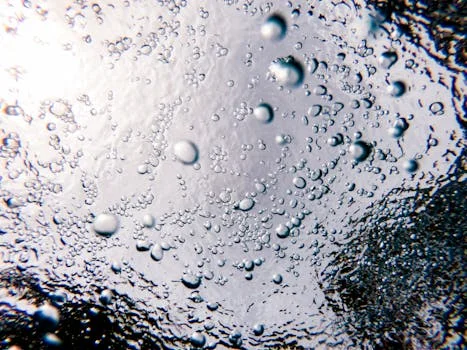
Industrial facilities frequently grapple with the challenge of high suspended solids (TSS) in their wastewater effluent, a problem that can lead to costly non-compliance penalties and environmental damage. Consider a typical food processing plant handling 300 m³/h of effluent, consistently exhibiting turbidity levels around 450 NTU. Even with a conventional Dissolved Air Flotation (DAF) system, the effluent struggles to meet the discharge limit of <30 NTU. This inefficiency stems from the inherent limitations of conventional DAF, which typically operates with bubble sizes ranging from 80 to 300 μm. These larger bubbles are less effective at capturing and lifting smaller or more fragile suspended particles, leading to incomplete separation. Micro bubble flotation, on the other hand, utilizes bubbles ranging from 10–80 μm. This significant reduction in bubble size increases the surface area-to-volume ratio by 4–10 times compared to larger bubbles, dramatically enhancing the adhesion of suspended solids and oils to the bubbles. The increased surface area facilitates stronger attachment, even for delicate flocs such as those formed from hydroxide or organic products, which are prone to disruption in higher shear environments. This superior adhesion and lifting capacity make micro bubble flotation ideal for industries such as food processing (for effective oil and grease removal), pulp and paper (for efficient fiber recovery), textile manufacturing (for dye removal), and municipal wastewater pre-treatment (for algae separation). microflotation systems operate at lower pressurization levels, typically 3–5 bar, compared to the 5–7 bar required for conventional DAF. This reduction in operating pressure translates to substantial energy savings, often up to 30%, making it a more economically viable and environmentally sustainable solution for many industrial applications.
Micro Bubble Flotation Process: Engineering Mechanics and Key Parameters
The efficacy of micro bubble flotation hinges on a precisely engineered process that generates and utilizes ultra-fine bubbles for efficient particle separation. The core of the microflotation system involves a pressurization process where a portion of the treated effluent is recirculated and pressurized to between 3 and 5 bar. This air-saturated water is then released through a specialized pressure release valve. As the pressure drops rapidly, it triggers the formation of microscopic bubbles, typically ranging from 10 to 80 μm in diameter, through a nucleation process on dissolved gas molecules and available nucleation sites within the water. These microbubbles are crucial for effective particle capture. The principle of bubble-floc interaction dictates that hydrophobic particles or aggregated flocs within the wastewater are attracted to the surface of these microbubbles. The significantly larger collective surface area presented by a multitude of microbubbles, compared to fewer larger bubbles, maximizes the probability of contact and adherence. For fragile flocs, such as aluminum hydroxide precipitates or complex organic compounds, the lower shear forces generated by smaller bubbles and the gentler release mechanism of microbubble generation prevent their disintegration. This leads to more effective flotation of these sensitive materials, a key advantage over conventional DAF systems which can break apart such flocs.
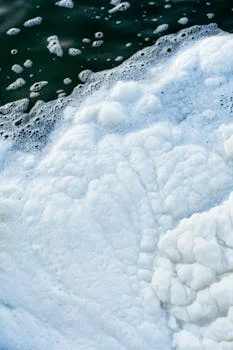
When designing or evaluating microflotation systems, several key engineering parameters are critical for optimal performance. Hydraulic loading rates for microflotation typically range from 5 to 15 m/h, allowing for higher throughput compared to conventional DAF systems, which generally operate between 3 and 8 m/h. The bubble size distribution is paramount; an optimal range of 20–50 μm is widely considered ideal for efficient flotation. Critically, even a small percentage of bubbles exceeding 100 μm can disrupt the separation process by rising too quickly and causing turbulence, thereby breaking up the air-floc aggregates. A typical microflotation process flow begins with influent wastewater entering the system. This is often followed by a coagulation and flocculation stage, where chemicals are added to promote the aggregation of fine suspended particles into larger, more buoyant flocs. The conditioned influent then enters the microflotation cell, where the microbubbles attach to these flocs. The buoyant flocs rise to the surface, forming a sludge blanket that is subsequently skimmed off. The clarified effluent then exits the system. For a more detailed understanding of the operational components, refer to the specifications of micro-bubble DAF systems for industrial wastewater.
| Parameter | Micro Bubble Flotation | Conventional DAF |
|---|---|---|
| Bubble Size Distribution | 10–80 μm (Optimal: 20–50 μm) | 80–300 μm |
| Pressurization Pressure | 3–5 bar | 5–7 bar |
| Hydraulic Loading Rate | 5–15 m/h | 3–8 m/h |
| Bubble-Floc Adhesion | High (especially for fragile flocs) | Moderate (can disrupt fragile flocs) |
| Nucleation Mechanism | Enhanced at nucleation sites on particles | Bulk saturation and release |
Microflotation vs. DAF: Head-to-Head Comparison for Industrial Applications

For industrial wastewater treatment engineers and procurement specialists tasked with selecting the most effective flotation technology, a direct comparison between microflotation and conventional Dissolved Air Flotation (DAF) is essential. Microflotation consistently demonstrates superior performance across several critical metrics. Its primary advantage lies in its significantly smaller bubble size distribution, typically 10–80 μm, which results in a higher TSS removal efficiency, often achieving 92–97%. In contrast, conventional DAF, with its larger bubble sizes (80–300 μm), generally achieves TSS removal efficiencies in the range of 80–90%. This difference is particularly pronounced when dealing with difficult-to-treat wastewater streams containing fine, low-density, or fragile flocs, where microflotation's enhanced adhesion capabilities come to the fore.
From an operational and economic perspective, microflotation offers substantial benefits. Energy consumption is notably lower, typically ranging from 0.2–0.4 kWh/m³ treated, due to its lower pressurization requirements (3–5 bar) compared to DAF (5–7 bar). This translates to significant operational cost savings over the system's lifespan. microflotation systems are known for their smaller footprints, often requiring up to 40% less space than comparable DAF units. This can be a decisive factor in retrofitting existing plants or in facilities with limited available land, reducing civil engineering and construction costs. While the initial capital expenditure (CAPEX) for microflotation systems might be slightly higher than for DAF, the lower operational expenditure (OPEX), reduced chemical consumption (as it can often handle fragile flocs without excessive coagulant use), and energy savings typically lead to a more favorable total cost of ownership and a quicker return on investment (ROI). The decision between microflotation and DAF can be guided by a simple framework: if the influent TSS is high (>300 NTU) and space is a constraint, microflotation is the preferred choice. Conversely, for high-flow, low-TSS applications (<100 NTU) where space is not a limiting factor, DAF might be considered. For a comprehensive overview of DAF systems, including their specifications and applications, refer to the /product/4-dissolved-air-flotation-daf-machine.html page.
| Parameter | Microflotation | DAF | Notes |
|---|---|---|---|
| Bubble Size | 10–80 μm | 80–300 μm | Smaller bubbles offer greater surface area for particle attachment. |
| TSS Removal Efficiency | 92–97% | 80–90% | Microflotation excels with fine and fragile flocs. |
| Energy Consumption | 0.2–0.4 kWh/m³ | 0.3–0.6 kWh/m³ | Lower pressurization in microflotation reduces energy needs. |
| Footprint | Up to 40% smaller | Standard | Significant space savings for microflotation. |
| CAPEX | 15–25% higher (estimated) | Standard | Higher initial investment for microflotation. |
| OPEX | 20–30% lower | Standard | Savings driven by energy and chemical use. |
| Coagulant Requirement | Often lower (especially for fragile flocs) | Standard | Microflotation's efficiency with delicate flocs can reduce chemical dosing. |
| Maintenance Frequency | Lower (fewer high-pressure components) | Standard | Simpler design can lead to reduced maintenance. |
Engineering Specifications for Micro Bubble Flotation Systems
For engineers specifying or designing micro bubble flotation systems, a clear understanding of the critical engineering parameters is essential to ensure optimal performance and longevity. Standard microflotation units are available in capacities ranging from 4 m³/h up to 300 m³/h, catering to a wide spectrum of industrial needs. The defining characteristic of these systems is their precise control over bubble size distribution; typically, 90% of generated bubbles fall within the 10–80 μm range, with a strict limit of less than 5% of bubbles exceeding 100 μm. This tight control is vital, as larger bubbles can lead to process instability and reduced separation efficiency. Surface loading rates are a key design consideration, with microflotation systems generally operating between 5 and 15 m/h. Higher rates are suitable for industrial applications with readily separable solids, while lower rates (closer to 5 m/h) are employed for more challenging wastewater matrices or when treating very fragile flocs. The hydraulic retention time within the microflotation cell is also significantly shorter than in DAF, typically ranging from 5 to 15 minutes, compared to 20–40 minutes for DAF, contributing to the smaller footprint and higher throughput.
Material selection for microflotation equipment is dictated by the wastewater characteristics. For corrosive industrial effluents, stainless steel (grades 304 or 316) is the preferred material of construction for tanks and internal components. For less aggressive municipal wastewater applications, epoxy-coated carbon steel offers a cost-effective alternative. The resulting sludge concentration from microflotation typically ranges from 2% to 5% solids, which is generally higher than the 1% to 3% solids achieved by DAF, potentially reducing downstream sludge dewatering costs. Understanding these specifications is crucial for engineers to accurately size and configure microflotation systems for specific industrial wastewater treatment challenges. For those considering comparable DAF technology, the /product/4-dissolved-air-flotation-daf-machine.html page provides detailed specifications.
| Parameter | Specification Range | Notes |
|---|---|---|
| Standard System Capacities | 4–300 m³/h | Scalable for diverse industrial needs. |
| Bubble Size Distribution | 10–80 μm (90% of bubbles) | <5% of bubbles >100 μm. |
| Surface Loading Rate | 5–15 m/h | Higher rates for industrial, lower for fragile flocs. |
| Hydraulic Retention Time | 5–15 minutes | Significantly shorter than DAF. |
| Material of Construction | Stainless Steel (304/316) or Epoxy-Coated Carbon Steel | Selected based on wastewater corrosivity. |
| Sludge Solids Concentration | 2–5% | Potentially higher than DAF, aiding dewatering. |
Cost-Benefit Analysis: Microflotation vs. DAF for Industrial Wastewater Treatment
The decision to invest in micro bubble flotation over conventional DAF for industrial wastewater treatment involves a thorough cost-benefit analysis, focusing on both initial capital expenditure (CAPEX) and long-term operational expenditure (OPEX). While microflotation systems may present an initial CAPEX that is 15–25% higher than comparable DAF units for the same treatment capacity, this premium is often recouped rapidly through significant operational savings. The primary driver of OPEX reduction is energy consumption. Microflotation systems typically consume 20–30% less energy per cubic meter treated, with energy footprints ranging from 0.2–0.4 kWh/m³ compared to 0.3–0.6 kWh/m³ for DAF. This is a direct result of the lower pressurization requirements inherent in microbubble generation technology.
Beyond energy, chemical costs can also be lower. Microflotation's superior ability to capture and lift fragile flocs often reduces the need for extensive coagulant or flocculant dosing, potentially saving 10–20% in chemical expenditures, especially in challenging applications. The reduced footprint of microflotation systems, often up to 40% smaller, translates into tangible savings on civil works and construction, estimated at 15–25% less than for DAF installations. Maintenance costs can also be lower due to fewer high-pressure components and a simpler overall design. For a facility treating 100 m³/h of wastewater with an influent turbidity of 450 NTU, the lower OPEX of microflotation can lead to a payback period of approximately 2.5 to 3.5 years, factoring in energy, chemical, and sludge disposal savings. These economic advantages, coupled with enhanced treatment performance, make microflotation a compelling long-term investment for many industrial operations. For additional insights into sludge dewatering solutions that complement flotation systems, consult the /blog/2433-sludge-press-equipment-specifications-2025-engineering-data-standards-selection-guide.html.
| Category | Microflotation | DAF | Benefit/Consideration |
|---|---|---|---|
| CAPEX | 15–25% higher | Standard | Higher initial investment offset by OPEX savings. |
| Energy Consumption (kWh/m³) | 0.2–0.4 | 0.3–0.6 | 20–30% OPEX savings. |
| Coagulant Usage | Potentially 10–20% lower | Standard | Improved floc capture efficiency. |
| Footprint | 40% smaller | Standard | 15–25% savings in civil/construction costs. |
| Sludge Volume | Potentially lower (higher solids %) | Standard | Reduced dewatering and disposal costs. |
| ROI (Example: 100 m³/h, 450 NTU) | 2.5–3.5 years | Longer | Driven by cumulative OPEX savings. |
Operational Best Practices and Troubleshooting for Microflotation Systems
To ensure consistent and optimal performance of micro bubble flotation systems, adherence to operational best practices and a systematic approach to troubleshooting are essential. Regular monitoring of key parameters is crucial. Weekly checks of bubble size distribution using laser diffraction or microscopy should be performed to confirm adherence to the 10–80 μm range, with a focus on minimizing bubbles larger than 100 μm. Maintaining the pressurization system within the specified 3–5 bar range is vital for consistent bubble generation. Monthly cleaning of pressure release valves is recommended to prevent clogging and ensure proper pressure drop and bubble formation. ensuring the integrity of the air delivery system and the efficiency of air saturation are ongoing maintenance tasks.
Common operational issues can arise, and a structured troubleshooting approach is key to rapid resolution. If large bubbles (>100 μm) are detected, the primary diagnostic step involves checking for wear in the pressure release valve or any significant pressure drops in the system. If valve wear is confirmed, replacement is necessary to restore optimal bubble size. Floc carryover into the effluent, indicated by high effluent turbidity, can often be addressed by reducing the surface loading rate by approximately 20% or by increasing the coagulant dose by 10–15% if chemical conditioning is the limiting factor. Low TSS removal efficiency, despite seemingly correct operation, warrants a verification of the bubble size distribution and a check for influent pH drift, as microflotation typically performs optimally within a pH range of 6.5–7.5. For a visual guide, a troubleshooting flowchart can be invaluable:
Troubleshooting Flowchart:
- Symptom: High Effluent Turbidity
- Possible Cause: Bubble size > 80 μm
- Diagnostic Step: Check pressure release valve for wear and system pressure stability.
- Solution: Replace worn valve; ensure stable pressurization.
- Symptom: Floc Carryover
- Possible Cause: Overloaded hydraulic capacity or insufficient flocculation
- Diagnostic Step: Measure hydraulic loading rate; review coagulant/flocculant dosage and mixing.
- Solution: Reduce hydraulic loading rate; optimize chemical dosing and mixing.
- Symptom: Low TSS Removal Efficiency
- Possible Cause: Incorrect bubble size distribution or suboptimal influent pH
- Diagnostic Step: Measure bubble size distribution; test influent pH.
- Solution: Adjust bubble generation; adjust influent pH to 6.5–7.5.
For more in-depth guidance on DAF system maintenance and troubleshooting, refer to the /blog/2408-dissolved-air-flotation-system-for-food-processing-2025-engineering-specs-costs-compliance-guide.html.
Frequently Asked Questions
What’s the difference between micro bubble flotation and DAF?
Micro bubble flotation utilizes significantly smaller bubbles (10–80 μm) compared to conventional DAF (80–300 μm). This leads to higher TSS removal efficiency (92–97% vs. 80–90%), lower energy consumption, and a smaller footprint. Microflotation is also more effective with fragile flocs.
What industries benefit most from microflotation?
Industries that benefit most include food processing (for oil and grease removal), pulp and paper (for fiber recovery), textiles (for dye removal), and municipal wastewater pre-treatment (for algae separation). These sectors often deal with fine, oily, or fragile suspended solids.
How much energy does microflotation save vs. DAF?
Microflotation systems typically save 20–30% on energy consumption compared to DAF systems. This is due to their lower pressurization requirements (3–5 bar vs. 5–7 bar), leading to lower operational costs.
What’s the optimal bubble size for flotation?
The optimal bubble size for effective flotation is generally considered to be between 20 and 50 μm. Bubbles larger than 100 μm can disrupt the flotation process by causing turbulence and reducing separation efficiency.
Can microflotation replace DAF in existing plants?
Yes, microflotation can often replace DAF in existing plants. Its smaller footprint (up to 40% less space) makes it suitable for retrofitting, and its superior efficiency can improve effluent quality or allow for higher throughput within the same footprint.
Related Equipment
- automated coagulant dosing for optimal flotation performance — view specifications, capacity range, and technical data
Need a customized solution? Request a free quote with your specific flow rate and pollutant parameters.