Palembang’s Wastewater Treatment Challenges: Climate, Regulations, and Land Constraints
Industrial wastewater treatment in Palembang demands solutions meticulously engineered for South Sumatra’s unique environmental and regulatory landscape. Generic approaches often fall short due to the region’s challenging conditions. The tropical climate, characterized by consistently high humidity (averaging 80–90% Relative Humidity) and substantial annual rainfall (ranging from 2,500–3,000 mm), significantly accelerates corrosion rates in standard construction materials. This necessitates the use of more resilient materials like 316L stainless steel or epoxy-coated carbon steel, which can increase equipment Capital Expenditure (CAPEX) by an estimated 12–18% compared to less demanding climates (HydropureWater internal analysis, 2025). Compounding this, Palembang's proximity to the Sumatra Fault Zone places it within Seismic Zone 4 as defined by SNI 1726:2019. This seismic risk mandates robust foundational designs for all treatment infrastructure, including wastewater tanks and vessels, often requiring ductile connections and base isolators, potentially elevating civil works costs by 20–30% (Indonesian Engineering Standards, 2024). land scarcity, particularly acute in densely populated districts like Ilir and Ulu, presents a significant constraint. Available land for new industrial facilities in these areas can be as low as 0.5 m² per cubic meter of wastewater treated per day, strongly favoring compact and vertical treatment systems over sprawling, traditional concrete plants. This pressing need for space directly influences technology selection and system layout, pushing towards modular, containerized, or buried configurations. Overlaying these physical challenges are stringent regulatory requirements. South Sumatra Provincial Regulation No. 12/2021 mandates strict discharge limits, requiring Biochemical Oxygen Demand (BOD) to be below 30 mg/L and Total Suspended Solids (TSS) below 50 mg/L. These limits are notably stricter than many national standards and directly influence the selection of appropriate treatment technologies, often requiring advanced biological or physical separation processes to achieve compliance.
| Palembang Environmental Factor | Impact on Wastewater Treatment Design | Estimated Cost Implication |
|---|---|---|
| Tropical Climate (High Humidity & Rainfall) | Accelerated corrosion of metal components; need for specialized materials. | +12–18% CAPEX for corrosion-resistant equipment (e.g., 316L SS, epoxy coatings). |
| Seismic Zone 4 (SNI 1726:2019) | Requirement for ductile connections, reinforced foundations, and seismic isolation for tanks/vessels. | +20–30% CAPEX for civil works and structural reinforcement. |
| Land Scarcity (Ilir/Ulu Districts: <0.5 m²/m³/day) | Preference for compact, vertical, modular, or buried systems over conventional footprint-intensive plants. | Higher CAPEX per m³ for compact systems; potential savings on land acquisition. |
| South Sumatra Regulation No. 12/2021 (BOD <30 mg/L, TSS <50 mg/L) | Necessity for advanced treatment technologies (e.g., MBR, advanced DAF, enhanced biological processes). | Higher CAPEX and potentially OPEX depending on technology chosen. |
Technology Selection for Palembang: MBR vs DAF vs A/O Systems Compared
Selecting the appropriate wastewater treatment technology in Palembang is a critical decision driven by the stringent discharge limits set by South Sumatra Regulation No. 12/2021 (BOD <30 mg/L, TSS <50 mg/L), coupled with site-specific constraints like land availability and operational budget. Membrane Bioreactor (MBR) systems are highly effective for meeting these demanding standards, consistently achieving BOD levels below 5 mg/L and TSS below 1 mg/L. Their compact footprint, typically ranging from 0.2 to 0.3 m² per cubic meter of treated flow, makes them ideal for land-constrained industrial sites in Palembang. However, MBRs involve significant operational expenditure (OPEX) for membrane cleaning and replacement, estimated at $0.15–$0.30 per m³, and require skilled operators. Dissolved Air Flotation (DAF) systems are powerful for removing suspended solids and oils, capable of removing 92–97% of TSS and 60–80% of Fats, Oils, and Grease (FOG) per EPA 2024 benchmarks. They are particularly well-suited for industries with high influent TSS, such as food processing or textiles, where influent TSS can range from 500 to 2,000 mg/L. While effective for TSS, standard DAF units often struggle to achieve the <30 mg/L BOD limit without significant pre- or post-treatment. Anaerobic-Anoxic-Oxic (A/O) systems offer a more cost-effective initial CAPEX, with a 10 m³/h system starting around $85,000. They are proficient at meeting BOD <30 mg/L targets. However, A/O systems require a larger physical footprint, typically 0.8–1.2 m² per m³, and incur OPEX for chemical dosing, ranging from $0.08–$0.15 per m³. For facilities dealing with exceptionally high organic and solids loads, such as palm oil mills, hybrid systems often prove most effective. A common configuration combines DAF for initial solids and FOG removal followed by an MBR for advanced biological polishing. For instance, a hybrid system can treat wastewater with an influent Chemical Oxygen Demand (COD) of 3,000 mg/L down to effluent levels of 50 mg/L, ensuring compliance with Palembang’s rigorous standards.
| Technology | Typical Effluent Quality (BOD/TSS) | Typical Footprint (m²/m³/day) | Estimated OPEX ($/m³) | Primary Application in Palembang | CAPEX Indication (Relative) |
|---|---|---|---|---|---|
| MBR Systems | <5 mg/L / <1 mg/L | 0.2–0.3 | $0.15–$0.30 | Land-constrained sites, strict BOD/TSS compliance. | High |
| DAF Systems | Struggles with BOD <30 mg/L; Excellent TSS removal. | 0.4–0.6 | $0.10–$0.20 (without chemicals) | Pre-treatment for high TSS/FOG industries (textiles, food processing). | Medium |
| A/O Systems | <30 mg/L BOD (effective). | 0.8–1.2 | $0.08–$0.15 (with chemicals) | Cost-effective BOD reduction; requires larger footprint. | Low to Medium |
| Hybrid (DAF + MBR) | <10 mg/L BOD / <5 mg/L TSS | 0.3–0.5 | $0.20–$0.40 | High-strength industrial wastewater (e.g., palm oil, food processing). | High |
CAPEX and OPEX Breakdown: 2025 Cost Benchmarks for Palembang Projects
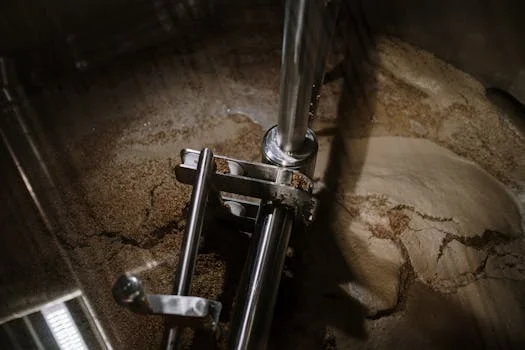
Accurate budgeting for industrial wastewater treatment plants in Palembang requires a detailed understanding of both Capital Expenditure (CAPEX) and Operational Expenditure (OPEX), taking into account local cost drivers. For a typical project, CAPEX is distributed as follows: Civil Works (excavation, foundations, tank construction) typically accounts for 35–45% of the total cost. Equipment procurement and fabrication represent 50–60%, while installation and commissioning comprise the remaining 5–10%. The initial investment for a 10 m³/h modular A/O system in Palembang can start at approximately $85,000, whereas a larger 500 m³/h MBR plant with advanced sludge dewatering can exceed $1.2 million. Palembang’s tropical climate significantly impacts equipment costs; the need for corrosion-resistant materials, such as 316L stainless steel or specialized coatings, adds a premium of 12–18% to the equipment CAPEX. Similarly, the region’s seismic activity (Zone 4) increases civil works costs by an estimated 20–30% due to the requirement for more robust structural designs and foundations, potentially adding $50,000 to the civil component of a 100 m³/h plant. On the OPEX side, energy consumption is the largest driver, accounting for 30–40% of monthly operating costs, followed by chemicals (20–30%) and labor (15–25%). Comparing common technologies, MBR systems typically incur OPEX of around $0.25/m³, DAF systems around $0.18/m³ (excluding chemical costs for solids removal), and A/O systems around $0.10/m³ (including chemical dosing). Land costs in Palembang vary, with prime locations in Ilir or Ulu districts potentially ranging from $50–$150/m². This land cost, when factored against the footprint of different system types, can significantly influence the total project economics. For example, while modular systems may have a higher initial equipment CAPEX per m³, their smaller footprint can lead to substantial savings on land acquisition, especially in high-cost urban areas.
| Cost Component | Typical Percentage of CAPEX | Palembang Specific Cost Drivers | Example Impact |
|---|---|---|---|
| Civil Works | 35–45% | Seismic design requirements (Zone 4), soil conditions. | +20–30% on civil costs for seismic compliance. |
| Equipment | 50–60% | Corrosion-resistant materials (tropical climate), advanced technology for strict limits. | +12–18% on equipment CAPEX for corrosion resistance. |
| Installation & Commissioning | 5–10% | Site accessibility, complexity of integrated systems. | Varies based on project scale. |
| OPEX (Energy) | 30–40% of OPEX | Pump and aeration energy demands. | Higher for energy-intensive technologies like MBR. |
| OPEX (Chemicals) | 20–30% of OPEX | Coagulants, flocculants, pH adjustment chemicals. | Higher for DAF and A/O systems requiring chemical dosing. |
| OPEX (Labor) | 15–25% of OPEX | Operator skill requirements, automation levels. | Higher for complex technologies like MBR requiring specialized skills. |
Compliance Checklist: Meeting South Sumatra Regulation No. 12/2021
Achieving and maintaining compliance with South Sumatra Regulation No. 12/2021 is paramount for industrial and municipal facilities in Palembang. The key discharge limits to adhere to are BOD <30 mg/L, TSS <50 mg/L, a pH range of 6–9, and oil/grease content below 10 mg/L. These provincial standards are more stringent than national Indonesian regulations, which typically allow for BOD <50 mg/L and TSS <70 mg/L, underscoring the need for tailored treatment solutions. To demonstrate compliance, rigorous sampling protocols are essential. Daily composite samples should be collected for BOD and TSS analysis, while pH and oil/grease levels require weekly testing. Implementing a 24-hour flow-proportional sampling strategy ensures that the collected samples accurately represent the average effluent quality over a full operational cycle. Reporting of compliance data is typically required on a quarterly basis to the South Sumatra Environmental Agency (Dinas Lingkungan Hidup - DLH). A standardized compliance report template, usually provided by the DLH, should be meticulously filled out, detailing influent characteristics, treatment process parameters, and effluent quality results. Common violations observed in Palembang often stem from inadequate treatment of high organic loads, leading to elevated BOD levels (e.g., from food processing or agricultural industries), or insufficient solids removal resulting in high TSS (e.g., from textile dyeing or manufacturing processes). Corrective actions may include upgrading to more advanced treatment technologies, such as incorporating an MBR stage for enhanced BOD removal or optimizing chemical dosing and operational parameters for DAF systems to improve TSS capture. For facilities struggling with pH fluctuations, an automatic chemical dosing system can ensure continuous pH adjustment and coagulation for optimal treatment performance.
| Parameter | South Sumatra Regulation No. 12/2021 Limit | National Standard (Example) | Sampling Frequency | Common Violation Cause | Corrective Action Example |
|---|---|---|---|---|---|
| BOD | <30 mg/L | <50 mg/L | Daily (Composite) | High organic load (food processing, agriculture). | Implement MBR, enhance biological treatment stages. |
| TSS | <50 mg/L | <70 mg/L | Daily (Composite) | Inadequate solids separation (textiles, manufacturing). | Optimize DAF chemical dosing, upgrade filtration. |
| pH | 6–9 | 6–9 | Weekly | Industrial process discharge variability. | Install automatic pH control and dosing systems. |
| Oil & Grease | <10 mg/L | <15 mg/L | Weekly | Hydrocarbon spills, process leaks. | Enhanced oil separation, API separators. |
Equipment Selection Framework: Modular vs Buried vs Containerized Systems
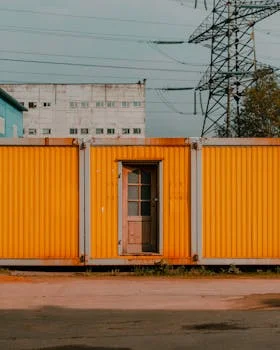
The selection of the physical configuration for a wastewater treatment plant in Palembang is heavily influenced by land availability, budget constraints, and the need for future scalability. Modular systems offer significant advantages in terms of rapid deployment, typically achievable within 3–6 months from order to operation. Their inherent design allows for easy expansion by simply adding more treatment modules as wastewater flow rates increase, making them ideal for growing industries or facilities with phased development plans. Buried systems, while requiring initial excavation which can add 15–20% to CAPEX, are aesthetically pleasing and can be integrated seamlessly into existing landscapes. They are particularly suitable for urbanized areas in Palembang, such as the Ilir district, where above-ground structures might be undesirable or impractical, and can help reduce overall land acquisition costs. Containerized systems, often built within standard shipping containers, provide a highly mobile and plug-and-play solution. However, their capacity is typically limited to smaller flow rates, generally below 50 m³/h. These systems are best suited for remote industrial sites, temporary operational needs, or emergency response scenarios, such as supporting palm oil mills during peak harvest seasons where rapid, temporary treatment capacity is required. To guide decision-making, a framework can be employed: start by assessing the available land cost per square meter and the total flow rate (m³/h). If land is scarce and costly, prioritize compact systems (MBR, containerized). If budget is the primary concern and space is available, A/O or traditional concrete plants might be considered, but factor in long-term land use. For projects requiring fast implementation or phased growth, modular systems offer flexibility. For industrial facilities in Palembang that need to balance strict compliance with space limitations, a careful evaluation of these system types, potentially with a hybrid approach, is crucial.
Decision Framework for Palembang Wastewater Treatment System Configuration:
- Assess Land Availability & Cost:
- High Land Cost / Low Availability: Prioritize compact systems (MBR, Containerized). Consider buried options if aesthetics are critical and excavation costs are manageable.
- Low Land Cost / High Availability: Traditional concrete plants or larger A/O systems become more feasible.
- Determine Flow Rate & Scalability Needs:
- Small Flow (<50 m³/h) & Mobility Required: Containerized systems are ideal.
- Medium to Large Flow (>50 m³/h) & Future Expansion Planned: Modular systems offer excellent scalability.
- Stable, Large Flow & Permanent Site: Buried or traditional concrete plants can be cost-effective long-term.
- Evaluate Budget Constraints:
- Lower CAPEX Priority: A/O systems or well-designed traditional plants.
- Higher CAPEX Tolerance for Efficiency/Footprint: MBR or advanced hybrid systems.
- Consider Project Timeline:
- Urgent Deployment: Containerized or modular systems offer faster installation.
- Standard Project Timeline: Buried or traditional plants can be designed and constructed.
Frequently Asked Questions
What are the penalties for violating South Sumatra Regulation No. 12/2021?
Violations of South Sumatra Regulation No. 12/2021 can result in significant penalties. Based on enforcement data from the South Sumatra Environmental Agency (DLH) in 2024, fines can reach up to IDR 5 billion (approximately $320,000 USD). In severe or persistent cases, regulatory bodies have the authority to order temporary or permanent plant shutdowns, leading to substantial operational and economic disruption.
How does Palembang’s climate affect wastewater treatment equipment?
Palembang’s tropical climate, characterized by high humidity and frequent rainfall, significantly accelerates the corrosion process for standard metal components. This necessitates the use of more durable and corrosion-resistant materials, such as 316L stainless steel or specialized epoxy coatings, for tanks, piping, and structural elements. These material upgrades can add an estimated 12–18% to the equipment CAPEX, a crucial consideration for long-term asset management.
What’s the most cost-effective system for a 50 m³/h textile factory in Palembang?
For a 50 m³/h textile factory in Palembang, a hybrid system combining Dissolved Air Flotation (DAF) for initial solids and dye removal with an Anaerobic-Anoxic-Oxic (A/O) system for BOD reduction is often the most cost-effective solution. This configuration typically offers a CAPEX in the range of $350,000 and an OPEX around $0.12/m³, effectively meeting both BOD (<30 mg/L) and TSS (<50 mg/L) discharge limits while managing the specific effluent characteristics of textile manufacturing.
Can I reuse treated wastewater in Palembang?
Yes, treated wastewater in Palembang can be reused, but primarily for non-potable applications such as irrigation, industrial cooling towers, or dust suppression. Direct human consumption or uses involving food contact are strictly prohibited without advanced disinfection and further treatment processes that meet potable water standards. Compliance with WHO guidelines for wastewater reuse and local regulations is mandatory, often requiring additional disinfection steps like UV sterilization or chlorine dioxide treatment.
How do I choose a vendor for Palembang’s wastewater treatment projects?
When selecting a vendor for wastewater treatment projects in Palembang, prioritize those with demonstrable local experience. This includes a proven track record in designing systems that account for Palembang’s specific seismic risks and corrosive tropical climate, utilizing appropriate materials like 316L stainless steel. Verify their expertise in meeting South Sumatra Regulation No. 12/2021 discharge limits. Crucially, assess their commitment to comprehensive after-sales support, including spare parts availability, operator training programs, and responsive maintenance services, which are vital for the long-term operational efficiency of any wastewater treatment plant.
Related Equipment
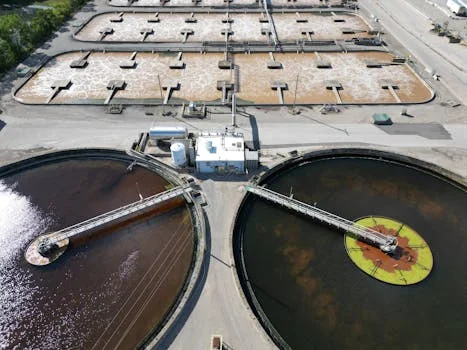
The following HydropureWater products are engineered for the wastewater challenges discussed above:
- MBR systems for Palembang’s strict BOD/TSS limits — view specifications, capacity range, and technical data
- DAF systems for high-TSS industrial wastewater — view specifications, capacity range, and technical data
- chemical dosing for pH adjustment and coagulation — view specifications, capacity range, and technical data
Need a customized solution? Request a free quote with your specific flow rate and pollutant parameters.