Package Wastewater Treatment Plants in Mindanao Philippines: 2025 Engineering Guide with Costs, Compliance & ROI
Mindanao’s demand for package wastewater treatment plants is surging, driven by DENR-EMB’s 2025 enforcement of effluent standards (DAO 2016-08) and LGU mandates for septage management. A 50 m³/day package plant in Mindanao costs ₱120K–₱500K ($2.2K–$9K) for conventional A/O systems, while advanced MBR systems range from ₱1.5M–₱2.5M ($27K–$45K). Local case studies—like Calbayog City’s i-TECH plant and DOST Davao’s VHFS—demonstrate 90%+ TSS removal and 30% lower OPEX than centralized systems, making package plants ideal for remote industrial zones and small municipalities.
Why Mindanao Needs Package Wastewater Treatment Plants in 2025
DENR-EMB’s 2025 enforcement of DAO 2016-08 effluent standards and DAO 2019-19 septage management regulations mandates compliance for industries and LGUs across Mindanao, with non-compliance penalties ranging from ₱50,000 to ₱200,000 in fines or facility shutdowns. This regulatory push directly addresses Mindanao’s significant wastewater treatment gap, where only 10% of LGUs possessed septage treatment facilities as of 2023, according to DPWH data. Industrial zones, particularly Davao’s export processing areas, frequently face DENR violations due to untreated or inadequately treated effluent discharge, highlighting the urgent need for robust wastewater management solutions.
A compelling case study is Steniel Mindanao Packaging Corp., whose operations experienced ink spillages and equipment washings that triggered a mandatory upgrade. The company invested ₱3.2 million in a package wastewater treatment plant to meet DAO 2016-08 limits, specifically targeting COD below 150 mg/L and TSS below 50 mg/L (EMB-XI PDF). This exemplifies the direct financial and operational impact of non-compliance and the necessity of tailored solutions for Mindanao industrial wastewater treatment.
Mindanao’s unique climate and terrain present distinct challenges. The region experiences high annual rainfall, typically ranging from 2,000 to 3,000 mm, which can lead to significant influent flow variations and increased TSS loads in wastewater. Volcanic soil characteristics in many areas also contribute to higher suspended solids. These environmental factors, combined with the often-remote locations of industrial facilities and small municipalities, render centralized sewerage systems economically and logistically infeasible. Package plants, with their modularity and decentralized nature, offer a practical and cost-effective alternative for achieving regulatory compliance and protecting Mindanao’s vital water resources.
Package Wastewater Treatment Plants: How They Work and Key Technologies
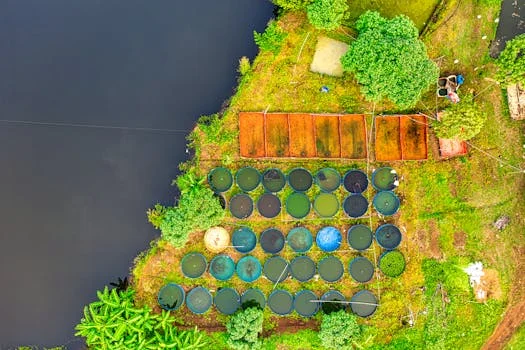
Package wastewater treatment plants are pre-engineered, modular systems designed for decentralized wastewater management, typically handling capacities from 10 to 500 m³/day. These systems arrive as a single unit or skid-mounted components, making them easier and faster to deploy compared to conventional stick-built plants. Their compact design and scalability are particularly beneficial for remote sites and smaller communities in Mindanao.
The core processes within a package plant typically involve:
- Primary Treatment: This stage removes large solids and grit through screening and sedimentation. For Mindanao, where palm oil mills generate high TSS and FOG (Fats, Oils, and Grease), efficient primary treatment like a rotary mechanical bar screen and a grit chamber is crucial.
- Secondary Treatment: Biological processes break down dissolved organic matter. This is often the heart of the system, utilizing microorganisms.
- Tertiary Treatment: Further purification steps like filtration and disinfection (e.g., UV or chlorination) are applied to meet stringent effluent standards, especially for reuse applications.
- Sludge Management: The biological process generates sludge, which requires thickening and dewatering, often using equipment like a plate and frame filter press.
Several key technologies are employed in package plants, each with pros and cons relevant to Mindanao:
| Technology | Description | Pros for Mindanao | Cons for Mindanao | HydropureWater Product Link |
|---|---|---|---|---|
| Conventional A/O (Anoxic/Oxic) | Activated sludge process with anoxic (denitrification) and oxic (BOD removal, nitrification) zones. | Robust, simple to operate, lower CAPEX, suitable for general municipal/industrial wastewater, like a compact A/O package plant for Mindanao’s space-constrained sites. | Larger footprint, lower effluent quality compared to MBR, less efficient for high nitrogen removal. | WSZ Series |
| MBR (Membrane Bioreactor) | Combines activated sludge with membrane filtration (micro/ultrafiltration). | High effluent quality (near-reuse standard), compact footprint, excellent TSS/BOD removal, ideal for stringent DENR-EMB standards, using a high-efficiency MBR system for near-reuse-quality effluent. | Higher CAPEX and OPEX (energy for membranes, membrane fouling), sensitivity to power outages, requires skilled operators. | MBR System |
| DAF (Dissolved Air Flotation) | Uses fine air bubbles to float suspended solids, fats, oils, and grease to the surface for skimming. | Highly effective for FOG and TSS removal, quick startup, suitable as primary or pre-treatment for high-FOG wastewater from Mindanao’s food and palm oil industries, such as a DAF system for high-FOG wastewater from Mindanao’s food and palm oil industries. | Requires chemical dosing, not a complete biological treatment, generates sludge with high water content. | DAF System |
| Nature-Based Systems (e.g., DOST Davao’s VHFS) | Utilizes constructed wetlands, vertical flow systems, or lagoons. | Low OPEX, environmentally friendly, aesthetic, proven effective (DOST Davao’s VHFS). | Large footprint, slower treatment, less suitable for highly variable or toxic industrial wastewater, weather-dependent. | N/A |
Local adaptation is key; package plants are often modified for Mindanao’s influent characteristics. For instance, high organic loads from food processing (e.g., tuna canning, fruit processing) may require larger biological treatment zones or pre-treatment with DAF. Variable pH from mining runoff or specific industrial processes may necessitate automated pH correction systems, often managed by a PLC-controlled dosing for Mindanao’s variable influent quality.
Technical Specifications for Mindanao’s Package Plants
Package wastewater treatment plants in Mindanao must achieve effluent quality targets specified by DENR-EMB DAO 2016-08, with Class C (agricultural/industrial reuse) and Class D (surface water discharge) standards requiring BOD levels below 50 mg/L and TSS below 70 mg/L, and pH maintained between 6.5–8.5. Understanding these benchmarks is critical for engineers and procurement teams evaluating vendor proposals.
Influent variability is a significant factor in Mindanao. For example, palm oil mills typically produce wastewater with extremely high COD concentrations, ranging from 1,500–3,000 mg/L, while hospital wastewater generally presents BOD levels of 200–500 mg/L. A properly designed package plant must accommodate these fluctuating loads to ensure consistent compliance.
Performance benchmarks vary by technology. Conventional A/O systems typically achieve BOD removal rates of 85–90% and TSS removal of 80–85%. MBR systems, due to their membrane filtration, offer superior performance, with BOD removal rates of 95–98% and TSS removal often exceeding 99%. DAF systems excel in removing FOG (90–95%) and TSS (85–90%), often serving as an effective pre-treatment. DOST Davao’s VHFS, a nature-based solution, has demonstrated impressive 92% TSS removal, proving the viability of diverse approaches for local conditions.
| Parameter | Conventional A/O (50 m³/day) | MBR (50 m³/day) | DAF (50 m³/day) | DENR-EMB DAO 2016-08 Class C/D |
|---|---|---|---|---|
| Influent BOD (mg/L) | 200-350 (Municipal) | 200-500 (Industrial) | 300-600 (Industrial, FOG-rich) | N/A |
| Influent TSS (mg/L) | 200-300 (Municipal) | 200-400 (Industrial) | 200-500 (Industrial, FOG-rich) | N/A |
| Expected Effluent BOD (mg/L) | <30-50 | <10-20 | Pre-treatment: <100-200 | <50 |
| Expected Effluent TSS (mg/L) | <50-70 | <5-10 | Pre-treatment: <50-100 | <70 |
| BOD Removal Rate | 85-90% | 95-98% | ~50-70% (Pre-treatment) | N/A |
| TSS Removal Rate | 80-85% | >99% | 85-90% (Pre-treatment) | N/A |
| Footprint (approx. m²) | 20-30 | 15-25 | 10-20 | N/A |
| Energy Use (kWh/m³) | 0.3-0.5 | 0.6-1.0 | 0.2-0.4 | N/A |
| Chemical Dosing (mg/L) | Minimal (for disinfection) | Minimal (for disinfection) | 50-150 (coagulant/flocculant) | N/A |
Footprint and installation requirements are crucial for site planning. A 50 m³/day conventional A/O plant typically requires 20-30 m², while a comparable MBR system might need only 15-25 m² due to its compact design. Foundation needs vary, from a simple concrete pad for above-ground units to reinforced concrete for underground installations. Utility connections, including 3-phase power, water for backwash, and compressed air, must be readily available.
Energy and chemical use significantly impact operational costs. Aeration for A/O systems consumes 0.3–0.5 kWh/m³, while MBR systems, with their membrane filtration and higher aeration demands, typically use 0.6–1.0 kWh/m³. Chemical dosing, particularly for DAF systems, can range from 50–150 mg/L for coagulants and flocculants, and disinfection requires chemicals like chlorine or the use of a chlorine dioxide generator.
Cost Breakdown: CAPEX, OPEX, and ROI for Mindanao Projects
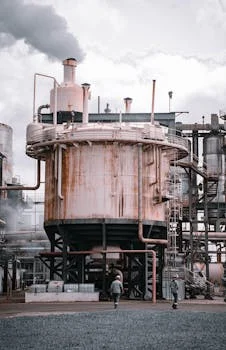
The Capital Expenditure (CAPEX) for package wastewater treatment plants in Mindanao varies significantly by technology, with conventional A/O systems for 10–50 m³/day costing ₱120,000–₱500,000, while advanced MBR systems for 50–200 m³/day range from ₱1.5M–₱2.5M. DAF systems, often used for industrial pre-treatment, fall between ₱800,000–₱1.8M for 30–100 m³/day capacities. These figures typically exclude shipping costs from international suppliers, which can add ₱50,000–₱150,000, and local installation, which represents 10–20% of the total CAPEX.
Operational Expenditure (OPEX) is a critical long-term consideration, as seen in cost benchmarks for Southeast Asian markets with similar economic conditions. Key OPEX components for Mindanao projects include:
- Energy: ₱5–₱15/m³ (highly dependent on technology and local electricity rates, which average ₱10–₱15/kWh in Mindanao).
- Chemicals: ₱3–₱10/m³ (for coagulation, flocculation, disinfection).
- Labor: ₱15,000–₱30,000/month for a single trained operator, depending on skill level and plant complexity.
- Maintenance: 5–10% of CAPEX per year, covering spare parts, repairs, and scheduled servicing.
Calbayog City’s i-TECH plant, for instance, reports an OPEX of approximately ₱8.50/m³, demonstrating the cost-efficiency achievable with modern package plants.
| Cost Category | Conventional A/O (50 m³/day) | MBR (50 m³/day) | DAF (50 m³/day) |
|---|---|---|---|
| CAPEX (Plant Only) | ₱120K–₱500K | ₱1.5M–₱2.5M | ₱800K–₱1.8M |
| International Shipping | ₱50K–₱100K | ₱80K–₱150K | ₱60K–₱120K |
| Local Installation (10-20% CAPEX) | ₱12K–₱100K | ₱150K–₱500K | ₱80K–₱360K |
| Energy OPEX (₱/m³) | ₱5–₱8 | ₱10–₱15 | ₱4–₱7 |
| Chemicals OPEX (₱/m³) | ₱3–₱5 | ₱3–₱5 | ₱8–₱10 |
| Labor OPEX (₱/month) | ₱15K–₱20K | ₱20K–₱30K | ₱15K–₱25K |
| Maintenance (5-10% CAPEX/year) | ₱6K–₱50K | ₱75K–₱250K | ₱40K–₱180K |
The Return on Investment (ROI) timeline for a package wastewater treatment plant in Mindanao Philippines varies. For industrial facilities that can reuse treated water, payback periods can be as short as 2–4 years due to savings on fresh water procurement and discharge fees. For municipal discharge projects, the ROI typically extends to 5–7 years, driven by compliance avoidance costs and public health benefits. Sensitivity analysis for electricity costs, which can fluctuate between ₱10–₱15/kWh in Mindanao, is crucial for accurate ROI projections.
Several funding options exist to support these investments. The DENR-EMB’s Green Technology Program offers up to a 50% subsidy for LGUs implementing environmental projects. Additionally, development banks like ADB provide loans with favorable interest rates (3–5%), and the Board of Investments (BOI) offers tax incentives for projects focused on water reuse and environmental protection.
Hidden costs can significantly impact project budgets. Permitting, including the Environmental Compliance Certificate (ECC) and various LGU approvals, can range from ₱20,000–₱100,000 with processing times of 6–12 months. Soil testing, essential for foundation design, typically costs ₱15,000–₱30,000. It is prudent to allocate a contingency budget of 10–15% of CAPEX to account for unforeseen delays or design modifications.
Compliance Checklist: DENR-EMB and LGU Requirements for Mindanao
Securing an Environmental Compliance Certificate (ECC) from DENR-EMB is the primary pre-construction requirement for package wastewater treatment plants in Mindanao, a process that typically costs ₱50,000–₱200,000 and can take 6–12 months. This crucial permit ensures the project meets environmental impact standards before ground is broken. Additionally, obtaining barangay clearance and an LGU zoning permit is essential to confirm the project aligns with local land use plans and community regulations.
For design approvals, engineering plans, including detailed hydraulic calculations and Material Safety Data Sheets (MSDS) for any chemicals used, must be submitted. Projects with capacities exceeding 50 m³/day typically require DENR-EMB approval, while smaller plants (under 50 m³/day) may only need LGU endorsement. These submissions ensure the proposed design adheres to technical standards and environmental safeguards.
During the construction phase, DENR-EMB conducts inspections of civil works, often with an associated fee of approximately ₱10,000, to verify adherence to approved plans and environmental safeguards. Concurrently, LGU building permit compliance is rigorously checked to ensure structural integrity and local construction codes are met.
The operation phase demands continuous monitoring and reporting. Quarterly effluent testing is mandatory, costing ₱5,000–₱15,000 per test, to analyze parameters such as BOD, COD, TSS, pH, and coliforms. An annual EMB audit, costing around ₱20,000, assesses overall compliance and operational efficiency. Sample test reports, such as those from Steniel Mindanao’s WTF, serve as critical evidence of meeting DAO 2016-08 standards.
Local variations in regulatory standards are also important. Davao City, for example, imposes stricter limits for food processing wastewater, requiring BOD levels below 30 mg/L. Misamis Oriental often includes specific requirements for odor control in package wastewater treatment plants situated near residential areas, reflecting local community concerns. Understanding these nuances is vital for a smooth permitting and operational process for any LGU-owned wastewater treatment or industrial facility in Mindanao.
Step-by-Step Deployment: From Site Selection to Commissioning
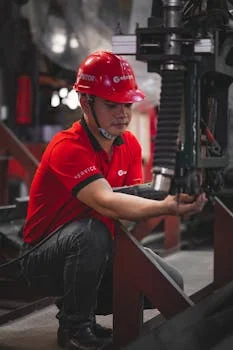
Effective site selection for a package wastewater treatment plant in Mindanao requires careful consideration of proximity to the influent source (ideally within 500 meters to minimize pumping costs), flood risk assessment, and ensuring a minimum soil bearing capacity of 100 kPa for underground tanks. Mindanao’s susceptibility to heavy rainfall, as evidenced by the 2023 floods that damaged 30% of Davao’s treatment plants, makes flood risk a paramount concern for plant longevity and operational continuity.
Vendor evaluation is a critical step. A thorough checklist for supplier due diligence should include verifying ISO 9001 certification, assessing the availability of a local service network for maintenance and spare parts, and reviewing warranty terms. Red flags, such as the absence of a DENR-EMB accredited installer or a lack of proven local case studies, should prompt further scrutiny. For instance, selecting a supplier for a high-efficiency MBR system without local support can lead to significant operational challenges.
Installation timelines vary by technology; a conventional A/O plant may take 4–6 weeks, while an MBR system could require 8–12 weeks. Key utility connections include a stable 3-phase 220V/440V power supply and a clean water source (1–2 m³/h for backwash, especially for MBR systems). Commissioning typically involves hydraulic testing, biomass seeding (for biological systems), and performance validation through effluent sampling to ensure the plant meets design specifications and DENR-EMB standards.
Common mistakes in deployment can lead to costly setbacks. Undersized equalization tanks are a frequent issue, particularly in Mindanao where heavy rainfall can cause influent spikes of up to 300%. Inadequate sludge storage capacity, often requiring a minimum of 30-day capacity as per DENR guidelines, can lead to disposal challenges. the absence of a bypass system for emergencies or maintenance can disrupt operations and result in non-compliance. Implementing primary treatment solutions like a rotary mechanical bar screen and a plate and frame filter press for sludge dewatering are crucial components of a robust system.
Leveraging local resources can significantly streamline deployment. A list of DENR-EMB accredited installers in Mindanao, such as Manila Water Infratech or the DOST Davao’s VHFS team, can provide invaluable expertise. Additionally, training programs for operators, offered by institutions like TESDA (costing ₱15,000–₱25,000), ensure that plants are operated efficiently and maintained correctly, safeguarding long-term performance and compliance for any package plant installation checklist.
Frequently Asked Questions
How much does a septage treatment plant cost in Mindanao?
The cost for a septage treatment plant in Mindanao, typically a form of package wastewater treatment plant, can range from ₱1.5 million to ₱5 million for a 50-100 m³/day facility, depending on the technology (e.g., conventional A/O vs. MBR) and specific local requirements. This includes the plant itself, local installation, and initial permitting fees.
What are the DENR-EMB standards for wastewater discharge in Mindanao?
In Mindanao, DENR-EMB effluent standards are primarily governed by DAO 2016-08. For Class C (agricultural/industrial reuse) and Class D (surface water discharge), key parameters include BOD < 50 mg/L, TSS < 70 mg/L, and pH between 6.5–8.5. Specific industries or LGUs may face stricter local limits, such as Davao City’s BOD < 30 mg/L for food processing.
What is the typical ROI for a package plant in an industrial setting?
For an industrial facility in Mindanao, the Return on Investment (ROI) for a package wastewater treatment plant can typically be achieved within 2–4 years, especially if the treated water is reused. This payback is driven by significant savings on fresh water procurement, reduced discharge fees, and avoided DENR-EMB non-compliance penalties.
Can package plants handle high organic loads from industries like palm oil?
Yes, package wastewater treatment plants can be specifically designed or augmented to handle high organic loads common in Mindanao industries like palm oil. Technologies such as Dissolved Air Flotation (DAF) for pre-treatment, followed by robust biological processes like MBR or specialized anaerobic reactors, are effective for treating wastewater with COD levels exceeding 1,500 mg/L.
How long does it take to deploy a package wastewater treatment plant?
The deployment timeline for a package wastewater treatment plant in Mindanao, from site preparation to commissioning, generally ranges from 4 to 12 weeks. Conventional A/O systems might be operational in 4–6 weeks, while more complex MBR systems typically require 8–12 weeks, not including the 6-12 months for ECC processing.