Why Pasig Factories Face Wastewater Treatment Challenges in 2025
Pasig’s industrial wastewater treatment requirements for 2025 demand strict compliance with DENR Administrative Order 2016-08 (effluent standards) and Pasig River Rehabilitation Commission (PRRC) discharge limits. Factories must achieve ≤50 mg/L BOD, ≤75 mg/L COD, and ≤10 mg/L TSS for Class C water bodies like the Pasig River. Treatment costs range from ₱500–₱1,200 per m³ for DAF systems to ₱1,500–₱3,000 per m³ for MBR systems, depending on influent load and automation level. This guide provides technical specs, compliance checklists, and equipment selection criteria for Pasig’s industrial zones.
The regulatory landscape in Metro Manila has shifted from passive monitoring to aggressive enforcement. Under DENR Administrative Order 2016-08, the Pasig River is classified as a Class C water body, intended for the propagation of fish and other aquatic resources, as well as secondary recreation. For industrial dischargers, this means meeting stringent limits: Biochemical Oxygen Demand (BOD) at ≤50 mg/L, Chemical Oxygen Demand (COD) at ≤75 mg/L, Total Suspended Solids (TSS) at ≤10 mg/L, and Oil & Grease at ≤5 mg/L. Failure to meet these parameters results in daily fines that can escalate into Cease and Desist Orders (CDO).
Beyond the DENR, the PRRC imposes additional local discharge limits specifically targeting heavy metals and acidity. pH levels must be maintained between 6.5 and 8.5, while heavy metal concentrations are capped at extremely low levels, such as Chromium (Cr) at ≤0.1 mg/L and Lead (Pb) at ≤0.05 mg/L. These mandates are a direct response to the Pasig River being historically classified as "dead" due to industrial pollution, a status that has triggered intensive public-private rehabilitation efforts.
Consider the technical reality of a textile factory in Pasig’s industrial corridor. In 2023, a local facility was fined ₱2.5M for exceeding COD limits. The factory’s raw influent showed COD levels of 2,500 mg/L due to high dye concentrations and chemical processing. Without an upgraded secondary treatment stage, their aging system could only reduce COD to 400 mg/L—far above the 75 mg/L limit. This gap between existing infrastructure and 2025 regulatory requirements represents the primary risk for factory managers today.
Pasig Industrial Wastewater: Influent Characteristics and Treatment Goals
Designing an effective treatment system requires a baseline understanding of industry-specific influent characteristics. In Pasig’s primary industrial zones, including Ortigas, Libis, and Ugong, wastewater profiles vary significantly based on the manufacturing process. Food processing plants often struggle with high Fats, Oils, and Grease (FOG), while metalworking shops face challenges with dissolved heavy metals and high TSS.
The following table outlines typical raw influent ranges for major industries in Pasig. These figures serve as the engineering basis for sizing equipment like Dissolved Air Flotation (DAF) units or Membrane Bioreactors (MBR).
| Industry Type | BOD (mg/L) | COD (mg/L) | TSS (mg/L) | FOG (mg/L) | Heavy Metals (mg/L) |
|---|---|---|---|---|---|
| Food Processing | 800 – 2,500 | 1,500 – 4,500 | 400 – 1,200 | 200 – 1,200 | < 0.01 |
| Textile/Dyeing | 400 – 1,000 | 1,000 – 3,000 | 200 – 600 | < 50 | Cr: 5 – 20 |
| Metalworking/Plating | 50 – 200 | 150 – 500 | 500 – 2,000 | 100 – 500 | Ni/Cr/Pb: 10 – 100 |
| Chemical Mfg | 500 – 1,500 | 1,200 – 4,000 | 100 – 400 | < 100 | Variable |
Treatment goals are dictated by the target effluent standards for Class C water bodies. For factories in Pasig, the objective is not just "clear water" but chemically stable effluent. Pretreatment is essential; for instance, using a high-efficiency DAF system for FOG and TSS removal can reduce the organic load on biological systems by up to 90%. This prevents the "blinding" of membranes in MBR systems and ensures that secondary treatment stages operate within their designed kinetics.
Step-by-Step Industrial Wastewater Treatment Process for Pasig Factories

Engineering a compliant system follows a logical progression of physical, chemical, and biological separation. For Pasig factories, where land value is high and space is often limited, the process must be optimized for a small footprint without sacrificing removal efficiency.
1. Screening and Grit Removal: The process begins with the removal of large solids. Utilizing rotary mechanical bar screens ensures that rags, plastics, and debris ≥3 mm are captured before they can damage downstream centrifugal pumps. This is a critical protection step for the entire system's uptime.
2. Equalization (EQ): Industrial production is rarely constant. An EQ tank with 6–12 hours of hydraulic retention time (HRT) is necessary to balance high-strength "slug loads" and neutralize pH fluctuations. This provides a steady flow to the primary treatment stage, preventing system shocks (per EPA industrial guidelines).
3. Primary Treatment: This stage focuses on physical-chemical separation. A DAF system technical specifications and cost benchmarks show that primary treatment can achieve 90–95% FOG removal and 50–70% TSS removal. By injecting micro-bubbles, suspended solids and oils float to the surface for mechanical skimming.
4. Secondary Treatment: For high BOD and COD removal, biological treatment is required. A compact MBR system for high BOD/COD removal is the gold standard for Pasig factories. It combines activated sludge treatment with membrane filtration, delivering effluent with <10 mg/L BOD and <5 mg/L TSS. This technology replaces the large clarifiers used in traditional systems, saving up to 60% in footprint.
5. Tertiary Treatment and Disinfection: To meet the final microbial and aesthetic standards, chlorine dioxide generators are employed for disinfection. This achieves a 99.9% pathogen kill rate (WHO standard) without the hazardous residual byproducts associated with traditional liquid bleach.
6. Sludge Handling: The final stage involves managing the concentrated waste generated during treatment. Using a high-efficiency sludge dewatering for reduced disposal costs allows factories to reduce sludge volume by 70–80%. This turns a liquid slurry into a "cake" that is significantly cheaper to transport and dispose of at DENR-accredited landfills.
DAF vs. MBR vs. Chemical Dosing: Which System Fits Your Pasig Factory?
Choosing the right technology depends on the specific pollutants in your waste stream and the physical constraints of your facility. A MBR system selection guide for industrial applications highlights that while MBR offers the highest water quality, it may be overkill for simple oil-water separation tasks where DAF excels.
| Criteria | DAF | MBR (Integrated) | Chemical Dosing |
|---|---|---|---|
| Primary Target | FOG, TSS, Insoluble COD | BOD, Soluble COD, Nitrogen | pH, Heavy Metals, Phosphorus |
| FOG Removal | 90 – 98% | Low (requires pre-treatment) | Moderate |
| Footprint | Medium | Very Small | Small |
| Energy Use | Moderate (Air saturation) | High (Scouring air) | Low |
| Chemical Need | Coagulants/Flocculants | Cleaning chemicals (CIP) | High (Acids/Bases/Polymers) |
| CapEx (per m³) | ₱800 – ₱1,500 | ₱1,500 – ₱3,000 | ₱300 – ₱800 |
| OpEx (per m³) | ₱50 – ₱100 | ₱100 – ₱200 | ₱80 – ₱150 |
The decision framework for Pasig engineers is as follows: If your influent contains >500 mg/L FOG (typical of food processing), a DAF system is the mandatory first step. If your BOD is >1,000 mg/L and your site is space-constrained, an MBR system is the most viable long-term solution. For electroplating or metalworking where heavy metals are the primary concern, prioritize an precise chemical dosing for pH adjustment and heavy metal removal to precipitate contaminants before filtration.
Compliance Checklist for Pasig Industrial Wastewater Dischargers
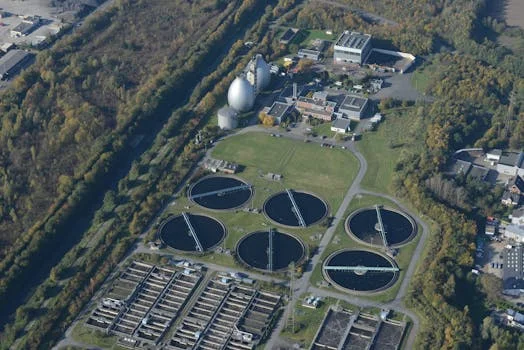
Ensuring compliance requires more than just installing equipment; it involves a rigorous administrative and monitoring routine. Factory managers must align with three levels of regulation: national (DENR), regional (PRRC), and local (Pasig City Ordinance).
- DENR Administrative Order 2016-08: Verify that your effluent consistently meets Class C limits. This includes monthly testing for BOD, COD, TSS, and specific nutrients like Ammonia and Nitrates.
- PRRC Discharge Permit: Apply for and renew your annual discharge permit. This requires submitting detailed influent/effluent monitoring data and a description of your treatment technology.
- Pasig City Environment Code (Ordinance No. 2020-01): Local law requires factories discharging >50 m³/day to submit Quarterly Self-Monitoring Reports (SMRs). These reports must be signed by a certified Pollution Control Officer (PCO).
- Accredited Sampling: All effluent testing must be conducted by DENR-EMB Region 4A accredited laboratories. In-house testing is useful for process control but is not legally binding for compliance.
- Record-Keeping: Maintain a minimum of 3 years of digital and paper logs, including flow meter readings, chemical consumption logs, and sludge disposal manifests.
- Penalty Risk Mitigation: Be aware that fines can reach ₱10,000 to ₱200,000 per day of violation under the Clean Water Act. In extreme cases of Pasig River pollution, criminal charges can be filed against the facility head.
Cost Breakdown: Industrial Wastewater Treatment in Pasig 2025
Budgeting for a new or upgraded system involves calculating the total cost of ownership (TCO). A cost breakdown for wastewater treatment plants in Metro Manila suggests that initial equipment costs are only one part of the equation; civil works and installation typically add 30–50% to the base price.
| System Component | Capacity (m³/day) | Estimated CapEx (PHP) | Estimated OpEx (PHP/month) |
|---|---|---|---|
| DAF System (Pre-treatment) | 100 | ₱1.2M – ₱1.8M | ₱8,000 – ₱12,000 |
| MBR Integrated System | 50 | ₱2.5M – ₱4.0M | ₱15,000 – ₱25,000 |
| Chemical Dosing Skid | 100 | ₱400k – ₱750k | ₱10,000 – ₱20,000 |
| Filter Press (Dewatering) | 5 (Sludge) | ₱600k – ₱900k | ₱3,000 – ₱5,000 |
To determine the Return on Investment (ROI), managers should use the following formula: Payback Period = (Total Capital Cost) / (Annual Avoided Fines + Annual Savings in Disposal Fees). For example, if a ₱5M MBR system allows a factory to avoid ₱1.2M in annual DENR fines and reduces sludge hauling costs by ₱300k, the payback period is approximately 3.3 years.
factories in Pasig can leverage the DENR’s Green Technology Program, which provides low-interest loans for wastewater infrastructure. Pasig City also offers localized environmental incentives, including potential real property tax breaks for facilities that exceed minimum compliance standards and contribute to the rehabilitation of the Pasig River.
Frequently Asked Questions
What are the three types of industrial wastewater treatment?
Industrial treatment is categorized into Primary (physical removal like DAF for solids and oils), Secondary (biological treatment like MBR for organic matter), and Tertiary (advanced processes like filtration or disinfection). Each stage is designed to target specific pollutants, with DAF focusing on FOG and MBR targeting BOD/COD reduction.
What is the primary source of water pollution in the Pasig River?
According to PRRC data, industrial discharges account for approximately 40% of the pollution load, with the remainder coming from domestic sewage (30%) and solid waste (30%). Industrial contributors primarily release heavy metals, dyes, and high organic loads from the textile, food processing, and chemical sectors.
How much does an industrial wastewater treatment plant cost in Pasig?
Capital costs generally range from ₱500 to ₱3,000 per m³/day of capacity. DAF systems typically cost ₱800–₱1,500/m³/day, while high-performance MBR systems range from ₱1,500–₱3,000/m³/day. Operational costs (power, chemicals, labor) average between ₱50 and ₱200 per m³ treated.
What are the DENR effluent standards for Pasig River?
Under DENR Administrative Order 2016-08 for Class C water bodies, the limits are: BOD ≤50 mg/L, COD ≤75 mg/L, TSS ≤10 mg/L, Oil & Grease ≤5 mg/L, and pH between 6.5 and 8.5. Specific industries may have additional limits for heavy metals or color.
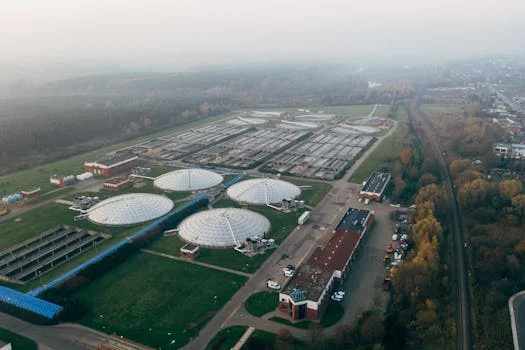
Where is the largest wastewater treatment plant in the Philippines?
The Ilugin Sewage Treatment Plant (STP) in Pasig/Manila is one of the largest, with a design capacity of 100,000 m³/day (expandable to 150,000 m³/day). While it primarily serves municipal sewage, industrial STPs in the region are typically smaller, specialized units ranging from 50 to 500 m³/day.