Why Jordan’s Industries Need DAF Systems in 2025
Jordan’s industrial wastewater treatment sector faces increasing pressure to comply with stringent environmental regulations, particularly those set by the Jordanian Standards and Metrology Organization (JSMO). For 2025 projects, the demand for high-efficiency Dissolved Air Flotation (DAF) systems is driven by critical discharge limits for key pollutants: Total Suspended Solids (TSS) must not exceed 30 mg/L, Fats, Oils, and Grease (FOG) are capped at 10 mg/L, and critically, phosphate levels must remain below 5 mg/L, as stipulated by JSMO 2024 standards. The economic and environmental imperative for adopting advanced treatment technologies is starkly illustrated by the Eshydia Phosphate Mine. This facility discards approximately 450 m³/h of wastewater containing 14% solids, with an 18% P₂O₅ content. Prior to implementing DAF, this practice resulted in the daily loss of 200 tons of valuable P₂O₅ and the wastage of 9600 m³ of freshwater. This loss highlights a significant missed opportunity for resource recovery and underscores the need for effective wastewater management.
Several key Jordanian industries are at the forefront of DAF system adoption. Phosphate mining operations, responsible for approximately 60% of the DAF demand, must manage high solid loads and recover valuable minerals. Refineries, accounting for 25% of demand, require efficient FOG and TSS removal. Food processing plants (10% demand) need to address high organic loads and suspended solids, while the textile industry (5% demand) faces challenges with dyes and suspended solids. Jordan's severe water scarcity, with a per capita availability of only 145 m³ per year (World Bank 2023), mandates water reuse. DAF systems are increasingly vital as a pretreatment step for Reverse Osmosis (RO) and other advanced recycling systems, enabling industries to meet reuse targets and reduce their reliance on increasingly scarce freshwater sources.
| Industry Sector | Primary Wastewater Challenges | Estimated DAF Demand (2025) | JSMO Limit Relevance |
|---|---|---|---|
| Phosphate Mining | High TSS (500-2000 mg/L), Phosphate, Fine Solids | 60% | Phosphate ≤5 mg/L, TSS ≤30 mg/L |
| Oil & Gas Refineries | High FOG (200-1000 mg/L), TSS, Hydrocarbons | 25% | FOG ≤10 mg/L, TSS ≤30 mg/L |
| Food Processing | High COD (1000-5000 mg/L), TSS, Organic Matter | 10% | TSS ≤30 mg/L, COD ≤150 mg/L |
| Textiles | Dyes, TSS, Chemicals | 5% | TSS ≤30 mg/L |
How DAF Systems Work: Mechanism and Process Parameters for Jordanian Wastewater
Dissolved Air Flotation (DAF) is a physico-chemical separation process that utilizes finely dispersed air bubbles to float suspended solids and other contaminants to the surface for removal. In a typical DAF system, a portion of the treated or clarified water is saturated with air under pressure (4–6 bar) in a saturation tank. This pressurized, air-saturated water is then released into the main flotation tank, where it mixes with the incoming wastewater. The rapid pressure drop causes the dissolved air to form microscopic bubbles, ranging from 10 to 100 μm in diameter. These microbubbles attach themselves to flocculated particles, significantly reducing their effective density and causing them to rise to the surface. The aggregate of bubbles and suspended solids forms a sludge blanket, which is then skimmed off by a mechanical scraper. The cleaned water is collected from the bottom of the tank. The rate at which these flocs rise is typically between 0.5–1.5 m/h, a critical parameter influenced by bubble size and floc characteristics.
Jordan’s industrial wastewater presents specific challenges that influence DAF design. Phosphate mines often generate influent with very high TSS loads, sometimes exceeding 2000 mg/L, alongside valuable phosphate particles. Refineries deal with significant concentrations of FOG, which can be difficult to emulsify and float effectively without proper chemical pretreatment. Food processing wastewater is characterized by high Chemical Oxygen Demand (COD) and variable TSS. To effectively treat these diverse influents, critical design parameters must be carefully calibrated. Hydraulic loading rates for Jordanian applications typically range from 2–5 m/h, balancing treatment efficiency with tank size. The air-to-solids ratio, a crucial factor for successful flotation, usually falls between 0.02 and 0.06 kg air per kg of solids. Flocculation time, the period allowed for chemical coagulants and flocculants to form stable flocs, is typically 5–15 minutes.
Effective chemical dosing is paramount for optimizing DAF performance in Jordan. For phosphate-rich wastewater, a fatty acid-based coagulant, such as DSR (typically 0.5–2 kg per ton of solids), is essential for precipitating and flocculating dissolved and suspended phosphates. For general TSS removal, inorganic coagulants like Polyaluminum Chloride (PAC) are commonly used at doses of 10–50 mg/L. pH adjustment to a range of 6.5–7.5 is often necessary to ensure optimal performance of both coagulants and flocculants. The selection and precise dosing of these chemicals are critical for achieving the required JSMO discharge limits. For example, DAF systems for Jordanian industrial wastewater can be integrated with PLC-controlled chemical dosing for DAF systems in Jordan to ensure accurate and responsive chemical application.
| Parameter | Phosphate Mine Wastewater | Refinery Wastewater | Typical Range |
|---|---|---|---|
| Influent TSS (mg/L) | 500-2000+ | 50-500 | N/A |
| Influent FOG (mg/L) | < 50 | 200-1000+ | N/A |
| Influent Phosphate (mg/L) | 50-200+ | < 5 | N/A |
| Hydraulic Loading Rate (m/h) | 2-4 | 3-5 | 2-5 |
| Air-to-Solids Ratio (kg air/kg solids) | 0.03-0.06 | 0.02-0.04 | 0.02-0.06 |
| Flocculation Time (min) | 10-15 | 5-10 | 5-15 |
| Primary Coagulant (e.g., PAC) (mg/L) | 10-30 | 10-30 | 10-50 |
| Phosphate Coagulant (e.g., DSR) (kg/ton solids) | 0.5-2.0 | N/A | 0.5-2.0 |
| pH Adjustment | Required (6.5-7.5) | Sometimes Required | 6.5-7.5 |
DAF System Costs in Jordan: 2025 Benchmarks and ROI Drivers
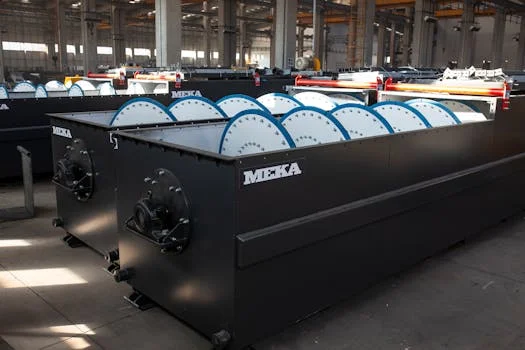
The capital investment for DAF systems in Jordan for 2025 projects typically ranges from JOD 50,000 for smaller flow rates (10–50 m³/h) to JOD 500,000 for larger, highly customized units (200–500 m³/h). These figures are based on 2024 local supplier quotes and encompass the equipment, basic installation, and initial commissioning. For mid-range systems processing 50–200 m³/h, expect costs between JOD 150,000 and JOD 300,000. Operating costs are a significant consideration and generally include energy consumption, which averages 0.5–1.2 kWh/m³ of treated water, depending on the system's efficiency and operational load. Chemical costs can range from JOD 0.1 to JOD 0.3 per cubic meter, heavily influenced by influent characteristics and the specific chemicals used. Labor costs are relatively low, with one full-time equivalent (FTE) technician typically sufficient for systems exceeding 100 m³/h, primarily for monitoring and sludge removal.
The return on investment (ROI) for DAF systems in Jordan is driven by several factors, with phosphate recovery offering a particularly strong financial incentive. For instance, recovering phosphate can generate revenue estimated at JOD 200 per ton of P₂O₅. Water reuse savings are also substantial, with each cubic meter of recycled water potentially saving JOD 1.5 in freshwater procurement costs. avoiding compliance penalties is a critical ROI driver; violations of JSMO discharge limits can result in fines ranging from JOD 5,000 to JOD 50,000 per incident, depending on the severity and recurrence. The Eshydia Mine case provides a compelling ROI example: the daily recovery of 200 tons of P₂O₅, valued at JOD 200/ton, translates to a daily revenue of JOD 40,000. At a system cost of, for example, JOD 1.5 million for a high-capacity unit, the payback period for the capital investment can be as short as 12–18 months, driven primarily by the value of the recovered phosphate and the avoided cost of freshwater.
| System Size (m³/h) | Estimated Capital Cost (JOD) | Estimated Operating Cost (JOD/m³) | Key ROI Drivers |
|---|---|---|---|
| 10-50 | 50,000 - 150,000 | 0.15 - 0.40 (Energy + Chemicals) | Water Reuse Savings, Penalty Avoidance |
| 50-200 | 150,000 - 300,000 | 0.12 - 0.35 (Energy + Chemicals) | Phosphate Recovery (if applicable), Water Reuse Savings, Penalty Avoidance |
| 200-500 | 300,000 - 500,000+ | 0.10 - 0.30 (Energy + Chemicals) | Significant Phosphate Recovery, Large-Scale Water Reuse, Penalty Avoidance |
A comprehensive comparison of DAF and sedimentation costs for Jordanian wastewater treatment can provide further insights into long-term financial benefits.
Jordan’s Compliance Landscape: DAF System Requirements for Industrial Discharge
Navigating Jordan's regulatory framework is critical for the successful deployment of DAF systems. The Jordanian Standards and Metrology Organization (JSMO) sets the benchmark for industrial wastewater discharge, with key limits for 2024 including TSS ≤30 mg/L, FOG ≤10 mg/L, phosphate ≤5 mg/L, and COD ≤150 mg/L. To consistently meet these stringent requirements, DAF systems must achieve high removal efficiencies. Typically, a well-designed DAF system, coupled with appropriate chemical pretreatment, can achieve TSS removal rates of 90–98%, FOG removal of 95–99%, and phosphate removal of 80–95%. These performance benchmarks are essential for ensuring compliance and avoiding penalties.
The permitting process for industrial wastewater treatment facilities in Jordan involves close coordination with the Ministry of Environment. For DAF systems with a treatment capacity exceeding 50 m³/h, formal approval from the Ministry is mandatory. The permitting process can be lengthy, with lead times typically ranging from 6 to 12 months, emphasizing the need for early planning. A typical checklist of required documents for this process includes a detailed Environmental Impact Assessment (EIA), comprehensive system design specifications, operational plans, and a demonstration of compliance with JSMO standards. Understanding common compliance pitfalls is crucial for engineers and plant managers. These include inadequate flocculation, which can lead to effluent TSS exceeding the 30 mg/L limit; improper pH adjustment, resulting in phosphate levels above the 5 mg/L threshold; and a lack of system redundancy, which can cause violations during planned or unplanned downtime.
Investing in a reliable PLC-controlled chemical dosing system for DAF systems in Jordan is a strategic move to ensure precise chemical application, which is fundamental to meeting these tight discharge limits.
| Pollutant | JSMO Discharge Limit (mg/L) | Typical DAF Removal Efficiency (%) | Required DAF Effluent Quality (mg/L) |
|---|---|---|---|
| TSS | ≤ 30 | 90-98 | 3-30 |
| FOG | ≤ 10 | 95-99 | 0.1-1.0 |
| Phosphate | ≤ 5 | 80-95 (with chemical assist) | 0.25-1.0 |
| COD | ≤ 150 | 30-60 (variable, depends on influent) | 60-105 |
Supplier Checklist: How to Select a DAF System Vendor in Jordan
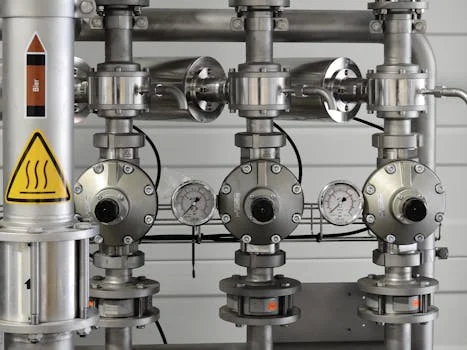
Selecting the right DAF system supplier in Jordan is a critical decision that impacts long-term operational efficiency, compliance, and cost-effectiveness. Key vendor evaluation criteria should prioritize a strong local service network, enabling response times of less than 4 hours for critical issues, and a proven track record of supplying JSMO-certified systems. Vendors with demonstrable case studies in Jordan, particularly within the phosphate, refinery, or food processing sectors, should be highly favored. Technical evaluation should scrutinize system footprint, as space is often constrained in Jordanian industrial sites, and the level of automation offered, with preference for robust PLC-controlled systems over manual operations for enhanced consistency. Chemical compatibility, especially concerning specialized coagulants like DSR for phosphate removal, is another vital technical consideration.
Cost transparency is paramount. Request itemized quotes that clearly delineate costs for equipment, installation, training, and any ongoing service agreements. It is essential to compare not only the initial capital expenditure but also the projected lifecycle costs, including energy consumption, chemical usage, and anticipated maintenance requirements. Red flags to watch out for include a lack of local references or case studies in Jordan, vague guarantees regarding compliance with JSMO standards, or an insufficient spare parts inventory within the country, which can lead to prolonged downtime. A systematic approach, using a structured checklist, ensures a well-informed procurement decision.
| Criterion | Evaluation Points | Importance for Jordan |
|---|---|---|
| Local Presence & Support | Response time, spare parts availability, local technician expertise | High (Critical for minimizing downtime) |
| Jordanian Compliance Certification | JSMO certification, proven performance against local limits | High (Essential for regulatory approval) |
| Relevant Case Studies | Experience in phosphate, refinery, food processing industries in Jordan | High (Demonstrates understanding of local challenges) |
| Technical Design & Customization | Footprint optimization, automation level (PLC), chemical dosing integration | Medium to High (Depends on specific site constraints) |
| Lifecycle Costing | Energy efficiency, chemical consumption, maintenance contracts | High (Impacts long-term profitability) |
| Warranty & After-Sales Service | Duration, coverage, support availability | High (Ensures system longevity) |
Frequently Asked Questions
What are the primary JSMO discharge limits relevant to DAF systems in Jordan?
The key JSMO limits for industrial wastewater discharge include TSS ≤30 mg/L, FOG ≤10 mg/L, and phosphate ≤5 mg/L, as per JSMO 2024 standards.
How does Eshydia Phosphate Mine's DAF system demonstrate the value of phosphate recovery?
The Eshydia Mine case illustrates significant economic benefit by recovering 200 tons of P₂O₅ daily from its wastewater, which was previously lost, alongside saving 9600 m³ of freshwater.
What is the typical cost range for a DAF system in Jordan for 2025 projects?
Capital costs for DAF systems in Jordan for 2025 range from JOD 50,000 for smaller units (10–50 m³/h) to JOD 500,000 for larger, high-capacity systems (200–500 m³/h).
Can DAF systems in Jordan achieve the required phosphate removal rates?
Yes, with appropriate chemical dosing, such as fatty acid-based coagulants (DSR), DAF systems can achieve phosphate removal rates of 80–95%, bringing effluent levels below the JSMO limit of 5 mg/L.
What are the critical design parameters for DAF systems treating Jordanian industrial wastewater?
Key parameters include hydraulic loading rates (2–5 m/h), air-to-solids ratio (0.02–0.06), and flocculation time (5–15 min), which must be tailored to specific influent characteristics like high TSS in phosphate mines or high FOG in refineries.
What should be prioritized when selecting a DAF system supplier in Jordan?
Priorities include a strong local service network, proven experience with JSMO compliance, relevant case studies in Jordan, transparent lifecycle cost analysis, and robust technical support.
Related Equipment
The following HydropureWater products are engineered for the wastewater challenges discussed above:
- DAF systems for Jordanian industrial wastewater — view specifications, capacity range, and technical data
- PLC-controlled chemical dosing for DAF systems in Jordan — view specifications, capacity range, and technical data
Need a customized solution? Request a free quote with your specific flow rate and pollutant parameters.