A major food processing plant in the Midwest was consistently battling elevated fats, oils, and grease (FOG) and total suspended solids (TSS) in its wastewater, leading to recurrent discharge permit violations and hefty fines. Their existing primary clarifier struggled with the low-density organic load, causing operational bottlenecks and increasing their environmental footprint. This real-world challenge highlights a pervasive issue across numerous industrial sectors: effectively treating complex wastewater streams to meet increasingly stringent environmental regulations.
Dissolved air flotation (DAF) is a high-efficiency water treatment process that removes up to 99% of oils, 92-97% of COD, and 95%+ of total suspended solids (TSS) from industrial wastewater. Using micro-bubbles (30-50 μm) generated by saturating water with air at 4-6 bar, DAF systems float contaminants to the surface for skimming, achieving hydraulic loading rates of 5-15 m/h. Proven in food processing (phosphorus/nitrogen removal), oil and gas (hydrocarbons), and mining (metals/minerals), DAF outperforms sedimentation in footprint and chemical use, though it requires precise pH control (6.5-8.5) and coagulant dosing for optimal performance.
How Dissolved Air Flotation Works: Micro-Bubble Physics and Process Flow
Dissolved air flotation (DAF) operates on the fundamental principle of using microscopic air bubbles to attach to and lift suspended solids and low-density contaminants to the water surface for removal. This process is particularly effective for particles that are too light to settle easily by gravity or too small to be efficiently removed by conventional filtration (ScienceDirect, Top 5).
The DAF mechanism involves a three-phase process. First, a portion of the clarified effluent (typically 20-50%) is recycled and saturated with air under high pressure, usually between 4 and 6 bar, in a dedicated saturation tank. Second, this pressurized, air-saturated water is then released through a pressure reduction valve into the DAF tank's influent stream. The sudden drop in pressure causes the dissolved air to precipitate out of solution as billions of tiny micro-bubbles, typically 30-50 μm in diameter. Third, these micro-bubbles rapidly attach to suspended solids, oils, and other contaminants present in the wastewater. The combined density of the bubble-particle aggregate becomes less than that of water, causing the contaminants to rapidly float to the surface, forming a concentrated sludge blanket.
The size of these micro-bubbles is a critical design parameter for DAF removal efficiency. Smaller bubbles, specifically within the 30-50 μm range, provide a significantly larger cumulative surface area for contaminant attachment compared to larger bubbles. This increased contact area enhances the capture of fine suspended solids, emulsified oils, and colloidal particles, enabling DAF systems to achieve up to 99% oil removal (ScienceDirect, Top 5). For example, HydropureWater’s DAF systems for industrial wastewater are engineered to optimize micro-bubble generation for maximum flotation efficiency.
A simplified process flow for a DAF system typically begins with the influent wastewater entering a rapid mix tank where chemical coagulants (e.g., polyaluminum chloride, ferric chloride) and flocculants (e.g., anionic polymers) may be added. This step is crucial for destabilizing colloidal particles and promoting their aggregation into larger, more floatable flocs. The wastewater then proceeds to a slow mix or flocculation tank to allow for proper floc formation. Subsequently, the pre-treated wastewater enters the DAF tank, where the micro-bubble-laden recycle stream is injected. In the flotation zone, the bubble-contaminant aggregates rise to the surface and are continuously removed by a mechanical skimming device. The clarified effluent exits the DAF tank from the bottom, with a portion typically recycled for air saturation, while the remainder proceeds to subsequent treatment stages or discharge. The role of coagulants and flocculants is essential for colloidal particles, common in food processing wastewater, but may be optional or minimized for streams predominantly containing free oils, such as those from oil refineries.
DAF Removal Efficiency: 2025 Benchmarks for Key Contaminants
DAF systems achieve high removal efficiencies for a broad spectrum of industrial wastewater contaminants, with 2025 benchmarks demonstrating up to 99% removal for oils and grease and 97% for chemical oxygen demand (COD). The effectiveness of dissolved air flotation in treating diverse wastewater streams makes it a critical technology for compliance with stringent discharge regulations.
The following table outlines typical removal efficiencies for key contaminants, alongside their corresponding influent concentration ranges and data sources:
| Contaminant | Removal Efficiency | Influent Range | Source |
|---|---|---|---|
| TSS | 95-99% | 50-500 mg/L | EPA 2024, Top 3 |
| COD | 92-97% | 200-1,000 mg/L | Kemco Systems, Top 1 |
| BOD | 85-95% | 100-800 mg/L | Wastewater Digest |
| Oils/Grease | 98-99% | 50-1,000 mg/L | ScienceDirect, Top 5 |
| Phosphorus | 80-90% | 5-50 mg/L | Food Industry Data |
| Metals (e.g., Cu, Zn) | 70-90% | 1-100 mg/L | Mining Industry Data |
It is important to understand that these removal rates can vary based on several critical operational and influent parameters. Influent concentration significantly impacts performance; for instance, higher initial FOG concentrations might still yield high percentage removal but require optimized chemical dosing. pH control is paramount, with an optimal range typically between 6.5 and 8.5 for most industrial applications, as it influences coagulant effectiveness and bubble-particle interaction. The type and dose of coagulants and flocculants are also crucial, particularly for wastewater with high concentrations of colloidal particles or emulsified oils. the hydraulic loading rate, typically ranging from 5 to 15 m/h, directly affects the contact time and thus the overall removal efficiency, where higher rates may necessitate more aggressive chemical treatment or larger DAF tank volumes.
DAF's inherent strength lies in its ability to outperform conventional sedimentation for low-density contaminants such as oils, grease, and algae, which naturally resist gravitational settling. While DAF can effectively remove a wide range of contaminants, it often requires precise chemical dosing to achieve maximum efficiency, especially for fine colloidal particles that do not readily float or settle on their own. This targeted chemical use helps ensure the DAF system can consistently meet demanding discharge limits for various pollutants.
Industry-Specific DAF Applications: Hydraulic Loading Rates and Design Parameters
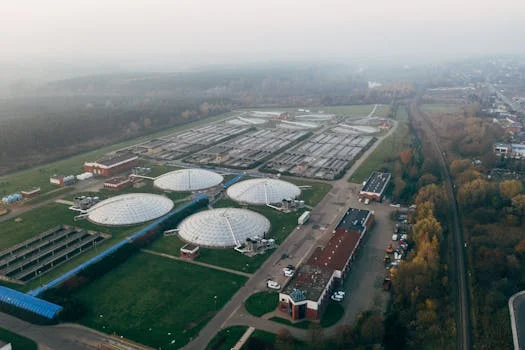
Industrial applications of dissolved air flotation (DAF) require tailored design parameters, with hydraulic loading rates ranging from 4-15 m/h depending on the specific wastewater characteristics and target contaminants of each sector. Optimizing these parameters is key to achieving consistent compliance and operational efficiency.
The following table details industry-specific DAF applications, highlighting target contaminants, typical hydraulic loading rates, and key design considerations:
| Industry | Target Contaminants | Hydraulic Loading (m/h) | Key Design Parameters |
|---|---|---|---|
| Food Processing | FOG, TSS, phosphorus, nitrogen | 5-8 | pH 6.5-7.5, coagulant: PAC or FeCl₃ |
| Oil & Gas | Free oils, hydrocarbons, TSS | 8-12 | pH 7-8, no coagulant for free oils |
| Pulp & Paper | Fibers, TSS, COD | 6-10 | pH 6-8, flocculant: anionic polymer |
| Mining | Metals, minerals, TSS | 4-7 | pH 7-9, coagulant: lime or alum |
| Municipal WWTP | TSS, BOD, algae | 7-15 | pH 6.5-8.5, coagulant: alum or PAC |
| Textile | Dyes, TSS, COD | 5-9 | pH 6-7, coagulant: cationic polymer |
The hydraulic loading rate (HLR) directly influences the DAF system's footprint and its ability to process wastewater. Higher HLRs, such as 15 m/h for certain municipal applications, allow for smaller DAF tank sizes, reducing capital costs and land requirements. However, very high HLRs can reduce the contact time between bubbles and particles, potentially leading to lower removal efficiency for very fine or difficult-to-float particles. Conversely, lower HLRs (e.g., 4-7 m/h for mining wastewater) are often necessary for complex streams with high solids concentrations or specific metal precipitation requirements, ensuring adequate retention time for flotation.
Each industry presents unique challenges for DAF system design and operation. For example, food processing wastewater, characterized by high concentrations of FOG and organic matter, requires frequent cleaning cycles to prevent FOG buildup and maintain optimal performance. The presence of FOG can lead to fouling of air diffusers and skimming mechanisms if not properly managed. In the mining industry, DAF systems are often employed for metal removal, which necessitates precise pH adjustment (e.g., using lime or caustic) to precipitate dissolved metals before flotation. Similarly, textile wastewater often contains complex dyes and high COD, requiring specific cationic polymers to achieve effective flocculation and color removal.
Regardless of the industry, proper pretreatment is critical for all DAF applications. Primary screening, typically with openings between 1 and 3 mm, is essential to remove large debris, rags, and coarse solids. This pretreatment step prevents clogging of the micro-bubble nozzles, pumps, and other internal components, safeguarding the DAF system's longevity and consistent operation. HydropureWater’s DAF systems for industrial wastewater are designed with these diverse industrial demands in mind, offering robust performance across various applications.
DAF vs. Sedimentation: 2025 Engineering Comparison for Industrial Wastewater
Comparing dissolved air flotation (DAF) against conventional sedimentation for industrial wastewater treatment reveals DAF’s superior efficiency for low-density contaminants and significantly smaller footprint, while sedimentation offers lower energy consumption for high-density particle removal. The choice between these two primary treatment technologies hinges on specific wastewater characteristics, space constraints, and target effluent quality.
The following table provides a detailed engineering comparison of DAF and sedimentation across key performance and operational parameters:
| Parameter | DAF | Sedimentation | Source |
|---|---|---|---|
| TSS Removal | 95-99% | 80-90% | EPA 2024 |
| Oil/Grease Removal | 98-99% | 50-70% | ScienceDirect |
| Footprint | 30-50% smaller | Larger (longer retention time) | Top 3, Wastewater Digest |
| Hydraulic Loading | 5-15 m/h | 0.5-1.5 m/h | Top 3 |
| Chemical Use | Moderate (coagulants) | High (coagulants + flocculants) | Kemco Systems |
| Sludge Volume | 2-5% of influent | 5-10% of influent | Mining Industry Data |
| Energy Use | 0.2-0.5 kWh/m³ | 0.1-0.3 kWh/m³ | Top 1 |
| Capital Cost (100 m³/h) | $150,000-$300,000 | $100,000-$200,000 | 2025 Market Data |
DAF is typically the preferred choice when dealing with wastewater streams containing low-density contaminants like emulsified oils, fats, grease, and algae, which are difficult to settle by gravity. Its higher hydraulic loading rates translate to a significantly smaller physical footprint (30-50% less space required than a comparable sedimentation tank), making it ideal for facilities with limited land availability. DAF systems consistently achieve higher removal efficiencies for TSS (95-99%) and oils/grease (98-99%), crucial for meeting stringent discharge limits or preparing water for reuse. For a detailed comparison of DAF and sedimentation for industrial wastewater, refer to our dedicated article.
Conversely, sedimentation systems are generally more suitable for wastewater streams dominated by high-density, rapidly settling particles such as sand, grit, and heavy metal precipitates. They typically have lower capital costs for simpler applications and consume less energy per cubic meter of treated water. While sedimentation can be effective for primary treatment of municipal wastewater or industrial streams with readily settleable solids, its efficiency drops significantly for low-density or colloidal particles, often requiring substantial chemical addition to enhance flocculation.
In some complex industrial applications, hybrid systems are employed where DAF can serve as a secondary clarifier following an initial sedimentation stage, or vice versa. This approach leverages the strengths of both technologies, for example, using sedimentation to remove bulk settleable solids, then DAF to polish the effluent by removing fine suspended solids and residual oils. This integrated approach can optimize overall treatment efficiency and cost-effectiveness for challenging wastewater streams.
DAF System Costs: 2025 CAPEX, OPEX, and ROI by Flow Rate
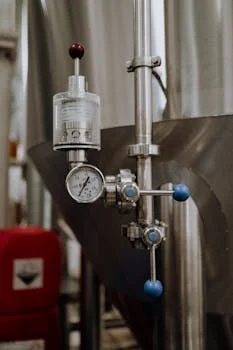
The total cost of ownership for a Dissolved Air Flotation (DAF) system in 2025 ranges from $50,000 for small-scale units to over $600,000 for large industrial applications, with operational expenses typically between $0.05 and $0.30 per cubic meter of treated wastewater. These costs are influenced by flow rate, contaminant load, and required effluent quality.
The following table provides estimated CAPEX (Capital Expenditure), OPEX (Operational Expenditure), and typical payback periods for DAF systems based on flow rate (2025 USD):
| Flow Rate (m³/h) | CAPEX Range | OPEX (per m³) | Payback Period (years) | Notes |
|---|---|---|---|---|
| 10 | $50,000-$80,000 | $0.15-$0.30 | 3-5 | Small food processing plants |
| 50 | $120,000-$200,000 | $0.10-$0.20 | 2-4 | Medium industrial facilities |
| 100 | $200,000-$350,000 | $0.08-$0.15 | 1.5-3 | Large municipal WWTPs |
| 200 | $350,000-$600,000 | $0.05-$0.10 | 1-2 | Oil refineries, mining |
Capital Expenditure (CAPEX) for a DAF system typically breaks down as follows: approximately 60% for the core equipment (DAF tank, saturation system, pumps, skimmer), 20% for installation (piping, electrical, structural), 10% for civil works (foundation, concrete pad), and 10% for commissioning and startup. These percentages can vary based on site-specific conditions and project complexity.
Operational Expenditure (OPEX) is a critical factor in the long-term cost-effectiveness of a DAF system. Energy consumption, primarily for the air compressor and recycle pump, accounts for roughly 40% of OPEX. Chemical costs (coagulants, flocculants, pH adjusters) typically represent 30%, while maintenance (spare parts, routine checks) is around 20%, and labor for operation and monitoring makes up the remaining 10%. These figures highlight the importance of optimizing chemical dosing and energy efficiency.
The Return on Investment (ROI) for DAF systems is driven by several factors. Significant savings can be realized through reduced discharge fees, as improved effluent quality prevents penalties for exceeding permit limits. Water reuse initiatives, enabled by DAF's high-quality effluent, can lead to substantial savings on fresh water procurement. avoiding costly compliance fines and potential operational shutdowns due to environmental violations contributes directly to the DAF system's rapid payback period. Modular DAF systems, which are pre-fabricated and skid-mounted, can further reduce CAPEX by 15-20% and shorten installation time by up to 30%, offering a faster path to operational benefits.
Common DAF Operational Challenges and Troubleshooting
Effective troubleshooting of dissolved air flotation (DAF) systems is crucial for maintaining optimal performance, with common issues ranging from poor flotation efficiency due to incorrect pH or chemical dosing, to high energy consumption from inefficient air compressors. Proactive identification and resolution of these challenges can prevent costly downtime and ensure consistent effluent quality.
- Symptom: Poor flotation (contaminants not rising to surface).
- Causes: (1) pH outside the optimal 6.5-8.5 range, affecting chemical efficacy; (2) insufficient or incorrect coagulant/flocculant dose, leading to poor floc formation; (3) bubble size significantly larger than 50 μm, reducing surface area for attachment; (4) influent TSS or FOG concentration exceeding design limits (e.g., influent TSS >500 mg/L).
- Fixes: (1) Adjust pH using automated chemical dosing for DAF systems with NaOH or H₂SO₄; (2) Conduct regular jar tests to optimize coagulant type and dose for current influent conditions; (3) Check air saturation pressure (should be 4-6 bar) and nozzle condition to ensure proper micro-bubble generation; (4) Implement or improve upstream pretreatment, such as screening or equalization, to manage influent variability.
- Symptom: Excessive chemical use.
- Causes: (1) Overdosing coagulant or flocculant; (2) Unstable influent pH causing fluctuations in chemical demand; (3) High variability in influent flow rate or contaminant load.
- Fixes: (1) Install online pH and TSS meters to provide real-time data for precise chemical control; (2) Utilize automated dosing pumps linked to real-time sensors to adjust chemical feed rates dynamically; (3) Implement an equalization tank to buffer influent flow and concentration, reducing sudden spikes.
- Symptom: High energy consumption.
- Causes: (1) Inefficient or oversized air compressor; (2) Clogged micro-bubble nozzles or air diffusers, requiring higher pressure to maintain flow.
- Fixes: (1) Upgrade to variable-speed drive (VSD) compressors to match air demand to process needs; (2) Clean nozzles weekly or as needed with a mild acid solution (e.g., citric acid) to prevent mineral scaling or FOG buildup.
- Symptom: Sludge accumulation in tank bottom.
- Causes: (1) Insufficient skimming frequency or speed, allowing floated sludge to settle; (2) Extremely high FOG load, particularly common in food processing wastewater, overwhelming the skimming mechanism.
- Fixes: (1) Increase the skimming frequency or adjust skimmer speed to ensure continuous removal of the sludge blanket; (2) For high FOG loads, consider adding FOG-specific enzymes or surfactants in pretreatment, or implement a dedicated FOG removal step prior to DAF.
Frequently Asked Questions
Addressing common inquiries about Dissolved Air Flotation (DAF) systems provides clarity on their cost-effectiveness, operational considerations, and fundamental differences from alternative treatment technologies.
Q: How much does a DAF system cost?
A: DAF system costs range from $50,000 for a 10 m³/h unit to $600,000 for a 200 m³/h system (2025 USD). CAPEX includes equipment, installation, and civil works, while OPEX covers energy ($0.05-$0.30/m³), chemicals, and maintenance. Payback periods are typically 1-5 years, driven by reduced discharge fees and water reuse savings.
Q: What are the disadvantages of dissolved air flotation?
A: Key disadvantages include: (1) higher energy use than sedimentation (0.2-0.5 kWh/m³ vs. 0.1-0.3 kWh/m³), (2) sensitivity to pH (optimal 6.5-8.5), (3) chemical dependency for colloidal particles, (4) fouling risk from oils/grease (requires frequent cleaning), and (5) higher CAPEX than sedimentation for simple applications.
Q: What is the difference between a clarifier and a DAF?
A: Clarifiers use gravity sedimentation to settle dense particles (e.g., sand, grit), while DAF uses micro-bubbles to float low-density contaminants (e.g., oils, algae). DAF achieves higher removal rates for TSS (95-99% vs. 80-90%) and oils (98-99% vs. 50-70%) but has a smaller footprint (30-50% less) and higher energy use. Clarifiers are better for high-density particles; DAF is better for emulsified oils and fine solids.
Q: How often should a DAF be drained and cleaned?
A: DAF tanks should be drained and cleaned every 3-6 months for most applications, but high-FOG loads (e.g., food processing) may require monthly cleaning. Signs of needed cleaning include: (1) reduced flotation efficiency, (2) sludge accumulation >20 cm, (3) foul odors, or (4) increased chemical use. Use citric acid or enzymatic cleaners for FOG buildup.
Related Equipment
- HydropureWater’s DAF systems for industrial wastewater — view specifications, capacity range, and technical data
- automated chemical dosing for DAF systems — view specifications, capacity range, and technical data
Need a customized solution? Request a free quote with your specific flow rate and pollutant parameters.