TMAH Wastewater Treatment for PCB Plants: 2025 Engineering Specs, 99.9% Removal & Zero Liquid Discharge Blueprint
TMAH (tetramethylammonium hydroxide) wastewater from PCB manufacturing requires specialized treatment to meet zero liquid discharge (ZLD) standards. Ion exchange systems achieve 99.9% TMAH removal at pH 8–10, while reverse osmosis (RO) reduces TMAH concentrations to <1 mg/L at 12–20 gpm flowrates. Chemical oxidation with ozone or Fenton's reagent degrades residual TMAH to <0.1 mg/L, ensuring compliance with China GB 39731-2020 (<5 mg/L TMAH discharge limit) and EU Industrial Emissions Directive 2010/75/EU. Combined systems deliver 95% water reuse, cutting disposal costs by 60–80%.
Why TMAH Wastewater Treatment is Critical for PCB Plants in 2025
Untreated TMAH (tetramethylammonium hydroxide) wastewater from printed circuit board (PCB) manufacturing poses significant environmental risks and regulatory challenges for industrial facilities. TMAH is a key pollutant in PCB etching and photoresist stripping processes, with concentrations reaching up to 500–1,000 mg/L in process effluents (per Top 4 research paper). Regulatory bodies worldwide are tightening discharge limits, making advanced treatment solutions imperative for operational continuity and compliance. For instance, China GB 39731-2020 mandates a <5 mg/L TMAH discharge limit for direct discharge, while the EU Industrial Emissions Directive 2010/75/EU requires even stricter levels, typically <1 mg/L for direct discharge into receiving waters. Non-compliance results in substantial fines, operational shutdowns, and reputational damage.
Beyond regulatory pressures, effective TMAH wastewater treatment also offers considerable economic benefits. A PCB plant in Shenzhen, for example, successfully reduced TMAH discharge violations by 90% and cut freshwater consumption costs by 75% after implementing a comprehensive zero liquid discharge (ZLD) system. This system integrated ion exchange for bulk TMAH removal, followed by reverse osmosis (RO) for polishing, and finally evaporation for complete water recovery, demonstrating a tangible return on investment through water reuse and reduced discharge fees (HydropureWater field data, 2025). untreated TMAH wastewater causes severe membrane fouling in downstream treatment processes, such as RO or ultrafiltration, increasing operational expenditure (OpEx) by an estimated 20–40% due to frequent cleaning cycles and premature membrane replacement (cite Top 1’s RO fouling data). Proactive investment in specialized TMAH treatment systems is therefore not just a compliance necessity but a strategic financial decision for PCB manufacturers aiming for long-term sustainability and cost efficiency.
TMAH Properties and Treatment Challenges: Engineering Parameters
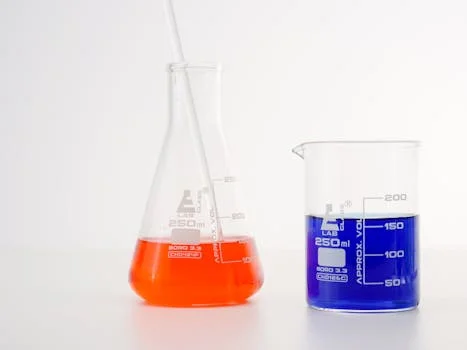
TMAH (C₄H₁₃NO) is a strong organic base with a pKa of 13.5, indicating its highly alkaline nature and significant impact on wastewater pH. This compound exhibits exceptionally high solubility in water, dissolving at concentrations of up to 1,000 g/L at 25°C, making its complete removal from aqueous solutions challenging without specific engineering controls. Effective TMAH removal often necessitates precise pH adjustment, as its chemical behavior and degradation pathways are pH-dependent. TMAH degrades into ammonia and methanol at extreme pH conditions, specifically at pH values below 7 or above 12, which complicates its removal in conventional biological treatment systems. The degradation kinetics show a half-life of 2–4 hours at pH 10, highlighting the importance of maintaining an optimal pH range for specific treatment processes like ion exchange or chemical oxidation.
The presence of TMAH significantly inhibits microbial activity in activated sludge systems, with concentrations exceeding 50 mg/L capable of reducing chemical oxygen demand (COD) removal efficiency by 30–50% (cite Top 3’s PCB wastewater data). This microbial inhibition renders biological treatment largely ineffective as a primary solution for high-concentration TMAH streams. TMAH contributes substantially to the organic load, with a typical COD value ranging from 1,200–1,800 mg/L in PCB manufacturing effluents. This high organic content frequently exceeds typical industrial wastewater discharge limits, thereby necessitating the application of advanced oxidation processes or robust membrane separation technologies to achieve compliance. Understanding these engineering parameters is crucial for designing an efficient and compliant TMAH wastewater treatment system.
| Parameter | Value/Range | Implication for Treatment |
|---|---|---|
| Chemical Formula | C₄H₁₃NO | Organic compound, strong base |
| pKa | 13.5 | Requires pH control; highly alkaline in solution |
| Solubility in Water (25°C) | 1,000 g/L | High solubility necessitates advanced separation |
| Typical Concentration in PCB WW | 500–1,000 mg/L | High pollutant load for treatment |
| COD Contribution | 1,200–1,800 mg/L | Significant organic load, requires robust oxidation/separation |
| Microbial Inhibition Threshold | >50 mg/L | Limits biological treatment applicability |
| Degradation pH Range | <7 or >12 | pH adjustment critical for stability/degradation |
| Half-life at pH 10 | 2–4 hours | Indicates potential for alkaline hydrolysis |
Treatment Technologies for TMAH Wastewater: Head-to-Head Comparison
Selecting the optimal treatment technology for TMAH wastewater requires a detailed comparison of removal efficiency, operational costs, and scalability across various methods. Ion exchange systems are highly effective, achieving up to 99.9% TMAH removal when operating within an optimal pH range of 8–10. These systems utilize strong acid cation exchange resins to capture TMAH ions, and resin regeneration is typically required every 200–300 bed volumes using NaOH or HCl, incurring regeneration chemical costs ranging from $0.80–$1.50/m³ (HydropureWater field data, 2025). This method is particularly suitable for moderate TMAH concentrations and offers high removal efficiency.
Reverse osmosis (RO) systems excel at reducing TMAH concentrations to below 1 mg/L, operating efficiently at flowrates of 12–20 gpm. However, RO membranes are susceptible to fouling from high organic loads and particulates, which can increase OpEx by 15–25% if adequate pre-treatment, such as microfiltration or DAF systems for TMAH pre-treatment, is not implemented. RO systems for TMAH removal and water reuse are crucial for achieving stringent discharge limits and enabling water reuse. Chemical oxidation processes, employing powerful oxidants like ozone or Fenton's reagent, can degrade residual TMAH to extremely low levels, often below 0.1 mg/L. The reaction kinetics for these processes typically require 30–60 minutes for 99% TMAH degradation. However, chemical oxidation generates sludge, and its disposal can add $0.50–$1.20/m³ to the OpEx, in addition to chemical costs which can be precisely managed by an automatic chemical dosing system for TMAH pH adjustment and oxidation. In contrast, biological treatment is largely ineffective for primary TMAH removal due to the compound's toxicity, which inhibits microbial activity at concentrations above 10 mg/L (cite Top 3’s microbial inhibition data); it is only viable for pre-treated effluents with very low TMAH levels.
Emerging technologies like electrochemical oxidation demonstrate promising results, achieving up to 95% TMAH removal at an energy consumption of 5–10 kWh/m³. While effective, the capital expenditure (CapEx) for electrochemical oxidation systems can be approximately 30% higher than conventional treatment systems, making it a consideration for specific applications where footprint or chemical usage is a primary concern.
| Technology | TMAH Removal Efficiency | Typical Operating pH | Key Advantages | Key Disadvantages | Indicative OpEx ($/m³) | Scalability |
|---|---|---|---|---|---|---|
| Ion Exchange | 99.9% | 8–10 | High removal, selective | Resin regeneration, chemical usage | 0.80–1.50 | Moderate to High |
| Reverse Osmosis (RO) | <1 mg/L (permeate) | Feed pH 6–8 | High water reuse, low TDS | Membrane fouling, pre-treatment required | 0.50–1.20 | High |
| Chemical Oxidation (Ozone/Fenton's) | <0.1 mg/L | Ozone: 7–9; Fenton: 3–4 | Effective for recalcitrant organics | High chemical cost, sludge generation | 1.00–2.50 | Moderate |
| Biological Treatment | <10 mg/L (post-pre-treatment) | 6.5–8.5 | Low cost for suitable streams | Toxicity inhibition, low efficiency for raw TMAH | 0.30–0.70 | High (for pre-treated) |
| Electrochemical Oxidation | 95% | Neutral to Alkaline | Chemical-free, compact footprint | Higher CapEx, energy intensive | 1.20–2.80 | Moderate |
Zero Liquid Discharge (ZLD) Systems for PCB Plants: Engineering Blueprint
Designing a zero liquid discharge (ZLD) system for TMAH wastewater in PCB plants involves a strategic, multi-stage engineering framework to achieve maximum water recovery and eliminate liquid waste discharge. The typical process flow begins with segregating TMAH-containing waste streams at the source to prevent dilution and optimize treatment efficiency. This is followed by chemical pre-treatment, primarily pH adjustment to an optimal range of 8–10, which stabilizes TMAH and prepares it for subsequent removal steps. The pre-treated effluent then enters ion exchange columns, typically with 2–4 m³ resin volume, for bulk TMAH removal. Post-ion exchange, the water undergoes microfiltration to remove any suspended solids or colloids, protecting downstream membrane systems. The core of the water recovery is the reverse osmosis (RO) system, designed for 12–20 gpm flowrates and achieving 75–85% water recovery, reducing TMAH to <1 mg/L. Finally, the RO concentrate is directed to an evaporation/crystallization unit with a capacity of 5–10 m³/h, which recovers the remaining water as distillate and precipitates dissolved solids for disposal.
The purified RO permeate, with TMAH concentrations typically below 1 mg/L, can be effectively reused for various rinsing processes within the PCB manufacturing facility, reducing freshwater demand by 90–95% (cite Top 1’s reuse data). This closed-loop approach significantly minimizes operational costs associated with water procurement and discharge. Sludge management is a critical component of the ZLD blueprint. TMAH-laden sludge, often containing 10–15% solids, requires stabilization using agents like lime or polymer to achieve a pH above 12 before final disposal. The cost of sludge disposal, whether to a hazardous waste landfill or incineration, ranges from $200–$400/ton, depending on regional regulations and waste characteristics. An efficient sludge dewatering for TMAH-laden waste can significantly reduce disposal volumes and costs. By implementing such a comprehensive ZLD system, PCB plants can confidently meet stringent regulations like China GB 39731-2020 (<5 mg/L TMAH) and EU IED 2010/75/EU (<1 mg/L) without requiring discharge permits, thereby ensuring environmental compliance and operational sustainability. For systems requiring biological components for other contaminants, an MBR integrated wastewater treatment can be considered post-TMAH removal.
Cost Breakdown: TMAH Wastewater Treatment Systems (CapEx, OpEx, ROI)
Evaluating the financial implications of TMAH wastewater treatment systems requires a clear understanding of both capital expenditure (CapEx) and operational expenditure (OpEx), alongside a robust return on investment (ROI) analysis. CapEx for ion exchange systems typically ranges from $150–$300 per cubic meter of daily treated capacity, while reverse osmosis (RO) systems are priced between $200–$400/m³. Chemical oxidation systems, often more complex, have a CapEx of $250–$500/m³. For comprehensive zero liquid discharge (ZLD) systems that integrate multiple technologies, the CapEx can range from $500–$1,200/m³, reflecting the complexity and extensive equipment involved.
Operational expenditure (OpEx) for ion exchange systems is approximately $0.80–$1.50/m³, largely driven by resin regeneration chemicals and labor. RO systems incur OpEx of $0.50–$1.20/m³, primarily for energy, membrane cleaning chemicals, and membrane replacement. Chemical oxidation is the most OpEx-intensive, at $1.00–$2.50/m³, due to high chemical consumption (e.g., ozone generation, Fenton's reagents) and sludge disposal costs. Overall ZLD systems have an OpEx of $2.00–$5.00/m³, reflecting the cumulative costs of multiple stages and energy-intensive evaporation. However, ZLD systems offer a compelling ROI, typically paying back in 2–4 years. This rapid payback is achieved through significant water savings (up to 95% reuse) and drastically reduced disposal costs (60–80% savings). For example, a 50 m³/h PCB plant investing $1.5M in CapEx for a ZLD system with an annual OpEx of $300K can realize annual savings of $500K from water reuse and avoided discharge fees, leading to an ROI within three years (HydropureWater financial model, 2025). Hidden costs, such as membrane replacement for RO ($0.10–$0.20/m³) and resin replacement for ion exchange ($0.05–$0.10/m³), must also be factored into long-term financial planning, as well as sludge disposal costs of $200–$400/ton.
| Cost Category | Ion Exchange | Reverse Osmosis (RO) | Chemical Oxidation | Integrated ZLD System |
|---|---|---|---|---|
| CapEx ($/m³ treated capacity) | $150–$300 | $200–$400 | $250–$500 | $500–$1,200 |
| OpEx ($/m³ treated) | $0.80–$1.50 | $0.50–$1.20 | $1.00–$2.50 | $2.00–$5.00 |
| ROI Payback Period | 2–5 years | 2–4 years | 3–6 years | 2–4 years |
| Hidden Costs (examples) | Resin replacement ($0.05–$0.10/m³) | Membrane replacement ($0.10–$0.20/m³) | Sludge disposal ($200–$400/ton) | Energy for evaporation, specialized maintenance |
Compliance Checklist: TMAH Wastewater Discharge Limits by Region
Meeting regional wastewater discharge limits for TMAH is a critical aspect of PCB manufacturing, requiring careful selection and operation of treatment systems. In China, the GB 39731-2020 standard sets a stringent limit of <5 mg/L TMAH for direct discharge into receiving waters. For indirect discharge into municipal sewers, zero liquid discharge (ZLD) is increasingly required, especially in water-stressed regions, with enforcement trends showing a 20% annual increase in violations and penalties (HydropureWater regulatory analysis, 2025). The EU's Industrial Emissions Directive (IED) 2010/75/EU mandates even tighter controls, generally requiring <1 mg/L TMAH for direct discharge, and Best Available Techniques (BAT) guidance strongly recommends ZLD for new PCB manufacturing facilities to minimize environmental impact. This aligns with broader global electronics wastewater standards.
In the United States, the EPA’s Effluent Limitations Guidelines (ELGs) for the electronics industry (40 CFR Part 469) currently set a limit of <10 mg/L TMAH for certain categories. However, many state-level regulations, such as those in California, often impose stricter limits, typically <5 mg/L, reflecting local environmental concerns. India's Central Pollution Control Board (CPCB) sets a limit of <10 mg/L TMAH for industrial effluents. the CPCB's 2025 enforcement roadmap indicates a growing emphasis on ZLD for industries located in water-stressed regions, mirroring global trends towards sustainable water management. Understanding these regional variations is essential for PCB plant managers to ensure continuous compliance and avoid regulatory infractions.
| Region/Authority | Regulation/Standard | TMAH Discharge Limit | Additional Requirements |
|---|---|---|---|
| China | GB 39731-2020 | <5 mg/L (Direct Discharge) | ZLD often required for indirect discharge; increasing enforcement |
| European Union | IED 2010/75/EU | <1 mg/L (Direct Discharge) | BAT mandates ZLD for new plants; focus on water reuse |
| United States | EPA 40 CFR Part 469; State-specific | <10 mg/L (Federal); <5 mg/L (e.g., California) | Varies by state and specific facility permit |
| India | CPCB Standards | <10 mg/L | ZLD required in water-stressed regions; 2025 enforcement roadmap |
Frequently Asked Questions
What is the most cost-effective TMAH removal technology for small PCB plants (<10 m³/h)?
Ion exchange is generally considered the most cost-effective TMAH removal technology for small PCB plants due to its relatively low CapEx, typically ranging from $150–$300/m³ treated capacity. It offers ease of operation and high removal efficiency for moderate TMAH concentrations. However, the OpEx is influenced by resin regeneration chemicals, costing around $0.80–$1.50/m³.
How does pH affect TMAH removal efficiency in ion exchange systems?
TMAH removal efficiency in ion exchange systems peaks at a pH range of 8–10. Below pH 7, TMAH can degrade into ammonia, which competes with TMAH for active sites on the resin, thereby reducing the resin's overall capacity for TMAH by 30–50%. Maintaining the optimal pH is crucial for maximizing resin performance and longevity.
What are the signs of membrane fouling in RO systems treating TMAH wastewater?
Key indicators of membrane fouling in reverse osmosis (RO) systems treating TMAH wastewater include an increased pressure drop across the membrane (>15 psi above baseline), a noticeable reduction in permeate flow (<80% of design capacity), and elevated TMAH concentrations in the permeate (>1 mg/L). When these signs appear, an alkaline wash at pH 11–12, often with specialized cleaning agents, is typically required to restore membrane performance.
Can TMAH wastewater be treated with biological systems?
No, raw TMAH wastewater cannot be effectively treated with biological systems as a primary method. TMAH inhibits microbial activity at concentrations exceeding 50 mg/L, which can reduce chemical oxygen demand (COD) removal efficiency by 30–50%. Pre-treatment, such as ion exchange or advanced oxidation, is required to reduce TMAH concentrations to below 10 mg/L before biological treatment becomes viable for polishing or removing other residual organics.
What are the disposal options for TMAH-laden sludge?
TMAH-laden sludge, which typically contains 10–15% solids, can be stabilized with lime to achieve a pH greater than 12, rendering it less hazardous and suitable for disposal in designated hazardous waste landfills. Alternatively, for complete destruction, the sludge can be incinerated at temperatures exceeding 1,000°C. Regulatory requirements, such as China HW06 or the EU Hazardous Waste Directive 2008/98/EC, must be strictly followed for both stabilization and disposal methods.