Why Kentucky’s Wastewater Costs Are Unique: Geology, Regulations, and Funding
In Kentucky, wastewater treatment plant costs in 2025 range from $300,000 for a 20,000 GPD package plant to $15M for a 5 MGD municipal system, with CAPEX split 30% civil, 25% equipment, and 15% engineering. OPEX averages $0.80–$2.50 per 1,000 gallons, driven by Kentucky’s $0.15–$0.40/kWh energy costs and $12–$25/ton sludge disposal fees. The Kentucky WWATERS program (House Bill 563) offers funding for systems serving <10,000 people, reducing upfront costs by 30–50% for eligible projects.
Kentucky’s unique geological makeup and regulatory environment significantly influence wastewater treatment plant costs. Approximately 40% of the state’s landmass is karst topography, characterized by soluble bedrock like limestone and dolomite. This geological feature increases civil engineering costs by an estimated 15–20% due to the inherent risks associated with sinkholes, underground caves, and unstable soil conditions, as highlighted in the Kentucky Division of Water (KDOW) 2024 geotechnical guidelines. the prevalent clay soils, particularly in western Kentucky, exhibit poor drainage and filtration capabilities. This reduces the efficiency of traditional septic systems to only 50–70% BOD removal, often necessitating upgrades to more robust package plants or connections to municipal sewer systems, as indicated by industry data.
Compliance with stringent wastewater discharge standards adds another layer of complexity and cost. The Ohio River Valley Water Sanitation Commission (ORSANCO) mandates strict nutrient limits, typically requiring total nitrogen (TN) below 3 mg/L and total phosphorus (TP) below 0.3 mg/L. Meeting these advanced limits for a 1 MGD plant often necessitates tertiary treatment processes, which can add $500,000 to $1.2 million to the capital expenditure. To alleviate these financial burdens, the Kentucky WWATERS program, established by House Bill 563, provides crucial financial assistance. This program offers 30–50% CAPEX funding for eligible public water and wastewater systems serving fewer than 10,000 people, with a priority for projects in Appalachian and western Kentucky counties. For context on large-scale infrastructure investments, Louisville’s Waterway Protection Tunnel project, a $200 million initiative, successfully reduced combined sewer overflow (CSO) events by 98%, demonstrating the significant financial commitments required for comprehensive wet weather management in urban areas.
| Factor | Impact on Cost | Notes |
|---|---|---|
| Karst Topography | +15–20% Civil Costs | Increased foundation and excavation complexity, sinkhole mitigation. (KDOW 2024 Geotechnical Guidelines) |
| Clay Soils | Reduced Septic Efficiency (50–70% BOD Removal) | Drives need for advanced treatment or sewer connections. (Industry Benchmarks) |
| ORSANCO Nutrient Limits (TN <3 mg/L, TP <0.3 mg/L) | +$500K–$1.2M for 1 MGD Plant | Requires tertiary treatment for compliance. |
| WWATERS Program Funding | -30–50% CAPEX | For systems serving <10,000 people; priority for specific regions. (HB 563) |
| Louisville CSO Reduction Project | $200M Total Investment | Illustrates scale of wet weather management costs. |
Wastewater Treatment Plant Costs in Kentucky: CAPEX Breakdown by Technology
Capital expenditure (CAPEX) for wastewater treatment plants in Kentucky varies significantly based on the chosen technology, with factors like site geology, permitting requirements, and regional labor rates influencing the final price. For a 1–5 MGD plant in Kentucky, the typical CAPEX allocation remains consistent with national averages: approximately 30% for civil work, 25% for equipment, and 15% for engineering and design, with the remaining 30% covering contingency, permitting, and site preparation.
Membrane Bioreactor (MBR) systems, while offering superior effluent quality and a significantly reduced footprint (up to 60% smaller), command a higher CAPEX, ranging from $4.2 million to $6.5 million per MGD. The inclusion of advanced Polyvinylidene Fluoride (PVDF) membranes can add an additional $1.2 million to $1.8 million per MGD to the initial investment but contributes to the system’s longevity and performance.
Dissolved Air Flotation (DAF) systems are primarily utilized for industrial pretreatment, particularly in sectors like food processing prevalent in the Louisville area. These systems can cost between $2.1 million and $3.3 million per MGD and are highly effective at removing up to 95% of fats, oils, and grease (FOG) and suspended solids.
Conventional activated sludge systems generally represent the lowest CAPEX option among advanced biological treatment methods, typically ranging from $1.7 million to $2.8 million per MGD. However, these systems require substantial secondary clarifiers, which can add $300,000 to $500,000 to the cost, especially when accounting for the challenges presented by Kentucky’s clay soils in foundation design and settling performance.
For smaller flow rates, such as those found in mobile home parks, schools, or remote industrial sites, the WSZ series underground integrated sewage treatment plants offer a cost-effective solution. These package plants, priced between $15 to $25 per GPD, can range from $300,000 to $500,000 for a 20,000 GPD capacity. Permitting through the KDOW is a critical step, with associated costs ranging from $50,000 to $150,000, and an estimated timeline of 6 to 12 months, as per the KDOW 2024 fee schedule.
| Technology | CAPEX per MGD (Approx.) | Key Cost Drivers / Benefits |
|---|---|---|
| MBR Systems | $4.2M – $6.5M | High effluent quality, small footprint. PVDF membranes add $1.2M–$1.8M/MGD. |
| DAF Systems (Industrial Pretreatment) | $2.1M – $3.3M | 95% FOG removal, ideal for food processing in Louisville. |
| Activated Sludge | $1.7M – $2.8M | Lowest CAPEX for biological treatment; requires secondary clarifiers ($300K–$500K add-on). |
| WSZ Package Plants (20,000 GPD) | $15 – $25 per GPD ($300K–$500K) | Cost-effective for decentralized sites, rapid deployment. |
| Permitting (KDOW) | $50K – $150K | 6–12 month timeline. (KDOW 2024 Fee Schedule) |
For industrial facilities requiring targeted FOG removal, HydropureWater's DAF systems for Kentucky’s industrial pretreatment needs offer a robust solution. Similarly, those prioritizing water reuse or facing significant space constraints will find the MBR systems for Kentucky’s water reuse projects to be technologically advanced and space-efficient. For decentralized needs, the WSZ series package plants for Kentucky’s rural sites provide an integrated and compliant treatment option.
Operating Costs in Kentucky: OPEX by System Type and Region
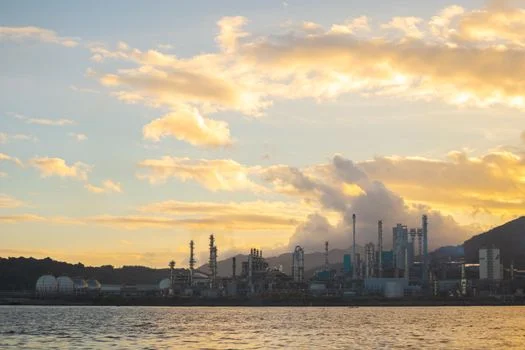
Operating expenses (OPEX) for wastewater treatment plants in Kentucky are a critical consideration for long-term budgeting, with significant variations driven by regional energy costs, labor rates, and sludge disposal fees. The average OPEX can range from $0.80 to $2.50 per 1,000 gallons, heavily influenced by local economic conditions and specific treatment technologies employed.
Energy consumption is a primary OPEX driver. Electricity costs in Kentucky range from $0.15/kWh in more rural Appalachian regions to $0.40/kWh in metropolitan areas like Louisville. MBR systems, due to the energy-intensive membrane aeration and pumping, typically consume 1.2–1.5 kWh/m³, compared to activated sludge systems which use 0.4–0.6 kWh/m³. Chemical costs, primarily for coagulation and flocculation in DAF systems or nutrient removal, average $0.05–$0.15 per 1,000 gallons. DAF systems, in particular, may require 30–50% more chemicals to effectively treat high FOG loads common in industrial wastewater.
Labor costs are benchmarked against Kentucky’s median wage for skilled operators, estimated at $25–$40 per hour. Smaller package plants may require as little as 0.5 Full-Time Equivalents (FTE), whereas a 1 MGD activated sludge plant might necessitate 2 FTE operators. Sludge disposal fees, a significant ongoing cost, range from $12 to $25 per ton for landfilling across Kentucky. MBR systems generally produce about 30% less sludge than conventional activated sludge processes, according to EPA 2024 benchmarks, leading to lower disposal volumes.
Annual maintenance costs typically represent 2–5% of the initial CAPEX. A notable component of MBR maintenance is membrane replacement, which occurs every 5–7 years and can cost $200,000 to $400,000 for a 1 MGD plant. Optimizing chemical usage can be achieved through advanced dosing systems; for insights into this, refer to the guide on optimizing chemical costs for Kentucky’s wastewater systems.
| Cost Component | MBR | DAF | Activated Sludge | WSZ Package Plant | Notes |
|---|---|---|---|---|---|
| Energy | $0.30 – $0.60 | $0.15 – $0.35 | $0.10 – $0.25 | $0.12 – $0.28 | Based on $0.15–$0.40/kWh (Rural vs. Louisville). MBR: 1.2–1.5 kWh/m³; AS: 0.4–0.6 kWh/m³. |
| Chemicals | $0.05 – $0.10 | $0.10 – $0.25 | $0.04 – $0.08 | $0.05 – $0.12 | DAF requires 30-50% more for FOG. |
| Labor | $0.15 – $0.30 | $0.10 – $0.20 | $0.20 – $0.40 | $0.08 – $0.15 | Based on $25–$40/hr. Package plants require 0.5 FTE; 1 MGD AS needs 2 FTE. |
| Sludge Disposal | $0.10 – $0.20 | $0.15 – $0.30 | $0.20 – $0.40 | $0.10 – $0.20 | $12–$25/ton (KY landfill fees). MBR produces 30% less sludge. |
| Maintenance (Annualized) | $0.25 – $0.50 | $0.10 – $0.20 | $0.08 – $0.15 | $0.05 – $0.10 | Includes MBR membrane replacement ($200K–$400K per 1 MGD/5-7 yrs). |
| Total OPEX Range | $0.85 – $1.70 | $0.70 – $1.20 | $0.62 – $1.13 | $0.40 – $0.72 | Highly variable based on specific site and operational efficiency. |
For managing sludge effectively, HydropureWater's plate and frame filter presses are essential equipment. Complementing these are the automatic chemical dosing systems, crucial for optimizing chemical consumption in DAF and other treatment processes, thereby reducing OPEX.
Choosing the Right System for Kentucky: Decision Framework for Buyers
Selecting the optimal wastewater treatment system in Kentucky requires a systematic approach that considers flow rate, influent characteristics, site constraints, compliance mandates, and budget. This decision framework guides facility managers and municipal engineers through a logical process to identify the most suitable technology.
The first step is to accurately determine the average and peak daily flow rates (GPD or MGD) and the expected influent characteristics, including Biochemical Oxygen Demand (BOD), Chemical Oxygen Demand (COD), Total Suspended Solids (TSS), and fats, oils, and grease (FOG). Next, evaluate site constraints: available land area, proximity to water bodies, soil conditions (karst vs. clay), and existing infrastructure. Compliance limits, particularly ORSANCO nutrient standards and local KDOW discharge permits, are non-negotiable and will dictate the required level of treatment.
For flow rates below 50,000 GPD, especially in decentralized locations or for temporary facilities like construction camps or rural schools, WSZ series package plants are often the most cost-effective and logistically simple solution. Their integrated design simplifies installation and operation in areas where traditional septic systems are inadequate due to Kentucky’s clay soils. How package plants work in Kentucky’s clay soils provides detailed insights into their application.
Dissolved Air Flotation (DAF) systems are ideal for industrial pretreatment applications where high concentrations of FOG or TSS are present, such as in food processing plants common in the Louisville metropolitan area. These systems excel at removing over 95% of these contaminants, protecting downstream municipal systems or meeting pretreatment discharge requirements. For industries with these specific needs, pressure flotation systems for food processing are a proven technology.
Conventional activated sludge systems, while offering lower CAPEX for municipal applications exceeding 1 MGD, demand a larger footprint due to the need for secondary clarifiers and aeration basins. They are a workhorse for many larger communities but may be less suitable for sites with limited space or challenging geological conditions common in Kentucky.
MBR systems offer the highest effluent quality and the smallest physical footprint, making them suitable for water reuse applications (e.g., irrigation, industrial cooling towers) or sites with severe space limitations. Their CAPEX is approximately 2.5 times higher than activated sludge, but this is often offset by reduced land acquisition costs and enhanced water quality. A case study from Georgetown, KY, demonstrated that a mobile home park saved an estimated $2.1 million by opting for a WSZ package plant over the high cost of a municipal sewer extension.
Decision Framework Steps:
- Flow Rate & Influent Quality: Quantify daily volumes and key pollutant concentrations (BOD, TSS, FOG).
- Site Constraints: Assess land availability, soil type (karst/clay), topography, and existing infrastructure.
- Regulatory Compliance: Identify all applicable discharge limits (KDOW, ORSANCO) and permit requirements.
- Treatment Objectives: Determine if advanced treatment or water reuse is necessary.
- Budgetary Analysis: Compare CAPEX, OPEX, and lifecycle costs of viable technologies.
For broader cost comparisons, reviewing cost comparisons for neighboring states can provide additional context, though Kentucky's specific geological and regulatory factors must always be prioritized.
Kentucky WWATERS Funding: How to Apply and Maximize Your Grant
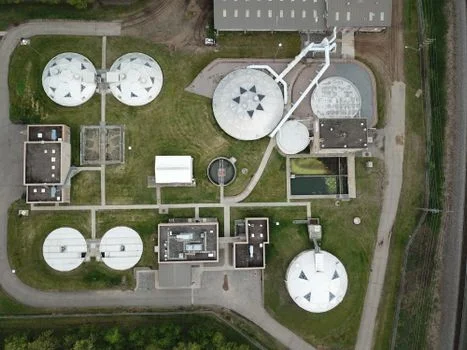
The Kentucky Water and Wastewater Assistance for Troubled or Economically Restrained Systems (WWATERS) program, established by House Bill 563, offers a vital funding source for eligible public water and wastewater systems across the Commonwealth. Understanding the program's eligibility criteria, application process, and funding mechanisms is crucial for securing the necessary capital for infrastructure upgrades.
Eligibility is primarily defined by system size and location. Systems serving fewer than 10,000 people are generally eligible, with priority given to projects located in Appalachian and western Kentucky counties, areas often facing the most significant infrastructure challenges. The program can fund between 30% and 50% of eligible capital project costs, with a maximum grant award capped at $5 million per project. This funding can significantly reduce the upfront financial burden for communities and industrial facilities seeking to upgrade or install new treatment systems.
The application timeline typically spans 6 to 9 months from submission to award notification, with quarterly deadlines for submissions. To be competitive, applicants must prepare a comprehensive package of required documents. This includes a detailed engineering report, which can cost between $20,000 and $50,000 and should outline the proposed solution, its technical feasibility, and cost-effectiveness. An environmental assessment is also mandatory, along with a robust 20-year financial plan demonstrating the system’s long-term operational viability and ability to manage ongoing costs.
To maximize the chances of securing WWATERS funding, it is highly recommended to partner with a Kentucky Division of Water (KDOW)-approved engineering firm experienced in grant applications. These firms can navigate the complexities of the application process and ensure all requirements are met. Additionally, clearly articulating the project's benefits beyond basic compliance, such as job creation within the local community, improved public health, or significant environmental enhancements, can strengthen the application and highlight its importance to the region.
A successful case study involves a rural Kentucky school district that secured $1.2 million in WWATERS funding for a new package plant. This grant covered approximately 45% of the project’s total cost, enabling the district to replace an outdated and failing septic system, ensure regulatory compliance, and protect local water resources without placing an undue financial strain on the district’s operating budget.
Frequently Asked Questions
This section addresses common inquiries from industrial facility managers, municipal engineers, and procurement teams in Kentucky regarding wastewater treatment plant costs and technologies.
| System Size | Estimated CAPEX Range | Notes |
|---|---|---|
| 20,000 GPD Package Plant | $300,000 – $500,000 | Ideal for smaller, decentralized sites. |
| 1 MGD Activated Sludge Plant | $1.7M – $2.8M | Common for municipal systems, requires significant footprint. |
| 1 MGD MBR Plant | $4.2M – $6.5M | High effluent quality, small footprint, higher CAPEX. |
| 5 MGD Municipal System | $8.5M – $15M+ | Varies widely based on technology and site complexity. |
Q1: What is the average cost to build a 1 MGD wastewater treatment plant in Kentucky?
A1: The average CAPEX for a 1 MGD wastewater treatment plant in Kentucky typically ranges from $1.7 million to $2.8 million for a conventional activated sludge system. This cost can increase significantly, potentially reaching $4.2 million to $6.5 million, if an MBR system is chosen for its superior effluent quality and smaller footprint. These estimates do not include potential increases due to challenging karst or clay soil conditions, which can add 15–20% to civil costs.
Q2: How do Kentucky's energy costs affect wastewater treatment plant operating expenses?
Q2: Kentucky’s energy costs, ranging from $0.15 to $0.40 per kWh, are a significant component of OPEX. MBR systems, with higher aeration demands, can consume 1.2–1.5 kWh/m³, whereas activated sludge systems use 0.4–0.6 kWh/m³. A facility in Louisville paying the higher rate will see substantially greater energy expenses compared to a similar plant in rural Appalachia operating at the lower rate, impacting the overall OPEX per 1,000 gallons.
Q3: What is the role of ORSANCO in Kentucky wastewater treatment regulations and costs?
A3: The Ohio River Valley Water Sanitation Commission (ORSANCO) sets stringent nutrient discharge limits (e.g., TN <3 mg/L, TP <0.3 mg/L) for facilities discharging into the Ohio River watershed. Meeting these limits often requires advanced tertiary treatment processes, adding $500,000 to $1.2 million to the CAPEX for a 1 MGD plant, thereby increasing overall project costs and complexity.
Q4: Are there funding opportunities for wastewater treatment upgrades in Kentucky?
A4: Yes, the Kentucky WWATERS program (House Bill 563) provides funding for eligible public systems serving fewer than 10,000 people, covering 30–50% of CAPEX, up to $5 million per project. Priority is given to projects in Appalachian and western Kentucky counties. This program is designed to assist systems facing financial hardship or facing significant infrastructure needs.