Procurement managers evaluating 2026–2028 wastewater treatment plant investments in Ashgabat face a complex cost landscape, where CAPEX ranges from $0.8M to $12M and OPEX from $0.80 to $2.50/m³, depending heavily on industrial sector and chosen technology. Oil/gas facilities contend with elevated expenditures due to high salinity, with Total Dissolved Solids (TDS) reaching up to 15,000 mg/L, while hospitals must adhere to SanPiN 2.1.5.980-00’s stringent microbial limits (≤100 CFU/100 mL). zero-liquid discharge (ZLD) configurations, increasingly mandated for new facilities and aligning with Turkmenistan’s 2025 Water Strategy, typically add 20–30% to initial capital expenditure.
Why Ashgabat’s Wastewater Treatment Costs Are Higher Than Regional Averages
Ashgabat’s unique environmental and regulatory conditions drive wastewater treatment plant costs significantly above regional averages. Turkmenistan's arid climate, characterized by only 250 mm of annual rainfall and high evaporation rates, necessitates that new industrial wastewater treatment plants in Ashgabat adopt zero-liquid discharge (ZLD) configurations, directly increasing CAPEX by 20–35% (per Turkmenistan’s 2025 Water Strategy). This mandate reflects a national commitment to water resource conservation, turning what might be an optional upgrade elsewhere into a foundational design requirement for Ashgabat industrial effluent treatment.
The specific characteristics of industrial effluent further elevate costs. Oil and gas operations, particularly in the Balkan velayat, produce wastewater with exceptionally high Total Dissolved Solids (TDS), often reaching up to 15,000 mg/L. Treating such saline effluent typically requires advanced membrane technologies like reverse osmosis (RO) or electrodialysis (ED) as pretreatment steps, adding an estimated $0.50–$1.20/m³ to the operational expenditure (OPEX) for 2026 benchmarks. These specialized processes are essential for meeting discharge or reuse standards, but their energy and maintenance demands are substantial.
Ashgabat’s regulatory framework, specifically SanPiN 2.1.5.980-00, imposes microbial limits (≤100 CFU/100 mL) that are considerably stricter than many international benchmarks, including the EU Urban Waste Water Directive's typical 1,000 CFU/100 mL. This heightened standard compels facilities, particularly hospitals, to invest in robust disinfection systems such as chlorine dioxide or ultraviolet (UV) treatment, which can represent a CAPEX of $250K–$1.5M for the disinfection stage alone. The industrial sector distribution in Ashgabat further dictates varied treatment complexities: oil/gas accounts for approximately 45% of industrial effluent, textile factories for 25%, and chemical plants for 15%. Each sector presents a distinct effluent profile—from hydrocarbons and salinity in oil/gas to complex dyes and high Chemical Oxygen Demand (COD) in textiles—directly impacting the required technology and overall wastewater treatment plant cost breakdown.
Ashgabat’s 2026 Wastewater Treatment Standards: Compliance Checklist and Cost Implications
Meeting Ashgabat’s stringent wastewater treatment standards is not merely a regulatory obligation but a critical financial consideration, as non-compliance carries severe penalties. Turkmenistan’s Sanitary Rules and Norms (SanPiN) 2.1.5.980-00 specifies strict limits for treated industrial and hospital effluent, including ≤10 mg/L for Biochemical Oxygen Demand (BOD₅) and Total Suspended Solids (TSS), ≤0.001 mg/L for residual chlorine, and ≤100 CFU/100 mL for fecal coliform (confirmed in Top 1 scraped content). These parameters are foundational for any wastewater treatment plant cost analysis in the region.
Failure to adhere to these limits can result in substantial financial repercussions, with fines for non-compliance reaching 500,000 TMT (approximately $14,300) per violation, alongside the potential suspension of operating licenses, as outlined in Turkmenistan’s 2025 enforcement guidelines. Beyond direct fines, operational disruptions due to license suspension can lead to significant revenue loss and reputational damage. A key regulatory driver in Ashgabat is the mandate for zero-liquid discharge (ZLD) in all new facilities. This requirement significantly impacts the overall wastewater treatment plant cost breakdown, as it necessitates the installation of advanced brine concentrators or crystallizers, which can add $1M–$3M to the CAPEX for a 1,000 m³/day plant. While increasing initial investment, ZLD eliminates discharge fees and maximizes water reuse, offering long-term operational savings.
Hospitals, in particular, face additional compliance demands. To meet SanPiN 2.1.5.980-00, they must install dedicated pretreatment systems for pharmaceutical residues, such as activated carbon filters, which represent an additional CAPEX of $50K–$200K. This specialized treatment prevents the discharge of harmful compounds into the environment and avoids specific fines related to medical effluent. The permitting process for a new industrial wastewater treatment plant in Ashgabat typically spans 6–12 months. Delays in this process, often due to incomplete documentation or non-compliant design proposals, can significantly inflate project budgets through extended holding costs and rescheduled construction timelines. Understanding and meticulously addressing these regulatory requirements upfront is essential for accurate budgeting and project success.
For detailed hospital wastewater treatment specs for Ashgabat, you can refer to our guide on Hospital Wastewater Treatment in Ashgabat 2025.
| Parameter | SanPiN 2.1.5.980-00 Limit | Typical Compliance Technology | Cost Implication (CAPEX Range) |
|---|---|---|---|
| BOD₅ | ≤10 mg/L | Biological treatment (MBR/SBR) | $0.8M–$5M (for 500-1000 m³/day) |
| TSS | ≤10 mg/L | MBR, Clarifiers, Filtration | $0.2M–$5M (depending on tech) |
| Residual Chlorine | ≤0.001 mg/L | Dechlorination (e.g., Sodium Bisulfite) | $10K–$50K |
| Fecal Coliform | ≤100 CFU/100 mL | Chlorine Dioxide, UV Disinfection | $250K–$1.5M |
| Pharmaceutical Residues (Hospitals) | Pretreatment required | Activated Carbon Filters | $50K–$200K |
| Zero-Liquid Discharge (ZLD) | Mandated for new facilities | Brine Concentrators, Crystallizers | $1M–$3M (for 1,000 m³/day) |
Technology Comparison: MBR vs SBR vs Chlorine Dioxide for Ashgabat’s Industrial Sectors
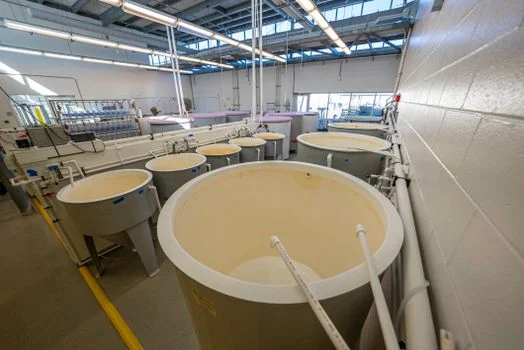
Selecting the appropriate wastewater treatment technology in Ashgabat requires a detailed comparison of performance, footprint, capital expenditure (CAPEX), and operational expenditure (OPEX) against stringent local compliance requirements. Membrane Bioreactor (MBR) systems are highly effective, achieving over 95% Chemical Oxygen Demand (COD) removal and producing effluent with particle sizes less than 1 μm, suitable for reuse-quality effluent requirements. However, MBR systems typically incur 30–40% higher CAPEX, ranging from $1.2M–$5M for a 500 m³/day plant, and approximately 20% higher OPEX due to membrane replacement costs, estimated at $0.15–$0.30/m³.
Sequencing Batch Reactor (SBR) systems offer a more cost-effective alternative with lower CAPEX, generally between $800K–$3M for a 500 m³/day facility, and achieve 85–90% COD removal. While SBRs are robust for variable influent loads, they require a larger physical footprint, often twice that of an MBR system, and can struggle with the high Total Dissolved Solids (TDS) levels common in Ashgabat's oil/gas sector wastewater, making them less suitable for highly saline effluents. For microbial compliance, particularly in hospital settings, chlorine dioxide generators are highly effective, delivering 99.9% microbial kill rates and ensuring compliance with SanPiN 2.1.5.980-00. The CAPEX for a chlorine dioxide system, including chemical storage, typically ranges from $50K–$150K, with an additional OPEX of approximately $20K/year for residual monitoring and chemical replenishment. HydropureWater offers advanced chlorine dioxide generators for hospital effluent compliance.
Beyond biological and disinfection processes, physical-chemical pretreatment systems are crucial for specific industrial effluents. Dissolved Air Flotation (DAF) systems are highly efficient for removing 60–70% of COD from textile wastewater, particularly for dyes and suspended solids, which can reduce subsequent biological treatment costs by 15–20%. A DAF system for a 200 m³/day textile plant has a CAPEX of $300K–$1M. For solid-liquid separation, lamella clarifiers are favored for their compact design, achieving high surface loading rates of 20–40 m/h and cutting the footprint by 50% compared to conventional settlers, with a CAPEX between $200K–$800K. MBR systems for Ashgabat’s reuse-quality effluent requirements are a key offering, view our MBR Membrane Bioreactor Wastewater Treatment System. For textile dye removal in Ashgabat, consider our Dissolved Air Flotation (DAF) System.
| Technology | Key Benefit | Ashgabat CAPEX (500 m³/day) | Ashgabat OPEX (per m³) | Footprint | Compliance Trade-offs |
|---|---|---|---|---|---|
| MBR | 95% COD removal, <1 μm effluent (reuse-quality) | $1.2M–$5M | $0.15–$0.30 (membrane replacement) | Compact | High initial cost, energy intensity |
| SBR | 85–90% COD removal, robust for variable loads | $800K–$3M | $0.08–$0.15 | Large (2x MBR) | Less effective for high TDS, lower effluent quality than MBR |
| Chlorine Dioxide | 99.9% microbial kill (SanPiN 2.1.5.980-00) | $50K–$150K (generator + storage) | $0.02–$0.05 (chemicals, monitoring) | Small | Chemical handling, residual monitoring for ≤0.001 mg/L |
| DAF Systems | 60–70% COD removal (textile dyes, solids) | $300K–$1M (for 200 m³/day) | $0.05–$0.10 (chemicals, power) | Medium | Pretreatment only, not full treatment |
| Lamella Clarifiers | 50% footprint reduction vs. conventional settlers | $200K–$800K | $0.01–$0.03 (sludge handling) | Compact | Requires chemical flocculation, not for dissolved pollutants |
CAPEX and OPEX Breakdown for Ashgabat’s Key Sectors: Oil, Textile, and Hospital
Accurately budgeting for a wastewater treatment plant in Ashgabat requires a sector-specific understanding of capital expenditure (CAPEX) and operational expenditure (OPEX), as effluent characteristics and regulatory demands vary significantly. For the oil and gas sector, which deals with high salinity (TDS often exceeding 10,000 mg/L), CAPEX typically ranges from $1.5M–$12M. This higher investment is driven by the necessity for advanced pretreatment systems like reverse osmosis (RO) or electrodialysis (ED) to manage high TDS, as confirmed in Top 2 scraped content. Corresponding OPEX for oil/gas wastewater treatment averages $1.20–$2.50/m³, largely due to the energy intensity of membrane processes and the costs associated with brine disposal or zero-liquid discharge (ZLD) systems.
Textile factories in Ashgabat face different challenges, primarily related to complex dyes and high Chemical Oxygen Demand (COD). Their wastewater treatment plant costs fall within a CAPEX range of $800K–$5M, with OPEX between $0.80–$1.80/m³. Integrating Dissolved Air Flotation (DAF) systems for color and suspended solids removal, followed by biological treatment, has been shown to reduce overall treatment costs by approximately 20% for this sector. Hospitals, under the strict microbial limits of SanPiN 2.1.5.980-00, typically see CAPEX figures from $250K–$1.5M, with OPEX ranging from $1.00–$2.00/m³. These costs reflect the mandatory inclusion of robust disinfection systems, such as chlorine dioxide or UV, often combined with MBR systems to achieve the required microbial and organic pollutant removal.
Zero-liquid discharge (ZLD) configurations, while adding 25–35% to the initial CAPEX across all sectors, offer significant long-term OPEX savings, typically $0.50–$1.00/m³, by eliminating discharge fees and maximizing water reuse. This strategic investment mitigates future regulatory risks and provides a sustainable water management solution in Ashgabat’s arid environment. The scaling of CAPEX with plant size is non-linear; for instance, a 1,000 m³/day plant does not cost ten times more than a 100 m³/day plant, but approximately three times more. This economy of scale means that larger facilities benefit from proportionally lower per-unit costs for shared infrastructure and equipment, making precise capacity planning crucial for optimizing the overall wastewater treatment plant cost breakdown.
| Sector | Typical Plant Size (m³/day) | Estimated CAPEX (2026) | Estimated OPEX (per m³) | Key Cost Drivers |
|---|---|---|---|---|
| Oil/Gas | 500–10,000 | $1.5M–$12M | $1.20–$2.50 | High TDS (RO/ED), ZLD, energy for pumps |
| Textile | 200–5,000 | $800K–$5M | $0.80–$1.80 | Dye removal (DAF), biological treatment, sludge disposal |
| Hospital | 100–1,000 | $250K–$1.5M | $1.00–$2.00 | Microbial disinfection (ClO₂/UV), pharmaceutical pretreatment, MBR |
| ZLD Add-on (all sectors) | – | +25–35% of base CAPEX | -$0.50–$1.00 (savings from discharge fees) | Brine concentrators, crystallizers, energy |
How to Select a Wastewater Treatment Plant Vendor in Ashgabat: A 5-Step Decision Framework
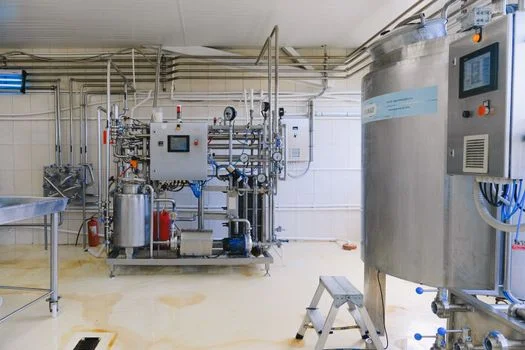
Selecting a wastewater treatment plant vendor in Ashgabat requires a structured approach to ensure compliance, cost-effectiveness, and long-term operational reliability. The first critical step is to verify the vendor's compliance track record with Turkmenistan’s 2025 industrial wastewater treatment standards, specifically SanPiN 2.1.5.980-00 and the 2025 Water Strategy. Prospective buyers should request detailed case studies of successful projects within Ashgabat or similar arid regions, demonstrating the vendor's ability to meet local effluent quality and zero-liquid discharge (ZLD) mandates.
Step 2 involves requesting Ashgabat-specific cost benchmarks and meticulously comparing them against vendor quotes. Reputable vendors should provide transparent breakdowns of CAPEX and OPEX, aligning with regional averages such as $0.80–$2.50/m³ for industrial plants. This comparison should extend beyond initial purchase price to include lifecycle costs, factoring in energy consumption, chemical usage, and maintenance. Third, evaluate the vendor's technology flexibility and expertise. A strong vendor can recommend the optimal solution, whether it's MBR systems for reuse-quality effluent, SBRs for handling variable loads, or DAF systems specifically for textile dyes, ensuring the technology is tailored to the specific industrial effluent profile.
Step 4 focuses on assessing the vendor's local support infrastructure. Given Ashgabat’s unique operating environment, access to readily available spare parts, comprehensive operator training programs, and reliable 24/7 service contracts are paramount for minimizing downtime and ensuring continuous compliance. Finally, Step 5 is to negotiate robust performance guarantees. These guarantees should include specific metrics such as 95% uptime, guaranteed effluent quality parameters, and clear penalties for non-performance. A vendor willing to stand behind their technology with strong contractual commitments provides essential assurance for a significant investment like an industrial wastewater treatment plant.
Frequently Asked Questions
What is the biggest cost driver for wastewater treatment plants in Ashgabat?
The primary cost driver for new wastewater treatment plants in Ashgabat is the zero-liquid discharge (ZLD) requirement, which adds 25–35% to the total CAPEX due to the necessity of brine concentrators and crystallizers. However, ZLD also offers significant OPEX savings of $0.50–$1.00/m³ by eliminating discharge fees and enabling water reuse.
How do Ashgabat’s regulations compare to EU standards?
Ashgabat’s SanPiN 2.1.5.980-00 imposes a microbial limit of ≤100 CFU/100 mL for treated effluent, which is ten times stricter than the 1,000 CFU/100 mL typically permitted under the EU Urban Waste Water Directive, particularly for fecal coliforms.
What is the payback period for a zero-liquid discharge (ZLD) plant in Ashgabat?
The payback period for a ZLD plant in Ashgabat varies by sector: approximately 5–7 years for oil/gas plants due to high water reuse savings, and 8–10 years for textile plants, which generally have lower water demand for process reuse.
Can hospitals use MBR systems to meet SanPiN 2.1.5.980-00?
Yes, MBR systems are effective for hospital wastewater treatment, achieving <1 μm filtration and over 95% COD removal. However, to meet SanPiN 2.1.5.980-00’s strict microbial limits (≤100 CFU/100 mL), MBR systems must be augmented with a secondary disinfection step, such as chlorine dioxide or UV, which adds an estimated $250K–$1.5M to the CAPEX.
What are the most common compliance violations in Ashgabat?
The most common compliance violations in Ashgabat's industrial and hospital sectors include exceeding the strict residual chlorine limit (≤0.001 mg/L) and failing to adequately pretreat pharmaceutical residues in hospital effluent. Such violations can result in significant fines, up to 500,000 TMT per incident.