The best chemical dosing system for industrial use balances precision, chemical compatibility, and lifecycle cost under chemical costs dosing risk selection specs constraints. Match pressure (0–10 bar), wet-end materials (PVDF or Hastelloy C), and control protocol (4–20 mA or Modbus) to the duty. Peristaltic pumps on Automatic Chemical Dosing System skids hold ±1% accuracy for viscous or shear-sensitive polymers. Diaphragm pumps suit corrosive sulfuric-acid pH adjustment at flows up to 1,200 L/h.
Systems without auto-calibration waste 15–25% of chemicals annually (per EPA 2024 benchmarks). Skipping early selection checks locks in that waste before commissioning.
What is the best chemical dosing equipment for water treatment plants?
The best chemical dosing equipment for water treatment plants is a skid-mounted, PLC-controlled package with verified flow feedback, chemically compatible wet ends, and pump technology matched to viscosity and corrosivity. Accuracy targets are typically ±3% for pH correction and ±1% for flocculants, with materials rated for the full concentration and temperature range.
Industrial chemical dosing systems often fail from inefficiency and weak compliance control. Manual dosing wastes between 25% and 40% of chemicals through overcompensation and missing real-time feedback (data from industry benchmarks, 2024). That waste drives OpEx up and raises the chance of permit breaches.
A textile plant in Vietnam relied on manual dosing for pH adjustment dosing systems for industrial wastewater. The site faced about $80,000 per year in chemical waste plus repeated fines from unstable effluent pH. Standard PVC piping and seals on concentrated sodium hydroxide (NaOH) leaked often and caused downtime.
Without a flow meter to verify injection rates, operators over-dosed to stay inside compliance margins and raised OpEx further. The retrofit used peristaltic pumps for flocculant dosing and PVDF-lined diaphragm pumps for pH correction. Linking how PAC dosing systems automate flocculant injection with sensor feedback cut chemical waste by 30% and removed fines within six months.
Chemical dosing system components: engineering specs for industrial duty
Industrial-grade dosing pumps must hold at least ±3% accuracy for pH adjustment and ±1% for flocculants. Component choice sets how the package behaves under harsh plant conditions.
| Component | Key Engineering Specifications | Material / Protocol Options |
|---|---|---|
| Dosing Pump | Flow: 0.1–1,200 L/h; Pressure: 0–10 bar; Accuracy: ±1% to ±3% | PVDF, Hastelloy C, PTFE, EPDM |
| Flow Meter | Accuracy: ±0.5% (Turbine) to ±1% (Electromagnetic) | TruFlo ProPulse 2, Icon Process TVF |
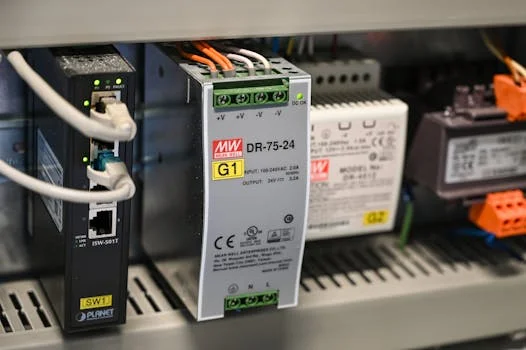
| Control System | PLC-based with data logging and remote monitoring | Modbus TCP/IP, 4–20 mA, Profibus |
| Storage Tank | Volume: 50–5,000 L; UV-stabilized | HDPE, 316L Stainless Steel |
| Safety Features | Auto-shutoff, leak detection, pressure relief valves | ATEX / ISO 80079-36:2021 compliance |
For high-precision loops, the controller separates a basic package from a process-ready one. Standalone controllers fit steady-state duties at lower cost. PLC systems support PID logic for pH neutralization and log every dose event.
Leak detection and secondary containment remain mandatory for hazardous reagents under ISO safety rules. Many plants also add on-site ClO₂ generation for disinfection dosing when residual control is part of the same train.
Which chemical injection pumps work best for industrial use?
Pump type sets accuracy, maintenance load, and pressure capability. Peristaltic units suit fluids above 1,000 cP because they avoid check-valve clogging common on diaphragm pumps. Match the technology to viscosity, abrasiveness, and required discharge pressure.
Peristaltic pumps: Use them for shear-sensitive polymers and viscous fluids. The chemical contacts only the tube interior, so tube change every 6–12 months covers most upkeep. They deliver ±1% accuracy for trace dosing of small, steady volumes.
Diaphragm pumps: These handle corrosive duties such as sulfuric acid or sodium hypochlorite. They reach flows up to 1,200 L/h at moderate pressure. Valves and diaphragms need service every 12–18 months, yet PVDF or PTFE wet ends keep aggressive chemicals contained.
Piston pumps: Reserve them for high-pressure boiler feedwater or oil and gas injection above 50 bar. They suit clean fluids poorly when abrasive slurries can wear seals and piston faces.
| Application Need | Recommended Pump Type | Primary Benefit |
|---|---|---|
| Viscosity > 1,000 cP | Peristaltic | Zero-clogging, high accuracy |
| High Corrosion (Acids/Bases) | Diaphragm (PVDF/PTFE) | Long-term chemical resistance |
| High Pressure (> 15 bar) | Piston | Mechanical durability under load |
| Shear-Sensitive Polymers | Peristaltic | Maintains chemical integrity |
How do chemical dosing systems for boilers and feedwater cut wastewater risk?
Boiler and feedwater injection often needs pressures above 15 bar, where piston pumps are reserved for that duty. Stable high-pressure dosing reduces overfeed that later shows up as excess chemical in blowdown and wastewater. Diaphragm or peristaltic units still cover lower-pressure makeup and polymer lines on the same site.
Material failure accounts for nearly 45% of premature dosing system breakdowns in chemical processing plants. Materials that are only partly compatible still fail when concentration or temperature rises beyond the rating.
PVC suits many water duties but is limited to pH 2–12 and about 60°C. PVDF covers pH 0–14 and temperatures up to 140°C, which is why it is common on concentrated acids. Concentrated hydrochloric acid (HCl) often needs Hastelloy C on the pump head and valves to limit pitting and stress corrosion cracking.
| Chemical | Concentration | Recommended Material | Avoid |
|---|---|---|---|
| Sulfuric Acid (H₂SO₄) | 98% | PVDF / Hastelloy C | PVC / EPDM |
| Sodium Hydroxide (NaOH) | 50% | 316SS / EPDM | Viton / Aluminum |
| Sodium Hypochlorite | 15% | PVDF / Titanium | Stainless Steel |
| Ferric Chloride | 40% | PVC / PVDF | Most Metals |
chemical costs dosing risk selection specs for automation and waste cuts
Automated dosing with 4–20 mA or Modbus feedback cuts chemical use by about 30% versus fixed-rate dosing (per EPA 2024 benchmarks). Rates then track influent quality instead of a static set point. That is the practical core of chemical costs dosing risk selection specs when waste and permit exposure both matter.
Modern PLC-controlled dosing skids for industrial water treatment run auto-calibration as tubes wear or diaphragms stretch. Flow verification detects drift and trims pump speed so the loop stays inside the ±1% window. Mid-sized plants recover thousands of dollars a year in coagulants and flocculants from that single feature.
SCADA links over Modbus or Profibus let operators watch tank level, pump status, and dose rate from one room. Instant alerts on pump fault or low tank stop untreated water from reaching the outfall and support permit compliance.
Cost breakdown: CapEx, OpEx, and payback
Lifecycle cost is typically 5–7 times the purchase price once chemical waste and five-year maintenance are included. Higher CapEx on a quality skid often pays back in under 12 months through lower OpEx.
| Cost Category | Estimated Investment (USD) | Impact on ROI |
|---|---|---|
| CapEx (Skid System) | $8,000 – $25,000 | Initial hardware and installation |
| OpEx (Chemicals) | $10,000 – $100,000+/year | Automation reduces this by 20–30% |
| Maintenance | $1,200 – $3,500/year | Preventative care avoids downtime |
| Compliance Fines | $5,000 – $50,000+/incident | Eliminated by precision dosing |
Take a plant spending $150,000 a year on wastewater chemicals. A $25,000 PLC skid that cuts use by 25% saves $37,500 a year and pays back in eight months. Over five years, a cheaper manual setup can cost about $100,000 more through waste and labor.
How to choose chemical dosing systems without post-install surprises
A structured technical evaluation reduces the risk of post-installation mismatch. Confirm chemical name, concentration, viscosity, and temperature before picking wet-end materials. Set required flow, pressure, and accuracy (±1% or ±3%) against the pump type tables above.
Require flow verification, auto-calibration, and a documented control protocol such as 4–20 mA or Modbus. Check leak detection, secondary containment, and ATEX / ISO 80079-36:2021 needs when reagents are hazardous. Compare CapEx against expected 20–30% chemical savings so payback stays inside one year.
Who this is for / Who should look elsewhere / Next step
Who this is for: Process and utilities engineers selecting skid dosing for industrial water, wastewater, cooling, or boiler makeup who need clear accuracy, materials, and cost ranges. Who should look elsewhere: Labs or municipal plants seeking only portable bottle pumps, or sites that need full turnkey civil design beyond the dosing package. Next step: Map each reagent to pump type and wet-end material, then request a duty-matched skid quote with flow verification included.
If your duty sheet lists flow, pressure, and chemistry already, share it for a skid layout that matches those numbers before purchase.