Sewage Treatment Equipment Suppliers in London: 2026 Engineering Specs, Cost Models & Zero-Risk Compliance Guide
London’s sewage treatment equipment market is fragmented, with suppliers offering systems ranging from compact underground package plants (1–80 m³/h) to industrial DAF systems (4–300 m³/h). Key differentiators include effluent quality (e.g., MBR systems achieve <1 μm filtration, meeting Thames Water’s strict discharge limits of ≤25 mg/L BOD and ≤35 mg/L TSS), footprint efficiency (underground systems reduce land use by 70%), and CAPEX (£50K–£5M depending on capacity and technology). This guide provides 2026 engineering specs, cost models, and a zero-risk selection framework to help buyers navigate compliance and supplier trade-offs.
Why London’s Sewage Treatment Equipment Market is Unique: Space, Compliance, and Cost Pressures
London’s high land costs, averaging £10K–£30K/m² in industrial zones, are a primary driver for the demand for compact sewage treatment equipment. This economic reality necessitates systems like compact underground sewage treatment systems for London’s space-constrained sites or MBR systems for near-reuse-quality effluent in London’s urban areas, which can reduce footprint by 60–70% compared to conventional activated sludge plants. The city’s dense urban environment and limited greenfield sites make efficient land use a critical factor in any project’s viability and overall cost.
Thames Water’s discharge limits (≤25 mg/L BOD, ≤35 mg/L TSS) are notably stricter than UK national standards, imposing significant compliance challenges on industrial and commercial operators. Industrial pre-treatment requirements are particularly stringent for sectors like food processing (≤50 mg/L FOG) and metal finishing (≤10 mg/L heavy metals), emphasizing the need for specialized high-efficiency DAF systems for industrial pre-treatment in London. For instance, a London food processing plant faced a £180K fine in 2023 for consistently exceeding FOG limits; upgrading to a DAF system with a £220K CAPEX reduced FOG by 95% and eliminated annual fines, demonstrating a clear return on investment in compliance technology. The regulatory landscape in London involves oversight from the Environment Agency, Thames Water, and local council permits, each with specific requirements that must be met for discharge consent. Official discharge standard documents are available via the Environment Agency and Thames Water websites, providing detailed benchmarks for all effluent types.
Sewage Treatment System Types for London: Engineering Specs and Use-Case Matching
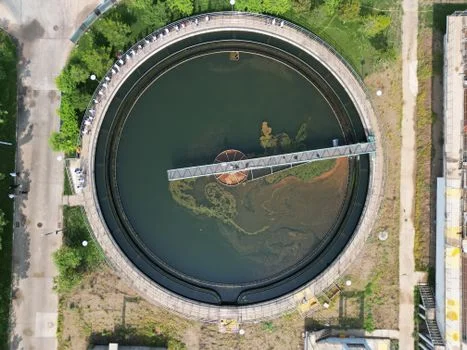
Selecting the optimal sewage treatment system type in London depends critically on effluent quality targets, available footprint, and the specific application. MBR (Membrane Bioreactor) systems consistently achieve superior effluent quality, with filtration typically below 1 μm, resulting in COD levels ≤50 mg/L and TSS ≤10 mg/L. These systems boast a footprint 60% smaller than conventional activated sludge plants, making them ideal for urban areas or sites with space constraints, particularly for water reuse projects. However, MBR systems generally incur a CAPEX 25% higher, ranging from £1.2M–£5M for capacities between 100–500 m³/h (HydropureWater field data, 2025). The process flow involves biological treatment followed by membrane separation, where membrane modules are the key components, replacing secondary clarifiers and tertiary filtration.
DAF (Dissolved Air Flotation) systems, such as the DAF systems, are highly effective for pre-treatment of industrial wastewater, achieving FOG removal rates of 92–97% and TSS removal of 85–95%. With capacities ranging from 4–300 m³/h, they are a proven solution for industries like food processing, pulp & paper, and metalworking, which produce effluent with high solids or oil content. The core mechanism involves generating micro-bubbles that attach to suspended particles, floating them to the surface for removal. Detailed engineering specs for DAF systems in industrial applications are crucial for proper sizing and performance guarantees.
Underground Package Plants (WSZ Series), like HydropureWater's compact underground sewage treatment systems, are fully automated and require minimal operator intervention, making them suitable for capacities of 1–80 m³/h. Designed for residential, hotel, and hospital wastewater, these systems minimize land use as they can be installed beneath parking lots or gardens. Their process flow typically includes anaerobic, anoxic, and aerobic zones, followed by sedimentation and disinfection, all within a compact, subterranean footprint. For disinfection, on-site ClO₂ generators for hospital and industrial wastewater disinfection produce Chlorine Dioxide (50–20,000 g/h), reducing microbial load by 99.9% in compliant with WHO Guidelines for Drinking-water Quality.
| System Type | Core Function | Typical Effluent Quality | Footprint Reduction (vs. Conventional) | CAPEX Range (100-300 m³/h) | Key Use Cases |
|---|---|---|---|---|---|
| MBR Systems | Advanced Biological Treatment & Filtration | COD ≤50 mg/L, TSS ≤10 mg/L, <1 μm filtration | 60% | £1.2M–£5M | Water reuse, urban sites, hospitals, hotels |
| DAF Systems | Pre-treatment for FOG & TSS removal | FOG 92–97% removal, TSS 85–95% removal | N/A (pre-treatment) | £200K–£1.2M | Food processing, metal finishing, pulp & paper |
| Underground Package Plants (WSZ Series) | Biological Treatment for Domestic/Commercial | BOD ≤25 mg/L, TSS ≤35 mg/L | 70% | £80K–£300K | Residential, hotels, small hospitals, remote sites |
| ClO₂ Generators | Disinfection | 99.9% microbial load reduction | Minimal (ancillary) | £15K–£80K | Post-treatment for all systems requiring disinfection |
Top 5 Sewage Treatment Equipment Suppliers in London: Capabilities, Compliance, and Cost Benchmarks
Evaluating sewage treatment equipment suppliers in London requires a close look at their technical capabilities, compliance track records, and cost structures. AquaTreat Solutions, a London-based supplier, specializes in compact MBR systems for urban sites, with over 20 installations in London hospitals and hotels. Their systems consistently achieve effluent quality benchmarks of COD ≤30 mg/L and TSS ≤5 mg/L. CAPEX for their 100–300 m³/h MBR systems typically ranges from £1.5M–£4M, and they boast a 100% pass rate for Thames Water audits in 2024.
Thames Water Tech, headquartered in Reading, is a prominent provider of turnkey DAF systems for industrial pre-treatment, with more than 50 installations across food processing and metal finishing industries. Their DAF systems achieve FOG removal rates of 95–98%. CAPEX for their 20–150 m³/h units is in the range of £200K–£1.2M, and they are recognized for their partnership with Thames Water for pre-treatment approvals. Northern Eco-Engineering, based in Manchester, focuses on underground package plants (WSZ Series) primarily for rural and suburban sites, offering capacities from 5–50 m³/h. Their CAPEX ranges from £80K–£300K, and their systems consistently meet Environment Agency standards for small communities (below 2,000 PE).
EcoFlow Systems UK, from Birmingham, provides robust industrial DAF and chemical dosing systems tailored for high-strength effluent from sectors like pulp & paper and textiles. Their systems achieve TSS removal rates of 90–95%, with a CAPEX of £300K–£2M for 50–300 m³/h installations. EcoFlow Systems UK is certified for compliance with the EU Industrial Emissions Directive 2010/75/EU. AllWater Technologies, with a UK-wide presence, offers bespoke industrial wastewater treatment systems, including MBR and RO for advanced water reuse. Their systems can achieve effluent quality as low as COD ≤20 mg/L and TDS ≤50 mg/L. CAPEX for their larger 200–1,000 m³/h systems ranges from £2M–£10M, and they have a verifiable track record of zero non-compliance incidents in semiconductor and pharmaceutical plants from 2023–2025.
| Supplier | Core Technology | Effluent Quality (Typical) | CAPEX Range (Indicative) | Compliance Certifications | Best For (Use Case) |
|---|---|---|---|---|---|
| AquaTreat Solutions | Compact MBR Systems | COD ≤30 mg/L, TSS ≤5 mg/L | £1.5M–£4M (100-300 m³/h) | Thames Water Audit (100% pass) | Urban sites, hospitals, hotels, water reuse |
| Thames Water Tech | Turnkey DAF Systems | FOG 95–98% removal, TSS 95% removal | £200K–£1.2M (20-150 m³/h) | Thames Water pre-treatment approvals | Industrial pre-treatment (food, metal finishing) |
| Northern Eco-Engineering | Underground Package Plants (WSZ Series) | BOD ≤25 mg/L, TSS ≤35 mg/L | £80K–£300K (5-50 m³/h) | Environment Agency standards for <2,000 PE | Rural/suburban sites, small communities |
| EcoFlow Systems UK | Industrial DAF & Chemical Dosing | TSS 90–95% removal | £300K–£2M (50-300 m³/h) | EU Industrial Emissions Directive 2010/75/EU | High-strength industrial effluent (pulp & paper) |
| AllWater Technologies | Bespoke MBR & RO Systems | COD ≤20 mg/L, TDS ≤50 mg/L | £2M–£10M (200-1,000 m³/h) | Zero non-compliance (semiconductor, pharma) | Complex industrial, high-purity water reuse |
Cost Breakdown for London Sewage Treatment Projects: CAPEX, OPEX, and ROI by System Type
Accurate budgeting for sewage treatment projects in London requires a granular understanding of both CAPEX and OPEX, alongside potential ROI drivers. Capital Expenditure (CAPEX) for 2026 varies significantly by system type and capacity: underground package plants typically range from £80K–£300K for 5–50 m³/h, DAF systems cost £200K–£1.2M for 20–150 m³/h, and MBR systems represent a larger investment at £1.2M–£5M for 100–500 m³/h (HydropureWater cost models, 2026).
Operational Expenditure (OPEX) also shows distinct patterns. MBR systems generally have a 15% higher OPEX than conventional activated sludge systems, primarily due to membrane replacement costs, which can be £20K–£50K/year for a 100–300 m³/h plant every 5–7 years. Conversely, DAF systems often exhibit 10% lower OPEX due to reduced chemical consumption compared to other physical-chemical treatment methods. Key ROI drivers include water reuse, where MBR/RO systems can reduce municipal water bills by 30–50%, and the elimination of fines. For example, DAF systems in food processing plants can eliminate FOG-related fines, which can range from £50K–£250K/year. A London hotel, for instance, saved £120K/year in water costs by installing an MBR system (£1.8M CAPEX) achieving 80% water reuse, leading to an ROI in 4.5 years. Cost factors unique to London include higher labor rates (£50–£80/hour for installation), Thames Water permitting fees (£5K–£20K), and significant land costs, where underground systems can avoid £100K–£500K in land purchases.
| Cost Category | Underground Package Plant (5-50 m³/h) | DAF System (20-150 m³/h) | MBR System (100-500 m³/h) |
|---|---|---|---|
| CAPEX Range (2026) | £80K–£300K | £200K–£1.2M | £1.2M–£5M |
| OPEX (Annual, % vs. Conventional) | Similar/Slightly lower (automation) | 10% lower (reduced chemical use) | 15% higher (membrane replacement) |
| Key OPEX Drivers | Energy, Sludge Disposal | Energy, Chemicals, Sludge Disposal | Energy, Membrane Replacement, Sludge Disposal |
| Typical ROI Drivers | Compliance, Reduced Surcharges | Fines elimination, Compliance | Water Reuse (30-50% savings), Compliance |
| London-Specific Cost Factors | Land avoidance (£100K-£500K), Permitting | Higher labor rates (£50-£80/hour) | Higher labor rates, Permitting |
Zero-Risk Supplier Selection Framework: 7 Steps to Avoid Costly Mistakes
Minimizing procurement risk in London’s complex sewage treatment equipment market requires a structured, data-driven approach. The first step involves defining precise effluent targets, such as BOD ≤25 mg/L and TSS ≤35 mg/L, and matching these to an appropriate system type (e.g., MBR for water reuse, DAF for FOG removal). These targets should primarily use Thames Water’s discharge standards as a baseline, as they are often more stringent than national regulations. Understanding how London’s supplier selection framework compares to Dublin’s EPA-regulated market can also provide valuable context on regulatory nuances.
Step 2 requires requesting detailed engineering specs from potential suppliers, including hydraulic loading rates (m³/m²/day), sludge production (kg/m³), and energy consumption (kWh/m³). These should be compared against industry benchmarks; for instance, MBR systems typically have an energy use of 0.8–1.2 kWh/m³. Step 3 focuses on verifying compliance certifications, such as Environment Agency approval, Thames Water pre-treatment sign-off, and ISO 14001. Always request case studies from similar London projects to assess real-world performance. Step 4 is to conduct site visits to existing supplier installations in London, such as hospitals or food processing plants, to observe system performance and gather operator feedback directly. Step 5 involves requesting comprehensive CAPEX/OPEX breakdowns, covering equipment, installation, permitting, and 5-year maintenance costs. Use the cost benchmarks provided in this guide to identify any significant outliers. Step 6 is to negotiate robust performance guarantees, covering effluent quality, system uptime, and response times for repairs. An example would be: 'Supplier guarantees ≤25 mg/L BOD or pays fines for non-compliance.' Finally, Step 7 recommends pilot-testing the system for 3–6 months before full-scale deployment, using portable units (e.g., trailer-mounted WSZ systems) for proof of concept and to validate performance claims.
| Step | Action | Key Questions to Ask Suppliers | Red Flags |
|---|---|---|---|
| 1 | Define Effluent Targets | What are your guaranteed effluent parameters for BOD, TSS, FOG, etc.? | Vague or non-specific effluent guarantees. |
| 2 | Request Engineering Specs | Provide hydraulic loading rates, sludge production, and energy consumption per m³. | Reluctance to provide detailed technical data. |
| 3 | Verify Compliance & Experience | Show Environment Agency/Thames Water approvals for similar London projects. | Lack of relevant certifications or local case studies. |
| 4 | Conduct Site Visits | Can we visit an operational system at a comparable site in London? | Refusal of site visits or only showing distant/irrelevant sites. |
| 5 | Request Cost Breakdowns | Provide a 10-year Total Cost of Ownership (TCO) including all CAPEX/OPEX. | Hidden costs, vague pricing, or unwillingness to detail OPEX. |
| 6 | Negotiate Guarantees | What are your performance guarantees for effluent quality and uptime? | No clear performance guarantees or liability clauses. |
| 7 | Pilot-Test (if applicable) | Do you offer pilot systems for on-site testing? | Pushing for full-scale deployment without proof of concept. |
Frequently Asked Questions
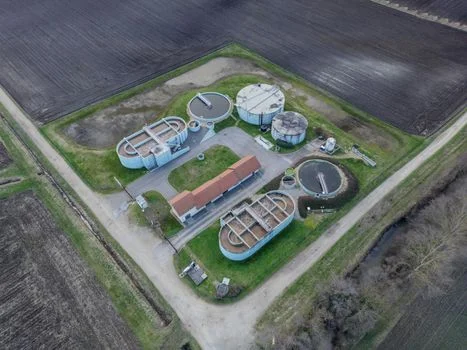
Common questions from London buyers often revolve around compliance, system suitability, and hidden costs.
Q: What are Thames Water’s specific pre-treatment requirements for industrial discharges?
A: Thames Water requires pre-treatment for industrial effluent to meet strict limits, including ≤50 mg/L FOG for food processing, ≤10 mg/L heavy metals for metal finishing, and ≤500 mg/L COD for general industrial discharges. Non-compliance can lead to significant fines, potentially up to £250K, or even connection termination. Suppliers like AquaTreat Solutions and Thames Water Tech offer pre-approved systems designed to meet these specific regulations.
Q: Can underground package plants handle high-strength wastewater (e.g., from hospitals or food processing)?
A: Standard underground package plants (WSZ Series) are typically designed for domestic wastewater with BOD ≤300 mg/L. For high-strength effluent, such as that from hospitals or certain food processing facilities (BOD >500 mg/L), suppliers offer modified systems that incorporate extended aeration, additional biological stages, or chemical dosing. For example, how London hospitals can optimize wastewater treatment for compliance and cost savings often involves a WSZ system enhanced with ozone disinfection to handle BOD up to 800 mg/L.
Q: How do MBR systems compare to DAF for small urban sites (e.g., hotels, clinics)?
A: MBR systems, while approximately 30% more expensive (CAPEX £200K–£500K for 10–50 m³/h), produce near-reuse-quality effluent (COD ≤50 mg/L) and offer a significant footprint reduction of up to 60%. DAF systems, though cheaper (£80K–£200K), primarily serve as pre-treatment and typically require secondary biological treatment (e.g., activated sludge) to meet Thames Water’s final discharge limits. For sites with severe space constraints or aspirations for water reuse systems for urban sites, MBR is generally the more suitable choice.
Q: What are the hidden costs of sewage treatment equipment in London?
A: Hidden costs often include Thames Water permitting fees (£5K–£20K), substantial land preparation costs (£20K–£100K for excavation and civil works for underground systems), and operator training (£5K–£15K) to ensure correct system operation and maintenance. Additionally, MBR systems require periodic membrane replacement every 5–7 years, which can incur costs of £20K–£50K. Always request a 10-year Total Cost of Ownership (TCO) breakdown from suppliers to account for these less obvious expenses.
Q: Are there financing options for sewage treatment equipment in London?
A: Yes, many suppliers, including larger providers like AllWater Technologies, offer flexible financing options. These can include leasing arrangements, typically £5K–£20K/month over 5–10 years, or performance-based contracts where payment is tied to the volume of water treated. government grants, such as those potentially available through the UK Water Efficiency Fund or similar environmental initiatives, may cover up to 50% of the CAPEX for projects focused on water reuse and sustainable practices.