Wastewater Treatment Plant Cost in Mozambique 2026: The Buyer Baseline
Wastewater treatment plant cost in Mozambique 2026 runs MZN 50 million to 120 million CAPEX for a 100 Kld plant, with OPEX averaging MZN 1.2–2.5 million per year. Import duties of 15–25% and Maputo land prices push budgets above regional baselines before pretreatment adders.
For a 100,000-liter/day (100 Kld) municipal plant, CAPEX ranges from MZN 50 million ($780,000) for conventional activated sludge to MZN 120 million ($1.9 million) for an MBR system, with OPEX averaging MZN 1.2–2.5 million/year ($19,000–$39,000). Industrial plants such as textile or mining sites may require specialized pretreatment, adding 20–40% to costs. This guide breaks down CAPEX, OPEX, and tech-specific pricing for Mozambique's regulatory and economic context.
Why Mozambique Treatment Costs Sit Above Regional Baselines
Urbanization in Maputo and Beira, combined with rapid expansion of the mining, textile, and sugar sectors, creates a distinct cost profile for wastewater infrastructure. Existing facilities like the Infulene WWTP in Maputo and the Beira WWTP often operate under capacity or require significant rehabilitation. Donor programs now carry the sector. World Bank reporting on its Mozambique portfolio records that improved sanitation benefits 100,000 residents and 145,000 students, with safe water services expanding to 500,000 people in Nampula and Zambezia (World Bank).
The Beira sanitation program is the reference case for large-scale municipal spend. The $9 million (approximately 568.8 million MZN) World Bank investment in hydraulic sewage infrastructure in Beira sets a second benchmark for smaller hydraulic works. Read those two figures as the band any large-tender municipal CAPEX quote must justify itself against.
Economic factors complicate the budget further. Buyers must account for MZN volatility and import duties of 15% to 25% on specialized equipment, partly offset by local civil-works labor rates that run 30% to 50% below neighboring South Africa. A textile factory in Maputo recently faced heavy regulatory fines for discharging high-color effluent. To achieve compliance, it chose between a DAF system for high-TSS industrial wastewater pretreatment in Mozambique combined with activated sludge, or a costlier but compact MBR system. The MBR option won on merit: it met World Bank discharge standards without secondary clarifiers on a constrained site.
Cost Framework: Capital vs. Operating Spend for Mozambique Plants
CAPEX for a mid-sized municipal wastewater plant in Mozambique typically ranges from MZN 50 million to 150 million, depending on imported automation and civil-works complexity. Engineers apply a 1.2x multiplier to imported mechanical and electrical equipment for logistics and customs clearance. CAPEX covers the hard costs — pumps, blowers, membranes, basins, housing, and electrical integration — while OPEX covers the soft costs that keep the plant inside compliance limits.
Energy dominates OPEX, often 40% to 60% of the annual budget due to industrial-zone electricity tariffs. Chemicals for coagulation and disinfection represent 20% to 30%, with labor and maintenance making up the remainder. For a 200 Kld plant, an annual OPEX of MZN 1.8 million is standard, though high-tech options like MBR systems for water reuse and high-efficiency treatment in Mozambique run higher. Hidden costs include land acquisition, which can reach MZN 20 million per hectare in urban Maputo, and mandatory environmental permits at MZN 1 million to 5 million.
| Cost Component | Municipal (500 Kld) | Industrial (200 Kld) | Mozambique-Specific Factor |
|---|---|---|---|
| CAPEX (Estimated) | MZN 150M – 200M | MZN 80M – 130M | 15–25% Import Duty on Blowers/Membranes |
| Energy (OPEX) | MZN 2.5M/year | MZN 1.5M/year | Grid stability and industrial tariffs |
| Chemicals | MZN 800k/year | MZN 1.2M/year | High cost for imported flocculants |
| Labor | MZN 500k/year | MZN 400k/year | 30% lower than regional average |
| Permits & Training | MZN 3M (Initial) | MZN 2M (Initial) | Environmental impact assessment (EIA) fees |
Wastewater Treatment CAPEX OPEX Mozambique Maputo: Tech-Specific Pricing
MBR System Cost Mozambique 100 Kld: MZN 120 Million
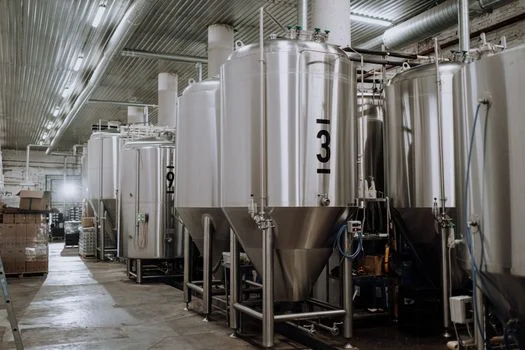
Membrane bioreactor systems in Mozambique carry a CAPEX premium of approximately 140% over conventional activated sludge but cut the physical footprint by 30% to 50%. For a standard 100 Kld capacity, conventional activated sludge costs roughly MZN 50 million, while an MBR system for high-efficiency treatment costs MZN 120 million. The gap reflects filtration-media sophistication and the degree of automation shipped with the plant.
DAF Pretreatment Cost Mozambique Industrial Trains: MZN 70 Million
DAF pretreatment cost for Mozambique industrial buyers lands mid-band: a DAF system for high-TSS pretreatment followed by biological treatment totals about MZN 70 million at 100 Kld. Mining sites treat the DAF stage as insurance for downstream biology, since high suspended solids would otherwise smother a biological train. Sugar mills and textile factories use the same arrangement to strip fiber, color, and grease before aeration.
Technology choice also dictates long-term OPEX. Conventional systems consume roughly 0.3 kWh/m³, yielding annual OPEX of MZN 1.2 million at 100 Kld. MBR systems draw 0.8 kWh/m³ for membrane scouring, pushing OPEX to MZN 2.5 million per year. In exchange, MBR effluent holds COD at ≤ 30 mg/L, far inside Mozambique's national discharge limit of 125 mg/L, which makes MBR the default for textile factories and mining camps pursuing water reuse. These costs are comparable to cost benchmarks for industrial effluent projects in Africa documented in other emerging economies.
| Technology | CAPEX (100 Kld) | OPEX (Annual) | Effluent Quality (COD) | Footprint Requirement |
|---|---|---|---|---|
| Conventional Activated Sludge | MZN 50M | MZN 1.2M | ≤ 70 mg/L | Large (Clarifier needed) |
| MBR (Membrane Bioreactor) | MZN 120M | MZN 2.5M | ≤ 30 mg/L | Very Small (Integrated) |
| DAF + Biological | MZN 70M | MZN 1.8M | ≤ 50 mg/L | Medium (Pretreatment area) |
Suppliers in Mozambique: Cost Structures and Capabilities
Turnkey wastewater projects in Mozambique typically add 20% to 40% to base equipment cost for local civil engineering, logistics, and compliance certification. Procurement managers must distinguish equipment-only vendors from turnkey providers. Local firms like EcoTech Solutions Mozambique specialize in custom solutions for sugar mills and textile factories, offering faster on-site support and lower mobilization cost. International suppliers ship advanced options like the compact WSZ series for municipal and industrial wastewater in Mozambique, suited to decentralized residential developments and hotels.
The selection framework should prioritize Total Cost of Ownership over sticker price. Local suppliers fit municipal projects with tight budgets and straightforward biology. High-tech industrial projects — mining in Tete or textiles in Maputo — usually need international expertise to meet World Bank standards. Buyers can also check wastewater treatment costs in another emerging market to confirm their quotes stay competitive globally.
Two reference checks keep tender math honest. Comparing how municipal wastewater treatment plant cost tracks in a developed market flags any import premium buried in the quote, and modeling capex and opex against India's national program benchmarks gives a second reference band for mixed municipal-industrial scope.
| Supplier Type | Cost Structure | Best For | Key Advantage |
|---|---|---|---|
| Local Turnkey (e.g., EcoTech) | Moderate CAPEX | Sugar mills, Municipalities | Local labor & fast maintenance |
| International (e.g., HydropureWater) | Higher CAPEX (Imports) | Mining, High-tech Industrial | Advanced MBR/DAF tech |
| Specialized (e.g., AquaClean) | High CAPEX | Mining & Heavy Industry | 24/7 support for remote sites |
Compliance Costs: Meeting Mozambique's Wastewater Discharge Standards
Mozambique's environmental regulations mandate a Chemical Oxygen Demand (COD) discharge limit of ≤ 125 mg/L and a Biological Oxygen Demand (BOD) of ≤ 25 mg/L. Institutional structure concentrates responsibility: FIPAG owns the water and sewerage assets in 13 cities, while the regulatory agency CRA oversees urban water services (Wikipedia). The effluent parameters belong to the same BOD and COD families that anchor the EU Urban Wastewater Treatment Directive: Compliance, Deadlines & Tech Solutions, which lenders often cite in environmental covenants. Failure to meet the standards draws penalties from MZN 1 million to 10 million, depending on severity and frequency. Professional laboratory analysis runs about MZN 200,000 per sample, and annual monitoring contracts range from MZN 500,000 to 1 million.
Mozambique Wastewater Discharge Compliance Cost Drivers
Technology choice moves the recurring compliance line more than any fee schedule. A sugar mill that upgraded from a failing conventional system to a high-efficiency MBR system spent MZN 80 million on CAPEX but eliminated non-compliance fines that had averaged MZN 2 million per year. Adding automated chemical dosing for compliance with Mozambique's pH and COD limits held pH between 6 and 9 and prevented the corrosive damage typical of older, manually operated plants.
Monitoring discipline carries the rest of the compliance budget. Teams scoping wider industrial wastewater treatment programs can borrow the sampling cadence and equipment shortlists from our Auckland guide, where the same COD and pH parameters drive permit renewals.
ROI Calculation: Justifying Plant Costs in Mozambique
Industrial facilities in Mozambique can achieve a Return on Investment within 3.5 to 5 years by integrating water reuse that offsets municipal water procurement. The standard formula is: (Annual Savings + Avoided Fines) / (CAPEX + Annual OPEX). In urban areas where municipal water costs MZN 40–60 per cubic meter, recycling 70% of process water compounds quickly. For a 200 Kld plant, annual demand nears 73,000 m³ (200 m³/day across 365 days); recycling 70% saves roughly 51,000 m³, worth MZN 2.0–3.1 million per year at those tariffs.
Avoided fines sharpen the same case. The sugar mill example above paired its MZN 2 million per year in eliminated penalties with reuse savings, pulling payback toward the short end of the 3.5-to-5-year band. Plants without reuse potential still justify spend on fines avoidance alone when discharge violations recur.
Next Steps for a Mozambique Project
- Design flow in Kld and the peak-day factor at your site
- Target effluent COD and BOD against the 125 mg/L and 25 mg/L national limits
- Import share of the equipment list, priced with the 1.2x logistics multiplier
- Land cost per hectare and the footprint actually available
- OPEX sensitivity to industrial electricity tariffs, which absorb 40–60% of annual spend
- Fines exposure if current discharge already exceeds permit limits
Those six inputs pin the technology band — conventional, DAF plus biological, or MBR — within one review. Send flow, limits, and site constraints through our quote request for Mozambique wastewater projects for a budget-level model covering both capital and operating spend.
Frequently Asked Questions
How much does a wastewater treatment plant cost in Mozambique?
A 100 Kld municipal plant costs MZN 50 million for conventional activated sludge and up to MZN 120 million for MBR, while a 500 Kld municipal build runs MZN 150M–200M. OPEX averages MZN 1.2–2.5 million per year at 100 Kld. Industrial sites add 20–40% for specialized pretreatment such as DAF or metals removal.
What should industrial wastewater treatment Mozambique mining textile projects budget?
Mining and textile plants typically budget MZN 80M–130M for a 200 Kld installation, including the 20–40% specialized pretreatment adder. Textile factories in Maputo pair DAF with activated sludge at about MZN 70 million for 100 Kld, while mining camps choose MBR near MZN 120 million when reuse targets apply. Fines for non-compliance can reach MZN 10 million.
How do import duties affect wastewater plant CAPEX in Mozambique?
Import duties add 15–25% to blowers, membranes, and specialized equipment, and engineers apply a 1.2x multiplier for logistics and customs clearance. Local civil-works labor runs 30–50% cheaper than South Africa, offsetting part of the import premium. Budgeting both factors together keeps tender comparisons honest.
What are Mozambique's wastewater discharge limits and penalties?
National rules cap effluent at COD ≤ 125 mg/L and BOD ≤ 25 mg/L. Violations draw penalties of MZN 1–10 million, laboratory analysis costs about MZN 200,000 per sample, and annual monitoring contracts run MZN 500,000–1 million. MBR effluent at COD ≤ 30 mg/L clears the limit with margin.
Is MBR worth the premium over conventional activated sludge in Mozambique?
MBR carries roughly a 140% CAPEX premium — MZN 120 million versus 50 million at 100 Kld — but delivers COD ≤ 30 mg/L against the 125 mg/L limit and cuts footprint 30–50%. Textile and mining users recover the premium in 3.5–5 years through 70% water reuse and avoided fines. Conventional plants stay cheapest where land is available and reuse is not required.