Wastewater Treatment Plant Cost in Coimbatore 2026: CAPEX/OPEX Breakdown, Tech-Specific Pricing & Zero-Risk Compliance Guide
In 2026, wastewater treatment plant costs in Coimbatore range from ₹12 lakhs for a 50 KLD package plant to ₹45 lakhs for 500 KLD, with industrial ETPs averaging ₹25,000–₹30,000 per KL flow per day. CAPEX splits into 25% planning/design, 60% implementation, and 15% O&M, but hidden costs (energy, chemicals, land) can inflate budgets by 20–30%. TNPCB compliance (BOD < 10 mg/L, TSS < 20 mg/L) is non-negotiable—non-compliant factories face ₹10L penalties and shutdowns. This guide provides tech-specific pricing, OPEX sensitivity analysis, and a zero-risk compliance checklist for Coimbatore buyers.
Why Coimbatore Factories Are Paying 20% More for Wastewater Treatment in 2026
The Tamil Nadu Pollution Control Board (TNPCB) issued 127 closure notices to industrial units in the Coimbatore and Tirupur regions during the 2023–24 period for failing to meet discharge standards (TNPCB Annual Report 2023–24). This aggressive enforcement has shifted the market from "minimum compliance" to "high-reliability" systems, driving up initial capital investments. In industrial corridors like Saravanampatti and Pollachi Road, land scarcity has pushed prices to ₹5,000–₹8,000 per square foot, making the footprint of a treatment plant a primary cost driver. Factories can no longer afford sprawling conventional systems and are instead opting for compact, high-tech solutions to preserve valuable production space.
Operational costs are also rising due to energy inflation. Industrial electricity tariffs in Coimbatore have climbed to ₹8–₹10/kWh, significantly impacting the lifecycle cost of aeration-heavy processes. TNPCB’s stricter 2025 limits—requiring Biochemical Oxygen Demand (BOD) ≤ 10 mg/L and Total Suspended Solids (TSS) ≤ 20 mg/L—have rendered many older Effluent Treatment Plants (ETPs) obsolete. For a textile factory in Erode or Coimbatore, reducing BOD from influent levels of 300+ mg/L to these new single-digit limits requires advanced biological stages or membrane filtration, which can add 15-20% to the CAPEX compared to 2022 standards.
Influent variability is the final "hidden" cost driver. Coimbatore’s textile dyeing units often see Chemical Oxygen Demand (COD) spikes ranging from 500 mg/L to 2,000 mg/L depending on the dye cycle. Systems designed for average loads frequently fail during these peaks, leading to fines of ₹5L–₹10L. To mitigate this risk, modern engineering designs now include larger equalization tanks and automated chemical dosing, which, while increasing upfront costs, prevent the catastrophic financial impact of a TNPCB-ordered shutdown. For a deeper look at local regulatory requirements, refer to this detailed engineering guide for Coimbatore factories.
Wastewater Treatment Plant Cost in Coimbatore: CAPEX Breakdown by Technology and Capacity
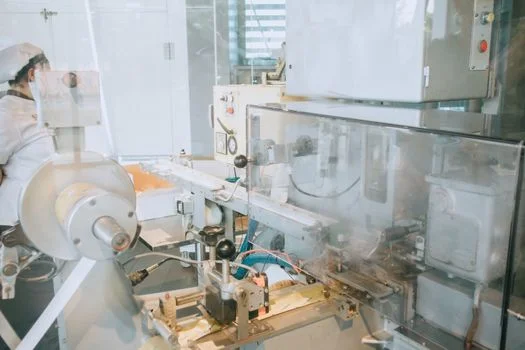
Capital expenditure for wastewater treatment in Coimbatore is heavily dictated by the technology's ability to handle specific industrial contaminants while maintaining a compact footprint. Membrane Bioreactor (MBR) systems represent the high end of the cost spectrum at ₹35,000–₹45,000 per KL, primarily due to the cost of high-grade PVDF membranes. However, these MBR systems for TNPCB-compliant effluent (BOD ≤ 10 mg/L) offer a 60% smaller footprint than conventional activated sludge systems, often saving the factory more in land value than the premium paid for the technology.
For industries dealing with high oils, fats, or suspended solids—such as food processing or pump manufacturing—Dissolved Air Flotation (DAF) is the benchmark. DAF systems range from ₹22,000 to ₹30,000 per KL and are exceptionally effective at treating influent with TSS levels between 300 and 1,500 mg/L. Meanwhile, smaller facilities or commercial complexes often utilize underground package plants for space-saving installation, which can reduce CAPEX to ₹18,000–₹25,000 per KL by utilizing prefabricated structures and minimizing on-site civil work.
| Capacity (KLD) | Technology Type | Estimated CAPEX (₹ Lakhs) | Footprint Req. (sq.ft) | TNPCB Compliance (BOD/TSS) |
|---|---|---|---|---|
| 50 | Package Plant (WSZ) | 12 – 15 | 400 – 600 | Compliant (<20/30) |
| 100 | SBR (Sequential Batch) | 22 – 28 | 1,200 – 1,500 | Highly Compliant (<10/20) |
| 100 | MBR (Membrane Bio) | 35 – 45 | 500 – 700 | Ultra-Compliant (<5/5) |
| 250 | DAF + Biological | 55 – 70 | 2,000 – 2,500 | Compliant (<20/30) |
| 500 | Conventional (CAS) | 85 – 110 | 5,000 – 7,000 | Borderline (Requires Tertiary) |
The choice between civil work and skid-mounted systems also impacts the budget. While reinforced concrete (RCC) structures add 20–30% to the initial CAPEX and require longer construction timelines, they are often necessary for large-scale industrial ETPs with variable hydraulic loads. Conversely, skid-mounted DAF systems for high-TSS influent (300–1,500 mg/L) can be installed up to 40% faster, making them ideal for factories needing to meet immediate compliance deadlines.
OPEX Sensitivity Analysis: Energy, Chemicals, and Labor Costs for Coimbatore Factories
Operating expenditure (OPEX) is where the "true" cost of a wastewater treatment plant is realized over its 15-20 year lifespan. In Coimbatore, energy is the most volatile variable. An MBR system, while superior in effluent quality, consumes between 0.8 and 1.2 kWh per KL of water treated. With local industrial power rates rising from ₹7/kWh in 2023 to nearly ₹9/kWh in 2025, the energy component alone now costs ₹1.50–₹2.00 more per KL than it did two years ago. For a 200 KLD plant, this represents an annual increase of over ₹1.4 lakhs in electricity alone.
Chemical costs are the second major variable, particularly for DAF and chemical-physical treatment units. Depending on the influent TSS and COD, chemical consumption (coagulants and flocculants) can range from ₹2,000 to ₹3,000 per KL per year. Textile units using reactive dyes often face the highest chemical OPEX, as they require specialized de-colorants to meet TNPCB visual standards. Labor costs remain relatively stable but require skilled operators for MBR and SBR systems to manage PLC interfaces and membrane cleaning cycles, typically costing ₹1.5L–₹2.5L per year for a mid-sized plant.
| Technology | Energy (₹/KL) | Chemicals (₹/KL) | Labor & Maint (₹/KL) | Total OPEX (₹/KL/Year) |
|---|---|---|---|---|
| MBR System | 9.00 – 11.00 | 1.50 – 2.50 | 3.50 – 4.50 | 12,000 – 15,000 |
| DAF System | 4.00 – 6.00 | 8.00 – 12.00 | 2.50 – 3.50 | 8,000 – 10,000 |
| Package Plant (WSZ) | 5.00 – 7.00 | 1.00 – 2.00 | 2.00 – 3.00 | 6,000 – 8,000 |
| SBR System | 7.00 – 9.00 | 1.50 – 2.50 | 3.00 – 4.00 | 9,000 – 11,500 |
Maintenance costs must also account for periodic equipment replacement. MBR membranes typically require replacement every 5 to 7 years, which can cost between ₹5L and ₹8L for a 100 KLD plant. To minimize these shocks, many Coimbatore facility managers are looking at a lamella clarifier cost and efficiency comparison to see if simpler physical separation can reduce the load on biological stages and extend membrane life.
Matching Technology to Industry: A Decision Framework for Coimbatore Factories
Selecting the right technology in Coimbatore depends on the specific "pollution profile" of the industry. Textile factories, which dominate the local landscape, struggle with high COD (500–2,000 mg/L) and intense color. For these units, a combination of DAF for primary solids removal followed by MBR for biological polishing is the gold standard for achieving the TNPCB's strict BOD ≤ 10 mg/L limit. This multi-stage approach ensures that the expensive membranes are protected from heavy solids, optimizing the total cost of ownership.
The food processing and poultry sectors in the Coimbatore periphery face a different challenge: extremely high TSS (300–1,500 mg/L) and Fats, Oils, and Grease (FOG). Here, DAF systems are indispensable. In contrast, the pharmaceutical and healthcare sectors require high-level disinfection. Hospitals, specifically, must treat 50–200 KLD of waste with a focus on pathogen removal, often utilizing ClO₂ generators for hospital wastewater disinfection to ensure zero microbial carryover into municipal drains.
| Industry | Influent (COD/TSS mg/L) | Recommended Technology | CAPEX (₹L/100 KLD) | OPEX (₹/KL/Year) |
|---|---|---|---|---|
| Textile Dyeing | 2,000 / 500 | DAF + MBR | 45 – 55 | 14,000 – 16,000 |
| Food Processing | 1,200 / 1,500 | DAF + SBR | 30 – 38 | 9,500 – 11,000 |
| Pharmaceutical | 3,000 / 200 | SBR + Tertiary + UV | 35 – 42 | 11,000 – 13,000 |
| Hospitals | 400 / 300 | WSZ + ClO₂ Gen | 18 – 24 | 7,000 – 8,500 |
| General Engineering | 600 / 800 | Chemical ETP + DAF | 25 – 32 | 8,500 – 10,000 |
For facilities with limited space, such as those in industrial estates like SIDCO, the WSZ series underground plants provide a viable path to compliance without sacrificing yard space. When high-purity water is not required for reuse, some factories may consider UV disinfection as an alternative to ClO₂ to further lower chemical handling risks and operational complexity.
TNPCB Compliance Checklist: Avoid ₹10L Penalties and Shutdowns in Coimbatore
Compliance in 2026 is no longer about submitting a quarterly report; it is about real-time data integrity. The TNPCB now mandates Online Continuous Effluent Monitoring Systems (OCEMS) for many industrial categories. These systems track pH, TSS, COD, and BOD levels 24/7, transmitting data directly to the board's servers. A single spike above the BOD 10 mg/L or TSS 20 mg/L threshold can trigger an automated alert, leading to an immediate inspection and potential ₹10L fine for repeat violations.
To ensure a zero-risk operation, Coimbatore factories should follow this checklist:
- Daily Monitoring: Manual testing of pH, TSS, and BOD to calibrate online sensors.
- Pre-Treatment Maintenance: Ensure the rotary mechanical bar screen is clear of debris to prevent pump failure.
- Chemical Calibration: Weekly calibration of the automatic chemical dosing system to prevent over-dosing, which can fluctuate pH and trigger violations.
- Sludge Management: Maintain a log of sludge disposal at TNPCB-authorized Common Hazardous Waste Treatment, Storage, and Disposal Facilities (CHWTSDF).
- Documentation: Keep 3 years of maintenance logs, energy meter readings for the ETP, and calibration certificates for all flow meters.
Common violations in the Coimbatore region often stem from inadequate primary treatment. For instance, food processors often exceed TSS limits because their grease traps are under-sized, leading to "biological shock" in the secondary treatment tanks. By installing high-efficiency primary components, factories can maintain a buffer against influent spikes and avoid the legal and financial repercussions of non-compliance.
ROI Calculator: How to Justify Your Wastewater Treatment Plant Investment
Justifying a ₹35L–₹45L investment in a wastewater treatment plant requires looking beyond simple compliance. The Return on Investment (ROI) is primarily found in two areas: avoided penalties and water reuse. In Coimbatore, where industrial water tankers can cost upwards of ₹1,000 per 12KL (roughly ₹83/KL), recycling treated effluent for non-process uses like cooling towers, floor cleaning, or landscaping provides a direct line-item saving.
| Cost / Saving Item | Estimated Amount (₹) | Notes |
|---|---|---|
| Initial CAPEX (100 KLD MBR) | (40,00,000) | Includes design, equipment, and installation |
| Annual OPEX (Energy, Chem, Labor) | (13,00,000) | Approx. ₹13,000 per KL/Year |
| Avoided TNPCB Penalties | 10,00,000 | Assumes one major fine avoided per year |
| Water Reuse Savings | 15,00,000 | 100 KLD @ 60% reuse @ ₹70/KL avg cost |
| Net Annual Benefit | 12,00,000 | Avoided costs + Reuse savings - OPEX |
| Payback Period | 3.33 Years | CAPEX / Net Annual Benefit |
For a 100 KLD textile unit, an MBR system typically pays for itself in under 4 years. using compact MBR systems for TNPCB-compliant effluent frees up land that can be used for production expansion. In a city where industrial land is at a premium, saving 1,000 sq.ft of space is equivalent to a ₹50L–₹80L "hidden" gain in asset value. Underground underground package plants offer even faster land-based ROI for commercial and light industrial users.
Frequently Asked Questions
What is the cheapest wastewater treatment plant for a 100 KLD textile factory in Coimbatore?
A DAF system (₹22L–₹30L CAPEX) is the most cost-effective primary treatment option. However, to meet the 2026 TNPCB limits for color and COD, it must be paired with a biological stage. While MBR (₹35L–₹45L) is more expensive upfront, it is the most reliable for handling variable COD loads (500–2,000 mg/L) without risking fines.
How much does it cost to maintain a 200 KLD MBR plant in Coimbatore?
Annual OPEX typically ranges from ₹2.4L to ₹3.0L for energy, chemicals, and routine labor. You must also budget for membrane replacement every 5–7 years, which currently costs approximately ₹5L–₹8L per 100 KLD of capacity in the local market.
Can I install a wastewater treatment plant underground to save space in Coimbatore?
Yes. WSZ series package plants are specifically engineered for underground installation. This approach is highly popular in Coimbatore's congested industrial zones as it reduces surface land requirements by 80%, saving approximately ₹5K–₹8K per sq.ft in land costs.
What are the TNPCB penalties for exceeding BOD limits in Coimbatore?
Under the Water Act, the TNPCB can levy fines of ₹10L for significant or repeat violations. For consistent non-compliance, they have the authority to issue closure notices and disconnect power/water supplies, as evidenced by the 127 notices issued in the 2023–24 period.
Is a package plant or conventional system better for a food processing factory in Coimbatore?
While package plants (₹18K–₹25K/KL) are cheaper, they often struggle with the variable TSS (300–1,500 mg/L) found in food processing. A DAF-based system (₹22K–₹30K/KL) provides better stability and ensures that fats and oils are removed before they can foul the biological treatment stage.