Why Kansas City Food and Beverage Plants Are Rethinking Primary Clarification in 2026
Kansas City food and beverage factories — dairy, meat, brewing, grain processing, and beverage bottling — generate effluent dominated by fats, oils, and grease (FOG), starches, proteins, and high BOD/COD ratios, the exact contaminant profile that triggers the most operational headaches at the headworks (per TRADESAFE, 2026). When a bottler or meat processor lets that stream reach the municipal collection system untreated, the result in 2026 is rising KC Water Industrial Pretreatment Program surcharges, not just a compliance warning. Pretreatment coordinators are tightening enforcement, biosolids hauling costs have climbed with regional tipping fees, and Kansas Department of Health and Environment (KDHE) permit triggers on the Kansas side of the metro add a second layer for plants straddling the state line.
Two federal anchors set the floor. 40 CFR Part 432 — the Food and Beverage Processing Point Source Category — defines categorical maximum daily and monthly average limits for BOD, TSS, FOG, and pH across subcategories (dairy, meat products, poultry, grain mills, breweries, beverage bottling). On top of that, KC Water's Industrial Pretreatment Program layers local discharge limits, monitoring requirements, and surcharges for any industrial user exceeding pollutant concentration thresholds (per EPA categorical standards, 2026 framing). A 2026 plant engineer in KC is therefore not choosing equipment in a regulatory vacuum — the DAF or clarifier must demonstrably hit both the federal categorical ceiling and the local surcharge trigger.
Three 2026 trends are forcing the rethink. First, energy and biosolids disposal costs continue to rise, pushing operators toward compact, lower-chemical systems. Second, AI-controlled chemical dosing and digital-twin monitoring are now table stakes for new CAPEX justifications — TRADESAFE (2026) notes that real-time aeration and dosing optimization "cut costs while holding effluent." Third, mid-size KC plants (50–250 m³/h) increasingly retrofit a hybrid train — DAF for primary FOG/TSS reduction, lamella clarifier for polishing — rather than picking one unit. The decision that follows in the rest of this guide turns on FOG load, surge frequency, footprint, and downstream sludge handling, not on brand loyalty or legacy preference. For background on how pretreatment compliance is enforced in similar mid-size food and beverage communities, the Food and Beverage Pretreatment compliance guide walks through the same federal/local interplay.
How Dissolved Air Flotation Works on Food Processing Wastewater
A dissolved air flotation (DAF) system removes suspended solids, FOG, and non-soluble organics by attaching fine air bubbles to chemically conditioned flocs and floating them to the surface, where a scraper sweeps the float off. The process flow is straightforward and well documented: (1) coagulant and flocculant dosing to form large flocs, (2) pressurized air-saturated recycle water released into the contact zone to generate 10–100 µm microbubbles, (3) bubble-floc attachment and rapid rise to the surface, (4) surface skimming of the float layer, and (5) clarified water collection from the bottom of the tank, with a portion recycled to the saturator (per wastewatermachinery DAF process description, 2026-02).
The performance envelope is the reason food plants default to DAF when FOG is the dominant contaminant. Published data for high-efficiency DAF units show TSS reduction up to 97% and COD removal of 60–80% on food processing effluent (wastewatermachinery technical sheet, 2026-02). Independent case data from a food processing plant with high oil content confirms ~95% FOG removal on a DAF versus ~70% on a clarifier treating the same stream (Ecologix 2026 case study). On a KC plant floor, the operational advantages that follow matter as much as the headline removal rates: small footprint, zero backwash, reduced chemical consumption versus comparable sedimentation, simple operation, and reduced downtime (wastewatermachinery advantage block, 2026-02).
For a 2026 vendor quote, the published selection criteria are concrete enough to interrogate. A high-efficiency DAF should quote a saturation pressure ≥ 5 bar, a VFD on the recycle pump, proprietary air-release nozzles for fine-bubble generation, a low hydraulic surface loading rate (HSR) — typically 5–25 m/h depending on application, with the lower end reserved for high-FOG streams — and PLC control with continuous effluent monitoring. Wetted parts in SS316 are the current standard for food-grade service. A unit that cannot document these four points is undersized for a KC food plant in 2026. The dissolved air flotation system is one example of a unit engineered to those published criteria; any shortlist should be benchmarked against the same checklist.
How Gravity and Lamella Clarifiers Handle Food and Beverage Streams
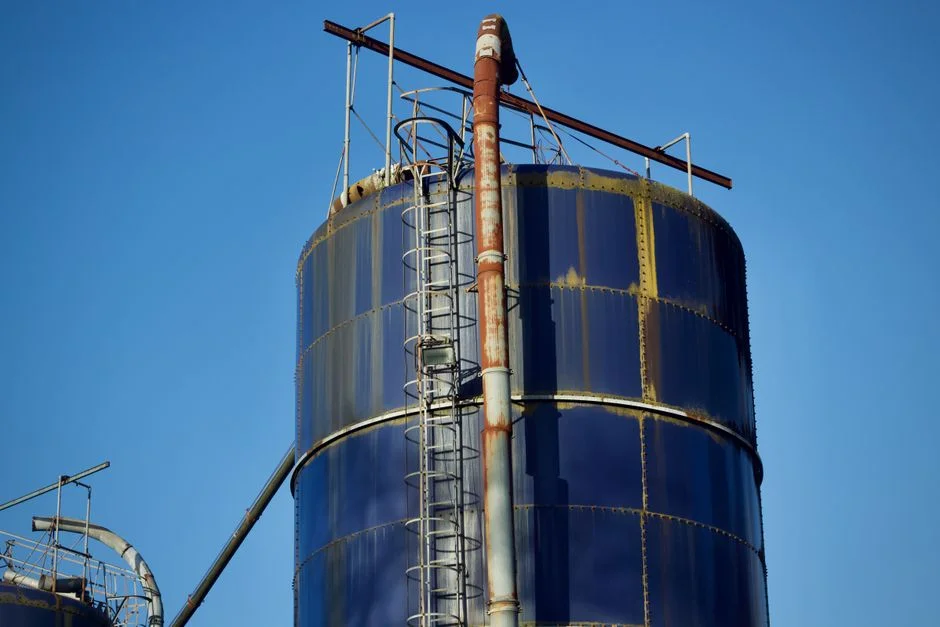
A conventional gravity clarifier relies on quiescent settling: heavier settleable solids drop to the bottom of a circular or rectangular tank under low horizontal velocity, clarified water overflows peripheral weirs, and bottom rakes move sludge to a central hopper for pumping to a thickener or dewatering device. The mechanism is simple, the energy demand is modest, and capital cost is generally lower than a DAF of equivalent hydraulic capacity (Ecologix 2026 selection guide).
A lamella clarifier upgrades that mechanism by installing a pack of inclined plates at 55–60° inside the tank. The plates multiply the effective settling area in a small footprint, allowing surface loading rates of 20–40 m³/m²/h — roughly 5–10× what a conventional clarifier of the same footprint can handle — and up to 30% lower chemical consumption than a conventional clarifier on the same stream (per high-efficiency sedimentation tank design parameters). Sludge slides down the inclined plates into a hopper, clarified water rises through the plate pack, and the unit can be built as a packaged steel skid for fast retrofit. The high-efficiency lamella clarifier in this category is a representative packaged design.
Where clarifiers win is well defined: heavy, settleable, inorganic-laden solids; low FOG; low hydraulic surge frequency; and plants that already operate gravity thickeners and want to reuse existing infrastructure without adding a saturator, recycle pump, or air compressor. The honest limitation is that on a high-FOG, fine-solids, or hot-CIP food stream, a clarifier alone typically delivers only ~70% oil/grease removal (Ecologix 2026 case study) — which is exactly the gap a DAF closes or that a hybrid train manages. A 2026-era plant engineer should not specify a clarifier alone on a meat-processing or dairy stream with weekly FOG spikes greater than ~150 mg/L without modeling the surcharge exposure.
DAF vs Clarifier for Food and Beverage Wastewater: Side-by-Side Comparison
This is the decision core. The matrix below is built to be screenshot and circulated to procurement and pretreatment — every row maps to a number, a published source, or a verifiable operating parameter so the comparison survives internal review.
| Parameter | Dissolved Air Flotation (DAF) | Lamella / Gravity Clarifier |
|---|---|---|
| Primary mechanism | Microbubble attachment to flocs; surface float removal | Gravity sedimentation; inclined-plate settling (lamella) or quiescent settling (conventional) |
| Typical FOG removal | ~95% (Ecologix 2026 case study) | ~70% on the same food stream (Ecologix 2026) |
| Typical TSS removal | Up to 97% (wastewatermachinery, 2026-02) | 80–90% on settleable solids; lower on colloidal or emulsified fractions |
| Typical COD removal | 60–80% (wastewatermachinery, 2026-02) | 30–50% on primary settling; higher with coagulant dosing |
| Surface loading / footprint | 5–25 m/h hydraulic surface loading; compact rectangular skid | 20–40 m/h on lamella plates; tall and narrow vs. conventional clarifier |
| Sensitivity to flow surges | High tolerance; recycle buffer absorbs short spikes | Low tolerance; rising velocity above design rate washes solids out |
| Chemical demand | Coagulant + flocculant; tuned per influent FOG/TSS | Coagulant optional; up to 30% lower consumption on lamella vs. conventional (per lamella design parameters) |
| Sludge consistency | Float 3–6% DS; thin, high-FOG | Bottom sludge 1–3% DS; lower FOG, easier to thicken |
| OPEX intensity | Higher (air compressor, saturator pump, polymer) | Lower (no aeration, modest pumping) |
| 2026 controls | PLC with effluent monitoring, VFD recycle, AI-driven polymer dosing | PLC optional; AI dosing available but less common |
| Best-fit stream | High FOG, fine suspended solids, surge-prone CIP flows | Heavy settleable solids, low FOG, steady hydraulic load |
The reading of the table for a KC plant engineer: if the influent carries >150 mg/L FOG or the line runs hot CIP surges during cleaning shifts, DAF is the lower-risk primary unit because it survives the surge and protects the downstream biological step from FOG shock. If the stream is grain rinse water with heavy, settleable grit and FOG is incidental, the lamella clarifier delivers a lower OPEX and avoids the saturator energy penalty. For a 2026 retrofit, the hybrid row in the table is increasingly common and is treated as a separate option in the next section.
When a 2026 Hybrid DAF + Lamella Clarifier Train Is the Better Answer
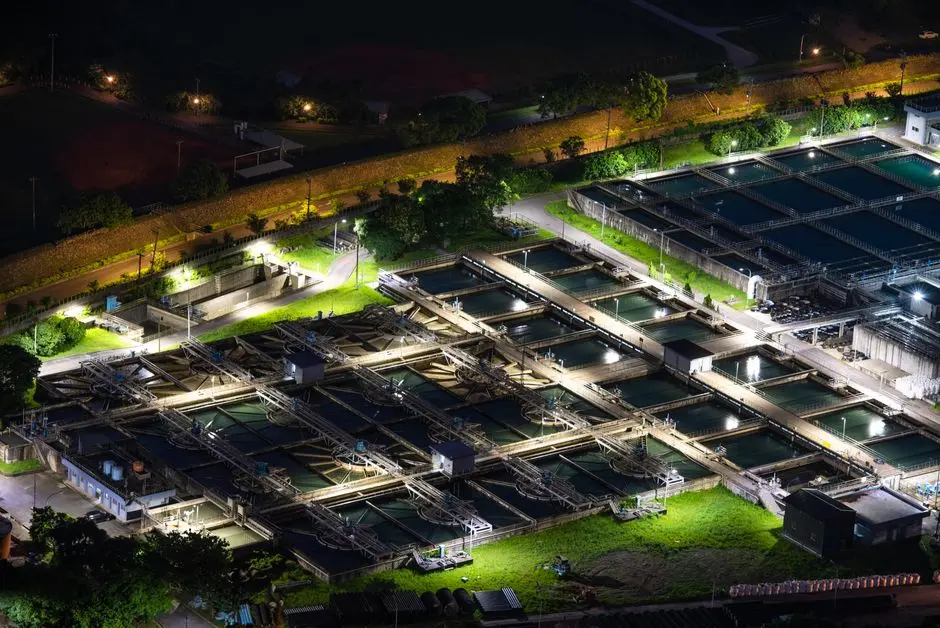
For most mid-size KC food and beverage plants (50–250 m³/h) in 2026, the most defensible CAPEX case is no longer either/or but a hybrid DAF + lamella clarifier train. The DAF sits upstream as primary FOG/TSS reduction; the lamella clarifier polishes residual suspended solids and thickens the clarifier underflow. The DAF float can then be sent to a plate and frame filter press for dewatering to 25–35% DS, cutting biosolids hauling volume — a real 2026 line item as KC-area tipping fees continue to rise.
Three reasons drive the hybrid preference in 2026. First, it handles CIP surges from food plants without the lamella clarifier washing out — the DAF evens the load before it reaches the plates. Second, the lamella polishing step protects the downstream biological stage (typically a MBBR or activated sludge) from TSS shock, which directly improves compliance with 40 CFR Part 432 monthly average limits. Third, the chemical program can be split: bulk coagulant on the DAF, low-dose polymer polish on the lamella, with both tied to one automatic chemical dosing system under PLC control. Published industry evidence supports the modularity: the MicroRise Circular DAF (Ovivo, 2025-2026) is explicitly designed to drop in front of an existing clarifier and can also "upgrade existing clarifiers into high-performance DAF systems with minimal disruption" — a useful option for KC plants with aging infrastructure that cannot absorb a full civil works shutdown.
The hybrid is not free. It adds a second vessel, a second control loop, and a slightly larger building footprint. For plants under 30 m³/h or those with a single strong contaminant (only FOG, or only grit), a single technology remains the right answer. For everyone else in the mid-size range in 2026, the hybrid is the default recommendation a pretreatment coordinator and procurement director will both recognize as defensible.
Sizing, Footprint, and a 2026 Vendor Checklist for Kansas City Plants
Sizing starts with a hydraulic loading rate. DAF units are typically sized at 5–25 m/h hydraulic surface loading — use the lower end (5–10 m/h) when FOG is high, the upper end when the stream is mostly TSS with low oil. Lamella clarifiers run at 20–40 m/h on the plate pack and can be verified by plate area × loading rate ÷ influent flow (per published lamella design parameters and wastewatermachinery selection criteria, 2026-02). A 100 m³/h KC food plant with high FOG should expect a DAF footprint on the order of 12 m × 4 m and a downstream lamella of roughly 6 m × 3 m — a fraction of the civil footprint of a conventional clarifier on the same flow.
The vendor checklist below is the three-question screen a procurement director and pretreatment coordinator should both sign off on before any quote is accepted.
| # | Question to vendor | Why it matters in 2026 |
|---|---|---|
| 1 | What FOG and TSS effluent guarantees do you put in writing at my design flow and temperature? | Converts a marketing claim into a contractual performance number tied to 40 CFR Part 432 and KC Water local limits. |
| 2 | Is the recycle pump on a VFD and is the saturator rated at ≥ 5 bar with SS316 wetted parts? | Verifies the unit meets published high-efficiency DAF selection criteria rather than a stripped-down commodity unit. |
| 3 | What PLC/SCADA integration and remote monitoring do you offer for 2026 compliance reporting? | Determines whether the unit can feed KC Water Surcharge monitoring and EPA ECHO reporting without manual data export. |
Local context still applies. KC Water Industrial Pretreatment Program surcharges bite hardest on BOD, TSS, and FOG exceedances; hauling distance to the nearest biosolids receiver affects OPEX materially; and a single-skid integration of DAF, lamella clarifier, and dosing on one structural base usually shortens install time on a tight KC-area shutdown window. The fastest path from this article to a defensible CAPEX request is to send your plant's influent flow, FOG/TSS/BOD profile, and surcharge history to engineering for a sized DAF, lamella, or hybrid train recommendation specific to your subcategory under 40 CFR Part 432. For a peer review of how DAF vs clarifier decisions play out in a similar mid-size food-and-beverage context, the DAF vs clarifier for food and beverage in Pattonsburg, MO guide applies directly across the state line.
Frequently Asked Questions
Should a Kansas City food or beverage factory choose DAF or a clarifier in 2026?
If the stream carries high FOG, fine suspended solids, or CIP surge flows, choose DAF — published data shows ~95% FOG removal and up to 97% TSS reduction on food processing effluent. If solids are heavy and settleable, FOG is low, and footprint cost dominates, a lamella clarifier is the better fit. For most mid-size KC plants in 2026, a hybrid DAF + lamella train is the default recommendation.
Can a DAF and a lamella clarifier be used together?
Yes. A hybrid DAF + lamella configuration uses the DAF for primary FOG and TSS reduction, then the lamella clarifier for polishing residual suspended solids and thickening sludge. This is the most common 2026 retrofit for mid-size food and beverage plants and is supported by published modular DAF designs that drop in front of an existing clarifier.
What regulatory limit applies to KC food plants?
KC food and beverage plants are bound by 40 CFR Part 432 (Food and Beverage Processing Point Source Category) at the federal level, plus the KC Water Industrial Pretreatment Program local discharge limits and surcharges on top. Plants on the Kansas side of the metro may also face KDHE permit triggers that mirror the federal categorical standards.
How much FOG and TSS removal should I expect from a DAF?
A properly sized high-efficiency DAF delivers up to 97% TSS reduction and 60–80% COD removal, with FOG removal around 95% on a typical food processing stream (per wastewatermachinery 2026-02 and Ecologix 2026 case data). Actual performance must be guaranteed in writing at your design flow and temperature.
Is a DAF or a clarifier cheaper to operate?
Clarifiers have lower routine OPEX because they have no saturator, no air compressor, and modest chemical demand. DAF systems carry higher energy and polymer cost but are more cost-effective when the contaminant is oil, FOG, or emulsified solids — which is the dominant case in KC food and beverage plants (Ecologix 2026 FAQ). Routine PAM polymer maintenance is documented in the PAM dosing system maintenance guide.