A comprehensive PAM dosing system maintenance guide includes 12 critical steps across daily, weekly, and quarterly cycles to prevent clogs, ensure dosing accuracy, and extend pump life. Hydraulic diaphragm metering pumps, commonly used in 1 m³ stainless steel systems, require calibration every 90 days to maintain ±2% accuracy and avoid polymer waste due to solution degradation after 4 hours.
Why PAM Dosing System Maintenance Matters
Poor PAM dosing system maintenance leads directly to operational failures in wastewater treatment, including poor flocculation, increased sludge volume, and unplanned downtime. Without regular maintenance, minor issues such as a partially clogged injector or degraded polymer solution can rapidly escalate into costly system disruptions. PAM (polyacrylamide) solution begins to degrade within 4 hours of mixing, potentially reducing flocculation efficiency by up to 40% (HydropureWater field data, 2025), which compromises solids separation. Inaccurate dosing or blocked injectors not only waste expensive polymer but also impair downstream processes. Poor dewatering, a frequent result of failed flocculation, can increase sludge disposal costs by 15–25% (industry standard). Additionally, hydraulic diaphragm metering pumps, while built for precision, are susceptible to premature failure without routine care such as quarterly diaphragm inspections and hydraulic oil changes. Consistent maintenance is essential for sustained efficiency and cost control in industrial wastewater operations.
Daily Maintenance Checklist
Daily checks prevent minor issues from developing into major system failures by ensuring chemical availability and consistent dosing performance. Operators should perform these inspections for 10–15 minutes at the start of each shift.
- Inspect Solution Tank Level and Mixer Operation: Verify that the PAM solution level is sufficient for daily operations. Observe the mixer to confirm smooth operation and ensure the PAM is fully dissolved, with no 'fish eyes' or undissolved clumps, which suggest poor mixing or aged solution.
- Check for Leaks: Visually inspect all connections, including the pump head, suction and discharge tubing, and the injection point. Even small drips may indicate failing seals or loose fittings, which can lead to chemical waste and safety risks.
- Verify Electrical Control Panel Indicators: Ensure no alarm lights are active on the PLC or relay system. An alarm indicates a fault such as low tank level or pump malfunction that requires immediate attention.
- Record Dosing Rate: Note the current dosing rate from the pump's display or control system. Compare it to the previous day’s reading or the target setpoint. Unexplained fluctuations may signal a blockage, pump issue, or control fault.
Following this daily routine reduces the risk of unexpected downtime and supports reliable operation of your PLC-controlled automatic chemical dosing system.
| Daily Check Item | Action | Purpose |
|---|---|---|
| Solution Tank Level | Verify adequate level | Ensure continuous chemical supply |
| Mixer Operation | Confirm smooth running, no 'fish eyes' | Ensure proper PAM dissolution |
| Leak Detection | Inspect pump head, tubing, injection point | Prevent chemical waste & safety hazards |
| Control Panel Status | Check for active alarms (PLC/relay) | Identify immediate system faults |
| Dosing Rate | Record and compare to setpoint | Detect pump/control issues early |
Weekly System Inspections
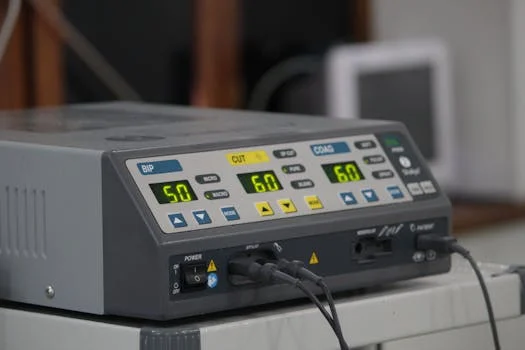
Regular weekly inspections help prevent chemical buildup and maintain reliable PAM solution delivery by focusing on fluid path integrity and mixing effectiveness. These tasks require 30–60 minutes and should be scheduled to avoid production interruptions.
- Flush Feed Lines with Clean Water: Flush suction and discharge lines with clean, pH-neutral water to prevent accumulation of sticky PAM residue, which can narrow tubing and increase back pressure or cause blockages.
- Clean Strainer Before Metering Pump Inlet: The inlet strainer protects the pump from particulates. A blocked strainer can reduce flow by up to 30% (HydropureWater field data, 2025). Disassemble, clean, and inspect the mesh for damage.
- Inspect Tubing for Cracks or Swelling: Examine all polymer feed tubing for cracks, kinks, or swelling. PAM can degrade certain plastics over time. Replace tubing every 6 months or sooner if signs of wear appear.
- Verify Mixer RPM: Use a handheld tachometer to confirm the mixer's rotational speed. Under-mixing results in incomplete dissolution, while over-mixing shears polymer chains. Maintain RPM within the manufacturer’s range, typically 60–80 RPM for 1 m³ tanks.
Quarterly Deep Maintenance Protocol
Quarterly deep maintenance ensures long-term reliability of hydraulic diaphragm metering pumps and accurate dosing performance. This service requires a planned shutdown and includes component inspection, calibration, and system cleaning.
- Disassemble Metering Pump Head: Remove the pump head and inspect the diaphragm for wear, tears, cracks, or swelling. A damaged diaphragm can cause hydraulic oil contamination or chemical leaks. Replace it immediately if compromised (HydropureWater field data, 2025).
- Change Hydraulic Oil in Diaphragm Chamber: Replace the hydraulic oil every three months. This oil transmits force to the diaphragm, and degraded oil affects stroke accuracy and pump life. Use only the manufacturer-specified oil to ensure optimal performance.
- Calibrate Dosing Pump: Perform full calibration by setting the pump to stroke percentages (25%, 50%, 75%, 100%) and measuring actual output over one minute. Adjust settings until output is within ±2% of the nominal rate to ensure dosing accuracy and efficient chemical use.
- Check Check Valves for Debris or Wear: Inspect suction and discharge check valves for debris, wear on balls or seats, or sticking. Replace worn valves to prevent backflow and maintain consistent dosing.
- Clean Solution Tank Interior: Drain and clean the interior of the PAM solution tank. Accumulated residue can affect concentration accuracy and harbor bacteria that degrade polymer. A clean tank supports consistent solution quality in your automatic chemical dosing system.
| Quarterly Maintenance Item | Action | Standard/Tolerance |
|---|---|---|
| Metering Pump Diaphragm | Inspect for tears, cracks, swelling | Replace if any damage detected |
| Hydraulic Oil Change | Drain and refill diaphragm chamber | Use manufacturer-specified oil |
| Dosing Pump Calibration | Measure output at 25%, 50%, 75%, 100% stroke | Output within ±2% of nominal rate |
| Check Valves | Inspect for debris, wear, reverse flow | Replace if worn or reverse flow detected |
| Solution Tank Cleaning | Drain and clean interior | Remove all accumulated sludge/residue |
PAM Solution Preparation Best Practices
Proper PAM solution preparation is essential for achieving maximum flocculant performance and avoiding issues such as incomplete dissolution or premature degradation. The quality of the prepared solution directly affects the effectiveness of the entire dosing system.
- Use Clean, pH-Neutral Water: Always prepare PAM with clean, potable water. Chlorinated or highly acidic/alkaline water can degrade polymer chains, reducing charge density and flocculation performance. Dechlorinated or softened water is preferred when available.
- Mixing Time and Speed: For a 1 m³ tank, mix for 45–60 minutes at 60–80 RPM. Insufficient time or speed causes 'fish eyes'; excessive speed (over 80 RPM) shears polymer chains, reducing effectiveness.
- Optimal Concentration: Maintain PAM solution concentration between 0.1% and 0.5%. Higher concentrations may gel and clog lines; lower concentrations increase dosing volume and pump wear.
- Limited Storage Time for Mixed Solution: Do not store mixed PAM solution longer than 4 hours. Beyond this point, polymer chains degrade and flocculation performance declines. Prepare only the amount needed for immediate use.
Following these practices ensures the polymer delivered by your automatic chemical dosing system performs at peak efficiency.
Troubleshooting Common PAM Dosing Issues
Fast and accurate troubleshooting minimizes downtime and maintains treatment efficiency by identifying root causes of dosing problems.
- Symptom: Poor Flocculation
- Cause: PAM solution degradation (older than 4 hours), incorrect concentration, or mixer malfunction (under-mixing/over-mixing).
- Solution: Prepare fresh PAM solution, verify concentration, inspect and repair mixer operation (RPM).
- Symptom: Low Flow Rate / No Flow
- Cause: Blocked inlet strainer, kinked or clogged tubing, faulty check valves (suction or discharge), or air lock in the pump head.
- Solution: Clean inlet strainer, inspect/clear tubing, replace check valves, prime pump to remove air.
- Symptom: Pump Cycling Erratically / Inconsistent Dosing
- Cause: Air trapped in the hydraulic chamber, incorrect back pressure setting, worn diaphragm, or voltage fluctuations.
- Solution: Bleed air from hydraulic chamber, replace hydraulic oil if foamy, inspect/replace diaphragm, verify power supply stability.
- Symptom: Dosing Inaccuracy
- Cause: Pump requires recalibration, incorrect stroke setting vs. PLC signal, worn check valves allowing backflow, or air in the pump head.
- Solution: Recalibrate pump (as per quarterly protocol), verify control signal consistency, inspect/replace check valves, ensure pump is fully primed.
| Symptom | Probable Cause | Actionable Solution |
|---|---|---|
| Poor Flocculation | Degraded PAM, incorrect concentration, mixer fault | Prepare fresh PAM, adjust concentration, repair mixer |
| Low/No Flow Rate | Blocked strainer, clogged tubing, faulty check valves, air lock | Clean strainer, clear tubing, replace check valves, prime pump |
| Erratic Pump Cycling | Air in hydraulic chamber, incorrect back pressure, worn diaphragm | Bleed air, change oil, inspect/replace diaphragm |
| Dosing Inaccuracy | Pump needs calibration, incorrect stroke setting, worn check valves | Recalibrate pump,
Get a Free Quote — Tell Us About Your Project
Contact Us
|