Why Tamale Needs Modern Sewage Treatment Equipment
Tamale's rapid growth, marked by a population exceeding 360,000 and a status as West Africa's fastest-growing city, places immense strain on its existing wastewater infrastructure. Data from Pureco's Tamale WWTP project indicates that only a fraction, between 7-10%, of the city's wastewater is adequately treated, leading to significant public health risks, including the cholera outbreaks reported in 2022 according to WHO data. Non-compliance with environmental regulations carries substantial penalties, with the Ghana EPA imposing fines ranging from GHS 50,000 to GHS 200,000 per violation, as stipulated in the 2024 Ghana Environmental Sanitation Policy. Key industrial sectors such as food processing, exemplified by Tamale's tomato paste plants, textiles, and healthcare facilities, are significant contributors to the wastewater load, necessitating advanced treatment solutions. Tamale's climate presents unique challenges: ambient temperatures often ranging from 30–40°C can accelerate biological processes, demanding robust aeration systems, while seasonal rainfall introduces variability in influent characteristics, requiring adaptable treatment technologies.
Types of Sewage Treatment Equipment Available in Tamale
Selecting the right sewage treatment equipment for Tamale involves understanding the available technologies and deployment models. Modular systems offer rapid deployment, typically requiring 4–6 weeks for installation, making them ideal for projects with tight timelines, whereas traditional turnkey solutions can take 6–12 months to complete. HydropureWater offers a range of solutions tailored to Tamale's needs:
- A/O (Anoxic/Oxic) Systems: These are well-suited for municipal sewage treatment, similar to Pureco’s Septopure® system implemented at the Tamale WWTP. They can handle capacities from 100 to 5,000 m³/d and achieve BOD removal rates of 85–95%. For Tamale’s municipal projects, these systems provide a reliable and cost-effective solution.
- MBR (Membrane Bioreactor) Systems: For facilities requiring high-quality effluent, such as hospitals, MBR technology is paramount. It achieves effluent standards of less than 10 mg/L TSS and offers 99% pathogen removal. A key advantage for urban environments like Tamale is its compact footprint, being up to 60% smaller than conventional systems. You can explore our MBR Membrane Bioreactor Wastewater Treatment System.
- DAF (Dissolved Air Flotation) Systems: These are particularly effective for industrial wastewater, including that from Tamale’s food processing and textile sectors. DAF systems can remove 92–97% of FOG (Fats, Oils, and Grease) and 80–90% of TSS, aligning with EPA 2023 benchmarks. Our Dissolved Air Flotation (DAF) System is designed for these applications.
- Septic Tank Upgrades: For smaller communities or rural areas, enhancing existing septic tank systems with add-on aerobic treatment units (ATUs) can significantly improve effluent quality to below 30 mg/L BOD, offering a cost-effective upgrade path.
When considering suppliers in Tamale, a distinction exists between local fabricators and international manufacturers. Local suppliers often provide quicker response times and potentially lower initial costs for simpler systems, while international firms may offer more advanced technologies and a broader range of support, albeit with longer lead times.
| Equipment Type | Typical Capacity (m³/d) | Primary Application | Key Performance Indicators (KPIs) | Typical Lead Time (Weeks) | Notes for Tamale |
|---|---|---|---|---|---|
| Modular A/O Systems | 100–5,000 | Municipal Sewage | BOD Removal: 85–95% | 4–6 | Fast installation, cost-effective for urban areas. Similar to Pureco’s Septopure®. |
| MBR Systems | 10–2,000 | Hospitals, High-End Residential | TSS: <10 mg/L, Pathogen Removal: 99% | 8–12 | Compact footprint, superior effluent quality for sensitive discharge or reuse. |
| DAF Systems | 50–500 | Food Processing, Textiles, Abattoirs | FOG Removal: 92–97%, TSS Removal: 80–90% | 6–10 | Essential for industrial clients in Tamale managing FOG and suspended solids. |
| Septic Tank + ATU | 5–50 | Small Communities, Rural Households | BOD Reduction: Up to 80% | 2–4 | Cost-effective enhancement for decentralized wastewater management. |
Tamale Sewage Treatment Equipment Suppliers: 2025 Comparison Matrix
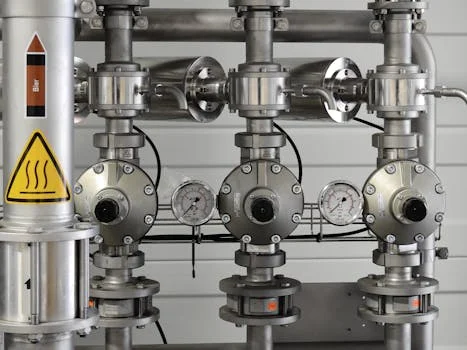
Selecting the right sewage treatment equipment supplier in Tamale requires a data-driven approach. The following matrix provides a comparative overview of key players and their offerings, helping municipal engineers and facility managers make informed decisions. This data is compiled from supplier information, industry benchmarks, and case studies relevant to Ghana.
| Company | Location | Technology Offered | Capacity Range (m³/d) | Typical Effluent Quality (BOD/TSS/NH₄-N mg/L) | Estimated Capital Cost (GHS/m³/d) | Estimated O&M Cost (GHS/m³) | Lead Time (Weeks) | Ghana EPA Compliant (Standard) | Local Support (Tamale/Accra) |
|---|---|---|---|---|---|---|---|---|---|
| Pureco | International (Project in Tamale) | Turnkey A/O Systems | 100–10,000 | <20 / <30 / N/A | 3,500 | 0.8 | 24 | Yes | Tamale Service Center |
| Vikas Pump | International (Ghana Presence) | Modular DAF Systems | 50–500 | N/A / <50 / N/A | 2,200 | 1.2 | 6 | Yes (with add-ons) | Accra Service Center |
| GIECL | Accra | MBR Systems | 10–2,000 | <10 / <10 / <5 | 4,800 | 1.5 | 36 | Yes | Accra Service Center |
| Local Fabricators | Tamale | Septic Tank Upgrades, Basic ATUs | 5–50 | <100 / <150 / N/A | 1,200 | 0.5 | 4 | Partial (requires add-ons) | Direct (Tamale) |
This comparison highlights the trade-offs between advanced technologies and local solutions. For comprehensive municipal projects like the Tamale WWTP, established international suppliers with local support, such as Pureco, offer integrated solutions. Industrial facilities in Tamale requiring specific contaminant removal might find modular systems from suppliers like Vikas Pump more agile. For specialized high-quality effluent needs, GIECL's MBR offerings are relevant. Local fabricators provide accessible, albeit less advanced, solutions for smaller-scale applications. For a broader perspective on suppliers across Ghana, consult the Sewage Treatment Equipment Suppliers in Ghana: 2025 Engineering Buyer’s Guide.
Cost Breakdown: Sewage Treatment Plants in Tamale (2025 Data)
Accurate budgeting for sewage treatment projects in Tamale requires a detailed understanding of both capital expenditure (CAPEX) and operational expenditure (OPEX). Based on 2025 cost estimations for a 1,000 m³/d A/O system, a significant portion of the capital investment is allocated to equipment, typically 60–70% of the total project cost. For such a system, the equipment alone could range from GHS 2.1 million to GHS 2.8 million, with a total estimated capital cost of approximately GHS 3 million.
| Cost Component | Estimated Percentage of CAPEX | Example Cost for 1,000 m³/d A/O System (GHS) |
|---|---|---|
| Equipment | 60–70% | 2,100,000 – 2,800,000 |
| Civil Works (Excavation, Tanks) | 15–20% | 450,000 – 600,000 |
| Installation (Electrical, Mechanical) | 5–10% | 150,000 – 300,000 |
| Permits & Approvals (Ghana EPA) | 2–5% | 60,000 – 150,000 |
| Total Estimated CAPEX | 100% | 2,760,000 – 3,850,000 |
Operational and maintenance (O&M) costs are also a critical factor in the long-term financial planning for a Tamale wastewater treatment plant. These typically represent an annual expense. For a 1,000 m³/d facility, annual O&M costs can be estimated as follows:
| O&M Cost Component | Estimated Percentage of Annual O&M | Example Annual Cost for 1,000 m³/d A/O System (GHS) |
|---|---|---|
| Energy (Pumps, Aeration) | 40–50% | 150,000 – 187,500 |
| Chemicals (Coagulants, Disinfectants) | 20–30% | 75,000 – 112,500 |
| Labor (Operator, Technicians) | 15–20% | 56,250 – 75,000 |
| Maintenance & Repairs | 10–15% | 37,500 – 56,250 |
| Total Estimated Annual O&M | 100% | 318,750 – 431,250 |
To mitigate costs in Tamale projects, consider leveraging modular systems like the WSZ underground integrated sewage treatment, which can reduce extensive civil works. Ghana’s import duty exemptions on specific water treatment technologies can also offer significant savings. Partnering with local contractors for civil works can yield labor cost reductions of up to 30%.
Compliance Checklist: Ghana EPA Standards for Tamale Projects
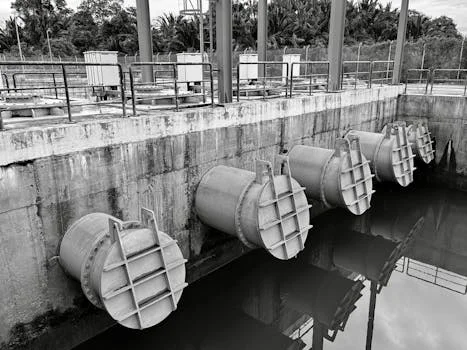
Ensuring compliance with Ghana's environmental regulations is paramount for any sewage treatment project in Tamale. The Ghana Environmental Protection Agency (EPA) sets stringent effluent standards for discharge into water bodies, which are critical for protecting public health and the environment. These standards, updated for 2024, include:
- Biochemical Oxygen Demand (BOD): Less than 50 mg/L
- Total Suspended Solids (TSS): Less than 100 mg/L
- Ammonia Nitrogen (NH₄-N): Less than 10 mg/L
- pH: Between 6 and 9
- E. coli: Less than 1,000 CFU/100 mL (required for wastewater reuse in irrigation)
The following checklist outlines the essential steps for achieving compliance for Tamale projects:
- Site Assessment and Feasibility Study: Conduct thorough soil percolation tests. Given Tamale’s prevalent clay soils, this is crucial for determining the suitability and size of land application systems or drain fields.
- Environmental Impact Assessment (EIA) and Permit Application: Submit a comprehensive EIA report to the Ghana EPA Northern Regional Office. Expect processing times of 8–12 weeks for approvals.
- Technology Selection and Design Validation: Choose treatment systems with a proven track record in similar climates. For instance, MBR systems are recommended for hospitals due to their high pathogen removal, while DAF systems are effective for industrial wastewater.
- Monitoring and Reporting Plan Development: Implement a robust monitoring plan that includes the installation of flow meters and designated sampling ports. Tamale's high ambient temperatures may necessitate more frequent sampling schedules, potentially weekly rather than monthly, to accurately reflect effluent quality.
- Operator Training and Certification: Ensure all operational staff are adequately trained and certified. Programs offered by the Ghana Water Company or reputable equipment suppliers like HydropureWater are often mandatory for final EPA approval.
Common compliance challenges in Tamale can include underestimating the impact of seasonal rainfall on influent flow rates and concentrations, overlooking strict sludge disposal regulations which mandate the use of licensed haulers for transport, and skipping pilot testing, which is vital for industrial wastewater streams with potentially unknown or variable contaminants.
Vendor Evaluation Framework: How to Choose a Supplier in Tamale
Selecting the optimal sewage treatment equipment supplier in Tamale requires a structured evaluation process. A decision matrix, where criteria are weighted based on project priorities, can guide this selection. For a typical municipal project in Tamale, a weighted framework might look like this:
| Evaluation Criterion | Weight (%) | Key Considerations for Tamale |
|---|---|---|
| Technical Capability & Proven Performance | 30% | Does the supplier offer Tamale-proven technologies? (e.g., A/O for municipal, MBR for hospitals, DAF for specific industrial needs). Check for local case studies or references. |
| Total Cost of Ownership (CAPEX + OPEX) | 25% | Evaluate both upfront capital costs and long-term operational expenses. Refer to the cost breakdown table for benchmarks. |
| Compliance Assurance | 20% | Does the proposed system reliably meet Ghana EPA discharge standards out-of-the-box? Request documentation and performance guarantees. |
| Local Support & Responsiveness | 15% | Availability of a service center in Tamale or Accra with guaranteed response times (e.g., <24 hours for critical issues). |
| Project Timeline & Lead Time | 10% | Can the supplier deliver and commission the equipment within the project's established schedule? Assess their manufacturing and logistics capabilities. |
When engaging with potential suppliers, ask targeted questions:
- Can you provide a reference project in Tamale or the wider Northern Ghana region?
- What is the warranty period for the equipment, and specifically for critical components like MBR membranes (typically 3–5 years)?
- Do you offer comprehensive operator training and certification programs compliant with local requirements?
- What is your average response time for technical support calls in Tamale?
Be vigilant for potential red flags, such as suppliers without a physical service presence in Tamale or Accra, vague guarantees regarding compliance with Ghana EPA standards, or a reluctance to conduct pilot testing for industrial wastewater projects where influent characteristics may be variable.
Frequently Asked Questions
How much does it cost to set up a sewage treatment plant in Tamale?
Costs can range significantly, from approximately GHS 500,000 for a 100 m³/d modular system to GHS 5 million for a 1,000 m³/d turnkey MBR plant. The primary cost drivers include the chosen technology (e.g., A/O vs. MBR), the extent of civil works required, and any specific compliance add-ons needed to meet Ghana EPA standards. Detailed cost breakdowns are available in the dedicated section of this guide.
Which company supplies water and sewage treatment equipment in Ghana?
Several companies operate in Ghana. Prominent suppliers include Pureco, known for its work on the Tamale WWTP; Vikas Pump, an international manufacturer with a presence in Ghana offering DAF systems; GIECL, an Accra-based firm specializing in MBR systems; and numerous local fabricators in Tamale who can provide septic tank upgrades and simpler treatment solutions. For a comprehensive overview, consult the Sewage Treatment Equipment Suppliers in Ghana: 2025 Engineering Buyer’s Guide.
What is the best sewage treatment system for Tamale’s climate?
For municipal sewage treatment in Tamale's high-temperature climate, A/O systems, such as Pureco’s Septopure®, are highly effective due to their robust biological treatment capabilities and ability to handle variable flows. For industrial applications, DAF systems from manufacturers like Vikas Pump are recommended for efficient removal of FOG and TSS. Hospitals and facilities requiring stringent pathogen control should opt for MBR systems due to their superior effluent quality.
Where can I find used sewage treatment equipment in Tamale?
Opportunities for used sewage treatment equipment in Tamale may arise from local fabricators, Ghana Water Company surplus auctions, or private sales. It is critical to ensure that any used equipment can still meet current Ghana EPA discharge standards (e.g., <50 mg/L BOD) and comes with valid service records or warranties. Thorough inspection and performance verification are essential to avoid future compliance issues.
What are the Ghana EPA requirements for sewage discharge in Tamale?
The Ghana EPA mandates that effluent discharged into water bodies must meet specific standards: BOD below 50 mg/L, TSS below 100 mg/L, NH₄-N below 10 mg/L, and a pH between 6 and 9. For wastewater reuse in irrigation, E. coli levels must be below 1,000 CFU/100 mL. The Northern Regional EPA office in Tamale enforces these regulations. Refer to the compliance checklist for a detailed guide on achieving and maintaining adherence.