Why Ghana Plants Need Sewage Treatment Equipment Now
Sewage treatment equipment suppliers serving Ghana must design for EPA discharge limits, limited sewer coverage, and industrial load growth in Accra, Tema, and Kumasi. Only about 15% of urban wastewater was safely treated in recent World Bank reporting, so most industrial and estate sites need on-site plants to stay permitted and avoid fines.
In 2024, EPA Ghana issued 472 enforcement notices for untreated effluent—up 28% year over year—with fines from ₵20K to ₵200K per violation (EPA Ghana Annual Report 2024). Food processing drives about 35% of new on-site projects, textiles 22%, mining 18%, and hospitality 15%. Exporters face export-certification risk when effluent fails. The 2023 cholera outbreaks in Accra pushed more estates toward on-site treatment for continuity and licensing.
What Discharge Limits Must Your Plant Meet in Ghana?
EPA Ghana discharge limits for general industrial effluent commonly require BOD₅ below 50 mg/L, COD below 250 mg/L, and TSS at or below 50 mg/L under widely cited agency guidance. Earlier buyer tables sometimes listed a tighter general TSS of <30 mg/L for Ghana versus <50 mg/L in Côte d’Ivoire.According to the Environmental Protection (Effluent) Regulations, 2025 (L.I. 2506), commenced 25 July 2025, discharges must comply with Ghana Standard GS 1212. Earlier project framing often cited LI 1657-era assessment practice; L.I. 2506 now anchors permits to GS 1212. Buyers comparing markets should also review how Nigeria’s wastewater market compares to Ghana’s.
| Parameter | EPA Ghana 2025 Limit (General) | Textile/Dye Specific Limit | Mining/Heavy Metal Limit |
|---|---|---|---|
| Biochemical Oxygen Demand (BOD₅) | <50 mg/L | <40 mg/L | <30 mg/L |
| Chemical Oxygen Demand (COD) | <250 mg/L | <150 mg/L | <100 mg/L |
| Total Suspended Solids (TSS) | <30 mg/L | <20 mg/L | <10 mg/L |
| pH Level | 6.0 – 9.0 | 6.5 – 8.5 | 6.0 – 9.0 |
| Fecal Coliform | <1,000 CFU/100mL | N/A | <400 CFU/100mL |
| Arsenic/Lead | <0.1 mg/L | N/A | <0.05 mg/L |
For pathogen limits, project tables often show fecal coliform <1,000 CFU/100 mL. Ghana EPA guidance cited in Accra plant studies sets E. coli at 10 CFU/100 mL and total coliforms at 400 CFU/100 mL (Adjei et al., 2023). Permitting typically takes 4 to 8 weeks. Plants processing more than 50 m³/day usually need a documented Environmental Impact Assessment (EIA).
Sewage Treatment Equipment Types for Ghana: Specs, Costs, and Use Cases
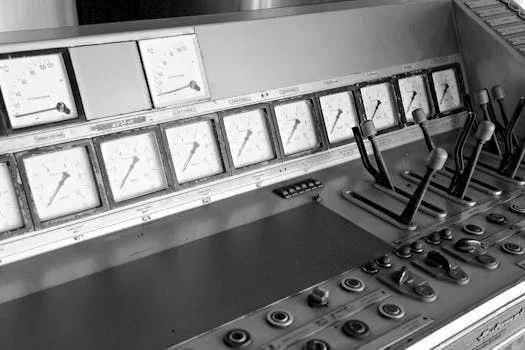
Technology choice in Ghana turns on footprint, influent strength, and how much automation the site can support. For hotels and housing estates in Accra, a Underground Package Sewage Treatment Plant (WSZ Series) is often preferred. It cuts odor and visual impact while delivering 90–95% TSS removal with A/O contact oxidation and sedimentation. Most plants we size for commercial compounds run at the lower end of that capacity band when land prices force underground packages.
Food processors and palm oil plants with high FOG need a high-efficiency DAF system for industrial wastewater with FOG and TSS removal. Engineers then decide when to choose DAF over sedimentation for Ghanaian projects based on floatable solids. Hospitals and pharmaceutical sites aiming near reuse quality typically specify an MBR system for near-reuse-quality effluent in municipal and industrial projects for pathogen and nutrient polishing.
| System Type | Capacity Range | TSS Removal | CAPEX Range (GH₵) | OPEX (GH₵/m³) |
|---|---|---|---|---|
| Underground (WSZ) | 1 – 80 m³/h | 90 – 95% | ₵80K – ₵250K | ₵5 – ₵15 |
| DAF Systems | 4 – 300 m³/h | 92 – 97% | ₵120K – ₵400K | ₵8 – ₵20 |
| MBR Systems | 10 – 2,000 m³/day | >99% | ₵300K – ₵500K | ₵12 – ₵25 |
| Chemical Dosing | 0.1 – 10 L/h | N/A | ₵20K – ₵80K | ₵2 – ₵5 |
Cost Breakdown: Sewage Treatment Equipment in Ghana
Total cost of ownership in Ghana is driven by power tariffs and local maintenance skill more than sticker price. CAPEX is the visible line item, yet OPEX often accounts for 60–70% of lifetime cost. Local civil and piping labor can run 30–50% below foreign contractor rates, but electricity still bites—MBR packages commonly draw about 0.3–0.8 kWh/m³. Benchmarking how Ghana’s costs compare to other African markets helps regional boards set realistic budgets.
| Cost Category | Estimated Range (GH₵) | Notes |
|---|---|---|
| Equipment CAPEX | ₵50K – ₵500K | Depends on technology (WSZ vs MBR) |
| Installation & Civil | 15 – 30% of CAPEX | Excavation, piping, and electrical |
| Annual Maintenance | 2 – 5% of CAPEX | Preventive checks and parts |
| Chemicals & Consumables | ₵2 – ₵10 / m³ | Polymers, coagulants, and chlorine |
| Membrane Replacement | ₵20K – ₵50K / year | Specific to MBR systems (3-5 year life) |
ROI case: A mid-sized Tema food plant installed a ₵200K underground package plant. It had been paying ₵80K/year in EPA fines and ₵60K in tanker fees. After treating and reusing 40% of process water for flushing and irrigation, first-year savings reached about ₵120K—roughly a 1.7-year payback.
How Do You Compare Sewage Treatment Equipment Suppliers?
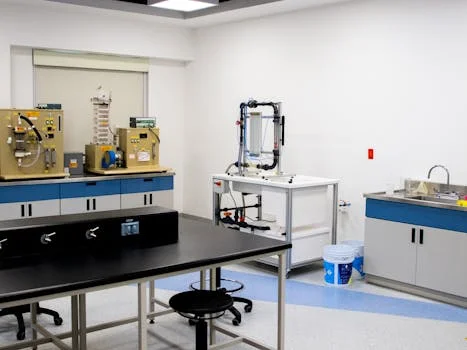
Wastewater equipment suppliers in Ghana split between local service-heavy firms and global manufacturers with distributors. Procurement teams should weigh on-site repair speed against CAPEX and documented performance. The comparison below scores vendors on EPA fit, lead time, and support model—not brand claims.
| Supplier | Core Strength | Lead Time | Compliance Level | Technical Support |
|---|---|---|---|---|
| Pumptech Ghana | Pumping & Dosing | 4 – 8 Weeks | High (Local EPA) | On-site local team |
| Sonapra | Full Design-Build | 10 – 12 Weeks | High (Full EPC) | Comprehensive |
| Watch Water Ghana | Heavy Metal Removal | 6 – 10 Weeks | Specialized | Consultancy-based |
| HydropureWater Env. | MBR & DAF Systems | 2 – 4 Weeks | High (Global/EPA) | Remote + Local Dist. |
| Vikas Pump | Budget Systems | 6 – 10 Weeks | Moderate | Limited |
Ask for Ghana reference sites before signing. Mining sites often need heavy-metal specialists; high-load food effluent needs proven TSS removal near 97% under peak flow. Local assembly can cut four weeks versus pure import—sometimes the difference between an EPA deadline and a shutdown notice.
What Makes a Wastewater Equipment Supplier Reliable?
Reliable wastewater treatment plant equipment suppliers for utilities prove three things in writing: peak-load effluent performance, spare-parts lead time in Ghana, and a night-shift response path for blower or PLC failures. Accra’s municipal network still depends on few working plants. Research on the Legon STP notes that of about 11 STPs built with donor support, only three were fully operational at study time, with Legon designed for 9,000 m³/day (Adjei et al., 2023). That scarcity is why industrial and estate buyers cannot assume a public sewer will absorb their load.
Use this five-step filter before you award a contract:
- Step 1 — Scope the load: Measure daily flow (m³/day) and influent BOD, TSS, and FOG. Hospitals prioritize pathogen kill; factories usually prioritize chemical and organic load.
- Step 2 — Compliance guarantee: Shortlist only vendors that will contract to EPA Ghana / GS 1212 limits, not brochure averages.
- Step 3 — Technical package: Require a process flow diagram and data sheets. Confirm PLC and electrics match Ghana’s 230 V / 400 V, 50 Hz grid.
- Step 4 — Five-year TCO: Add energy and chemicals. A cheap skid with inefficient blowers often costs more within 24 months.
- Step 5 — Operator interviews: Visit two local installs and ask operators—not sales—how often the plant trips and how fast the vendor arrives.
Procurement Checklist for Installing Treatment Equipment in Ghana
Facility managers should close both technical and regulatory gaps before steel arrives on site:
- Obtain EPA permit: Start early; systems over 50 m³/day typically need an EIA.
- Lock effluent targets: Align influent/effluent specs to current EPA / GS 1212 limits.
- Collect 3–5 quotes: Compare CAPEX, OPEX, and at least 12 months mechanical warranty.
- Survey the site: Check soil for underground tanks and distance to power and water.
- Arrange financing: Screen green-project grants or bank lines for environmental upgrades.
- Sign with milestones: Tie payments to delivery and performance, with delay penalties.
- Start civil works: Excavate and pour foundations while equipment is in transit.
- Install under supervision: Use a certified engineer for mechanical and electrical hook-up.
- Commission and train: Run a 72-hour stress test and train operators on daily checks.
- Schedule EPA sampling: Book the first official sample within 30 days of startup.
Who This Is For / Next Step
This guide is for plant engineers, EPC contractors, and procurement managers sizing on-site systems for Ghanaian factories, hotels, hospitals, and estates that lack reliable sewer connection. Look elsewhere if you only need a tanker contract with no treatment duty, or if your site already discharges to a proven municipal plant with spare capacity. For a scoped quote against your flow and effluent targets, submit your influent data through our request a project quote form.
Frequently Asked Questions
How much does sewage treatment equipment cost in Ghana?
CAPEX typically ranges from ₵50K for small underground systems around 10 m³/day to ₵500K for industrial MBR plants near 500 m³/day. OPEX usually falls between ₵5 and ₵25 per m³ depending on energy and chemical demand. Installation and civil works often add 15–30% of equipment CAPEX.
How should buyers compare wastewater equipment suppliers?
Compare written EPA/GS 1212 performance guarantees, Ghana reference sites, spare-parts lead time, and five-year energy plus chemical cost—not CAPEX alone. Local service response often outweighs country of manufacture when a blower or PLC fails. Ask operators at two installed sites about downtime before you award.
Does Ghana have a sewer system for industrial sites?
Only about 15% of urban areas in Accra, Kumasi, and Tema connect to a centralized sewer network. Most industrial facilities and residential estates must install on-site sewage treatment to meet environmental law. Public plant capacity remains limited relative to urban growth.
Can used sewage treatment equipment be imported into Ghana?
Yes, if the refurbished train can still meet current EPA Ghana / GS 1212 discharge limits under peak load. Used units often lack warranty coverage, and spare parts for older models can create long downtime at Tema Port delays. Budget a performance test before relying on the plant for permit compliance.
What is the typical lead time for equipment in Ghana?
Local suppliers such as Pumptech or Sonapra often quote 4–12 weeks from order to delivery. Imported packages from global manufacturers commonly need 6–16 weeks including shipping and Tema Port clearance. Local assembly can shorten that window by roughly four weeks versus pure import.