In 2025, Costa Rican industrial facilities require DAF (Dissolved Air Flotation) systems to comply with Decreto 33903-MINAE, which mandates effluent limits of ≤50 mg/L TSS and ≤100 mg/L COD for most sectors. A 50 m³/h DAF system for food processing wastewater typically costs $80,000–$120,000 installed, including import duties (13% VAT + 5% environmental tax) and local labor. Systems achieve 90–97% removal efficiency for TSS, FOG, and oils, with sludge concentrations up to 5% solids by weight—critical for reducing disposal costs under Costa Rica’s waste management regulations (Ley 8839).
Why Costa Rican Industries Need DAF Systems in 2025
Costa Rican industrial facilities face strict discharge limits under Decreto 33903-MINAE, requiring robust wastewater treatment solutions like DAF systems to avoid significant penalties. This regulation, specifically Annexes 1, 2, and 3, sets stringent effluent limits for various industrial sectors, including ≤50 mg/L TSS, ≤100 mg/L COD, and ≤15 mg/L FOG for most food processing, textile, and pharmaceutical operations (MINAE, 2023). A 2024 audit by MINAE revealed that 75% of 12 surveyed Costa Rican food processors exceeded their TSS discharge limits, leading to fines reaching up to ₡5M ($9,500 USD) per violation. These non-compliance risks highlight the urgent need for effective pretreatment technologies.
Common industrial effluents in Costa Rica present significant challenges for conventional treatment methods. Coffee processing wastewater, for example, can have COD levels ranging from 12,000–20,000 mg/L, while dairy operations often discharge FOG concentrations between 500–1,500 mg/L. Textile industries produce highly colored wastewater, often exceeding 500 Pt-Co units, requiring advanced separation. DAF systems offer a superior solution compared to traditional alternatives. While sedimentation typically achieves only 60–70% TSS removal, DAF consistently reaches over 90% for TSS, FOG, and oils. Membrane Bioreactors (MBR) can offer 85–95% removal, but their capital costs are often three times higher than DAF for similar flow rates, making DAF a more cost-effective choice for primary and secondary clarification in the Costa Rican market.
The efficiency of DAF in handling high-solids and high-fat industrial streams makes it indispensable for industries aiming for compliance and operational stability. Its ability to produce a concentrated sludge also significantly reduces downstream sludge dewatering and disposal costs, which are critical considerations under Costa Rica's Ley 8839 waste management framework.
| Treatment Technology | Typical TSS Removal Efficiency | FOG Removal Efficiency | Capital Cost (Relative) | Suitability for Costa Rican Effluents |
|---|---|---|---|---|
| DAF System | 90-97% | 90-98% | Medium | High (coffee, dairy, food processing, textiles) |
| Sedimentation Tank | 60-70% | 20-40% | Low | Limited (requires significant footprint, poor FOG removal) |
| Membrane Bioreactor (MBR) | 85-95% | 80-90% | High (3x DAF) | High (but cost-prohibitive for primary clarification) |
| Coagulation/Flocculation (alone) | 70-85% | 50-70% | Low | Requires secondary separation (e.g., DAF or sedimentation) |
How DAF Systems Work: Engineering Principles for Costa Rican Effluents
DAF systems operate by dissolving air under pressure into a recycle stream of treated effluent, then releasing this supersaturated water into an atmospheric flotation tank, creating fine micro-bubbles that attach to suspended solids, fats, oils, and grease (FOG), causing them to float to the surface for removal. The critical step is micro-bubble generation, typically achieved with bubbles 30–50 μm in diameter, produced by saturating a portion of the treated effluent with air at 4–6 bar pressure. In Costa Rica, facilities located at higher altitudes, such as in San José (approx. 1,170 m above sea level), will experience slightly larger bubble sizes and reduced oxygen solubility compared to coastal regions like Limón, which can impact saturation efficiency and require minor adjustments to air pressure or recycle flow rates to maintain optimal performance.
Flotation tank design parameters are tailored to specific wastewater characteristics. Surface loading rates for typical Costa Rican industrial effluents range from 5–12 m/h. For high-FOG dairy wastewater, lower loading rates (e.g., 5–7 m/h) are often necessary to ensure adequate flotation time and separation, whereas lower-TSS textile wastewater might accommodate higher rates (e.g., 10–12 m/h). Chemical conditioning is almost always required to enhance flocculation and improve separation efficiency. Typical coagulant doses for Costa Rican wastewater include 50–150 mg/L of Polyaluminum Chloride (PAC) for coffee pulp effluents, which are rich in organic matter and fine suspended solids. For dairy wastewater, 20–80 mg/L of ferric chloride is often used to effectively break emulsions and coagulate FOG particles. The precise chemical dosage is determined by jar testing with actual wastewater samples. Effective chemical dosing is often managed by PLC-controlled chemical dosing for DAF systems in Costa Rica, ensuring consistent performance.
Sludge handling is a crucial economic consideration in Costa Rica, where landfill costs range from ₡25,000–₡40,000 per ton. DAF systems are designed to produce a concentrated sludge with 3–5% solids by weight, which significantly reduces the volume requiring disposal compared to sedimentation sludge (typically 0.5–1% solids). This higher solids concentration directly translates to lower transportation and landfill fees, offering substantial operational savings. The efficient performance of DAF systems for Costa Rican industrial wastewater ensures optimal sludge characteristics, aiding in cost management.
DAF System Costs in Costa Rica: 2025 Breakdown with Local Data
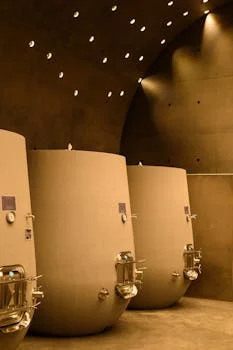
The total cost of implementing a DAF system in Costa Rica involves capital expenditure, import duties, and ongoing operating costs, all influenced by local market conditions. Capital costs for DAF systems can range from $15,000 for smaller 10 m³/h units to over $250,000 for larger 300 m³/h systems, depending on material of construction (stainless steel tanks typically cost 20-30% more than FRP for the same capacity) and automation level. This includes the DAF unit itself, ancillary equipment like pumps, compressors, and chemical dosing systems.
Import duties and taxes significantly impact the final acquisition cost for equipment brought into Costa Rica. DAF equipment falls under specific tariff codes (e.g., Harmonized System codes 8421.21.00 for filtering machinery) and is subject to a 13% Value Added Tax (VAT), a 5% environmental tax (as stipulated by Ley 9832, the Law for the Integrated Management of Solid Waste, which applies to certain imported goods), and a 1% customs processing fee (DIAN 2025 tariff codes). These duties can add 19% or more to the ex-works price of the equipment.
Operating costs for a DAF system in Costa Rica typically range from $0.15–$0.40 per cubic meter of treated wastewater. This includes power consumption, which averages 0.3–0.6 kWh/m³ (at a commercial electricity rate of approximately $0.18/kWh, this is $0.054–$0.108/m³). Chemical costs, primarily for coagulants and flocculants, range from $0.05–$0.15/m³ depending on influent quality and chemical type. Sludge disposal costs, as noted, are ₡25,000–₡40,000 per ton, which translates to a variable cost per cubic meter of treated water depending on the sludge production rate (e.g., at 1% sludge production, this is $0.25–$0.40/m³). An ROI calculation for a 100 m³/h food processing plant, which might face annual fines of ₡12M ($22,800 USD) for non-compliance, could see the DAF system pay for itself within 3–5 years by eliminating fines and reducing sludge disposal costs by 40% (assuming a shift from 0.8% to 4% solids concentration).
| Cost Category | Description | Typical Range (2025 Costa Rica) | Notes |
|---|---|---|---|
| Capital Costs | DAF Unit (10-300 m³/h) | $15,000 - $250,000 | Stainless steel tanks +20-30% vs. FRP. Includes pumps, compressor. |
| Installation & Commissioning | 10-20% of capital cost | Local labor rates ($25-$40/hour for technicians). | |
| Import Duties & Taxes | VAT (Ley 7833) | 13% | Applied to CIF value of equipment. |
| Environmental Tax (Ley 9832) | 5% | Applied to CIF value of certain imported goods. | |
| Customs Processing Fee | 1% | Applied to CIF value. | |
| Operating Costs (per m³ treated) | Electricity (0.3-0.6 kWh/m³) | $0.05 - $0.11/m³ | Based on commercial rates (~$0.18/kWh). |
| Chemicals (Coagulants/Flocculants) | $0.05 - $0.15/m³ | Varies with influent quality and chemical type. | |
| Sludge Disposal (0.5-2% sludge production) | $0.12 - $0.80/m³ | Based on ₡25,000–₡40,000/ton, depends on sludge volume. | |
| Maintenance & Labor | $0.02 - $0.05/m³ | Includes spare parts, routine checks. |
Costa Rica DAF Supplier Checklist: 5 Critical Evaluation Criteria
Selecting a DAF system supplier in Costa Rica requires a structured evaluation to ensure compliance, performance, and long-term operational reliability. A critical criterion is verifying the supplier’s expertise in local compliance, specifically with Decreto 33903-MINAE and Reglamento de Vertidos. Prospective buyers should request at least three Costa Rican references from the supplier, ideally from similar industrial sectors, to validate their track record in achieving and maintaining effluent limits. This ensures the supplier understands the nuances of local regulations and enforcement practices.
After-sales support is paramount given Costa Rican labor rates, which typically range from $25–$40 per hour for skilled technicians. Evaluate the supplier's commitment to on-site service, comparing guaranteed response times (e.g., 24-hour vs. 72-hour for emergencies). A local presence or a strong regional service network is vital for minimizing downtime and ensuring timely maintenance or troubleshooting. Next, assess spare parts availability. Critical components such as air saturation pumps, skimmer blades, and control valves can have long lead times if they need to be imported (often 4–6 weeks). Inquire if the supplier maintains a local stock of common wear parts in Costa Rica or Central America to avoid costly operational interruptions.
Warranty terms are another key factor. While typical equipment warranties range from 12–24 months, specific components like membranes (if applicable to the DAF design) might only carry 6-month warranties. Buyers should aim to negotiate for a minimum of 18 months on primary equipment. Finally, comprehensive operator training is essential for system longevity and compliance. Prefer suppliers who offer robust on-site operator training programs (e.g., 3–5 days of hands-on instruction). Relying solely on remote training can introduce risks of non-compliance due to language barriers, technical gaps in understanding, or insufficient practical experience with the specific DAF system.
Designing a DAF System for Costa Rican Industrial Wastewater: Key Parameters
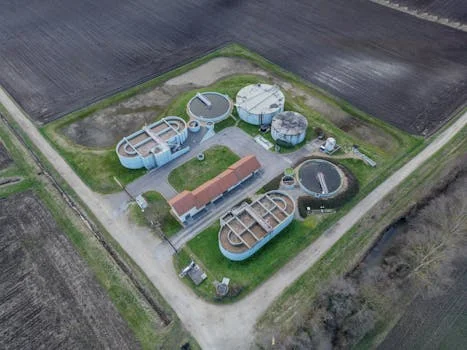
Effective DAF system design for Costa Rican industrial wastewater hinges on accurately characterizing influent properties and applying appropriate engineering parameters to meet local discharge limits. Influent characteristics vary significantly by industry. For instance, coffee processing wastewater typically presents TSS concentrations of 1,200–3,000 mg/L and COD levels between 12,000–20,000 mg/L during peak seasons. Dairy wastewater often shows FOG concentrations of 500–1,500 mg/L, alongside TSS of 800–2,000 mg/L. Textile effluents are characterized by high color (>500 Pt-Co units) and variable TSS (200–800 mg/L) and COD (500–2,000 mg/L). Each of these profiles necessitates a tailored DAF approach to achieve the ≤50 mg/L TSS and ≤100 mg/L COD limits mandated by Decreto 33903-MINAE.
Hydraulic loading rates are a primary design parameter, typically set between 5–12 m/h for Costa Rican effluents. For high-FOG dairy waste, lower loading rates (5–7 m/h) are critical to provide sufficient residence time for oil and grease separation, preventing carryover. Conversely, for lower-TSS textile wastewater, higher rates (10–12 m/h) can be efficiently utilized. The air-to-solids (A/S) ratio, ranging from 0.02–0.06 kg air/kg solids, is crucial for optimal flotation. This ratio is calculated based on the influent TSS concentration and the amount of dissolved air released. For wastewater with higher TSS loads, a higher A/S ratio is generally required to ensure sufficient micro-bubbles are available to lift all flocculated particles. Accurate calculation of the A/S ratio is fundamental to prevent inefficient flotation or excessive air consumption. For enhanced control and optimization, PLC-controlled chemical dosing for DAF systems in Costa Rica can fine-tune coagulant and flocculant addition based on influent changes.
Sludge production from DAF systems typically ranges from 0.5–2% of the influent flow. This parameter is critical for estimating downstream sludge dewatering and disposal costs under Ley 8839. For example, a 100 m³/h DAF system treating coffee wastewater at 1% sludge production would generate 1 m³/h of concentrated sludge, impacting the sizing of subsequent dewatering equipment and overall operational budget. Understanding these parameters ensures the DAF system is not only compliant but also economically viable for the specific industrial application in Costa Rica. For a full guide to Costa Rican industrial wastewater treatment, consult our Industrial Wastewater Treatment in Costa Rica: 2025 Engineering Guide.
| Parameter | Coffee Processing Wastewater | Dairy Wastewater | Textile Wastewater | Decreto 33903-MINAE Effluent Limit |
|---|---|---|---|---|
| Influent TSS (mg/L) | 1,200 – 3,000 | 800 – 2,000 | 200 – 800 | ≤50 mg/L |
| Influent COD (mg/L) | 12,000 – 20,000 | 1,500 – 4,000 | 500 – 2,000 | ≤100 mg/L |
| Influent FOG (mg/L) | 50 – 200 | 500 – 1,500 | < 50 | ≤15 mg/L |
| Hydraulic Loading Rate (m/h) | 7 – 10 | 5 – 7 | 10 – 12 | N/A (design parameter) |
| Air-to-Solids Ratio (kg air/kg TSS) | 0.04 – 0.06 | 0.03 – 0.05 | 0.02 – 0.04 | N/A (design parameter) |
| Sludge Production (% of influent flow) | 1 – 2% | 0.8 – 1.5% | 0.5 – 1% | N/A (disposal consideration) |
Frequently Asked Questions
What is Decreto 33903-MINAE and how does it affect DAF systems in Costa Rica?
Decreto 33903-MINAE is Costa Rica's primary regulation for wastewater discharge, setting strict effluent limits (e.g., ≤50 mg/L TSS, ≤100 mg/L COD). DAF systems are essential for industrial facilities to meet these limits, particularly for removing suspended solids, oils, and grease, thereby avoiding significant fines and ensuring environmental compliance.
What are the typical operating costs for a DAF system in Costa Rica?
Operating costs in Costa Rica generally range from $0.15–$0.40 per cubic meter of treated wastewater. This includes electricity (0.3–0.6 kWh/m³), chemical consumption ($0.05–$0.15/m³), and sludge disposal fees (₡25,000–₡40,000/ton), which are crucial factors under Ley 8839.
How do Costa Rican import duties impact DAF system procurement?
Importing DAF equipment into Costa Rica incurs a 13% VAT, a 5% environmental tax (Ley 9832), and a 1% customs processing fee. These duties can add approximately 19% to the equipment's base cost, making it vital to factor them into procurement budgets from the outset.
Can DAF systems treat specific Costa Rican industrial wastewaters like coffee or dairy?
Yes, DAF systems are highly effective for common Costa Rican industrial wastewaters. They excel at removing high COD/TSS from coffee processing effluent and high FOG concentrations from dairy wastewater, achieving the necessary purification levels for compliance with local discharge regulations.
What should I look for in a DAF supplier for the Costa Rican market?
Prioritize suppliers with proven experience in Costa Rican regulatory compliance (Decreto 33903-MINAE), strong local after-sales support with quick response times, readily available spare parts to minimize downtime, comprehensive warranty terms, and robust on-site operator training programs.
Further Reading
Explore these in-depth articles on related wastewater treatment topics: