Textile dyeing wastewater is treated with staged dyeing effluent treatment solutions that combine physical-chemical clarification and biological oxidation. Typical trains remove synthetic dyes, sizing agents, suspended solids, and trace heavy metals while cutting BOD, TOC, and color. Most plants start with coagulation plus Dissolved Air Flotation (DAF), then biological polishing such as a Membrane Bioreactor (MBR) before discharge or reuse.
How to Treat Textile Dyeing Wastewater
Treat textile dyeing wastewater in four stages: screening and equalization, coagulation-flocculation with DAF for solids and color, biological oxidation for BOD and TOC, then tertiary polishing for residual color or reuse. DAF micro-bubbles of 20-50 µm lift flocs; MBR pores of 0.05-0.4 µm polish biomass. Well-tuned physico-chemical steps commonly deliver 50-95% color and 80-99% SS removal.
Batch dye houses rarely see a stable influent for more than a few hours. Reactive, disperse, and acid dye campaigns shift pH, salinity, and color load in the same equalization tank. Hydraulic retention and chemical dosing must absorb that swing without shocking biology downstream.
Screening catches fibers and lint that foul DAF nozzles and membrane screens. Equalization of at least one peak shift is the cheapest insurance before coagulant dosing begins.
Understanding the Challenge of Textile Dyeing Wastewater
Textile dyeing wastewater carries a variable mix of synthetic dyes, sizing agents, suspended solids, and trace heavy metals that routinely fail simple discharge permits. Cotton, polyester, and wool lines use different auxiliaries, so BOD, TOC, and color swing with fabric and dye class. Untreated effluent can deplete dissolved oxygen, add aquatic toxicity, and leave visible color in receiving waters.
Most plants we size for reactive-dye cotton runs see the hardest color residual after conventional aeration alone. That is why primary color and solids cut usually sits upstream of biology, not after it.
Shade changes also move conductivity and residual peroxide into the same sewer. Those spikes can stall biological kinetics if equalization volume is undersized or if pH control lags the dump cycle.
Sizing agents and finishing oils raise FOG and colloidal turbidity. Gravity settlers alone often leave a cloudy supernatant that still fails color and SS limits after a long detention time.
Dyeing Effluent Treatment Solutions: Core Process Stages
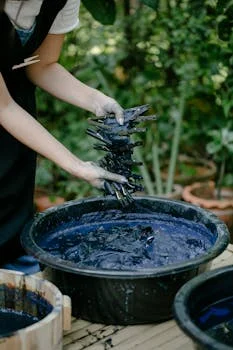
Effective dyeing effluent treatment solutions follow preliminary, primary, secondary, and tertiary stages so each pollutant class is cut before the next unit is overloaded. Preliminary treatment removes large solids and equalizes flow to protect pumps and dosing lines. Primary physical-chemical treatment targets suspended solids, heavy metals, and a large share of color.
Secondary biological treatment degrades soluble organics and lowers BOD and TOC. Tertiary polishing removes residual color, nutrients, and recalcitrant organics when reuse or strict color limits apply. Coupling physical-chemical pretreatment with biology is the decision rule for most dye houses.
Cut toxicity and color first, then let microbes finish the biodegradable fraction. Skipping primary clarification to save CAPEX usually returns as biological instability and higher sludge haul costs.
Industrial wastewater treatment solutions for dyes fail most often at the interface between stages: under-dosed coagulants, short DAF float time, or biology loaded with residual polymer and FOG.
Physical-Chemical Methods for Dye Removal and Solids Separation
Physical-chemical methods provide the first cut on dye color, suspended solids, and precipitated heavy metals because they act within minutes rather than hours. Coagulation with aluminum sulfate or ferric chloride neutralizes colloidal charge on dye micelles and fine solids. Polymer flocculants then bridge those particles into settleable or floatable flocs that drop turbidity and a large fraction of color.
After flocculation, a high-efficiency DAF system for textile wastewater separates solids by flotation rather than gravity alone. Recycle water is air-saturated under pressure, then released to atmospheric pressure in the flotation tank. That release forms micro-bubbles typically 20-50 µm that attach to flocs, FOG, and colloidal color and float them as a skimable sludge blanket.
DAF is preferred when solids are light, oily, or slow to settle after coagulant dosing. On many finishing lines, floatable FOG rides with dye flocs; a settler would need a much larger footprint for the same SS cut.
Adsorption on activated carbon and ion exchange remain polishing tools for specific ionic dyes or dissolved metals when primary clarification leaves a residual. pH control sits upstream of both coagulation and biology. An automatic dosing loop keeps the jar-test setpoint during shade changes.
Most dye houses we commission run coagulant dose at the low end of the jar curve once equalization damps the worst peaks. Ion exchange is selective, not a bulk color workhorse. Keep it for known ionic targets after bulk solids and color are already down, or resin exhaustion cost climbs fast on concentrated dye baths.
Jar tests should use the actual peak shade dump, not a diluted composite only. Ferric salts often out-perform alum on reactive dyes when alkalinity is high, but they leave more iron-rich sludge. Record float solids dryness as well as supernatant color; a pretty clear water with a wet sludge blanket still raises haul cost.
| Method | Primary Function | Key Mechanism | Typical Removal Efficacy (Textile WW) | Advantages | Disadvantages |
|---|---|---|---|---|---|
| Coagulation/Flocculation | Dye destabilization, SS aggregation | Charge neutralization, particle bridging | Color: 50-90%, SS: 80-95% | Cost-effective, versatile | Sludge generation, chemical consumption |
| Dissolved Air Flotation (DAF) | SS, FOG, colloidal color removal | Micro-bubble attachment, flotation | Color: 60-95%, SS: 90-99% | High efficiency, compact footprint | Energy for air saturation, specific for floatable matter |
| Adsorption (e.g., Activated Carbon) | Specific dye, heavy metal removal | Surface adhesion (mass transfer) | Color: 70-99%, Heavy Metals: 80-99% | High removal for recalcitrants | High operational cost, regeneration/disposal of spent carbon |
| pH Adjustment | Optimize chemical reactions | Acid/base addition | Enhances other processes | Essential for overall efficiency | Requires careful monitoring, chemical cost |
Biological Treatment for Organic Load and Biodegradable Dyes
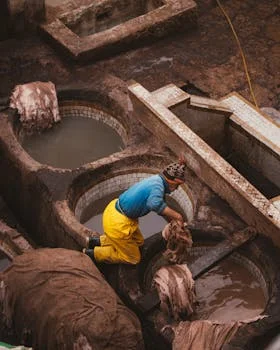
Biological treatment breaks down soluble organics and biodegradable dye fractions, cutting BOD and TOC after physical-chemical pretreatment has lowered toxicity and color. Conventional activated sludge uses an aerated mixed culture to convert organics into biomass, carbon dioxide, and water. That path works when the influent BOD is stable and inhibitors stay below the inhibition threshold after primary treatment.
For tighter effluent limits or reuse, an integrated MBR system for advanced textile effluent treatment combines activated sludge with submerged membrane filtration, commonly PVDF. Membranes with pores typically 0.05 to 0.4 micrometers replace the secondary clarifier and allow higher MLSS in a smaller tank. The barrier holds back biomass, fine solids, and much of the residual turbidity that gravity settling leaves behind.
MBR footprint is usually smaller than conventional activated sludge at the same organic load, which helps brownfield dye houses short on yard space. Keep FOG and residual polymer out of the membrane zone. Most plants we size for textile MBR duty need solid primary flotation before the bioreactor.
Bioremediation with specialized cultures or plant-based systems is still exploratory for dye detoxification. It is not a substitute for a sized primary-plus-biological train on production effluent. Textile dye treatment that leans only on biology without color pretreatment rarely meets vivid reactive-dye residuals.
When comparing dye industry wastewater treatment options, score toxicity after primary treatment first. If residual color and salt still inhibit respiration tests, extend physico-chemical duty or add a polishing step before raising biological loading.
Conventional aeration still fits many mills with land and moderate reuse goals. Plan for toxic shock from biocide dumps and for filamentous bulking when starch sizing spikes BOD without enough nutrients. If clarifier sludge volume index drifts high after shade weeks, revisit primary color removal before adding more aeration volume.
Sludge Management and Dewatering in Textile Wastewater Treatment
Sludge from coagulation, DAF, and biological wasting dominates haulage cost in textile plants if it stays dilute. Primary chemical sludge and secondary biomass both leave the process at high water content. Thickening and dewatering belong in the treatment train, not as an afterthought.
Thickening with gravity units or sludge DAF typically raises solids from less than 1% to about 3-5%. Dewatering then lifts cake solids often to 20-40%, which cuts truck trips and landfill volume. Plate and frame filter presses force filtrate through cloth under pressure after chemical conditioning, leaving a handleable cake in the recessed chambers.
On dye-house chemical sludge, most plants we size for run conditioning dose just high enough to release free water. Overdosing builds sticky cakes that slow press cycles and raise polymer cost.
Separate primary chemical sludge from biological waste when metals are elevated. Blended cakes can fail landfill acceptance tests and complicate beneficial reuse such as composting where local rules allow it.
Track dry solids mass, not only wet volume. A plant that thickens poorly can double annual disposal spend even when the wet train meets discharge limits every day.
Choosing the Optimal Textile Wastewater Treatment System
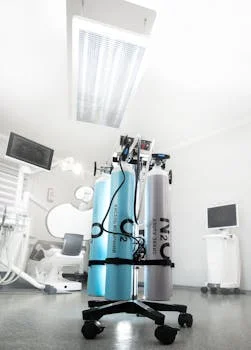
Selecting a textile wastewater treatment system starts from measured influent dye class, TOC, BOD, suspended solids, and daily flow. Next comes the permit or reuse specification that sets effluent limits. CAPEX covers tanks, DAF, biology, and membranes. OPEX covers chemicals, energy, labor, membrane care, and sludge disposal.
Footprint often decides between conventional aeration and MBR on existing sites. Pilot or jar-and-bench treatability work is the cheapest risk control on complex dye recipes. It sets coagulant dose, DAF recycle ratio, and biological loading before steel is ordered.
Integrated modular trains that stack coagulation-DAF, biology, and polishing let plants add tertiary steps only when reuse or color limits demand them. Cost drivers to rank early are chemical dose, sludge haul, aeration or membrane scour energy, and membrane replacement reserves if MBR is chosen.
A train that meets color at the DAF but starves biology of carbon is still a failed design for BOD compliance. Dye wastewater treatment selection should always include a wet-weather or peak-shade scenario, not only the average day used in sales brochures.
Document the mass balance for color, BOD, and solids across each unit. Buyers who only compare equipment nameplates miss the OPEX from polymer, sludge, and membrane clean-in-place chemicals. Ask vendors for proof on your dye class, not only generic municipal references.
| Technology Combination | Primary Application in Textile WW | Strengths for Textile WW | Weaknesses for Textile WW | Suitability for Water Reuse |
|---|---|---|---|---|
| Coagulation/Flocculation + DAF | Initial color, SS, FOG removal | High initial pollutant reduction, compact footprint for primary treatment, effective color removal | Limited BOD/TOC reduction, generates chemical sludge | Low (requires further treatment) |
| Conventional Activated Sludge | BOD/TOC reduction, biodegradable dye removal | Cost-effective for organic load, well-understood operation | Large footprint, sensitive to toxic shock, moderate effluent quality | Moderate (requires tertiary polishing) |
| Membrane Bioreactor (MBR) | High-quality effluent, BOD/TOC, SS, some color removal | Superior effluent quality, small footprint, robust to influent variability, high MLSS | Higher CAPEX/OPEX than conventional, membrane fouling potential | High (often suitable for direct reuse) |
Selection Checklist, Audience Fit, and Next Step
- Characterize dye class, peak vs average flow, BOD, TOC, SS, color, and metals on composite samples.
- Confirm discharge vs reuse targets, including residual color and salinity limits.
- Jar-test coagulants and measure DAF floatability before locking primary design.
- Decide conventional activated sludge vs MBR from footprint, MLSS target, and reuse need.
- Budget sludge thickening to 3-5% solids and dewatering toward 20-40% cake solids.
- Include energy for DAF saturation air and for MBR scour if membranes are selected.
- Run a short pilot when shade changes or toxic auxiliaries are frequent.
This page is for plant engineers, EPC contractors, and procurement managers specifying dye-house and finishing effluent trains. Look elsewhere if you only need sanitary sewage treatment with no color or dye load. To size a train for your flow and pollutant list, request a project quote with daily flow, BOD/TOC, color, and discharge limits.
Frequently Asked Questions
What are the primary pollutants in textile dyeing wastewater?
Primary pollutants are synthetic dyes, sizing agents, suspended solids, trace heavy metals, and high organic load measured as BOD and TOC. Color from non-biodegradable dyes often persists after simple aeration. Composition shifts with fiber type, dye class, and batch size, so equalization and primary clarification are usually required before biology.
What is the most effective method for removing color from textile effluent?
Color removal usually starts with coagulation-flocculation followed by Dissolved Air Flotation, which commonly delivers about 60-95% color cut and 90-99% SS removal when flocs float well. Recalcitrant dyes may need adsorption, membrane filtration, or advanced oxidation after the primary step. Biology alone rarely clears intense synthetic color.
How does an MBR system benefit textile wastewater treatment?
An MBR holds high MLSS behind membranes with pores typically 0.05-0.4 micrometers, so effluent solids and turbidity drop sharply versus gravity clarification. The smaller footprint helps constrained dye houses, and the polished water is often ready for tertiary reuse steps. Fouling control and higher CAPEX versus conventional aeration remain the main trade-offs.
Is water reuse possible after treating textile dyeing wastewater?
Yes. MBR effluent plus tertiary polishing such as reverse osmosis can meet many non-potable reuse specs inside a textile mill. Reuse fitness still depends on residual color, salinity, and hardness after the core train. Plants aiming for process-water recycle should set those targets before equipment selection.
What are the main challenges in treating textile wastewater?
Main challenges are highly variable batch composition, non-biodegradable and sometimes toxic dyes, high organic load, intense color, and tightening compliance limits. Equalization, robust primary color/solids removal, and a biological stage matched to residual BOD address most of that risk. Sludge volume from chemical treatment must be costed early.