Industrial Wastewater Challenges in Cuenca, Ecuador
Industrial dischargers in Cuenca, Ecuador, face a complex regulatory environment requiring strict adherence to discharge limits set by the MAE-DN-2019-003 regulation. This legislation mandates stringent parameters for effluent discharged into municipal sewer systems, including a maximum Chemical Oxygen Demand (COD) of 150 mg/L, Biological Oxygen Demand (BOD5) of 80 mg/L, Total Suspended Solids (TSS) of 100 mg/L, and Fats, Oils, and Grease (FOG) of 20 mg/L. The Guangarcucho municipal Wastewater Treatment Plant (WWTP), while a significant infrastructure development serving approximately 500,000 residents, is designed for domestic wastewater and does not possess the capacity or design specifications to handle raw industrial effluent. Consequently, any industrial facility looking to discharge to the municipal sewer must implement robust pre-treatment measures to meet these standards. Key industrial sectors in Cuenca, such as textiles, food processing, and automotive workshops, generate wastewater streams characterized by high FOG content, significant suspended solids, or potentially toxic organic loads, necessitating specialized and effective treatment solutions beyond basic municipal capabilities.
Core Treatment Technologies for Cuenca's Industries
HydropureWater offers a suite of advanced industrial wastewater treatment technologies tailored to the specific needs of Cuenca's diverse industrial landscape. Dissolved Air Flotation (DAF) systems are particularly effective in removing high concentrations of FOG and suspended solids, achieving removal rates of 90–98%. These systems are ideal for industries like meat processing, dairy operations, and food preparation facilities, where FOG is a primary pollutant. For facilities requiring exceptionally high effluent quality, perhaps for water reuse applications or stringent discharge limits, Membrane Bioreactor (MBR) systems provide a compact and highly efficient solution. MBR technology can consistently produce effluent with turbidity below 1 NTU and achieve over 99% pathogen removal. To protect downstream treatment units from coarse materials, preliminary treatment stages are crucial. Rotary bar screens from our GX Series are designed to effectively remove rags, grit, and other debris commonly found in mixed industrial and municipal wastewater streams, safeguarding pumps and membranes. For industries dealing with variable pH or requiring chemical precipitation, such as electroplating or chemical manufacturing, automated, PLC-controlled chemical dosing systems are essential for precise pH adjustment and coagulant addition, ensuring optimal performance of subsequent treatment processes.
Key technologies and their applications include:
| Technology | Primary Application | Typical Removal Efficiency (TSS/FOG) | Key Benefits |
|---|---|---|---|
| Dissolved Air Flotation (DAF) | Food & Beverage, Meat Processing, Dairy | 90–98% | High FOG & TSS removal, relatively low footprint |
| Membrane Bioreactor (MBR) | High-purity effluent needs, Water Reuse, Mixed Industrial | <1 NTU turbidity, >99% pathogen removal | Compact footprint, superior effluent quality, potential for water reuse |
| Rotary Bar Screens (GX Series) | Pre-treatment for all industrial streams | Removes coarse solids | Protects downstream equipment, reduces maintenance |
| Chemical Dosing Systems | pH Adjustment, Coagulation, Flocculation | Optimizes other treatment processes | Automated control, precise dosing, improved treatment efficiency |
System Comparison: DAF vs MBR vs Package Plants
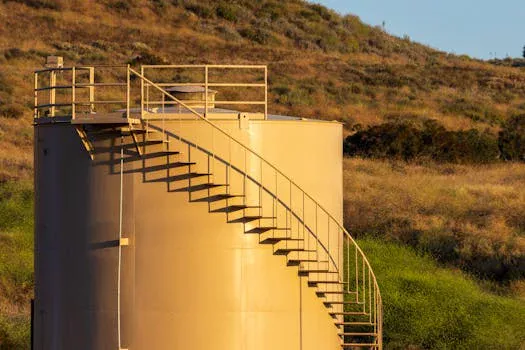
Selecting the appropriate industrial wastewater treatment system involves a careful evaluation of performance, spatial requirements, and lifecycle costs. A comparison of the systems reveals distinct advantages and disadvantages. DAF systems, particularly those from our DAF line, are engineered for high-fat and high-solids loads, with standard models capable of handling flow rates from 4 to 300 m³/h and achieving 92–97% TSS removal. In contrast, MBR systems offer a significantly smaller footprint, often up to 60% less than conventional activated sludge processes, while producing a high-quality effluent suitable for reuse due to their 0.1 μm filtration capability. For industrial sites with lower flow rates, remote locations, or those prioritizing a fully integrated and automated solution, our WSZ Series package plants are an excellent choice. These units range from 1 to 80 m³/h, are fully automated, and can be installed above or below ground. Energy consumption is a key operational consideration: DAF systems typically operate at 0.8–1.2 kWh/m³, MBR systems at 1.5–2.0 kWh/m³ (due to aeration and pumping), and package plants are generally the most energy-efficient at 0.6–1.0 kWh/m³.
| Parameter | DAF System | MBR System | Package Plant (WSZ Series) |
|---|---|---|---|
| Typical Flow Rate | 4–300 m³/h | 10–200 m³/day | 1–80 m³/h |
| TSS Removal | 92–97% | >99% | Varies by design, typically 85–95% |
| Effluent Quality (Turbidity) | Moderate | <1 NTU | Good |
| Footprint | Medium | Smallest | Compact, modular |
| Water Reuse Potential | Limited | High | Moderate |
| Energy Consumption | 0.8–1.2 kWh/m³ | 1.5–2.0 kWh/m³ | 0.6–1.0 kWh/m³ |
| Ideal For | High FOG, High TSS | High Purity, Water Reuse | Low flow, Remote sites, Automation |
Cost Breakdown for Industrial Systems in Cuenca (2025)
For businesses and engineering firms in Cuenca evaluating capital expenditure (CAPEX) and operational expenditure (OPEX) for industrial wastewater treatment systems, realistic 2025 cost estimates are crucial for budgeting and return on investment (ROI) calculations. A 50 m³/h DAF system is estimated to have a CAPEX ranging from $45,000 to $65,000, with annual O&M costs of approximately $3,600, covering chemicals, electricity, and routine maintenance. For a larger scale of 100 m³/day, an MBR system would typically range from $85,000 to $110,000 in CAPEX. Its annual O&M costs are higher, around $7,200, primarily due to the need for membrane replacement every 5–7 years. A fully automated package plant designed for 20 m³/h can be acquired for $28,000–$42,000 in CAPEX, with very low annual O&M costs of about $2,000, often not requiring a dedicated operator. Additional costs for installation, site preparation, and local permitting within Ecuador can add an estimated 15–20% to the equipment cost.
| System Type | Capacity | Estimated CAPEX (USD) | Estimated Annual O&M (USD) | Key O&M Factors |
|---|---|---|---|---|
| DAF System | 50 m³/h | $45,000 – $65,000 | $3,600 | Chemicals, Power, Maintenance |
| MBR System | 100 m³/day | $85,000 – $110,000 | $7,200 | Membrane Replacement (5-7 yrs), Power, Maintenance |
| Package Plant | 20 m³/h | $28,000 – $42,000 | $2,000 | Power, Minimal Maintenance |
Note: Installation, shipping, and local permitting costs in Ecuador typically add 15–20% to the equipment CAPEX.
Sludge and Biosolids Management in Industrial Applications
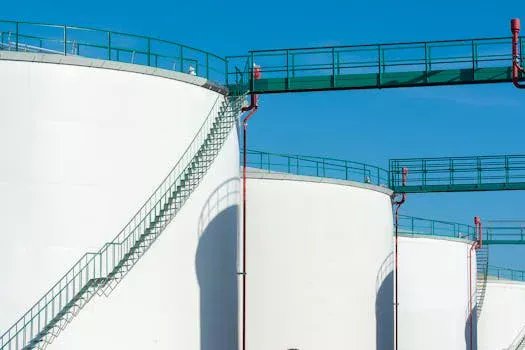
A critical aspect of industrial wastewater treatment is the effective management of sludge and biosolids. Industrial DAF systems generate a significant volume of sludge, typically ranging from 2–5% of the treated wastewater volume. Efficient dewatering of this sludge is essential to reduce disposal volumes and costs. HydropureWater’s range of plate and frame filter presses, with filtration areas from 1 to 500 m², are designed for this purpose. Utilizing hydraulic or automatic filter press systems allows for a reduction in sludge cake moisture content to below 60%, significantly minimizing its weight and volume. For facilities in the food industry, where sludge may be free of heavy metals and toxic contaminants, composting presents a viable disposal route.
Frequently Asked Questions
What is the cost to treat industrial wastewater in Cuenca?
The cost varies based on the chosen technology, flow rate, and influent characteristics, typically ranging from $0.80 to $1.50 per cubic meter of wastewater treated.
What are the three types of industrial wastewater treatment?
Industrial wastewater treatment generally involves three stages: Primary treatment (physical processes like screening and flotation to remove gross solids and FOG), Secondary treatment (biological processes like MBR or activated sludge to remove dissolved organic matter), and Tertiary treatment (polishing steps like filtration or disinfection for further contaminant removal or disinfection).
What are common problems with industrial wastewater in Cuenca?
Common issues include high FOG content from food processing, highly variable pH levels from chemical processes, the presence of toxic organic compounds, and failing to meet the stringent MAE-DN-2019-003 limits for discharge into the municipal sewer system.
Can I discharge to the Guangarcucho WWTP?
Direct discharge of raw industrial effluent to the Guangarcucho WWTP is not permitted. All industrial wastewater must be pre-treated on-site to meet the specific discharge standards outlined in MAE-DN-2019-003.
Which system is best for food processing wastewater?
A hybrid system combining a high-efficiency DAF system for initial FOG and solids removal, followed by an MBR system for advanced biological treatment and polishing, often provides the optimal solution for food processing wastewater.
Related Equipment
The following HydropureWater products are engineered for the wastewater challenges discussed above:
- high-efficiency DAF system for FOG and TSS removal — view specifications, capacity range, and technical data
- compact MBR system for high-quality effluent and water reuse — view specifications, capacity range, and technical data
Need a customized solution? Request a free quote with your specific flow rate and pollutant parameters.