A DAF system in India typically removes 90–99% of TSS and FOG from industrial wastewater, with treatment capacities from 4 to 1000 m³/hr and prices ranging from ₹50 lakh to over ₹2 crore. Top-tier systems, such as the HydropureWater DAF system with 98% FOG removal, utilize advanced micro-bubble flotation to serve the dairy, textile, and pharmaceutical sectors, ensuring effluent consistently meets CPCB discharge standards.
What Is a DAF System and How Does It Work in Indian Industrial Plants?
Dissolved Air Flotation (DAF) systems utilize micro-bubbles sized between 20 and 50 microns to achieve up to 99% removal of suspended solids and fats in industrial effluent treatment. In the context of Indian industrial plants, where wastewater often contains high concentrations of organic matter and emulsified oils, the DAF process serves as a critical primary clarification stage. Unlike traditional sedimentation tanks that rely on gravity to settle heavy particles, DAF forces lighter-than-water contaminants to the surface using air buoyancy.
The operational mechanism begins with chemical conditioning. Wastewater enters a flocculation tank where coagulants and polymers are added to neutralize particle charges and form larger aggregates known as flocs. Simultaneously, a portion of the clarified effluent is recycled and saturated with pressurized air (usually at 4–6 bar) in a saturation vessel. When this air-saturated water is released into the main DAF tank at atmospheric pressure, it creates a "milky water" effect—a dense cloud of micro-bubbles. These bubbles attach to the flocs, reducing their specific gravity and causing them to rise rapidly to the surface. A mechanical skimmer then removes the thickened sludge blanket, while the clear water is discharged from the bottom.
Critical process parameters for a high-performing industrial daf plant include a hydraulic retention time (HRT) of 20–30 minutes and an air-to-solids (A/S) ratio maintained between 0.01 and 0.03. It is vital for procurement officers to distinguish DAF from Induced Air Flotation (IAF). While IAF systems use mechanical impellers to shear air into bubbles, they often produce larger, less stable bubbles that result in lower removal efficiency for fine particles. DAF provides superior fog removal technology because the dissolved air produces much finer bubbles, which are essential for treating the complex emulsified oils found in Indian food processing and textile effluents.
Key Performance Metrics for DAF Systems in India
Industrial DAF systems in India must achieve a Total Suspended Solids (TSS) removal rate of at least 90% to meet the stringent discharge standards set by the Central Pollution Control Board (CPCB). For plant managers evaluating equipment, performance benchmarks serve as the primary tool for verifying supplier claims. In sectors like dairy processing, where fats, oils, and grease (FOG) are prevalent, a tss removal system must be capable of reducing oil concentrations from over 500 mg/L to under 10 mg/L in a single pass.
Efficiency is also measured by the hydraulic loading rate, which typically ranges from 10–20 m³/m²/hr for circular DAF units and 8–12 m³/m²/hr for rectangular configurations. Higher loading rates allow for a smaller physical footprint, which is often a priority in space-constrained Indian industrial clusters. chemical consumption is a major driver of operational expenditure (OPEX). A well-designed HydropureWater DAF system with 98% FOG removal can reduce coagulant demand by up to 30% when integrated with lamella plates, which increase the effective flotation area without increasing the tank size.
| Performance Parameter | Benchmark Range | Industry Target (e.g., Dairy/Textile) |
|---|---|---|
| TSS Removal Efficiency | 90% – 98% | < 30 mg/L (CPCB Standard) |
| FOG/Oil & Grease Removal | 95% – 99% | < 10 mg/L |
| Bubble Size (Microns) | 20 – 50 microns | Critical for emulsified oil separation |
| Hydraulic Loading Rate | 8 – 20 m³/m²/hr | Optimized for space efficiency |
| Chemical Dosing (PAC/Alum) | 5 – 15 mg/L | Lowered by high-efficiency saturation |
Achieving these metrics ensures that the pre-treated water is suitable for secondary biological treatment, such as activated sludge processes or Membrane Bioreactors (MBR). Failure to meet these primary benchmarks often leads to the fouling of downstream membranes and increased maintenance costs.
DAF System Capacities and Configurations for Indian Industries
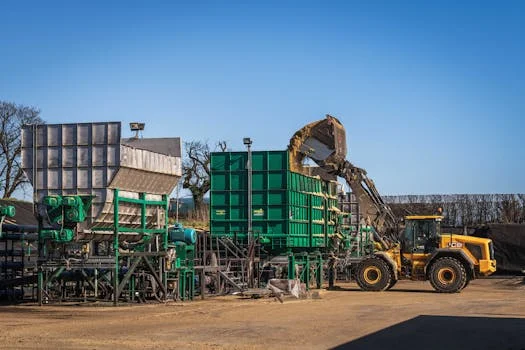
DAF system configurations in the Indian market range from compact 4 m³/hr packaged units for pharmaceutical labs to 1,000 m³/hr lamella-integrated systems for large-scale dairy processing. Choosing the correct scale is essential for balancing capital expenditure (CAPEX) with long-term operational stability. Small-scale units (4–50 m³/hr) are frequently deployed as packaged daf unit solutions, which are skid-mounted and pre-wired for rapid installation in pharmaceutical units or small-scale chemical plants.
Medium-scale systems (50–300 m³/hr) represent the bulk of the market, particularly in the textile and food processing industries. These units often feature the HydropureWater DAF system with 98% FOG removal, which utilizes a rectangular design to optimize flow dynamics and facilitate easy sludge removal. For mega-dairies and large municipal ETPs, capacities exceeding 300 m³/hr are required. These large-scale systems often utilize circular tanks with peripheral drive skimmers or integrated lamella clarifiers to handle high solids loading without requiring massive land area.
Material selection is another critical configuration factor. While mild steel with high-performance epoxy coating is the standard for most dissolved air flotation india applications, stainless steel (SS304 or SS316) is recommended for corrosive environments, such as those found in pharmaceutical manufacturing or plants handling high-salinity textile dyes. The choice between a circular and rectangular configuration often depends on the available footprint; circular units are generally more cost-effective for very high flow rates, while rectangular units offer better modularity and are easier to house within factory buildings.
Top DAF System Suppliers in India: Comparison & Pricing
The average price for a high-efficiency DAF system in India ranges from ₹45 lakh for small-scale units to over ₹2.5 crore for fully automated, high-capacity industrial installations. Pricing is influenced by the level of automation, material of construction, and the efficiency of the air saturation system. When comparing wastewater treatment equipment suppliers, it is important to evaluate the total cost of ownership, including the energy efficiency of the recycle pumps and the longevity of the skimmer assembly.
Premium suppliers in the Indian market, such as those based in the Delhi/NCR region, typically offer systems with 99% oil removal capabilities, with 200–500 m³/hr systems priced between ₹1.2 Cr and ₹2.5 Cr. Regional manufacturers providing standard units often price their 100–400 m³/hr systems in the ₹80L to ₹1.8 Cr range. In contrast, the HydropureWater DAF system with 98% FOG removal provides a competitive middle ground, offering advanced micro-bubble technology and global performance data for ₹45L to ₹1.5 Cr, depending on capacity. Some lower-cost listings on industrial marketplaces may actually be IAF units; buyers should be cautious, as these units may cost as little as ₹50L but will not achieve the same TSS removal levels as a true DAF system.
| Supplier Category | Technology Type | Capacity Range | Estimated Price (INR) |
|---|---|---|---|
| Premium Tier (NCR-based) | Advanced Dissolved Air | 200 – 500 m³/hr | ₹1.2 Cr – ₹2.5 Cr |
| Standard Industrial Vendor | Standard DAF | 100 – 400 m³/hr | ₹80L – ₹1.8 Cr |
| HydropureWater DAF line | Micro-bubble DAF | 4 – 300 m³/hr | ₹45L – ₹1.5 Cr |
| Economy/Regional Vendor | Induced Air (IAF) | Custom | ₹50L – ₹1.0 Cr |
For plants with high inorganic silt loads, combining a DAF system with a high-efficiency sedimentation tank can provide a more robust solution, protecting the flotation unit from excessive bottom-sludge buildup and reducing overall maintenance frequency.
Compliance and ROI: Justifying DAF Investment in India
Investment in a DAF system typically yields a Return on Investment (ROI) within 24 to 36 months through a 40% reduction in chemical sludge volume and the elimination of regulatory non-compliance penalties. In India, the CPCB and State Pollution Control Boards (SPCBs) enforce strict discharge limits, typically 30 mg/L for TSS and 10 mg/L for oil and grease for inland surface water discharge. A daf system price india investment is often justified solely by the avoidance of "closure notices" and environmental compensation fines which can reach several lakhs per day.
Beyond compliance, DAF systems offer significant operational savings. By producing a thicker sludge (typically 3–5% solids) compared to conventional clarifiers (0.5–1% solids), the volume of sludge requiring disposal is reduced by more than half. This directly lowers the cost of running a plate and frame filter press and reduces the frequency of sludge transport. Energy efficiency is another factor; modern DAF units consume between 0.5 and 1.2 kWh/m³, which is significantly lower than the high-shear energy requirements of older IAF models.
the high quality of DAF effluent opens opportunities for water reuse. In water-stressed regions like Tamil Nadu, Gujarat, and Haryana, treated water from a DAF system can often be recycled for floor washing, cooling tower make-up, or irrigation after minimal additional filtration. This reduces the freshwater procurement cost, which is a rising expense for Indian manufacturers. When these factors—sludge reduction, energy efficiency, and water reuse—are combined, the cpcb compliant effluent treatment provided by DAF becomes a strategic asset rather than just a regulatory burden.
Frequently Asked Questions
What is the price range for a DAF system in India?
The price typically ranges from ₹50 lakh for basic units to over ₹2.5 crore for high-capacity, automated systems. Factors such as material (Stainless Steel vs. Mild Steel) and automation levels significantly impact the final cost.
Which industries benefit most from DAF systems?
Industries with high levels of fats, oils, and suspended solids benefit most. This includes dairy, food processing, slaughterhouses, textile dyeing, and pharmaceutical manufacturing. You can DAF applications in South Asian textile and food industries to see how these systems perform in similar regional contexts.
How much space does a 200 m³/hr DAF system require?
A skid-mounted, high-efficiency DAF unit with a capacity of 200 m³/hr typically requires a footprint of approximately 6 meters by 3 meters. This compact size is a major advantage over traditional sedimentation tanks.
Can a DAF system replace an ETP completely?
No. A DAF system is a primary treatment stage designed to remove solids and FOG. While it significantly reduces the organic load, a secondary biological treatment (like ASP or MBR) is usually required to meet BOD and COD discharge limits. To understand more about primary treatment options, compare DAF with oil water separator systems for industrial use.
What are the daily maintenance requirements for a DAF unit?
Daily maintenance includes checking the skimmer speed and alignment, monitoring the air saturator pressure, and ensuring the chemical dosing pumps are functioning correctly. Weekly cleaning of the air injection nozzles is recommended to prevent clogging.
Related Equipment
The following HydropureWater products are engineered for the wastewater challenges discussed above:
- HydropureWater DAF system with 98% FOG removal — view specifications, capacity range, and technical data
Need a customized solution? Request a free quote with your specific flow rate and pollutant parameters.