Proposed DAF-based treatment for dye, salt, bleach and cotton-containing textile wastewater, subject to water analysis and discharge targets.
Project Background
The client-supplied design basis is 300 m³/d for textile dyeing and finishing wastewater containing dyes, salts, bleach and cotton. The waste streams, production and cleaning processes, operating profile, water quality, discharge destination and reuse requirements remain unconfirmed. The proposed solution therefore defines preliminary process stages, equipment boundaries and data needed for final sizing.
Our Solution
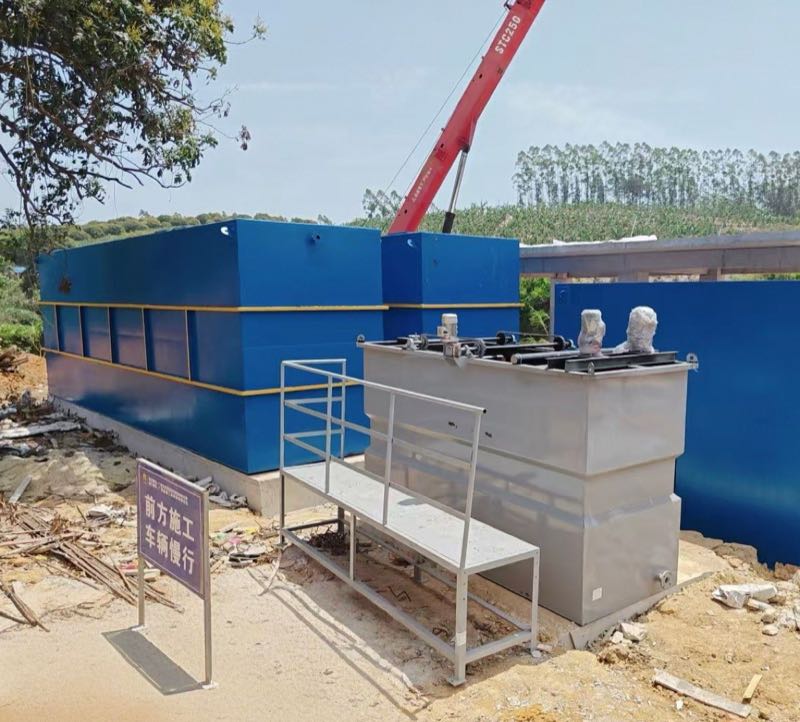
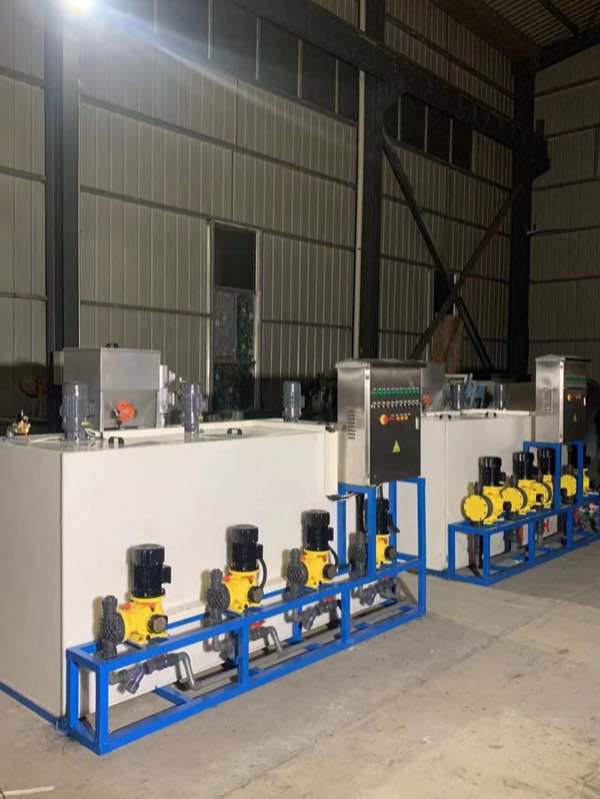
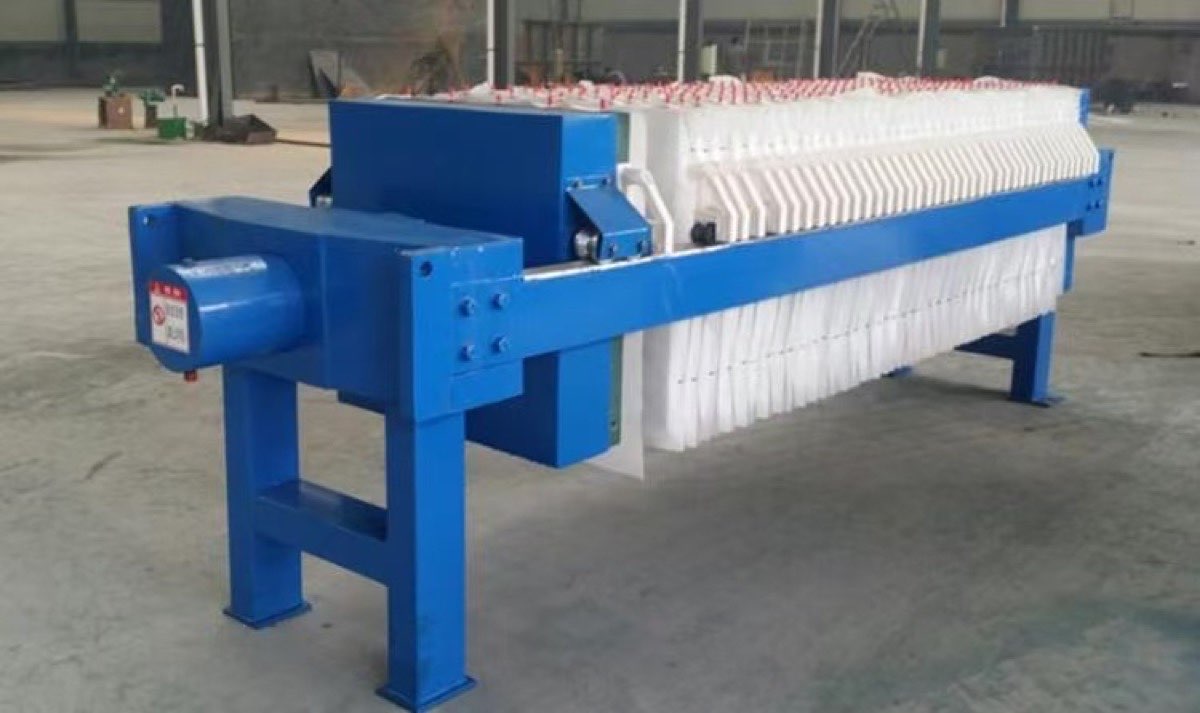
Our complete proposed solution starts with source segregation and equalisation to reduce dye and chemical shocks, followed by screening, grit removal, coagulation and pH adjustment. These steps condition the wastewater for DAF, which removes suspended solids, cotton fibres and precipitated dye-associated material. A biological stage addresses soluble biodegradable organics, while tertiary filtration and disinfection provide polishing where required. DAF sludge and biological excess sludge are to be thickened and dewatered before approved disposal or recovery assessment. Salts, bleach and refractory colour may require source control, membrane treatment or further polishing after actual water analysis, influent variability and reuse limits are confirmed. Final equipment sizing, materials, chemical dosing and treatment sequence remain subject to verification.
What We Asked First
Please confirm the production and cleaning processes, wastewater stream origins, operating hours and batch discharges, with laboratory data for pH, COD, BOD₅, TSS, colour, conductivity or TDS, residual chlorine and other applicable parameters. Also confirm discharge or reuse limits, project country, available space, power and installation requirements.
Proposed Process Train
- 1Source segregation and equalisation
- 2Screening and grit removal
- 3Coagulation and pH adjustment
- 4Dissolved air flotation
- 5Biological treatment
- 6Tertiary filtration and disinfection
- 7Sludge thickening, dewatering and controlled disposal
For Similar Projects
Prepare stream-by-stream flow and water analyses, identify reusable water targets, provide operating schedules and site constraints, and confirm required treatment boundaries, sludge handling route and commissioning scope before detailed design.
Ref. A-013. Client identity is withheld under our client-confidentiality policy. Capacity is shown as a capacity class (design value rounded up to the next 5 at its second significant digit).