
Textile wastewater
in Pakistan.
A country guide library connected to local research samples, published standards, treatment evidence and equipment.
Process. Problem. Treatment.
Select a process or connection to inspect its meaning and the limits of the evidence.
Observed raw wastewater
Published study samples, not national design ranges.
| Sample / location | pH | COD | BOD5 | TSS | TDS |
|---|---|---|---|---|---|
| Effluent 1 · Kamal Textile IndustryFaisalabad, Punjab | 6.94 | 287 | No value reported | 376 | 1923 |
| Effluent 2 · Arzo Textile Dying and Printing IndustryFaisalabad, Punjab | 6.86 | 189 | No value reported | 119 | 1834 |
Removal of COD from real textile effluents using agro-industrial wastes
Original source table: Effluent 1 · Kamal Textile Industry; pH = 6.94
Original source table: Effluent 1 · Kamal Textile Industry; COD = 287
Original source table: Effluent 1 · Kamal Textile Industry; TDS = 1923
Original source table: Effluent 1 · Kamal Textile Industry; TSS = 376
Original source table: Effluent 2 · Arzo Textile Dying and Printing Industry; pH = 6.86
Original source table: Effluent 2 · Arzo Textile Dying and Printing Industry; COD = 189
Original source table: Effluent 2 · Arzo Textile Dying and Printing Industry; TDS = 1834
Original source table: Effluent 2 · Arzo Textile Dying and Printing Industry; TSS = 119
Read original source ↗Published standards reference
Punjab PEQS 2016
Municipal and liquid industrial effluents; Punjab provincial reference, not a national textile-specific table.
| Parameter | Inland waters | Sewage treatment system |
|---|---|---|
| BOD5 | ≤ 80 mg/L | ≤ 250 mg/L |
| COD | ≤ 150 mg/L | ≤ 400 mg/L |
| Oil and grease | ≤ 10 mg/L | ≤ 10 mg/L |
| TDS | ≤ 3500 mg/L | ≤ 3500 mg/L |
| TSS | ≤ 200 mg/L | ≤ 400 mg/L |
| pH | 6–9 | 6–9 |
Punjab Gazette 2016: Environmental Quality Standards for Municipal and Liquid Industrial Effluents
Original Punjab Gazette scan, pp1192–1194; UNIDO PDF pp88–90; No.SO(G)/EPD/7-26/2013 dated 05.08.2016
Read original source ↗Reported results,
with their conditions.
Ozonation–Fenton treatment in an optimised laboratory experiment on real textile dyeing effluent.
| Parameter | Reported value | Conditions |
|---|---|---|
| Colour removal | 89.17 % | RSM-optimised ozonation-Fenton on real textile dyeing effluent (lab) |
| COD removal | 82.52 % | Same experiment as colour removal |
COD and color removal from real textile dyeing effluent using ...
…optimum RSM-predicted color and COD removal efficiencies of 89.17%, and 82.52%…
Same experiment: COD removal 82.52%
Read original source ↗Explore the equipment.
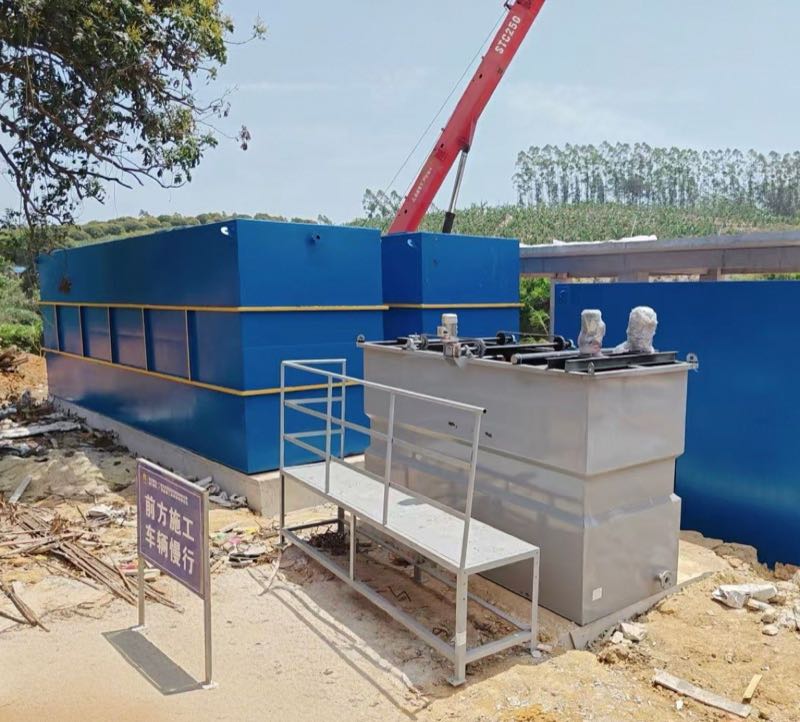
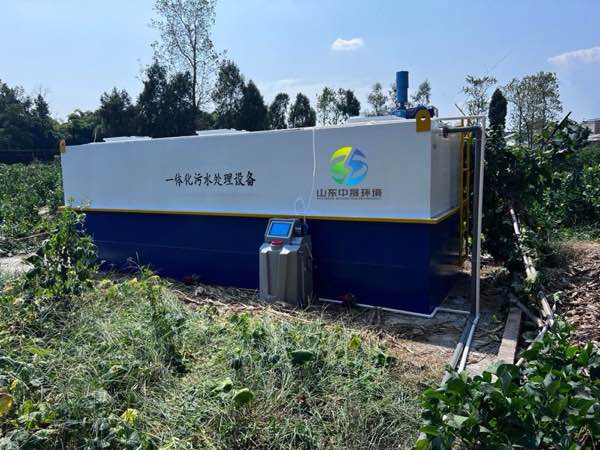
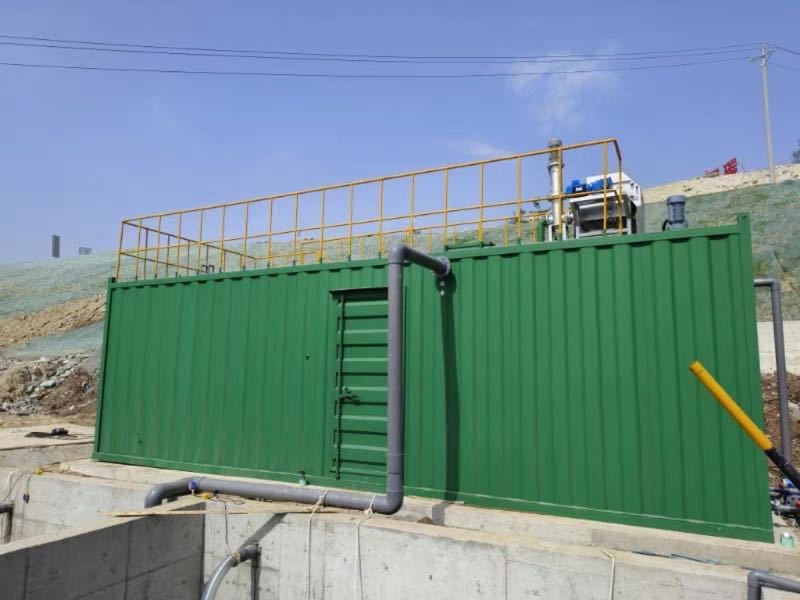
Catalogue equipment is engineering context, not a site-specific selection. Provide your actual flow and influent.
Which local textile wastewater samples are documented?
The source study reports before-treatment values from two textile factories in Faisalabad. Sampling date was not reported; the study was published in 2015. These observations are not national design ranges.
Which discharge standard is shown?
The page shows Punjab PEQS 2016 published reference values for inland waters and sewage treatment systems. The sewage route has additional operating-treatment conditions. Confirm your permit and jurisdiction before design; an exact commencement date was not specified in the inspected text.
Can these sample values determine my equipment size?
No. Published samples establish context, not your site design basis. Provide actual flow, measured influent, operating variability and the applicable discharge or reuse target.
Library snapshot 2026-10-13 · Research release 20261014T184750-fff2d02345ed