Bangladesh Industrial Wastewater Compliance Regulations 2026 set numeric limits on BOD, COD, pH, solids, nutrients, and metals for industrial discharge inside Bangladesh. The Department of Environment applies the Environmental Conservation Act 1995 and the Environmental Conservation Rules 1997. Textile effluent in this guide must meet a BOD limit of 30 mg/L. Other inland surface discharges must meet 50 mg/L BOD and 120 mg/L COD.
Bangladesh Industrial Wastewater Compliance Regulations 2026
The Department of Environment enforces inland industrial discharge through numeric end-of-pipe caps. Textile effluent in the working table is limited to 30 mg/L BOD. Other industries in that table are limited to 50 mg/L BOD and 120 mg/L COD. The 1997 Schedule 10 inland COD value is 200 mg/L, so the permit text controls which cap applies.
The working table below is the screening set used in this guide. It is not a substitute for the line printed on an environmental clearance. Most textile plants we size for the 30 mg/L BOD cap run the membrane tank at the lower flux end, so a shock dye load does not break the limit.
According to the unofficial English text of the Environment Conservation Rules, 1997 (FAOLEX), Schedule 10 applies to industries that do not have a sector schedule. That schedule sets inland BOD at 20°C at 50 mg/L and inland COD at 200 mg/L. Public-sewer BOD in the same schedule is 250 mg/L, and irrigated-land BOD is 100 mg/L. Public-sewer and irrigated-land COD are both 400 mg/L.
Inland suspended solids are 150 mg/L, while the working table below uses 100 mg/L. Earlier guides described the 1997 rules as amended in 2022 with a textile BOD cut from 100 mg/L to 30 mg/L. The FAOLEX text records gazette amendments only through S.R.O. 234-Law/2002, and S.R.O. Schedule 12 of that 1997 text sets composite-textile BOD5 at 20°C at 150 mg/L, and the note limits that 150 mg/L figure to physico-chemical processing.
A 2025 study of seven textile effluent plants in Chattogram applied an ECR 2023 BOD cap of 30 mg/L (Emon, Dey and Salma, 2025). Design to 30 mg/L when the permit or that ECR 2023 reading governs. Keep the older 100 mg/L and 150 mg/L figures as the background those files still show.
| Parameter | Limit for Discharge into Inland Surface Water | Unit |
|---|---|---|
| pH | 6.0 - 9.0 | - |
| BOD | 30 (Textile), 50 (Others) | mg/L |
| COD | 120 | mg/L |
| TSS | 100 | mg/L |
| Ammonia Nitrogen (NH3-N) | 20 | mg/L |
| Total Nitrogen | 30 | mg/L |
| Total Phosphorus | 5 | mg/L |
| Oil & Grease | 10 | mg/L |
Schedule 10 also prints dissolved phosphorus at 8 mg/L and total Kjeldahl nitrogen at 100 mg/L for inland water. Those are different parameters from the total phosphorus of 5 mg/L and total nitrogen of 30 mg/L in the table, so do not swap them. Oil and grease at 10 mg/L and pH 6–9 agree across the working table and Schedule 10. Chloride is 600 mg/L in all three Schedule 10 columns.
What hexavalent chromium cap applies to tannery effluent?
Tannery effluent hexavalent chromium is capped at 0.1 mg/L in this guide, so precipitation comes before biology at Hemayetpur and Savar. Schedule 10 sets the same 0.1 mg/L hexavalent chromium value for inland surface water, with total chromium at 0.5 mg/L and lead at 0.1 mg/L. Facilities must also keep effluent temperature at or below 40°C. Schedule 10 adds a winter inland allowance of 45°C, while the 2025 Chattogram study applied a single ECR 2023 temperature cap of 40°C.
Violating these metal limits can bring immediate fines, a mandatory production halt, or permanent closure. Parameter rows for chromium, lead, and cadmium are maintained on the permit page for bangladesh industrial wastewater effluent standards heavy metals chromium lead cadmium department of environment.
For parameter-by-parameter numeric caps beyond this overview, see Industrial Effluent Limits Bangladesh 2026: Full Compliance Guide. Plants that also benchmark overseas design notes sometimes compare local permit practice with industrial wastewater treatment permit compliance specs used in other jurisdictions.
Key Regulatory Bodies and Legal Framework
The Department of Environment, under the Ministry of Environment, Forest and Climate Change, is the primary enforcer of industrial effluent rules in Bangladesh. Its authority rests on the Environmental Conservation Act (1995) and the Environmental Conservation Rules (ECR) 1997. Bangladesh Industrial Wastewater Compliance Regulations 2026 still start from those two instruments, then from whatever number the clearance certificate prints.
According to the FAOLEX text, the Bangla rules were gazetted on 27 August 1997 as S.R.O. No. 197-Law/97. The same text notes amendments by S.R.O. 29-Law/2002, S.R.O. 234-Law/2002, and S.R.O. 88-Law/2003. It does not itself print a 2022 effluent amendment. Emon, Dey and Salma (2025) test Chattogram textile outlets against limits they label ECR 2023.
Those applied limits include BOD at or below 30 mg/L and suspended solids at or below 100 mg/L. They also include total dissolved solids at or below 2,100 mg/L and color at 150 Hazen. The study figure caption marks COD at 200 mg/L.
Earlier guidance in the table above used 120 mg/L COD. Keep 120 mg/L when the permit prints it, and use 200 mg/L only when the permit cites that higher cap.
Any new industrial project with a significant wastewater footprint must complete an Environmental Impact Assessment (EIA) before siting, construction, and operational clearance. Schedule 1 of the 1997 Rules requires the EIA, with the effluent-plant design and its time schedule, after location clearance based on the Initial Environmental Examination. The Department of Environment runs scheduled and surprise inspections and samples effluent against self-monitoring reports. Most files we review fail the first visit on missing drawings, not on the lab method.
For EIA process steps, see navigating the Environmental Impact Assessment for wastewater projects.
Beyond the Department of Environment, plants must coordinate with local municipal authorities for sewer discharge and with the Water Development Board when drawing from or discharging to major rivers. Schedule 10 note (4) defines inland surface water as drains, ponds, tanks, ditches, canals, rivers, springs, and estuaries. Note (7) says the inland column also applies if a sewer or land discharge does not meet the sewer or irrigation definitions.
Operators applying for an industrial waste discharge permit in bangladesh should confirm documentation early. Keep the industrial waste discharge permit number in bangladesh available for inspections and buyer audits.
Questions about who hauls or treats waste off site, including the industrial waste discharge services sector in bangladesh, belong on that permit page. This page stays with the numeric caps and the treatment train that meets them. Confirm the outfall class before you quote a limit from the inland column.
Sector-Specific Wastewater Regulations
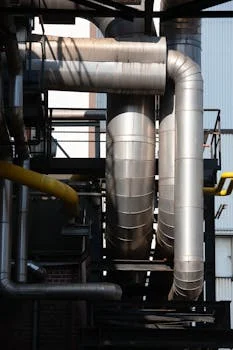
General inland limits apply to every industry, yet the Department of Environment adds tighter duties for textile, pharmaceutical, food, and tannery plants. Those sector notes drive tank size more than the headline BOD number does. Most tannery streams we see at Hemayetpur need the chromium step before biology, or the 0.1 mg/L cap is missed even when BOD is already low.
| Industry Sector | Key Regulatory Focus | Notable Requirements |
|---|---|---|
| Textile & Garment | BOD, COD, Color, Sulfide | Most regulated sector. Must meet the strict 30 mg/L BOD limit. Color removal is explicitly required, pushing facilities toward advanced treatment. The use of specific azo dyes is banned, and effluent color must be indistinguishable from natural water. |
| Pharmaceutical | Antibiotic Residues, COD | Subject to draft guidelines targeting active pharmaceutical ingredients (APIs). High COD loads require robust biological and advanced oxidation processes. Facilities are encouraged to implement product-specific waste stream segregation to treat high-potency compounds separately. |
| Food Processing | BOD, COD, FOG (Fats, Oil, Grease) | High organic load demands efficient primary separation and biological treatment. FOG control is critical to prevent sewer line blockages and meet the 10 mg/L limit. Seasonal operations, like sugar refining, must have treatment systems capable of handling highly variable organic loading rates. |
| Leather Tanning | Chromium (Cr VI), Sulfide, TDS | Stringent chromium limit of ≤0.1 mg/L. Often requires specialized chemical precipitation and is a primary candidate for Zero Liquid Discharge (ZLD). Tanneries are predominantly clustered in Hemayetpur, Savar, and are subject to enhanced surveillance and stricter zoning laws. |
Schedule 12 of the 1997 Rules covers a composite textile plant whose capital investment is more than thirty million Taka. It sets pH at 6.5–9, suspended solids at 100 mg/L, oil and grease at 10 mg/L, and total dissolved solids at 2,100 mg/L. Wastewater flow is given as 100 per kg of fabric processed. Special dye parameters are total chromium at 2 mg/L, sulfide at 2 mg/L, and phenolic compounds at 5 mg/L.
The low end of pH is tighter than the working table’s 6.0–9.0. Where the sector schedule still governs, hold textile pH from 6.5 to 9.
The 2025 Chattogram study also applied a color cap of 150 Hazen and a minimum outlet dissolved oxygen of 4.5 mg/L under its ECR 2023 reading. Schedule 10 already prints dissolved oxygen as 4.5–8 mg/L for inland, sewer, and irrigated-land discharge. The sector table still asks for textile color indistinguishable from the receiving water. That visual test can be stricter than 150 Hazen when the river itself is clear.
The Department of Environment strongly encourages, and in some clusters mandates, zero liquid discharge for textiles, tanneries, and pharmaceuticals in water-stressed regions. In one common tannery case, meeting 0.1 mg/L Cr VI at Hemayetpur or Savar drives chemical precipitation plus tighter sludge controls.
From Regulation to Technology: Matching Standards to Treatment Systems
Meeting the numeric caps requires a treatment train matched to influent load, not a single machine. System choice depends on industry, influent character, and the effluent quality the permit names. The mapping below links common compliance challenges to treatment options. Most food plants we size put dissolved air flotation ahead of the biological tank, because the 10 mg/L oil and grease cap is a primary-treatment job.
| Compliance Challenge | Required Treatment Technology | Application Notes |
|---|---|---|
| High BOD/COD Reduction (e.g., from >500 mg/L to <30 mg/L BOD) | Secondary Biological Treatment (Activated Sludge, Sequential Batch Reactor - SBR), MBR system for high-efficiency BOD and COD removal | MBR technology excels by combining biological treatment with membrane filtration, producing exceptionally high-quality effluent that consistently meets the strictest limits. It is particularly advantageous for facilities with limited space, as it eliminates the need for large secondary clarifiers. |
| Removal of Fats, Oil, Grease (FOG) & Suspended Solids (TSS) | Primary Treatment: DAF system for FOG and TSS removal in industrial pre-treatment | Dissolved Air Flotation is highly effective as a pre-treatment step for food and textile wastewater, reducing load on downstream biological systems. Chemical coagulants like alum or ferric chloride are often dosed upstream of the DAF to enhance removal efficiency, often achieving over 95% TSS and FOG removal. |
| Stubborn COD or Color Removal | Tertiary Treatment: Advanced Oxidation Processes (AOP), Ozonation, Activated Carbon | Used after biological treatment to break down complex organic molecules and dyes that are otherwise non-biodegradable. AOPs utilizing UV light combined with hydrogen peroxide or ozone are highly effective but require careful operational control to manage energy and chemical consumption costs. |
| Absolute Compliance in Sensitive Zones | Zero Liquid Discharge (ZLD): Reverse Osmosis + Evaporator + Crystallizer | The only method to eliminate liquid discharge. Recycles ~95% of water and produces solid waste for secure disposal, future-proofing against regulatory tightening. While capital and operational intensive, ZLD can significantly reduce a facility's freshwater intake and provide a hedge against water scarcity and rising tariffs. |
A textile plant that once discharged near 100 mg/L BOD now faces the 30 mg/L limit. That shift usually requires stronger secondary treatment, and often membrane polishing, before inland surface release. Where the plot is small, a packaged train can still hit these caps if the supplier sizes it on your influent, not on a catalogue flow. See Package Wastewater Treatment Plants in Bangladesh: 2026 Engineering Guide for package scope, cost lines, and supplier checks.
What should you confirm before resizing a plant?
Confirm the outfall class, the sector schedule, and the number printed on the permit before you resize any tank. A sewer column and an inland column are not interchangeable.
- Name the outfall: inland surface water, public sewer, or irrigated land.
- Check whether Schedule 12 or another sector schedule overrides Schedule 10.
- Write the permit COD next to both 120 mg/L and 200 mg/L and design to the tighter one that the permit actually names.
- Sample BOD, COD, suspended solids, oil and grease, pH, and the sector metals at the final outlet.
- For textiles, check color against the receiving water and against 150 Hazen, and check pH against 6.5–9 if Schedule 12 applies.
- Classify sludge before you pick landfill, a cement kiln, or agriculture.
- Keep the sludge management plan and the written disposal permission with the last quarter of outlet results.
Sludge Management and Secondary Waste Rules
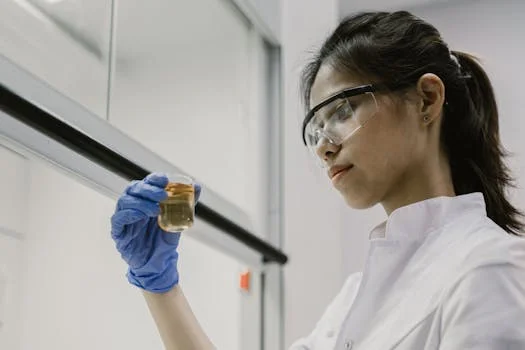
Compliance does not end at the treated-water pipe, because the Department of Environment’s February 2015 sludge guideline still binds the solids. The Bangladesh Standards and Guidelines for Sludge Management require safe handling and disposal. Sludge is hazardous when heavy metal content exceeds defined thresholds and then needs specialized handling.
On-site dewatering with equipment such as a filter press reduces volume and weight before transport to approved disposal sites. The guideline lists filter presses and centrifuges among the pre-treatment options that cut volume before haulage.
Landfilling untreated liquid sludge is prohibited. Generators remain responsible for cradle-to-grave management and must keep manifests for volume, characteristics, and final disposal for a Department of Environment audit. The 2015 guideline puts the same duty in different words: the producer classifies the sludge, submits a sludge management plan, and may use or dispose of it only with written permission. The plan states annual tonnes of dry matter, wastewater origin, sludge class, the chosen route, the hauler, and the laboratory.
Most plants we visit still hold wet sludge in an open pit, which the 2015 guideline does not treat as disposal.
The guideline sorts sludge into three classes. Category A is municipal sludge, including comparable sludge such as some food-processing sludge. Category B is other industrial sludge, including central-plant sludge that is not hazardous. Category C is hazardous industrial or central-plant sludge.
Mixing follows the stricter class: Category A mixed with Category C becomes Category C, and the guideline forbids that mix. Category C sludge goes to thermal incineration or a controlled landfill. Non-hazardous sludge may go to cement kiln co-processing or brick manufacturing after prior Department of Environment approval, which matches the Category B recycling route in the guideline.
For agricultural use, Table 2 caps sludge at 900 mg/kg lead, 10 mg/kg cadmium, and 900 mg/kg chromium on a dry-substance basis. The same table caps copper at 800 mg/kg, nickel at 200 mg/kg, mercury at 8 mg/kg, and zinc at 2,500 mg/kg. The guideline footnote sources those parameter limits to the German Sewage Sludge Ordinance of July 2002. The quantity limit is less than 3 t dry substance of sewage sludge per ha in 3 years, and less than 10 t dry substance of sludge compost per ha in 3 years.
An optimized compost carbon-to-nitrogen ratio in the guideline is 25–30:1. Anaerobic digestion is not allowed for Category C sludge.
Future of Wastewater Regulation in Bangladesh
Bangladesh effluent control is tightening around clusters, monitoring, and fees, even where today’s permit is still an inland discharge permit. The government plans to mandate zero liquid discharge for major textile clusters in Dhaka and Chittagong by 2027. Stricter limits for emerging contaminants such as microplastics and endocrine disruptors remain under review for possible 2026 action. Most clusters we plan for still discharge under an inland permit in 2026, so the 2027 cluster rule is a design risk, not the permit they hold today.
Adoption of real-time digital effluent monitoring sensors is likely to become a license condition for large industries, with data sent directly to the Department of Environment. Penalties are set to rise under a 2025 enforcement directive. A "Pay-to-Pollute" fee scheme is also under study, which would raise the cost of exceeding discharge limits relative to treatment upgrades. Schedule 10 note (3) already says an instant sample must meet the standard, and that the standard may be enforced more strictly for local conditions.
A sensor does not create a new number. It makes the existing number harder to miss.
How do CETP discharge standards compliance rules in India relate for Bangladesh-linked plants?
Some Bangladesh exporters also operate or supply into Indian central-plant catchments and must track both regimes. Bangladesh Department of Environment inland limits remain the local legal baseline for on-site discharge. Indian central-plant acceptance rules can add buyer or park-level constraints on COD, color, and metals before shared treatment. Align both sets of limits when sizing pre-treatment for dual-market facilities. Do not replace a Bangladesh permit number with a foreign park number.
Who this is for / Who should look elsewhere / Next step
Plant managers, EHS leads, and engineering teams at Bangladesh textile, tannery, pharmaceutical, and food sites are the readers this page is built for. Use it when the discharge is inland surface water or a shared sewer inside Bangladesh. Readers who want only municipal drinking-water rules, or a line-by-line permit form, should use the permit page linked above rather than this standards overview.
Next step: write your permit caps beside the three tables, then size primary, biological, and polishing stages before the next inspection. Most reviews we run start from three numbers: inlet BOD, inlet COD, and the permit cap. For a process review against your BOD, COD, oil and grease, or chromium data, request a site-specific process review.
Frequently Asked Questions
These five answers cover the BOD number, zero-liquid-discharge status, the strictest sectors, inspection rhythm, and the penalty path.
What is the BOD limit for industrial wastewater in Bangladesh?
The BOD limit in this guide is 30 mg/L for textile plants and 50 mg/L for other industries discharging to inland surface water. Schedule 10 of the 1997 Rules set inland BOD at 20°C at 50 mg/L outside a sector schedule. Schedule 12 set composite-textile BOD5 at 20°C at 150 mg/L for physico-chemical treatment. A 2025 Chattogram study applied an ECR 2023 cap of 30 mg/L BOD. Public sewers may set a stricter acceptance limit.
Is ZLD mandatory in Bangladesh?
Zero liquid discharge is not a universal legal duty for every Bangladesh factory yet. This guide treats it as strongly encouraged for textiles, tanneries, and pharmaceuticals, and as a likely duty for major textile clusters in Dhaka and Chittagong by 2027. Some overseas buyers already ask for zero liquid discharge or advanced-treatment evidence before they place orders. If your current permit is an inland discharge permit, meet the numeric caps first.
Which industries face the strictest wastewater rules in Bangladesh?
Textile, leather tanning, pharmaceutical, and food plants face the most specific effluent standards in this guide. Tanneries draw the closest scrutiny because hexavalent chromium is capped at 0.1 mg/L and sulfide sits on the sector list. Textile plants must meet 30 mg/L BOD in the working table, and color removal is explicit. Food plants must hold fats, oil, and grease at 10 mg/L. Pharmaceutical sites are pushed to segregate high-potency streams before the shared biological tank.
How often does DoE inspect industrial effluent?
The Department of Environment typically inspects high-risk textile and tannery sites each quarter and inspects other plants once a year. Surprise inspections also follow public or NGO complaints. A visit compares a grab sample with the self-monitoring sheet. Keep the latest outlet log, the sludge class, and the written disposal permission in one file. Plants that cannot show the last quarter of BOD and COD results lose time even when the process tank looks stable.
What happens if a factory violates wastewater standards?
Penalties escalate from fines and enforcement notices to a mandatory halt of production. Repeated or severe violations can lead to permanent closure. Company directors can also be held personally liable under the Environmental Conservation Act 1995. A failed outlet sample does not wait for the next annual renewal. Correct the unit that missed the cap, resample the final discharge, and file the action before the follow-up visit.