Start with the discharge or reuse endpoint
For a food and beverage plant in Brewster, choose a membrane bioreactor system when predictable low suspended solids, a constrained footprint or a defined water-reuse application justifies membrane complexity; choose conventional activated sludge when wastewater is stable, space is available, existing assets are sound and discharge requirements are moderate. Neither system automatically removes dissolved salts, surfactants, nutrients or other dissolved contaminants. The practical decision begins with the permit or reuse specification, representative production and cleaning data, pretreatment needs, redundancy and complete lifecycle cost—not average daily flow alone.
The governing document determines what the bidder must actually deliver. For conventional discharge, obtain the discharge permit and identify its pollutant limits, monitoring requirements and reporting conditions. For discharge to a sewer or receiving authority, obtain the sewer-use or pretreatment agreement rather than assuming that a generic “industrial wastewater” specification controls. For reuse, require written criteria identifying the receiving use: irrigation, cooling, process rinsing or near-potable reuse.
Those reuse destinations are not interchangeable. Irrigation, cooling, process rinsing and near-potable reuse carry different water-chemistry, microbiological and monitoring requirements. A membrane provides a solids-retention barrier, but it does not independently remove dissolved salts, surfactants, nutrients or every other dissolved constituent. Where the endpoint requires those constituents to be removed, evaluate a separate polishing process rather than treating MBR permeate as complete reuse treatment. The MBR wastewater treatment cost per m³ guide is useful for lifecycle framing, but it cannot substitute for the site’s controlling documents.
Procurement gate: no MBR, CAS or hybrid bid should move to final comparison until every bidder is working from the same permit, sewer agreement or written reuse specification.
Compare MBR and activated sludge against actual plant conditions
MBR and conventional activated sludge differ principally in solids separation: CAS uses an aerated suspended-growth reactor and secondary clarifier, while MBR retains biomass and solids within the membrane bioreactor and withdraws permeate across membranes. That structural difference affects hydraulic design, footprint, fouling control, sludge handling and downstream treatment; it does not make MBR a universal solution for dissolved contaminants.
Use an if-then selection rather than a general technology preference:
- If predictable low TSS has measurable value, footprint is constrained, or production and cleaning peaks threaten clarifier carryover, evaluate MBR. Confirm that membrane area, equalization and cleaning assumptions address the documented peak conditions.
- If wastewater is stable, land is available, existing biological and clarifier assets have adequate capacity, and the endpoint is moderate, evaluate CAS. Verify hydraulic loading, solids loading and peak carryover rather than relying on nominal tank volume.
- If one identified deficiency remains while other assets retain value, evaluate a hybrid. Require a written unit-by-unit mass balance showing how FOG capture, solids separation or dissolved-contaminant polishing changes performance against the same endpoint as the full alternatives.
EPA’s membrane bioreactor fact sheet, as summarized in the supplied 2026 research, states that peak design flow should generally be no more than 1.5 to 2 times average design flow; above that range, additional membrane capacity or equalization is required. Bidders must reconcile this design standard with the measured production schedule, batch concentrations and equalization response.
Do not accept a footprint claim without its comparison boundary. HydropureWater’s integrated submerged-PVDF MBR system states a 60% smaller footprint than conventional systems. This is a manufacturer specification, not an industry benchmark or a guaranteed Brewster result. Require dimensioned layouts for the complete installed train, including equalization, pretreatment, aeration, controls, piping, drainage, maintenance access, blowers, chemical storage and sludge handling.
| Selection condition | Preferred basis for evaluation | Bidder evidence required |
|---|---|---|
| Stable wastewater; adequate space; sound existing assets; moderate endpoint | CAS | Clarifier hydraulic and solids-loading review, fitted-filter basis, sludge capacity and remaining asset life |
| Low-TSS value, constrained footprint, peak carryover risk or defined reuse | MBR | Flux and MLSS basis, equalization response, cleaning plan, redundancy and complete layout |
| One specific process deficiency while other equipment remains usable | Hybrid | Written mass balance and verification against the same endpoint as MBR and CAS |
| Batch variability, fouling or reuse performance remains unresolved | Pilot or campaign-based review | Representative sampling plan and pre-agreed acceptance criteria |
Characterize batch wastewater before sizing equipment
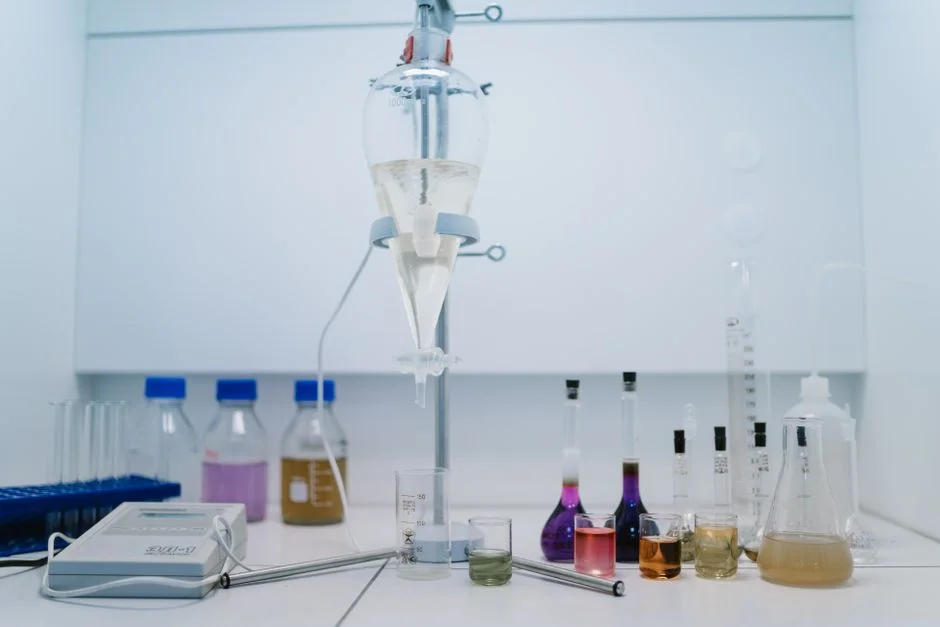
Representative characterization across production, flushing, clean-in-place, product-changeover and shutdown periods is the first technical gate for sizing a food-process wastewater treatment system. Average daily flow alone is not a defensible sizing basis because it hides the concentration, duration and coincidence of batch discharges.
Build the sampling program around the operating calendar. Identify the production losses and ingredient residues in each stream: dairy or juice residues, starches, proteins, fats and oils. Record cleaning chemicals, sanitizers, batch dumps, stream concentrations, discharge durations, discharge points and the plant shutdown sequence. Samples should be analyzed for COD, BOD, TSS, FOG, pH, temperature and relevant surfactant or toxicity indicators before biological capacity, equalization duty or pretreatment is assigned.
- Map each wastewater-generating activity to its batch volume, constituent profile and discharge point.
- Sample representative production, flushing, clean-in-place, changeover and shutdown periods.
- Identify which streams can overlap and whether the equalization tank can receive each stream without a prohibited mixing reaction.
- Calculate equalization volume from the overlapping batch schedule and measured concentrations, not from a generic percentage of daily flow.
- Give bidders the resulting flow and loading envelopes, including the assumed operating and upset conditions.
For food and beverage wastewater, continuous and batch streams should be distinguished in the design basis. A stream with modest volume but concentrated product loss can control biological loading; a high-volume cleaning stream can control equalization or pH; and an off-spec batch can control whether the treatment train needs additional storage, routing or segregation. The DAF pretreatment for food-process wastewater should be specified only after the characterization shows that measured oil, FOG, suspended solids or colloidal material warrants that removal step.
| Required input | Question answered | Use in sizing or procurement |
|---|---|---|
| Production and cleaning schedule | Which events occur together? | Peak hydraulic and loading basis |
| COD, BOD, TSS, FOG, pH, temperature | What biological, equalization and pretreatment duties result? | Reactor capacity, equalization volume and unit pretreatment objectives |
| Surfactants or toxicity indicators | Could constituents inhibit biology or foul membranes? | Source control, segregation, pretreatment or pilot testing |
| Batch concentrations, durations, ingredients and discharge points | Which stream controls the design? | Equalization, routing and upset-management requirements |
| Shutdown and upset plan | How will off-spec or high-strength waste be managed? | Storage, diversion, standby and commissioning provisions |
Protect membranes and prevent solids carryover
EPA requires fine screening immediately before MBR membranes and identifies 1- to 2-mm screening for hollow-fiber membranes and 2- to 3-mm for plate membranes, with the manufacturer-selected cutoff governing, according to the supplied 2026 research. The screen must be placed where it can protect the membrane system without creating an avoidable hydraulic or solids-removal bottleneck.
Screening protects the membranes but does not remove dissolved fats, fine colloids, oil or surfactants. Include DAF where measured FOG, oil, suspended solids or colloidal material creates a biological or membrane-protection problem. Every pretreatment unit should have a traceable chain: measured constituent, protected asset or process, removal objective and performance verification method. Without that chain, pretreatment becomes a price line rather than a technical requirement.
For MBR, require the membrane material, pore size, module configuration, design flux, MLSS range, transmembrane-pressure and normalized-flux criteria, cleaning methods, expected cleaning frequency, replacement provisions, module isolation and N plus 1 capacity. Also identify treatment capacity available during maintenance and include critical spares, operator training and commissioning tests. Fouling controls should be connected to the measured wastewater envelope.
For CAS, the equivalent diligence is on the secondary clarifier and surrounding system. Document clarifier hydraulic and solids-loading capacity, observed carryover during production and cleaning peaks, sludge-handling capacity, controls, fitted filters and the remaining life of existing equipment. Installed equipment is not free capacity: credit existing tanks, clarifiers, pumps, blowers, controls and utilities only after their hydraulic capability and remaining service life are established.
| System or unit | Protection or performance requirement | Required bidder documentation |
|---|---|---|
| MBR screening | Manufacturer-selected screen compatible with membrane type | Screen location, aperture basis, headloss provision and maintenance access |
| DAF or other pretreatment | Protection based on measured oil, FOG, solids or colloids | Design flow, constituent loading, removal objective and verification method |
| MBR fouling control | Cleaning and isolation without loss of required capacity | Flux basis, MLSS range, cleaning triggers, N plus 1 capacity and replacement terms |
| CAS secondary clarifier | Adequate peak hydraulic and solids-loading performance | Carryover review, sludge capacity, controls, fitted filters and remaining asset life |
Build the decision matrix and common RFQ
The selection should close with one fillable matrix and one common RFQ issued to MBR, CAS and hybrid bidders. Give every bidder the same average flow, peak flow, production and cleaning schedule, wastewater characterization, treatment objectives, effluent guarantees, footprint, utilities, sludge route and redundancy basis. Differences between bids then reflect technical solutions rather than different assumptions.
Each price must cover the complete installed scope: equalization, pretreatment, biological treatment, aeration, controls, civil work, piping, electrical service, commissioning, disinfection, sludge handling, polishing and redundancy. For an integrated submerged-PVDF MBR system, separately identify membrane modules, cleaning systems, N plus 1 capacity, module isolation, air scour, replacement and warranty exclusions. For CAS, identify the secondary clarifier, fitted filters, sludge capacity, controls and remaining asset life.
Do not credit reuse or retained assets before receiving-authority acceptance. If reuse requires dissolved-contaminant removal, evaluate a suitable downstream polishing process rather than inserting it automatically into every bid. The DAF versus clarifier for food and beverage wastewater comparison can help define pretreatment scope, but the final matrix must use the common endpoint and measured constituents.
| RFQ decision field | Information the buyer must provide | Response required from every bidder |
|---|---|---|
| Endpoint | Permit, sewer agreement or written reuse criteria | Compliance map, monitoring plan and enforceable guarantees tied to the documented influent envelope |
| Flow and wastewater | Representative sampling across production and cleaning periods | Biological and hydraulic loading, equalization duty, membrane area and pretreatment basis |
| Installed scope | Footprint, utilities, civil interface, sludge route and reuse destination | Complete price and dimensioned layout, including all auxiliary equipment and access |
| Resilience | Required treatment during maintenance and upset conditions | N plus 1 basis, standby strategy, module isolation, critical spares and operating response |
| Operations | Local utility and disposal rates, operator capability and assessment period | Electricity, air scour, chemicals, labor, maintenance, replacement and sludge-disposal costs |
| Legacy assets | Documented condition and remaining life | Capacity credited, condition assessment and renewal allowance |
| Final ranking | One endpoint, one scope and one assessment period | Endpoint compliance, completeness, resilience, guarantees and lifecycle cost in a common format |
Rank the alternatives in this order: endpoint compliance, complete scope, operating resilience, enforceable guarantees and lifecycle cost. The supplied evidence establishes no universal 2026 Brewster price for MBR, CAS or hybrid treatment, so a defensible comparison requires actual bids against the same measured design basis. Keep avoided potable-water value and retained-asset value separate from base cost until they are accepted and documented.
Frequently Asked Questions
How much will MBR, CAS or hybrid treatment cost for a food plant in Brewster?
No defensible universal 2026 Brewster price can be derived from the supplied evidence. Request a complete installed price from every bidder using the same measured flow, wastewater characterization, endpoint, footprint, utilities, pretreatment, equalization, redundancy, guarantees, sludge route and lifecycle assessment period. Separate capital, operating costs, membrane replacement, clar
Frequently Asked Questions
Is MBR worth the extra cost for a food and beverage plant in Brewster?
For Brewster food plants, an MBR is typically justified when local discharge limits for BOD, TSS, or nutrients are stringent, or when land availability is constrained. While MBR systems generally carry a 20–30% higher capital cost and elevated energy demands (0.5–1.5 kWh/m³ of treated water) compared to conventional activated sludge, the superior effluent quality often avoids high municipal surcharges and facilitates potential water reuse.
How should I size an MBR for variable food-processing wastewater?
Sizing must account for the specific peak organic loading (F/M ratio) and hydraulic surge capacity inherent in seasonal food production. Engineers should design for a peak-to-average flow ratio of at least 2.5:1 and utilize an equalization tank sized for 12–24 hours of retention to dampen fluctuations in pH, temperature, and COD concentrations, which can otherwise foul membranes and destabilize biological performance.
What should I ask an MBR supplier before approving a bid?
Request data on the membrane flux rate (typically 10–25 LMH for food wastewater), the guaranteed membrane lifespan under CIP (Clean-in-Place) protocols, and the specific energy consumption per unit of permeate produced. Additionally, require a reference list of similar food-processing facilities to confirm how the system manages high FOG (fats, oils, and grease) concentrations and unexpected shock loads.
Does low-TSS MBR effluent automatically qualify for water reuse?
No, while MBR effluent consistently achieves TSS levels below 1 mg/L and high turbidity removal, it does not guarantee compliance with reuse standards. Depending on the intended application—such as clean-in-place (CIP) operations or cooling tower makeup—additional tertiary treatment like UV disinfection, ozonation, or reverse osmosis may be required to address dissolved solids (TDS) and potential microbial regrowth.
When is a hybrid MBR and activated-sludge system better than either option alone?
A hybrid configuration is often superior when upgrading an existing conventional plant that lacks the footprint for full expansion or when the influent variability is too extreme for a standalone membrane process. By utilizing the existing conventional tanks for bulk COD removal and integrating MBR modules for final clarification, plants can achieve higher biomass concentrations (MLSS of 8,000–12,000 mg/L) without the capital expense of replacing the entire biological train.