Choose DAF or Clarifier by the Wastewater Constraint
For food and beverage wastewater in King Cove, choose dissolved air flotation when FOG, product-loss organics, or phosphorus limits dominate and compressed-air operating cost is acceptable. Choose a lamella clarifier when the load is predominantly settleable solids and lower energy use is the priority. CIP surges, fragile flocs, and sinking solids must be included in the design. Final selection should follow site sampling, jar and pilot testing, and written vendor guarantees using the same flow, load, and effluent criteria.
This is a unit-process decision, not selection of a complete treatment train. WWD Magazine, as summarized in the HydropureWater beverage-wastewater design article published in 2026, identifies suspended solids, organic matter, hydrocarbons, phosphorus, and nitrogen as DAF removal targets. Sedimentation uses less energy because it has no air-compression step. Neither physical-treatment device necessarily replaces biological treatment or disinfection; the selected equipment must fit the plant’s discharge consent, reuse objective, downstream biological process, and sludge route.
The decision rule is therefore:
- Select DAF when FOG capture, product-loss organics, phosphorus removal, or float recovery materially improve permit compliance or reuse economics.
- Select a lamella clarifier when the solids are reliably settleable, the biological system can accept the clarified effluent, and avoiding compressed-air and recycle-system energy is the dominant operating consideration.
- Keep the comparison open when wastewater composition varies materially between production, product loss, and CIP batches. Site data and pilot performance must resolve the choice.
The lamella clarifier has a cataloged surface loading rate of 20–40 m/h according to HydropureWater’s product information. That is a manufacturer product figure, not a King Cove design value. A bid should be accepted only when its hydraulic basis is demonstrated on the plant’s actual flow, solids, and effluent requirements. The regional food-and-beverage DAF comparison guide provides additional decision context.
Map King Cove Wastewater Before Selecting Equipment
DAF and clarification designs fail at the boundary between routine production wastewater and episodic loads unless the RFQ begins with documented, time-resolved wastewater data. The required inputs are hourly average flow, peak hourly flow during CIP cleaning, influent TSS, FOG, BOD/COD, pH, and temperature, according to the HydropureWater beverage-wastewater design article published in 2026, which cites WWD Magazine.
Build the sampling plan around the plant’s actual operating calendar:
- Separate routine production wastewater from batch CIP discharges.
- Identify spilled syrup, rejected batches, fruit pulp, spent grains, pulp-fines, and bottle-wash detergent carry-over as distinct contributors where they occur.
- Record flow, TSS, FOG, and organics during normal production and during representative CIP releases rather than relying on one composite sample.
- Check whether chemicals or particulates alter particle density and whether the resulting solids float, settle, or split between both paths.
- Document production changes, cleaning schedules, shutdowns, and reuse demand that affect the design basis.
CIP can raise flow and load, while syrup and pulp can change density, organic loading, and floc behavior. A unit sized only to the production average may therefore encounter both hydraulic overload and poor float recovery. The source data provide no numeric King Cove peak-flow allowance, so the buyer must obtain it from plant records rather than assume a generic range.
Variation caused by production mix is not hypothetical. Xylem’s current food-processing case-study material reports that Golden Flake’s snack-food production mix caused wastewater flows to range from 100,000–350,000 gpd (380–1,330 m³/d). That example demonstrates the importance of variable flow and strength; it is not a King Cove sizing assumption.
Supplier experience should also match the application. The HydropureWater 2026 source advises requesting references specifically from food-and-beverage plants because beverage influent is not interchangeable with refinery or metalworking wastewater. Use the US food-processing wastewater treatment guide to structure sampling and distinguish physical treatment from the downstream treatment train.
Compare Process Performance and Operating Demands
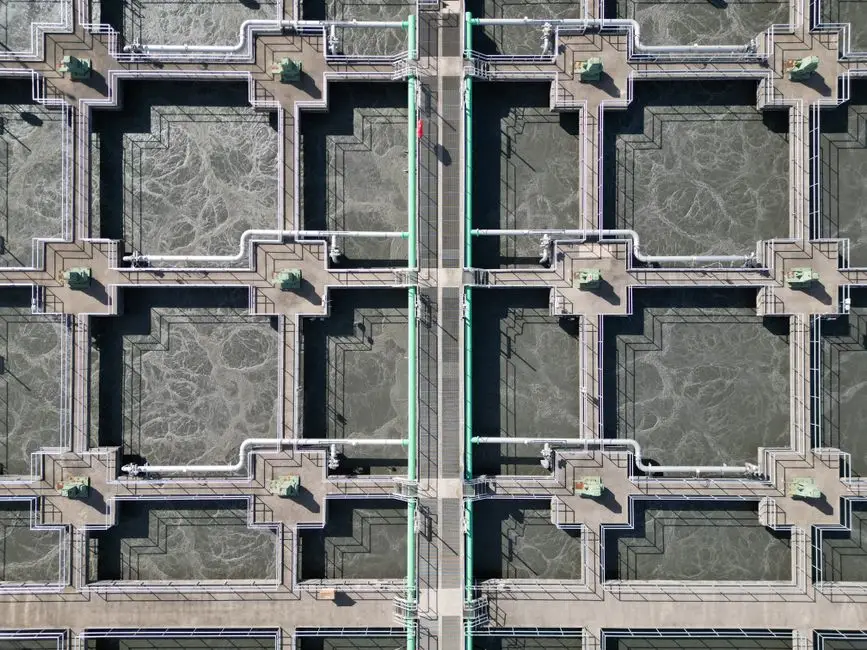
DAF buys broader flotation capability with compressed air, recycle equipment, and more complex solids handling; clarification buys lower energy demand with a simpler settling train. WWD Magazine, summarized in HydropureWater’s 2026 beverage-wastewater design article, identifies suspended solids, organic matter, hydrocarbons, phosphorus, and nitrogen as DAF removal targets and states that DAF consumes more energy than sedimentation because of air compression.
The DAF process sequence is screening and flow equalization, coagulant dosing, floc formation, introduction of saturated recycle water, micro-bubble attachment, and skimming of the float blanket. The clarifier sequence is flocculation followed by settling and sludge withdrawal, without an air-compression stage. For DAF, the operating-cost model must include the recycle pump, saturation tank, and air compressor. For either route, chemical demand, sludge dewatering, controls, maintenance, and operator attention remain part of the comparison.
| Decision item | DAF | Lamella clarifier |
|---|---|---|
| Primary advantage | Simultaneous treatment of suspended solids, organic matter, hydrocarbons, phosphorus, and nitrogen, as identified by WWD Magazine in the HydropureWater 2026 source | Clarification of predominantly settleable solids without an air-compression stage |
| Process route | Equalization, coagulation, flocculation, saturated recycle, bubble attachment, and skimming | Flocculation, settling, and sludge withdrawal |
| Energy burden | Higher because compressed air, saturation, and recycle pumping are required | Lower because there is no air-compression step |
| Solids behavior | Surface float plus possible sinking sludge; beverage particulates may float incompletely | Concentrated settled sludge; performance depends on floc settleability |
| Key failure mode | Fragile floc, incomplete skimming, carryover, or inadequate air-to-solids performance | Poor settling, floc breakage, carryover, or unsuitable hydraulic loading |
| Vendor performance evidence | DAF Corp lists 92%–98% TSS removal for FC Maximizer and 85%–90% for RC UniMax on its 2025 website | HydropureWater’s product information claims chemical-consumption reduction of up to 30% |
The final two rows are not comparable guarantees. DAF Corp’s figures are product-specific claims from its 2025 website, not promises for an unnamed King Cove plant. HydropureWater’s chemical-consumption figure is a manufacturer product claim, not a universal food-industry result. Neither supports a purchasing decision without site-specific validation. Compare a packaged DAF system and the lamella option using the same effluent targets, flow basis, sludge obligations, and operating-cost boundary.
Build a Comparable Equipment Specification
A comparable RFQ must force every bidder to design from the same King Cove wastewater and performance criteria. Require each proposal to identify its technology as DAF or lamella clarification and to state the corresponding hydraulic design basis. Do not permit a generic catalog selection, because standard flow envelopes do not establish performance at the plant’s actual solids loading.
| RFQ item | Information required from every bidder |
|---|---|
| Design basis | Hourly average flow, CIP peak hourly flow, TSS, FOG, BOD/COD, pH, temperature, and applicable discharge-consent or reuse specification |
| DAF hydraulics | Hydraulic loading rate in m³/m²·h; air-to-solids ratio in g air/g TSS as a curve; recycle rate as a percentage of forward flow; flocculation retention time in minutes |
| Clarifier hydraulics | Surface-loading basis, settling criteria, flocculation basis, weir and sludge-withdrawal arrangement |
| Performance | Effluent targets for TSS, FOG, BOD, phosphorus, and nitrogen, with the applicable permit or reuse specification stated separately |
| Solids handling | Skimmer mechanism, float-thickening or beach geometry, cone-bottom configuration, bottom-sludge withdrawal, and the sludge interface to dewatering |
| Controls | PLC scope, instrument list, alarms, interlocks, chemical-tank and dosing interface, power requirements, and control narrative |
| Commissioning | Site SAT, operator training, performance curves at the design solids loading, and written guarantees |
| Experience | Named food-and-beverage references with comparable wastewater and operating conditions |
HydropureWater’s catalog documents a DAF range of 4–300 m³/h across 13 models, while its lamella catalog must be evaluated separately. Those ranges are catalog checks, not process validation. For chemical delivery, ask bidders to define the automatic chemical dosing system and its turndown against the selected jar-test dose.
Require clarification of downstream solids handling in the same bid. The source identifies a plate-and-frame filter press as a typical downstream option for beverage DAF float. For the plate-and-frame filter press scope, identify the expected feed characteristics, cake-handling route, polymer demand, and the condition that triggers a thickener or other pre-thickening step. A bidder that prices the tank but leaves float and sludge acceptance undefined has not priced the complete treatment objective.
Validate Chemistry and Pilot Performance Before Purchase
Jar testing should establish the chemical window; pilot testing should establish whether the quoted hydraulics and solids-recovery mechanism work on the actual wastewater. The minimum jar-test matrix specified in the HydropureWater 2026 source, which cites WWD Magazine, covers three coagulants selected from alum, poly aluminum chloride, poly aluminum sulfate, ferric chloride, bentonite, and organic polymers, crossed with at least one polymer at three dose levels each.
The same source reports that monomeric aluminum performed better than polymeric or colloidal forms for TSS and soluble COD, while polymeric and colloidal forms performed better for soluble silica. For sugar-and-organic beverage wastewater, where silica is rarely the controlling parameter, monomeric aluminum is a documented starting point—not a final selection. Confirm it against the plant’s wastewater.
During testing, record more than effluent TSS. Observe floc strength, settling or flotation rate, float recovery, skimming behavior, and whether solids remain in suspension. High sugar or bottle-wash detergent carry-over can create fragile floc and incomplete skimming; the cited source recommends evaluating polyelectrolyte or polymer aid where that behavior occurs.
Then pilot-test the actual CIP-spiked stream. Require performance curves at the quoted design solids loading rather than one favorable operating point. The pilot should demonstrate:
- Flow and load handling under the stated peak condition.
- FOG and organic capture against the permit or reuse targets.
- Stable effluent across the selected chemical dose range.
- Recovery of surface float without significant soluble carryover.
- Withdrawal of sinking sludge where the wastewater produces it.
- Compatibility of the resulting float or settled sludge with the proposed dewatering equipment.
The operating-cost review should include chemicals, compressed air, recycle pumping, sludge dewatering, operator attention, and the value of clarified-water reuse or compliant discharge. Use the DAF selection checklist for FOG and TSS to prepare the pilot record and guarantee schedule.
Make the Final Selection With a Decision Gate
A defensible award requires process evidence, not the lowest equipment quotation. Select DAF when pilot testing confirms required FOG and organic capture, the additional removal targets add permit or reuse value, and the air-compression, recycle-system, chemical, and maintenance burden is acceptable. Select a clarifier when the wastewater is predominantly settleable, no decisive FOG or phosphorus constraint exists, and lower energy use materially improves lifecycle economics.
Compare the complete scope: equalization, chemical dosing, flotation or clarification, flow and load controls, float and sludge handling, dewatering, PLC scope, site SAT, operator training, and reference performance. The award memorandum should map each guarantee to pilot evidence and identify the test condition, wastewater source, analytical method, and acceptance interpretation.
Document why the selected train satisfies the current discharge consent or reuse specification, what downstream biological or disinfection steps remain, and how the vendor’s design responds to King Cove’s CIP peak and product-loss streams. If the evidence does not separate the two technologies, retain that conclusion in the decision record and resolve it through a controlled pilot rather than through an unsupported capacity assumption.
Frequently Asked Questions
Which option has the lower lifecycle cost for food and beverage wastewater?
DAF generally adds compressed-air and recycle-pumping energy, while sedimentation avoids the air-compression stage. The economic comparison must use the same electricity price, chemical dose, maintenance scope, sludge route, permit requirements, and reuse value. Request an operating-cost model with stated assumptions and measured pilot consumption; do not select from the equipment quotation alone.
What information is required before a DAF bid can be sized?
Obtain hourly average flow, CIP peak hourly flow, TSS, FOG, BOD/COD, pH, and temperature before requesting a firm size. Also document production variability, product-loss events, discharge-consent or reuse criteria, and downstream biological treatment. These inputs are identified in HydropureWater’s 2026 beverage-wastewater design article, which cites WWD Magazine.
What should a buyer request from a shortlisted supplier?
Request named food-and-beverage references, performance curves at the design solids loading, written performance guarantees, site SAT, operator training, and explicit float, sinking-sludge, and dewatering interfaces. Ask for the hydraulic and air-loading basis, recycle ratio, flocculation retention time, skimmer arrangement, and PLC scope. All responses should use the same design basis and effluent criteria.
What does jar testing prove that pilot testing does not?
Jar testing identifies chemical conditions and floc behavior; it does not establish full-scale hydraulic or solids-recovery performance. Pilot testing on the actual CIP-spiked stream verifies flow handling, float and sludge recovery, and performance at the quoted solids loading. Use both gates before issuing the purchase order.