Why Food Processing Wastewater Treatment is a $1.2B Compliance Challenge in the USA
Food processing wastewater in the USA requires treatment systems capable of handling organic loads 10–100x higher than municipal waste (EPA 2024), with influent Chemical Oxygen Demand (COD) ranging from 2,000–50,000 mg/L for meat processors to 500–5,000 mg/L for beverage plants. Failure to comply with stringent EPA Effluent Guidelines (40 CFR Part 405–407) can result in substantial penalties, with fines ranging from $37,500–$54,833 per day (40 CFR Part 122, 2024). For instance, a Texas meat processor faced $2.1 million in fines in 2023 for repeated Biological Oxygen Demand (BOD) violations. Beyond regulatory repercussions, untreated wastewater can lead to significant odor complaints, with 68% of food processing plants reporting neighbor disputes (EPA 2023 survey). Effective wastewater treatment, particularly through anaerobic digestion, can reduce hydrogen sulfide (H₂S) emissions by over 90% (Top 3). capturing biogas from anaerobic digestion offers a tangible revenue stream, with electricity generation valued at $0.03–$0.05/kWh and pipeline injection at $2–$5/MMBtu (EIA 2024). JBS, a major meat processor, reported annual savings of $12 million through their biogas capture initiatives (Top 3), demonstrating the dual benefit of compliance and economic advantage.
Influent vs. Effluent Specs: What Your Food Processing Wastewater Really Contains
Understanding the precise composition of food processing wastewater is fundamental to selecting an appropriate treatment system. The organic load, measured by COD and BOD, varies significantly across sub-sectors, as does the concentration of Total Suspended Solids (TSS) and Fats, Oils, and Grease (FOG). Meat processing facilities, for example, contend with the highest organic loads, with COD often exceeding 3,000 mg/L and FOG reaching up to 2,000 mg/L, largely due to blood and fat content, which contribute approximately 70% of their BOD (EPA 40 CFR Part 432). Dairy processing plants typically exhibit moderate COD levels (1,000–10,000 mg/L) but possess a high lactose content, a primary driver of BOD. These facilities require careful pH management, aiming for a stable range of 6.5–7.5 to prevent detrimental acidification (Top 2). Beverage manufacturers, while generally presenting the lowest organic load (COD 500–5,000 mg/L), often deal with high sugar concentrations that can rapidly lower pH, sometimes to levels as low as 3.5–5.0 (Top 5).
| Sub-Sector | COD (mg/L) | BOD (mg/L) | TSS (mg/L) | FOG (mg/L) | pH | Temperature (°F) |
|---|---|---|---|---|---|---|
| Meat Processing | 3,000–50,000 | 2,000–20,000 | 1,000–10,000 | 500–2,000 | 5.5–7.5 | 70–95 |
| Dairy Processing | 1,000–10,000 | 500–7,000 | 500–5,000 | 100–500 | 4.0–7.0 | 60–85 |
| Beverage Processing | 500–5,000 | 200–3,000 | 100–1,000 | 50–200 | 3.5–6.0 | 50–75 |
Treatment Technology Deep Dive: DAF vs. Anaerobic Digestion vs. MBR for Food Processing
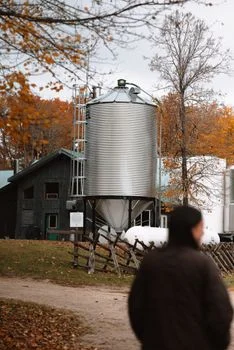
Selecting the optimal treatment technology hinges on a facility's specific wastewater characteristics, regulatory requirements, and operational goals. Dissolved Air Flotation (DAF) systems excel in removing FOG and suspended solids, making them ideal for urban dairy plants or facilities with stringent FOG discharge limits. Their compact footprint and efficient microbubble generation (30–50 μm) ensure over 95% FOG removal (Top 5). For high-strength wastewater with COD exceeding 5,000 mg/L, anaerobic digestion, particularly covered lagoon systems, offers robust BOD reduction (80–90%) and significant biogas capture. These systems require a substantial hydraulic retention time (HRT) of 20–30 days, yielding approximately 0.35–0.45 m³ of biogas per kilogram of COD removed (Top 3). Membrane Bioreactor (MBR) systems are the choice for achieving near-potable water quality, with effluent COD typically below 50 mg/L and TSS below 5 mg/L, enabling water reuse applications. However, MBRs command higher capital expenditure (CapEx) and operational expenditure (OpEx) due to their energy intensity and membrane replacement costs (Top 1). Hybrid systems, such as a combination of DAF and anaerobic digestion, are increasingly employed by meat processors to achieve comprehensive treatment, simultaneously addressing high FOG loads and substantial BOD, while maximizing biogas recovery (Top 3). For advanced pressure flotation systems for food processing, consider exploring our Advanced pressure flotation systems for food processing.
| Treatment Technology | COD Removal (%) | BOD Removal (%) | FOG Removal (%) | TSS Removal (%) | Biogas Yield (m³/kg COD) | Hydraulic Retention Time (days) | Footprint (m²/100 m³/h) | CapEx ($/m³/h) | OpEx ($/m³) |
|---|---|---|---|---|---|---|---|---|---|
| DAF | 30–50 | 20–40 | 95+ | 80–90 | N/A | <0.1 | 5–10 | 250–400 | 0.10–0.20 |
| Anaerobic Digestion (Covered Lagoon) | 80–90 | 80–90 | N/A | 50–70 | 0.35–0.45 | 20–30 | 500–1,000 | 500–1,200 | 0.05–0.15 |
| MBR | 95+ | 95+ | 90–95 | 98+ | N/A | 1–2 | 20–40 | 1,200–2,000 | 0.30–0.50 |
2025 Cost Breakdown: CapEx, OpEx, and ROI for Food Processing Wastewater Systems
Procurement teams require precise cost data to justify investments and compare treatment system options. In 2025, DAF systems offer an attractive entry point with CapEx ranging from $250–$400/m³/h and OpEx of $0.10–$0.20/m³, driven by chemical and energy consumption. These systems typically yield a return on investment (ROI) of 2–4 years, primarily through reduced wastewater surcharges (Top 5). Anaerobic digestion systems, while requiring higher CapEx ($500–$1,200/m³/h), present a compelling ROI of 3–5 years when biogas revenue is factored in. For a 100 m³/h system, annual biogas revenue can range from $50,000 to $150,000 (Top 3). MBR systems represent the highest initial investment, with CapEx between $1,200–$2,000/m³/h and OpEx of $0.30–$0.50/m³, primarily due to membrane replacement and higher energy demand. Their ROI of 5–7 years is most justifiable in applications focused on water reuse (Top 1). Hybrid systems, combining DAF and anaerobic digestion, offer a balanced approach with CapEx of $800–$1,500/m³/h and OpEx of $0.15–$0.30/m³, achieving an ROI of 3–5 years through combined savings from reduced surcharges and biogas monetization (EPA 2024). For optimizing chemical dosing, consider our PLC-controlled chemical dosing for pH and coagulant optimization.
| System Type | CapEx ($/m³/h) | OpEx ($/m³) | ROI (years) | Biogas Revenue ($/year for 100 m³/h system) |
|---|---|---|---|---|
| DAF | 250–400 | 0.10–0.20 | 2–4 | N/A |
| Anaerobic Digestion | 500–1,200 | 0.05–0.15 | 3–5 | 50,000–150,000 |
| MBR | 1,200–2,000 | 0.30–0.50 | 5–7 | N/A |
| Hybrid (DAF + Anaerobic) | 800–1,500 | 0.15–0.30 | 3–5 | 40,000–120,000 |
EPA Compliance Checklist: 40 CFR Part 405–407 and State-Level Requirements
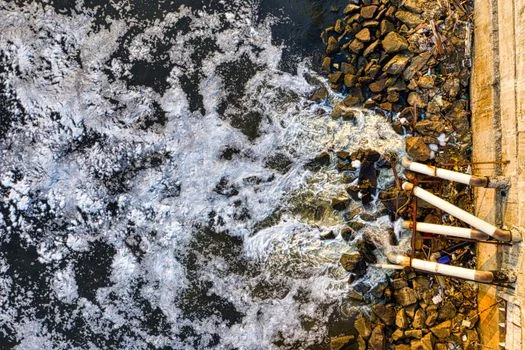
Adherence to EPA Effluent Guidelines is non-negotiable for food processing facilities. For meat processing operations, 40 CFR Part 432 mandates limits of BOD ≤30 mg/L, TSS ≤30 mg/L, and FOG ≤10 mg/L. A 2023 violation case involving Tyson Foods in Arkansas highlighted excessive FOG levels exceeding 15 mg/L. Dairy processing facilities, governed by 40 CFR Part 405, face similar limits for BOD and TSS (≤45 mg/L), with FOG also capped at ≤10 mg/L. However, state-specific regulations can impose stricter requirements; for instance, California’s Central Valley Regional Water Board may mandate BOD levels as low as 20 mg/L for certain dairy plants. Beverage processing, under 40 CFR Part 407, has BOD and TSS limits of ≤45 mg/L, with pH requirements between 6.0–9.0 (Top 2). Beyond federal mandates, states often introduce additional compliance measures. Texas, under 30 TAC §315, requires nutrient limits (Total Nitrogen ≤10 mg/L, Total Phosphorus ≤2 mg/L) for specific facilities, while Florida’s FAC 62-600 mandates robust odor control for anaerobic systems (Top 1).
| Sub-Sector | BOD (mg/L) | TSS (mg/L) | FOG (mg/L) | pH | Ammonia (mg/L) |
|---|---|---|---|---|---|
| Meat Processing | ≤30 | ≤30 | ≤10 | 6.0–9.0 | N/A (varies) |
| Dairy Processing | ≤45 | ≤45 | ≤10 | 6.0–9.0 | N/A (varies) |
| Beverage Processing | ≤45 | ≤45 | ≤10 | 6.0–9.0 | N/A (varies) |
| Fruits & Vegetables | ≤45 | ≤45 | ≤10 | 6.0–9.0 | N/A (varies) |
How to Select the Right System for Your Food Processing Facility: A Decision Framework
Choosing the optimal wastewater treatment system requires a systematic approach. Begin by thoroughly characterizing your wastewater influent, utilizing the 'Influent Characteristics by Food Sub-Sector' table in Section 2 as a baseline and conducting site-specific tests for COD, BOD, TSS, FOG, pH, and temperature. Next, clearly define your compliance goals, considering not only federal EPA limits but also any state-specific variances or water reuse objectives. For example, dairy plants in California may necessitate an MBR system for water reclamation, whereas meat processing facilities in Texas might find a DAF and anaerobic digestion combination sufficient for compliance. Evaluate your facility's footprint constraints; anaerobic digestion requires significant space for its extended HRT (20–30 days), while DAF and MBR systems are more compact, typically operating with HRTs of 1–2 days. Utilize the '2025 Cost Breakdown' table in Section 4 to calculate CapEx and OpEx for various options, prioritizing systems with an estimated ROI of under five years, such as DAF for FOG-intensive streams or anaerobic digestion for high-COD wastewater. Finally, conduct pilot testing for your top two or three technology choices to validate performance and operational feasibility before full-scale deployment. For integrated solutions, explore our Integrated MBR systems for water reuse in food processing.
Frequently Asked Questions
Q: What’s the best wastewater treatment system for a meat processing plant with 50 m³/h flow and high FOG?
A: A hybrid system combining Dissolved Air Flotation (DAF) and anaerobic digestion is ideal. DAF effectively removes over 95% of FOG, meeting EPA’s ≤10 mg/L limit, while anaerobic digestion reduces BOD by 80–90% and captures biogas for revenue. Estimated CapEx for such a system would range from $400,000 to $600,000, with an ROI of 3–4 years (based on Top 3 and Top 5 data).
Q: How much biogas can I expect from a covered lagoon digester treating dairy wastewater?
A: Biogas yield typically ranges from 0.35 to 0.45 m³ per kilogram of COD removed. For a 100 m³/h dairy plant with an average COD of 3,000 mg/L, this translates to approximately 1,050–1,350 m³ of biogas per day. At EIA 2024 electricity rates, this could generate $15,000–$25,000 in annual revenue (Top 3).
Q: What are the EPA’s BOD limits for food processing wastewater?
A: The EPA's 40 CFR Part 405–407 sets specific sub-sector limits: meat processing has a BOD limit of ≤30 mg/L, while dairy and beverage processing both have limits of ≤45 mg/L. It's crucial to note that state variances can impose stricter requirements, such as California’s BOD ≤20 mg/L for certain dairy plants (Top 1 and EPA 2024).
Q: How much does a DAF system cost for a 50 m³/h food processing plant?
A: In 2025, the estimated CapEx for a DAF system of this size ranges from $125,000 to $200,000, with OpEx between $0.10–$0.20/m³. The projected ROI is typically 2–4 years, primarily from reduced wastewater discharge surcharges (Top 5 and cost data in Section 4).
Q: Can I reuse treated food processing wastewater for irrigation or cooling?
A: Yes, treated wastewater can be reused, but only MBR systems are generally required to achieve the high effluent quality needed for such applications (COD <50 mg/L, TSS <5 mg/L). For example, a California beverage plant successfully reuses 80% of its MBR effluent for cooling towers, resulting in annual water cost savings of $200,000 (Top 1). For global context on these systems, refer to our Global benchmarks for food processing wastewater treatment.
Related Equipment
- DAF systems for high-FOG wastewater — view specifications, capacity range, and technical data
Need a customized solution? Request a free quote with your specific flow rate and pollutant parameters.