Why Gold Mining Wastewater Needs a Dedicated Treatment Train
Gold mining produces four physically separate effluent streams that share a site but share almost no chemistry: CIL/CIP process water, heap-leach drainage, tailings decant return, and contact stormwater. A CIL/CIP circuit typically generates 0.5–2.0 m³ of process water per tonne of ore treated, while heap-leach circuits run leaner at roughly 0.05–0.20 m³/t — but the heap-leach stream carries the highest free-cyanide load because it has not yet seen activated carbon (industry operating range, confirmed against current CIL/heap-leach project data). Off-the-shelf municipal treatment trains fail on these flows because they were never designed to handle the four contaminant families that drive gold-mine train selection: free and WAD cyanides (50–500 mg/L in raw process water), arsenic as As(III)/As(V) (0.5–50 mg/L depending on ore mineralogy), base metals (Cu, Ni, Zn at 1–50 mg/L), and high TSS (200–3,000 mg/L) from clay-rich tailings. The 2026 regulatory envelope compounds the problem: the International Cyanide Management Code (ICMC) sets WAD cyanide at <0.5 mg/L, EPA 40 CFR Part 440 sets ore-mining discharge limits for metals and TSS, and the EU IED BREF for mining waste sets BAT-AEL ranges that any European operation must hit. A purpose-built train — cyanide destruction, metals/arsenic precipitation, DAF or MBR clarification, and RO or ZLD polishing — is the only configuration that meets all three frameworks simultaneously.
Step 1 — Influent Screening and Equalization
Headworks failures are the single most common retrofit pain point on operating gold plants, because trash, rags, and pumice fragments carried in with tailings water blind MBR membranes and foul RO skids within weeks. Rotary mechanical bar screens with 3–6 mm aperture are the standard first stage for both process water and stormwater streams — finer than 3 mm and the screen becomes a maintenance liability with clay-rich feed. The rotary bar screen sized for 50–200 m³/h flow handles typical CIL/heap-leach hydraulic surges without manual cleaning.
Downstream of screening, an equalization basin stabilizes the wild swings that a CIL elution cycle or a heap-leach storm event will deliver. Design parameters are conservative: HRT 12–24 h, submersible mixers at 4–5 W/m³ to keep clays in suspension without aerating cyanide-bearing streams, and an on-line pH probe for closed-loop trim of the caustic feed. A 20 m³/h gold plant needs roughly 240–480 m³ of equalization volume — large enough to buffer a full CIL cycle and prevent the ORP setpoint from drifting during the next cyanide destruction stage.
Step 2 — Cyanide Destruction
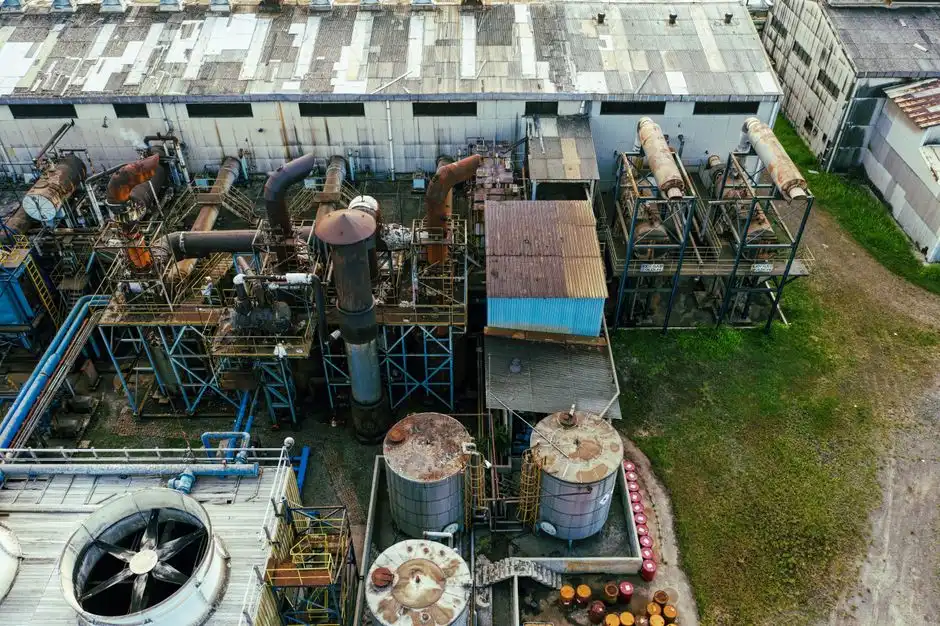
Cyanide destruction is the unit operation that most clearly separates a gold-mine train from a generic metals-finishing train. Three processes are running on operating plants in 2026, and the choice between them is driven by reagent cost, discharge permit, and the need for downstream biological polishing.
| Method | Reagent & Dose | pH / ORP Setpoint | Retention | WAD Effluent Target |
|---|---|---|---|---|
| Alkaline chlorination | NaOCl or Cl₂ at 2.5–3.0 g Cl₂ per g WAD CN⁻ | pH 11.0; ORP 400–550 mV vs Ag/AgCl (gold ORP electrode) | 30–60 min | <0.5 mg/L (ICMC 2026) |
| INCO SO₂/air | Na₂S₂O₅ at 3–5 g per g WAD CN⁻; air sparge; Cu²⁺ catalyst 50–100 mg/L | pH 8.5–9.5 | 1–2 h | <0.5 mg/L |
| Hydrogen peroxide | H₂O₂ at 1.0–1.5 g per g WAD CN⁻ | pH 9.0–10.0 | 30–60 min | <0.5 mg/L (polishing duty) |
Alkaline chlorination remains the workhorse because the ORP setpoint is forgiving and the chemistry is well understood. INCO SO₂/air cuts reagent cost on sites with cheap sodium metabisulfite but demands tighter pH control — a 0.5-unit drift moves WAD effluent from <0.5 mg/L to >2 mg/L in pilot work. Hydrogen peroxide is reserved for polishing or for sites where chlorinated discharge is restricted. A PLC-controlled chemical dosing skid tied to a Yokogawa FLXA402-class ORP/pH analyzer is not optional in 2026; closed-loop trim on the NaOCl pump is the only way to hold reagent economy while staying below the ICMC ceiling.
Step 3 — Heavy Metals and Arsenic Removal
A single two-stage pH adjustment train can hit both arsenic and base-metal limits without adding a polishing clarifier. Stage one drops the stream to pH 3.0–4.0 and doses FeCl₃ to co-precipitate arsenic as ferric arsenate at an Fe:As molar ratio of at least 3:1 — going below 3:1 risks soluble arsenate breakthrough and a failed compliance sample. Stage two raises the clarified overflow to pH 9.0–9.5, which precipitates Cu, Ni, Zn, and residual Fe as hydroxides. Ferric chloride dose is typically 1.5–2.5× the stoichiometric requirement, controlled by on-line arsenic analyzer feedback rather than a flow-proportional setpoint, because ore-grade swings shift the arsenic load faster than the flow does.
Effluent targets are concrete: <0.1 mg/L As (WHO drinking-water benchmark and the 40 CFR 440 effective limit at most US mines) and <0.5 mg/L each for Cu, Ni, and Zn. An anionic polymeric flocculant at 0.5–2.0 mg/L, dosed 30 s ahead of the DAF or lamella, sharpens solid–liquid separation and reduces the iron carryover that otherwise fouls downstream MBR membranes. Without the flocculant, arsenate flocs rise as a persistent turbidity layer that defeats both DAF and lamella.
Step 4 — Clarification: DAF vs Lamella vs MBR
The clarification step is where most retrofit projects get the train wrong, because DAF, lamella, and MBR are not interchangeable — they have different loading envelopes, different floc chemistries, and different downstream obligations. The decision should be driven by what comes next: if the clarified water is going to a tailings storage facility, DAF is enough; if it is feeding an RO skid, MBR is the only defensible choice.
| Parameter | DAF (Dissolved Air Flotation) | Lamella Clarifier | MBR (Submerged PVDF UF) |
|---|---|---|---|
| TSS removal | 90–95% | 80–90% | >99% (effluent <5 mg/L TSS) |
| Hydraulic loading | 20–40 m/h surface | 20–40 m/h surface | 15–25 LMH membrane flux |
| Effluent turbidity | 5–15 NTU | 10–25 NTU | <1 NTU |
| SDI to RO | 6–8 (marginal) | >10 (unsuitable) | <3 (RO-ready) |
| Best fit | Arsenate flocs, clay-rich feed | Back-up / low-TSS streams | Biological polishing + RO feed |
| Flow range (per unit) | 4–300 m³/h | 10–200 m³/h | 5–100 m³/h per skid |
The DAF clarifier for gold-mine wastewater handles arsenate flocs and clay-rich tailings water that defeat gravity settling — surface loading of 20–40 m/h and a 15–25 min residence time lift the floc blanket before it can redisperse. A high-efficiency sedimentation tank (lamella) is acceptable as a back-up for low-TSS stormwater streams but struggles with the light, fluffy arsenate flocs from Fe(III) coagulation, where carryover routinely exceeds 20 NTU. The MBR polishing stage is the right choice whenever RO follows: submerged PVDF ultrafiltration at 15–25 LMH delivers turbidity <1 NTU and SDI <3, which is the contract requirement for any RO membrane warranty.
Step 5 — Water Reuse and Zero Liquid Discharge Options
Water reuse is now a permit-driven design constraint, not a sustainability talking point, in Chile's Atacama, Australia's Western Australia goldfields, and the US Southwest. RO permeate recovery from MBR effluent runs 70–85% at 65–80% pump efficiency; the concentrate is either recycled upstream of cyanide destruction (where chlorination handles the recalcitrant metal-cyanide complexes) or sent to a dedicated brine concentrator. Full zero liquid discharge — brine concentrator plus crystallization — pushes water recovery to >95% and eliminates surface discharge, which is the only viable configuration for heap-leach sites with no receiving water body and a tightening permit envelope. The 2026 CAPEX band is well defined: a 50 m³/h RO water-reuse skid lands at roughly $180K–$420K equipment-only, while a full ZLD train at the same flow is $1.8M–$3.5M depending on crystallizer selection and heat-source integration. For sites that need a pre-RO polish step but are not yet ready for full ZLD, the JY integrated water purification system delivers RO-grade feed at lower OPEX than a second-pass RO. A broader procurement framework for ZLD economics is laid out in the ZLD buyer's guide for mining sites.
Sludge Handling and Disinfection
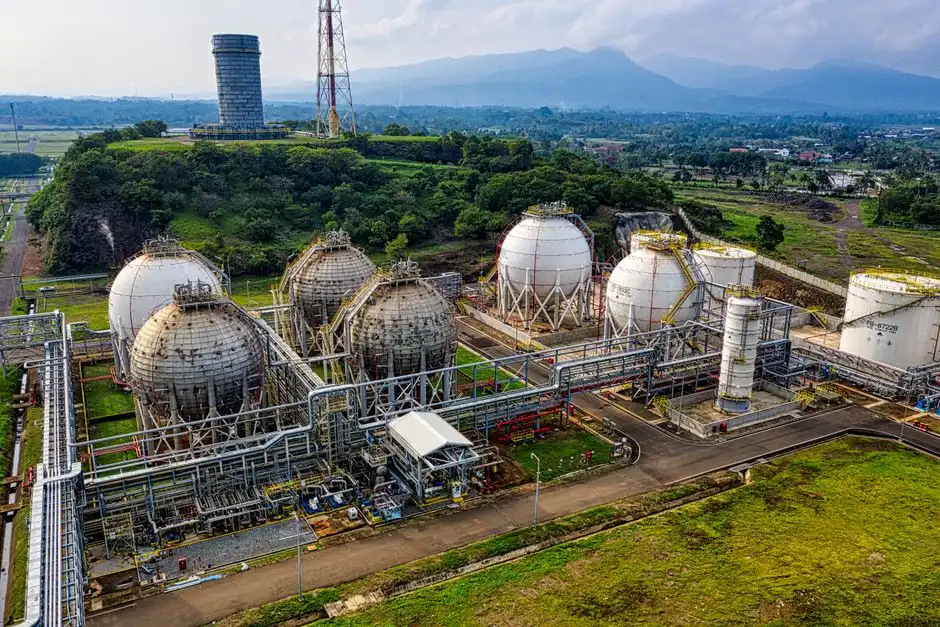
Arsenic-bearing sludge from Fe(III) coagulation is classified as hazardous waste in most jurisdictions — the leachable arsenic concentration routinely exceeds the toxicity characteristic leaching procedure (TCLP) threshold of 5 mg/L. Dewatering is not optional. A plate and frame filter press at 60–80% dry solids, 5–30 m² filtration area for a 50 m³/h plant, with PLC-controlled cycle timing, produces a stable cake suitable for secure landfill or encapsulation in the tailings storage facility. The plate and frame filter press sized for 50 m³/h feed runs an unattended 90–120 min cycle and produces cake that passes the paint-filter liquids test.
Final disinfection of the reuse loop targets WHO and EPA microbial limits without generating trihalomethanes. A chlorine dioxide generator sized to 50–2,000 g/h handles water-reuse loops from a single CIL circuit up to a full heap-leach site, with a 5-log inactivation of Cryptosporidium at doses below 2 mg/L — half the THM yield of equivalent chlorine dosing.
2026 Compliance Checklist and CAPEX Range
The 2026 procurement expectation from any major gold-mine operator is a single compliance matrix that finance and the regulator's reviewer can both read. The table below is the version to attach to an EPC bid package.
| Parameter | 2026 Target | Source / Driver | Unit Op Delivering Compliance |
|---|---|---|---|
| WAD cyanide | <0.5 mg/L | ICMC 2026 | Alkaline chlorination or INCO SO₂/air |
| Total cyanide | <1.0 mg/L | ICMC 2026 | Cyanide destruction + GAC polish |
| Arsenic | <0.1 mg/L | WHO / 40 CFR 440 | Fe(III) co-precipitation at Fe:As ≥3:1 |
| pH | 6.5–9.0 | 40 CFR 440 | Two-stage pH adjustment + DAF overflow |
| TSS | <20 mg/L | 40 CFR 440 ore mining | DAF or MBR |
| Cu / Ni / Zn | <0.5 mg/L each | 40 CFR 440 / EU IED BREF | pH 9.0–9.5 precipitation + DAF |
Indicative 2026 equipment-only CAPEX for a 20 m³/h gold-mine train (screening → equalization → cyanide destruction → DAF → MBR) is $650K–$1.1M FOB. Reagent OPEX is dominated by NaOCl at 1.2–1.8 kg per kg WAD cyanide destroyed and FeCl₃ at 1.5–2.5× stoichiometric for arsenic. Online monitoring is no longer a value-add: ORP, pH, on-line arsenic (see the online zinc monitoring sensor guide for adjacent metals analyzer architecture), and free/total cyanide analyzers feeding a single PLC/SCADA are a 2026 procurement expectation. For US sites with a municipal POTW receiving site drainage, the indirect discharge rules of the pretreatment program apply — see the 40 CFR 403 pretreatment program guide for the additional reporting layer.
Frequently Asked Questions
How is cyanide disposed of in gold mining wastewater?
Free and WAD cyanide are oxidized to cyanate by alkaline chlorination at pH 11 with an ORP setpoint of 400–550 mV vs Ag/AgCl; the reaction reaches <0.5 mg/L WAD in 30–60 min and meets the ICMC 2026 limit. INCO SO₂/air and hydrogen peroxide are the two lower-residual alternatives on operating plants.
What is the chemistry for arsenic removal from gold-mine water?
Arsenic is co-precipitated with Fe(III) as ferric arsenate at pH 3.0–4.0 and an Fe:As molar ratio of at least 3:1, followed by a pH raise to 9.0–9.5 for base-metal precipitation. Effluent target is <0.1 mg/L As, with on-line As feedback controlling the FeCl₃ dose.
DAF vs lamella clarifier — which is correct for a gold-mine train?
DAF delivers 90–95% TSS removal at 20–40 m/h surface loading and handles light, fluffy arsenate flocs that defeat lamella gravity settling. Lamella is acceptable as a back-up for low-TSS stormwater but should not be the primary clarifier on Fe(III) coagulated flow.
Is zero liquid discharge feasible for a gold-mine site in 2026?
Yes — full ZLD with brine concentrator plus crystallization pushes water recovery to >95% and eliminates surface discharge, and is now standard for heap-leach operations in Chile, Australia, and the US Southwest. A 50 m³/h ZLD train lands at $1.8M–$3.5M equipment-only in 2026; an RO-only water-reuse skid at the same flow is $180K–$420K.
What regulations govern gold-mine wastewater discharge?
The three frameworks that matter in 2026 are the International Cyanide Management Code (ICMC) for cyanide, EPA 40 CFR Part 440 for ore-mining discharge limits (US), and the EU IED BREF for mining waste (Europe). Mines discharging to a POTW additionally face the 40 CFR 403 pretreatment program.