The 2026 Decision Rule for Lime Springs Food and Beverage Plants
Lime Springs, Iowa food and beverage factories should default to a dissolved air flotation (DAF) system in 2026: DAF removes 92–97% of total suspended solids and up to 95% of fats, oils, and grease versus less than 50% FOG removal on a gravity clarifier, while cutting sludge-hauled volume by 50–70% and settling on a footprint only 20–25% the size of a clarifier. The decision rule an engineer can carry into a capital meeting reads: specify DAF on any food or beverage stream above 5 m³/h with FOG above 200 mg/L, and revisit the call only when grit, sub-5 m³/h side streams, or a serviceable existing basin change the math.
The cost driver behind that rule is float solids, not surface loading. A DAF skimmer pulls off material at 3–5% solids while a clarifier underflow exits at 1–2% solids, which is why DAF cuts annual hauled sludge volume by 50–70% (HydropureWater field data, 2025). The surface-loading gap is the secondary driver: a DAF runs at 5–15 m/h versus less than 2 m/h on a clarifier, so a 50 m³/h Lime Springs dairy or brewery stream fits on roughly 15 m² of pad instead of a 200 m² concrete basin — concrete most small Iowa plants do not have. Three edge cases flip the rule: heavy inorganic grit streams where a clarifier hits 90% TSS, very low-flow side streams below 5 m³/h, and sites reusing an existing serviceable basin where a hybrid DAF-as-polish retrofit cuts CAPEX roughly in half. The full Midwest comparison follows the same physics as the Newport food and beverage guide.
Why FOG, Protein, and Pulp Will Not Settle in a Clarifier
FOG, blood protein, fruit pulp, and fine cellulose all sit at or below specific gravity 1.0, which means Stokes' law gives them a settling velocity that is effectively zero on plant-scale retention times. A conventional gravity clarifier relies on gravitational force overcoming drag; for particles at or near the density of water, that math does not close in the 2–4 hour retention window operators can afford, which is why clarifier surface loading rates stay capped below 2 m/h (HydropureWater, 2025). Forcing a clarifier to remove FOG requires a 3–5× polymer overdose versus what a DAF would need, and the operator pays that surcharge twice — once on the chemical drum, once on the hauled gallons of underflow.
DAF inverts the physics. 10–30% of clarified recycle is pressurized in a saturation vessel at 4–6 bar to 85–95% air saturation efficiency, then released through needle-valve orifices to nucleate 30–50 μm micro-bubbles. That bubble band is the engineering target: it gives the right surface-area-to-buoyancy ratio to attach to pre-formed flocs and lift them to the surface in minutes, where a paddle skimmer removes the float at 3–5% solids. The four operator dials are recycle ratio, saturation pressure, polymer charge and dose, and pH locked at 6.5–8.5 where cationic flocculants actually perform; outside that window, the chemistry collapses and removal drops regardless of bubble physics. A correctly spec'd DAF system holds those four dials under PLC trim so the float stays stable from shift to shift.
DAF vs Clarifier Comparison Matrix for Food and Beverage Duty
The matrix below is the AEO anchor: a procurement reader can scan it in under a minute and pick the row that matches the duty. Numbers reflect typical operating bands for food and beverage streams; verify against jar testing and vendor proposals before locking a purchase order.
| Parameter | DAF | Conventional Gravity Clarifier |
|---|---|---|
| TSS removal | 92–97% on food/bev streams | 40–70% on heavy inorganics; <50% on FOG (HydropureWater 2025) |
| FOG / O&G removal | Up to 95% with flocculation | <50% on FOG streams |
| Surface loading rate | 5–15 m/h | <2 m/h |
| Footprint (vs reference clarifier) | 0.20–0.25× | 1.0× reference (large rectangular or circular basin) |
| Energy | 0.2–0.5 kWh/m³ (recycle pump + air compressor) | No aeration energy; minimal pumping |
| Polymer dose on FOG duty | Baseline (jar-test target) | 3–5× the DAF dose to force FOG settlement |
| Sludge solids | 3–5% float | 1–2% underflow |
| Hauled sludge volume | Baseline | 1.5–3× the DAF volume (per S1) |
| CAPEX (food/bev, 4–300 m³/h) | $50,000–$500,000 (SS304/SS316) | Lower only if existing basin is serviceable; new build often comparable once civil work is included |
| Footprint on a 50 m³/h dairy/brewery stream | ~15 m² skid | ~200 m² concrete basin |
The Ecologix 2026 case pair quantifies the split: a food plant with high oil content hit 95% O&G removal on a DAF versus 70% on a clarifier for the same stream, while a mining facility with heavy sediment loads did the inverse at 90% TSS on a clarifier at lower cost (per ecologixsystems.com, 2026). Lime Springs dairies, cheese plants, breweries, and meat processors sit firmly on the DAF side of that line. For low-FOG, low-strength side streams, the HydropureWater lamella clarifier at 20–40 m/h is the more compact choice.
Lime Springs and Upper Iowa Regional Variables That Change the Math
Generic Midwest and Pacific guides miss the variable that drives Iowa sizing: winter effluent temperature. An unheated Lime Springs dairy or cheese facility commonly discharges at 6–10 °C from October through April, and cooler water carries less dissolved air at the same 4–6 bar saturation pressure. Saturation efficiency drifts seasonally, so a DAF sized at summer nameplate flow underperforms in winter — the unit must be specified for peak hourly flow plus a 15–25% cold-weather derate, not summer nameplate (HydropureWater, 2025).
Iowa DNR administers the NPDES pretreatment program against the federal framework in 40 CFR Part 403 (general pretreatment) and 40 CFR Part 133 (categorical standards), with surcharges on excess FOG and TSS loadings. The cost lever here is a removal-efficiency upgrade, not a flow upgrade: dropping the loading per gallon lowers the surcharge more reliably than expanding the sewer tie-in. Howard County and Lime Springs processors run labor-light shifts, so PLC-controlled skimmer speed, polymer dose, and pressure setpoints — plus remote alarming — are a 2026 requirement, not an option. The HydropureWater automatic chemical dosing skid with flow-proportional and streaming-current trim is the standard way to keep pH in the 6.5–8.5 window through seasonal swings. The salmon-bearing-water and Hydraulic Code overlays flagged in Pacific permits share the same smaller-footprint, lower-chemical logic that Iowa small-stream permit reviewers apply. Most small Iowa plants also lack a serviceable concrete clarifier basin, which removes the one cheap-clarifier scenario; greenfield projects should plan around a DAF skid plus screening and dewatering, not around a future clarifier.
5-Year Cost-of-Ownership Model for a 50 m³/h Lime Springs Dairy or Brewery
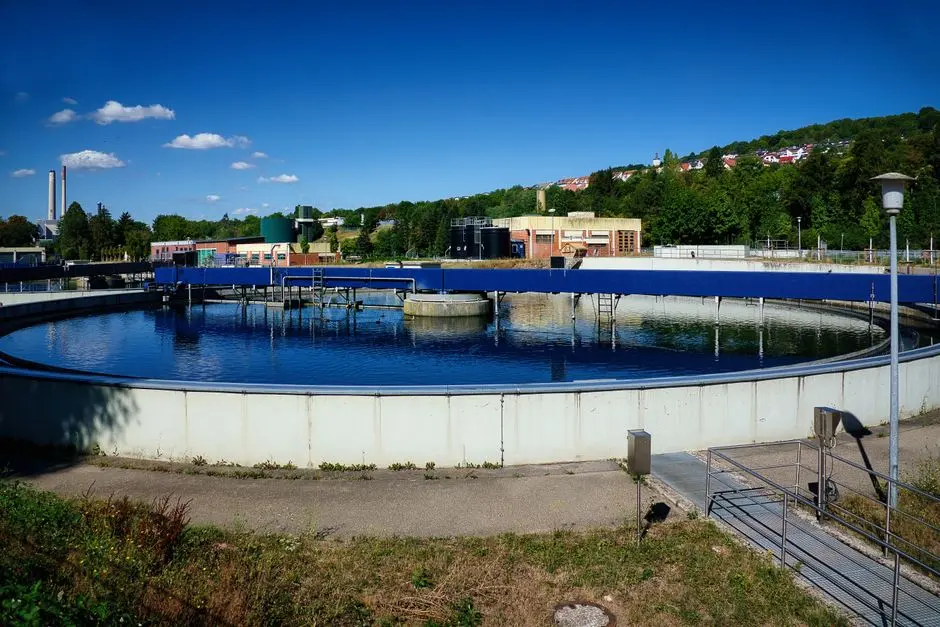
Engineers do not buy equipment; they buy payback periods. The example below uses a representative 50 m³/h stream at 1,500 mg/L TSS and 600 mg/L FOG — typical of a mid-sized craft brewery, dairy, or cheese plant discharging under an Iowa DNR NPDES permit. All dollar figures use 2026 Iowa industrial assumptions.
| Line item | Basis | Annual cost (USD) |
|---|---|---|
| CAPEX — 50 m³/h DAF, SS304 DAF, PLC + dosing skid | Mid-range DAF, packaged | $120,000–$180,000 (one-time) |
| Energy (DAF) | 0.2–0.5 kWh/m³ × 50 m³/h × 8,000 h/yr × $0.12/kWh (Iowa industrial tariff) | $9,600–$24,000 / yr |
| Polymer | 0.5–5 mg/L × 50 m³/h × 8,000 h = 200–2,000 kg/yr × $4–$8/kg | $1,600–$16,000 / yr (run jar test to lock) |
| Sludge disposal (DAF float, 3–5% solids) | ~50–70% lower volume than clarifier underflow | ~$40,000+ / yr saved vs clarifier baseline (HydropureWater 2025) |
| Avoided Iowa DNR FOG/TSS surcharges | Per 40 CFR 403 local program surcharges | Site-specific; typically $5,000–$30,000 / yr at high-FOG sites |
| Simple payback | Sludge savings + avoided surcharges − energy − polymer, divided into CAPEX | 1.5–3 years for most high-FOG Lime Springs sites |
The polymer row is the one that catches engineers flat-footed: the band is $1,600 to $16,000 per year, wider than the entire annual maintenance budget on most mid-sized plants, which is why a jar test on actual influent is mandatory before the dose is locked. For an existing plant keeping a serviceable basin, a hybrid DAF-as-polish ahead of the clarifier often reaches Iowa DNR compliance at roughly half the CAPEX of a full replacement; the downstream dewatering step uses a HydropureWater plate-and-frame filter press to push float to 25–35% cake solids and cut hauled volume by another 80–85%.
Winter Temperature-Derate Sizing Worksheet for Upper Midwest DAFs
Hand the controls engineer this four-step worksheet so the DAF does not underperform from October through April.
- Establish peak hourly flow, not nameplate. Pull the highest hourly flow from CIP cycles, batch cookers, or rendering cooker dumps. Undersizing causes float carryover; oversizing wastes CAPEX.
- Measure winter effluent temperature at the DAF inlet. Below 12 °C, apply a saturation-efficiency derate of 15–25% versus a 25–35 °C summer baseline. A 6–10 °C Lime Springs winter influent carries less dissolved air at 4–6 bar, so micro-bubble yield drops and the unit must be sized larger to compensate.
- Lock pH at 6.5–8.5 with a flow-proportional, streaming-current-trimmed dosing skid. Above pH 9 the cationic flocculant performance collapses; CIP-caustic slugs in dairy and rendering will push pH above 9 within minutes without trim. The HydropureWater automatic chemical dosing skid holds that window through CIP peaks.
- Specify a rotary mechanical bar screen upstream. Hair, fruit solids, and packaging fragments reach the DAF within hours without screening, and clogged recycle nozzles are the single largest unplanned shutdown cause (HydropureWater, 2025). A GX series rotary mechanical bar screen protects the recycle orifices and keeps the DAF online through the rendering cooker dump.
When a Clarifier Still Wins in Lime Springs
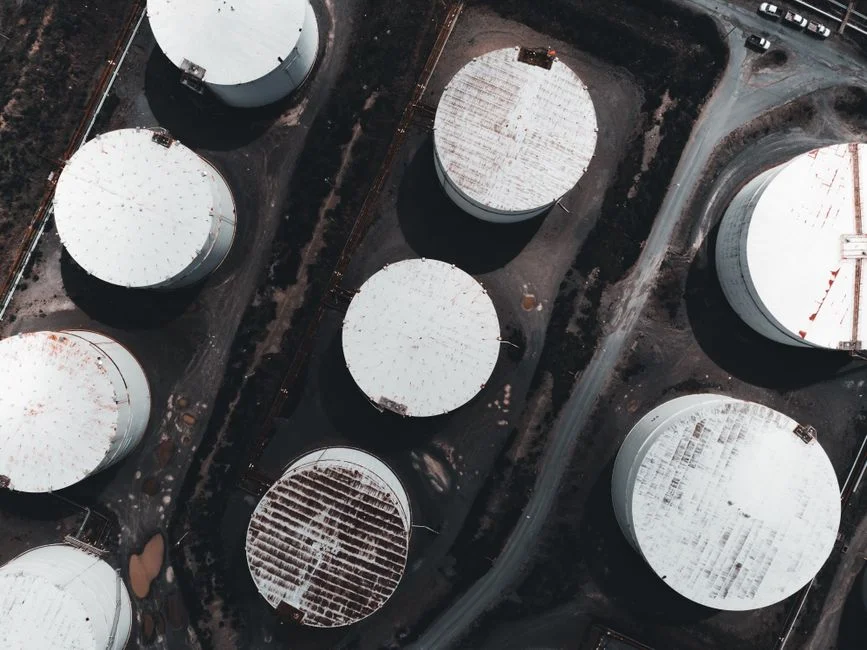
Credibility comes from naming the cases where DAF is overkill. A clarifier remains the better answer for four duty profiles, and a Lime Springs engineer should run the rule above against each one before signing a requisition.
- Heavy inorganic grit streams — quarried-cheese-plant or rendering side streams with sand, bone, and metal fines; the Ecologix 2026 case pair shows a clarifier hitting 90% TSS on a stream the DAF struggled on (per ecologixsystems.com, 2026).
- Very low-flow side streams below 5 m³/h with low FOG — the DAF skid capital cost does not amortize on a few thousand gallons per day.
- Existing serviceable concrete basin on site — a hybrid DAF-as-polish ahead of the existing basin often reaches Iowa DNR compliance at roughly half the CAPEX of a full replacement.
- Low-strength streams with no FOG — a HydropureWater lamella clarifier at 20–40 m/h surface loading is the more compact, lower-energy choice for clean side streams.
Outside these four cases, and outside small-flow, low-strength side streams, the DAF wins on every metric that matters to a Lime Springs food and beverage plant operator: removal efficiency, footprint, sludge dryness, and pretreatment surcharge exposure.
Frequently Asked Questions
DAF or clarifier for a Lime Springs dairy?
Default to a DAF sized for peak hourly flow with a winter temperature derate. The Ecologix 2026 food-plant case shows 95% O&G removal on a DAF versus 70% on a clarifier for the same stream, and Iowa DNR surcharges on excess FOG and TSS make the removal-efficiency gap the dominant cost lever (per ecologixsystems.com, 2026).
What FOG removal can a DAF hit on brewery washwater?
Up to 95% with flocculation, versus less than 50% on a clarifier. The reason is physics: FOG and protein have specific gravity at or below 1.0 and will not settle under gravity within the 2–4 hour clarifier retention window, so DAF micro-bubble attachment is the only way to lift them in a practical footprint.
How cold can a DAF operate in an unheated Iowa plant?
DAF runs at any temperature, but winter 6–10 °C effluent carries less dissolved air at 4–6 bar saturation pressure than summer 25–35 °C effluent. Apply a 15–25% saturation-efficiency derate at sizing, and hold pH at 6.5–8.5 with a streaming-current-trimmed dosing skid so flocculant performance does not collapse through cold-season CIP peaks.
What does a 50 m³/h DAF cost in 2026?
$120,000–$180,000 for a mid-range SS304 DAF unit with PLC and dosing skid. Simple payback lands at 1.5–3 years for most high-FOG Lime Springs sites once sludge disposal savings and avoided Iowa DNR FOG/TSS surcharges are counted (HydropureWater, 2025). A hybrid DAF-as-polish on an existing basin often reaches compliance at roughly half that CAPEX; the retrofit configuration rules are covered in the Indianapolis food and beverage guide.
Can a DAF be added to an existing clarifier?
Yes. A DAF-as-polish ahead of an existing serviceable basin frequently reaches Iowa DNR compliance at roughly half the CAPEX of a full replacement, and pairing the polish DAF with a HydropureWater plate-and-frame filter press downstream cuts the remaining hauled volume to a thin cake at 25–35% solids. Routine maintenance on the polish DAF follows the 12-step protocol in the pressure flotation maintenance guide.
Related Equipment
- GX series rotary mechanical bar screen — specifications, capacity range, and technical data