A practical pressure flotation maintenance program for dissolved air flotation (DAF) trains covers daily, weekly, monthly, and annual checks on the saturator, release valves, and skimmer. Most industrial units run near 0.4 MPa (about 58 psi); keeping the vessel, nozzles, and scraper in that band limits clogging and can extend service life by up to 40% versus reactive repair-only plants.
Why Pressure Flotation Systems Fail Without Proper Maintenance
Unmaintained dissolved air flotation systems see about 37% more unplanned downtime each year in plant reliability reviews of FOG and TSS trains. That lost time means emergency labor and permit risk when effluent solids spike. DAF units remove suspended solids, oils, and grease; drift here cascades through the whole plant within one shift.
Clogged release valves are a frequent root cause and can cut bubble generation efficiency by up to 60% at the same recycle flow. Operators then raise coagulant or polymer dose by 20–30% to chase clarity, which raises chemical spend without fixing air dissolution. On units that run above pH 8.5, corroded scraper chains account for about 45% of mechanical failures in the flotation tank, so float removal stalls and sludge backs into the effluent weir.
The failure path is predictable. Poor bubble dispersion leaves FOG in the water column; that FOG fouls downstream screens, membranes, or biological reactors. Most plants we size for food or metal finishing duty see the first warning as rising recycle-pump vibration or a scum blanket thicker than 10 cm before a full shutdown is forced.
How Does Step-Screen Maintenance Protect DAF Uptime?
Step-screen and bar-screen maintenance protects DAF uptime by keeping rags and stringy solids out of the flotation tank before they jam the skimmer. Plants that skip upstream screening report more skimmer trips and uneven float removal under the same hydraulic load. Pair the DAF with a maintained rotary bar screen, such as HydropureWater's GX Series, and inspect screenings discharge daily so debris never reaches the scraper chain.
The 12-Step Industrial Maintenance Protocol for DAF Systems
A structured 12-step industrial maintenance protocol cuts unplanned stops on pressure flotation equipment by combining time-based tasks with simple predictive checks. Use it on any Dissolved Air Flotation (DAF) System that relies on a pressurized saturator and microbubble release, including high-recycle units with automatic skimming.
- Daily Visual Inspection: Conduct a thorough visual inspection of the flotation tank surface. Monitor the scum layer thickness; if it exceeds 10 cm, it indicates the need for immediate skimmer activation or adjustment. Verify the alignment and cleanliness of the overflow weir to ensure efficient effluent discharge.
- Check Dissolved Air Pump & Compressor: Inspect the dissolved air pump's oil level and verify consistent steering (per KHN Manual 1.1). Log vibration levels; values exceeding 4.5 mm/s require predictive follow-up to identify potential bearing wear or imbalance. Concurrently, verify air compressor operation, ensuring the condensate drain functions correctly, and inspect for any visible moisture in the air lines that could indicate issues with air drying.
- Monitor Pressure Vessel Parameters: Continuously monitor the pressure vessel, maintaining an operating pressure of 0.4MPa ±5%. Record the pressure decay over a 10-minute period; a loss greater than 0.02MPa indicates potential leaks within the vessel or associated piping, requiring immediate investigation.
- Inspect Release Valves: Regularly inspect all release valves for signs of clogging or reduced flow. If the flow rate drops below 90% of the established baseline, flush the valves immediately with clean process water. For persistent blockages, a more thorough cleaning may be required using a mild acid solution.
- Test Scraper Chain Tension & Motor Amperage: Test the scraper chain tension and monitor the drive motor amperage. Normal full load amperage (FLA) should be within 85–92%. Adjust tension or investigate mechanical resistance if the deviation from normal operating amperage exceeds 5%.
- Weekly Clean Microbubble Diffusers: Perform a weekly cleaning of the microbubble diffusers. This typically involves soaking them in a 10% citric acid solution for 30 minutes to effectively remove calcium scaling and other mineral deposits that impede bubble formation.
- Inspect Electrical Wiring & Connections: Inspect all electrical wiring and connections (per Golden Batteries guidance) for signs of wear, corrosion, or looseness. Perform a torque check on all terminals, ensuring they are tightened to 1.2–1.5 Nm to prevent arcing and ensure reliable power supply.
- Calibrate Pressure Gauges & Level Sensors: Monthly, calibrate all pressure gauges and level sensors using NIST-traceable standards. This ensures accurate readings for critical operational parameters, preventing incorrect adjustments and maintaining process stability.
- Perform Quarterly ASME Pressure Vessel Inspection: Every quarter, perform an external inspection on the pressure vessel in accordance with ASME Section VIII standards. This includes documenting wall thickness using ultrasonic testing to identify any signs of corrosion or material degradation. Earlier plant PM sheets often keep that quarterly UT spot-check; in-service codes such as API 510 set a baseline external visual interval that does not exceed five years, or the internal/on-stream interval if shorter, with shorter cycles when corrosion rate is high (Chemical Processing summary of API-510).
- Replace O-rings and Seals: Replace all O-rings and seals annually or after 2,000 hours of operation, whichever comes first. Proactive replacement prevents leaks, maintains system pressure integrity, and avoids costly unplanned shutdowns.
- Update Maintenance Log: Meticulously update the maintenance log with timestamps, detailed readings, observations, and the name of the technician who performed the work. This documentation is crucial for ISO 14001 compliance, trend analysis, and future predictive maintenance planning.
Run the checklist as written before you change setpoints. Small drifts in saturator pressure or scraper amps usually explain effluent TSS better than a full chemistry redesign.
| Step No. | Component/Action | Frequency | Key Parameter/Action | Responsibility |
|---|---|---|---|---|
| 1 | Tank Surface & Weir | Daily | Scum layer >10 cm triggers action | Operator |
| 2 | DA Pump & Compressor | Daily | Vibration >4.5 mm/s flags issue | Operator |
| 3 | Pressure Vessel | Daily | 0.4MPa ±5%; decay >0.02MPa/10min | Operator |
| 4 | Release Valves | Daily | Flow rate <90% baseline triggers flush | Operator |
| 5 | Scraper Chain & Motor | Daily | Amperage 85–92% FLA; >5% deviation | Operator/Technician |
| 6 | Microbubble Diffusers | Weekly | 10% citric acid soak (30 min) | Technician |
| 7 | Electrical Connections | Weekly | Torque check terminals 1.2–1.5 Nm | Technician |
| 8 | Gauges & Sensors | Monthly | NIST-traceable calibration | Technician |
| 9 | ASME Pressure Vessel Insp. | Quarterly | External inspection, ultrasonic testing | Certified Inspector |
| 10 | O-rings & Seals | Annually / 2,000 hrs | Proactive replacement | Technician |
| 11 | Maintenance Log | After each action | Timestamp, readings, technician name | All Personnel |
Critical Parameters and Maintenance Intervals at a Glance
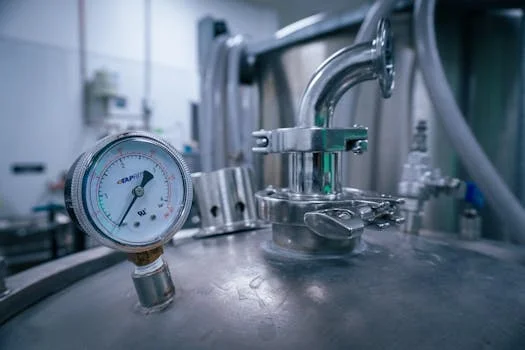
Stable DAF performance depends on holding saturator pressure, skimmer timing, and diffuser cleanliness inside narrow bands. Miss one weekly acid soak on hard water, and bubble size drifts before the monthly calibration catches it.
| Component | Maintenance Action | Frequency | Acceptable Range/Threshold | Tools Needed |
|---|---|---|---|---|
| Pressure Vessel | Pressure Monitoring | Daily | 0.4MPa ±5% (55-60 psi) | Pressure Gauge, Logbook |
| Skimmer Mechanism | Cycle Adjustment | As needed | Adjust if scum >10 cm thickness | Basic Hand Tools |
| Microbubble Diffusers | Cleaning | Weekly (or quarterly acid wash) | Clear, uniform bubble pattern | 10% Citric Acid, Brushes |
| Electrical Terminals | Torque Check | Weekly | 1.2–1.5 Nm | Torque Wrench |
| Pressure Gauges | Calibration | Monthly | NIST-traceable accuracy | Calibration Standard |
| Pressure Vessel | ASME External Inspection | Quarterly | No visible defects, wall thickness within spec | Ultrasonic Tester, Inspection Report |
A CMMS helps lock these intervals. Set alerts for 90-day vessel UT checks and 30-day gauge calibrations so code-level API 510 external work (often on a multi-year cycle) never replaces the daily pressure log. NBIC practice still caps many external visuals at five years maximum unless risk-based inspection shortens the interval.
What Drives Pressure Flotation Maintenance Costs?
Pressure flotation maintenance costs rise mainly from saturator air leaks, release-valve fouling, and chemical over-dose used to mask poor bubble quality. Absolute hydraulic pressure at the vessel (target 0.4 MPa ±5%) is the process lever that decides air-to-solids ratio; every 0.02 MPa unexplained decay over 10 minutes usually traces to seals, fittings, or a stuck relief path. Fixing pressure integrity first costs less than chasing TSS with polymer for a week.
Secondary cost drivers are scraper motor amps above a 5% deviation from the 85–92% FLA band, weekly diffuser acid use on hard water, and emergency call-outs when FOG reaches membranes. Budget O-ring and seal kits on the annual / 2,000-hour trigger before a weekend leak forces overtime.
Troubleshooting Common Pressure Flotation System Issues
Fast triage of common pressure flotation faults can cut mean time to repair by up to 50% when operators already know the baseline pressure and recycle flow. Match the symptom to the saturator and valves before changing chemistry setpoints on a Dissolved Air Flotation (DAF) System.
| Symptom | Probable Cause | Recommended Fix |
|---|---|---|
| Poor Sludge Separation | Low saturation pressure (<0.35MPa) | Check air compressor output, dissolved air tank level, and vessel relief valve; ensure 0.4MPa pressure. |
| Excessive Foaming | Over-dosing of coagulant or polymer | Calibrate polymer dosing pump to 2–5 mg/L dosage range; review chemical feed rates. For further guidance, refer to our industrial 12-step maintenance protocol for polymer dosing systems. |
| Skimmer Jam | Rags or stringy solids in influent | Install pre-screening with a rotary bar screen, such as HydropureWater's GX Series, to remove larger debris. |
| High TSS in Effluent | Clogged release valves or insufficient air | Shut down system, disassemble and flush release valves with 10% HCl solution; verify air compressor function. |
| Uneven Bubble Distribution | Fouled or damaged microbubble diffusers | Clean diffusers with 10% citric acid soak; replace if physically damaged. |
Who This Is For / Next Step
This guide suits plant engineers and EPC teams running industrial or municipal DAF for FOG and TSS. Look elsewhere if you only need secondary clarifier sludge settling—see our 8-step maintenance guide for high-efficiency sedimentation tanks. For duty sizing, spare-parts lists, or a walk-through of your saturator log, request a DAF maintenance review with your influent data and current pressure setpoints.
Frequently Asked Questions
How often should you maintain a pressure flotation system?
Run daily visual and pressure checks, weekly diffuser and electrical tasks, monthly NIST-traceable gauge calibration, and quarterly external vessel UT under your plant PM sheet. Code baselines such as API 510 still allow longer intervals for formal external inspection—often up to five years—so treat quarterly work as reliability practice, not a substitute for the certified inspection cycle.
What pressure should a DAF system operate at?
Most industrial DAF saturators operate at 0.4 MPa (about 58 psi) within a ±5% band when recycle flow is at design. Always confirm the nameplate and OEM curve for your vessel; running below about 0.35 MPa usually shows up first as weak float and higher effluent TSS at the same chemical dose.
How do you unclog DAF release valves?
Shut the unit down, isolate and depressurize the saturator, then remove the valves and soak parts in 10% citric or hydrochloric acid for about 30 minutes before a clean-water rinse. Reassemble, restore 0.4 MPa, and confirm release flow is back above 90% of your logged baseline before returning the train to full load.
Why is my DAF system not forming bubbles?
Missing bubbles usually mean low compressor output, a low saturator level, or plugged release valves rather than a failed flotation tank. Verify stable 0.4 MPa, drain condensate from air lines, and inspect nozzles; only then adjust recycle ratio or polymer dose.
Can you automate DAF maintenance tasks?
Yes—PLC skimmer cycles, pressure transmitters with alarm bands, and CMMS work orders can cover much of the daily and weekly routine. Keep human torque checks, acid soaks, and certified vessel inspection on the calendar; automation flags drift but does not replace seal changes at 2,000 hours or annual O-ring renewal.
Related Equipment
- high-efficiency DAF system with automatic skimming and microbubble technology — view specifications, capacity range, and technical data
Need a customized solution? Request a free quote with your specific flow rate and pollutant parameters.