Why Lamella Clarifier Maintenance Prevents Costly Failures
Lamella clarifier maintenance is the practice of keeping inclined-plate settlers free of sludge, biofilm, and scale so the unit can deliver its designed surface area. A neglected unit loses settling capacity quickly: sludge blankets create preferential flow paths that bypass a large share of the plate area, and in severe cases effective settling capacity drops by up to 70% (HydropureWater field analysis). The mechanical load is just as serious. Compacted sludge deposits can weigh more than 20 times the lamellar module itself, putting structural welds and supports at risk of collapse (TecnoConverting Engineering, 2017). Once hydraulic performance slips, effluent quality follows: post-failure spikes in Total Suspended Solids (TSS) above 100 mg/L are common, well past the EPA secondary treatment standard of less than 30 mg/L for effluent TSS, and trigger fines or shutdowns.
8-Step Industrial Lamella Clarifier Maintenance Protocol
A consistent sequence of tasks is what separates a documented program from ad-hoc cleaning. The 8-step protocol below gives operators and maintenance engineers an executable order of operations that covers isolation, cleaning, inspection, lubrication, and restart:
-
Step 1: Isolate the System
Shut down the influent feed pump and any chemical dosing skids tied to the clarifier. Confirm zero influent flow on the inlet magmeter or sight glass before anyone enters the work area. Lockout/tagout is mandatory, and it stops fresh solids from landing on plates you are about to clean (cnwwtp.com).
-
Step 2: Initial Plate Exposure and Cleaning
Partially drain the clarifier so the top 20% of the lamella plates are exposed. Use a high-pressure water nozzle at 30–50 bar, aimed at a 45° angle to the underside of the plates where sludge hangs the heaviest. Most plants we size run closer to 30 bar; anything past 50 bar risks delamination.
-
Step 3: Incremental Plate Cleaning
Repeat the drain-and-spray cycle in 20% steps: 40%, 60%, 80%. Going straight from 20% to fully drained tends to leave a thick sludge ridge at the waterline; incremental draining avoids that.
-
Step 4: Full Exposure and Inspection
Drain the last 20% to expose 100% of the plates. This is the window for a real visual inspection. Walk the full plate bundle looking for warping, biofilm mats, and calcium or mineral scaling. In hard-water regions scaling is the failure mode that ends a plate pack's life early.
-
Step 5: Agitator Maintenance
With the tank drained, wipe down agitator shafts and open the gearbox inspection covers. Look for oil weeping, worn couplings, and play in the bearings. Lubricate the agitator grease points every two months as a baseline (cnwwtp.com).
-
Step 6: Agitator Oil Replacement
Drain and refill the gearbox oil every six months. Skipping oil changes is the most common cause of bearing seizure on small industrial agitators, and a seized shaft in a sludge bed is an expensive extraction job.
-
Step 7: Sludge Withdrawal System Check
Cycle each sludge withdrawal valve and confirm the discharge line is clear. On automated timed blowdown, trigger a manual cycle and watch the sludge density. A plugged valve lets solids recycle back over the plates and undoes the cleaning you just completed.
-
Step 8: Gradual System Restart
Refill slowly to avoid hydraulic shock that resuspends settled sludge. Watch effluent turbidity on the inline meter; it should settle to baseline within a few hours. On units with sludge recirculation, such as the High-Efficiency Sedimentation Tank (Lamella Clarifier), re-engage the recirculation pump and confirm the return line is flowing at setpoint before returning to full feed.
When to Clean: Data-Driven Maintenance Frequency by Load

Cleaning frequency scales with influent Total Suspended Solids (TSS) and the surface loading rate. A simple look-up table, calibrated to your influent, is the easiest way to set the interval instead of guessing:
| Influent TSS Concentration (mg/L) | Recommended Cleaning Frequency | Operational Considerations |
|---|---|---|
| < 100 | Annual | Standard municipal wastewater, low industrial discharge. Monitor for scaling in hard water areas. |
| 100 – 300 | Biannual (Every 6 Months) | Moderate industrial or combined sewer overflows. Increased risk of sludge buildup. |
| > 300 | Quarterly (Every 3 Months) | High industrial discharge, food processing, or pulp & paper operations. Requires frequent monitoring. |
Food processing and pulp and paper plants routinely run above 500 mg/L TSS. Under those loads, add monthly visual inspections on top of the quarterly cleaning; the sludge accumulates faster than the schedule assumes. Surface loading rates above 30 m/h push fouling risk higher as well, and operators running at that rate should shorten intervals or evaluate a plate-pack redesign before they shorten intervals again the next quarter.
Critical Inspection Points During Maintenance
A 30-minute inspection checklist catches the failures that turn a routine job into a rebuild. Focus the crew on these four items while the tank is drained:
-
Lamella Plate Alignment
Check plate alignment with a simple inclinometer or laser. Plate tilt beyond 5° off design changes the flow path and cuts settling efficiency by up to 30% (fluid dynamics modeling). Plates should sit parallel and evenly spaced across the bundle.
-
Support Structure Integrity
Tap load-bearing welds with a hammer and look for cracks, rust staining, and deformation. Welds at the plate-pack support beams take the brunt of sludge weight and are the first places a tank fails under overload.
-
Inlet Manifold Distribution
Watch the inlet manifold during the first refill. Uneven distribution drives preferential channeling and accounts for up to 60% of poor settling performance (TecnoConverting Engineering, 2017). Clear any plugged distribution ports before full flow returns.
-
Sludge Blanket Level
Note the sludge blanket height at the moment you isolate the unit. A blanket that climbs above its normal operating band is a sign the sludge withdrawal system is undersized, leaking, or plugged, and that needs its own work order before the next cleaning.
Performance Verification After Maintenance
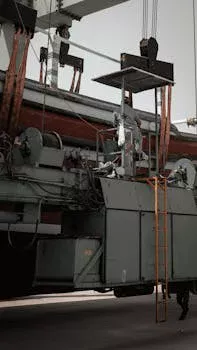
Maintenance is only worth the downtime if the data afterwards shows it worked. Three quick checks tie the job to a number you can file:
-
Effluent TSS Measurement
Pull a TSS reading on the effluent before the shutdown and again 24 hours after restart. Under high loads, a 40–60% reduction in TSS confirms the plate pack is back to design surface area. No drop means the cleaning missed something.
-
Clarifier Overflow Rate Stabilization
Trend the overflow rate on the SCADA. It should stabilize within 24 hours of restart. Persistent swings past that window point to a structural or distribution problem that the cleaning alone did not fix.
-
Compliance Logging
File the maintenance date alongside the post-cleaning turbidity and TSS values. That log is the evidence auditors want, and it lines up with monitoring practice under standards such as ISO 14687 for water quality monitoring.
Who This Is For and Next Step
This protocol is written for plant operators and maintenance engineers running inclined-plate settlers on municipal or industrial duty, and for EPC contractors sizing a new lamella train. If your plant treats low-TSS potable water with no chemical sludge, a simple plate pack without agitators is enough, and most of this checklist does not apply. For high-TSS wastewater, food processing, or pulp and paper, the 8-step protocol and quarterly cleaning interval are the minimum. Send your flow rate, peak TSS, and footprint constraints to our engineers for a sized selection and a delivery timeline, or Request a free quote to get started.
Frequently Asked Questions
-
How often should lamella clarifiers be cleaned?
The minimum recommended cleaning frequency for lamella clarifiers is annually. Plants with high influent TSS loads should clean every 3 to 6 months, and food or pulp and paper sites with influent above 500 mg/L should plan monthly inspections on top of quarterly cleanings. Tie the interval to measured influent TSS rather than the calendar.
-
Can lamella plates be damaged by sun exposure?
Yes. Polymer lamella plates warp and degrade under direct UV, so keep total air and sunlight exposure during maintenance under 2 hours (cnwwtp.com). Cover exposed plates with tarps if the job runs long.
-
What water pressure is safe for cleaning lamella plates?
High-pressure water between 30 and 50 bar is safe for cleaning lamella plates. Above 50 bar you risk delaminating the plates or damaging the supports. Stay near 30 bar for routine sludge and move up only for hard scale.
-
Do lamella clarifiers have many moving parts?
No. The only moving parts on a typical lamella clarifier are the sludge conditioning agitators (where fitted) and the sludge withdrawal valves (TecnoConverting Engineering, 2017). That simplicity is why the maintenance load is lower than for circular or scraper-driven settlers.
-
How can sludge buildup be prevented in lamella clarifiers?
Prevent sludge buildup by optimizing upstream coagulation and flocculation, running sludge recirculation where the design supports it (as on the High-Efficiency Sedimentation Tank (Lamella Clarifier)), and holding to the cleaning schedule in this guide. A quick monthly walk-down of the effluent and sludge blanket beats any reactive repair.
Need a sized selection? Request a quote with your peak flow, influent TSS, and footprint, and our team will return a shortlist with running cost.