Determine Whether the Sludge Is Suitable for Dewatering
A belt filter press can be a candidate for dewatering sludge from pet food wastewater, but suitability depends on the actual solids, fats, fibrous material, chemicals, and discharge route—not the product category alone. Feed commonly needs flocculant pretreatment, after which filtration belts and rollers remove water and produce clarified filtrate and press cake. Configuration should follow verified feed characteristics: options include three-belt, two-belt, and extended-gravity designs, with an independent gravity zone for dilute sludge below 1.5% suspended solids. Before ordering, request representative-sludge testing, a proposed treatment train, performance criteria, controls scope, and included auxiliary equipment.
Current characterization of the wastewater and the sludge entering the proposed press is required to begin the selection process. Request suspended-solids concentration and particle-size distribution, then document fats or oil and grease, fibrous material, pH, temperature, and the presence of pet-food processing chemicals. The supplied research provides no application-specific limits for these characteristics, so treat any supplier limit as something to verify against representative sludge—not as a generic pet-food standard.
Next, map the complete material and water path:
- Cake destination: Identify whether press cake will be landfilled, incinerated, composted, reused, or handled as a regulated waste. The acceptable dry-solids content and any contaminant constraints follow from that destination.
- Conditioning chemicals: Identify available coagulants, polymers, acids, bases, and nutrients, and confirm chemical-handling and storage constraints.
- Filtrate return: Check whether filtrate can return to the head of the works, enter a separate treatment step, or requires collection. Identify solids and oil limits that apply at the intended return point.
- Discharge or reuse: Obtain the applicable local permit and reuse requirements rather than treating generic filtrate specifications as sufficient.
Alfa Laval’s belt-press description confirms that filtration cloths and belts guide sludge through rollers while increasing pressure removes water and produces clarified filtrate and press cake. That process applies to a pumpable sludge, effluent, or slurry; an untreated solids-rich stream should not be assumed to be suitable feed. Ask how the proposed system receives, mixes, and distributes sludge across the belt.
No supplied source establishes a universal pet-food-wastewater feed profile, acceptable cake-solids level, or required throughput. The commercial and academic references support equipment principles, not application-specific acceptance values. Record missing site data explicitly and close those gaps before comparing quotations.
Where chemical conditioning is still being developed, request an automatic flocculant and chemical dosing system proposal that is matched to the verified feed rather than specified independently.
Match the Belt Press Configuration to the Sludge
Selection of a belt filter press depends on sludge type and feed solids, with designs available as a three-belt Model G-GRSL, two-belt Model GRS, and extended-gravity two-belt Model GRSL. These configuration options serve as evaluation triggers for specific pet-food-project requirements.
| Configuration | Documented feature | Procurement trigger | Evidence still required |
|---|---|---|---|
| Three-belt Model G-GRSL | Includes an independent gravity zone with a more open belt for rapid drainage of the volume of water. | Use for comparison when the treatment train needs gravity thickening before pressure dewatering or requires an independently defined drainage zone. | Representative-sludge drainage, filtrate quality, cake dry solids, throughput, and polymer consumption. |
| Two-belt Model GRS | Provides a two-belt design within the Kompress range. | Compare where the verified feed and required pressure/shear profile do not justify the additional gravity-zone arrangement. | Filtration area, drive power, belt dimensions, drainage performance, and auxiliary requirements. |
| Extended-gravity two-belt Model GRSL | Extends the gravity drainage zone. | Consider when additional gravity drainage is required by the verified feed and the layout provides that residence time. | Measured improvement attributable to the gravity zone and downstream dewatering performance. |
| Independent gravity zone | Komline-Sanderson states that it can apply to dilute sludge with suspended solids below 1.5%. | Use where the characterized feed falls within that stated condition and a separate thickening duty is required. | Current feed solids, drainage rate, thickened-solids concentration, and filtrate-return compatibility. |
Design features such as drum count and pressure progression must be matched against the sludge characteristics to ensure effective dewatering. Komline-Sanderson describes an adjustable wedge that applies pressure gradually before the first dewatering drum. Its larger first drum and succession of decreasing-diameter drums create a progressive pressure profile; the manufacturer also describes pressure drum profiles of up to a maximum of 14 drums.
Assess the pressure/shear section against expected drainage, belt area, feed distribution, and run time. A longer belt or larger drum array may increase time under pressure, but it does not prove that a difficult-to-drain or low-solids pet-food sludge will dewater effectively. The supplier must show how the proposed configuration responds to the representative feed.
Require the quotation to define:
- Whether a gravity zone is included and whether it is independent, standard-length, or extended-length.
- The wedge arrangement, drum sequence, pressure zones, belt dimensions, and filtration area.
- Drive controls, tensioning method, belt-wash system, and cake-discharge method.
- How filtrate is intercepted and where drains and utility connections terminate.
This comparison can be refined against the belt filter press selection checklist for animal feed wastewater, but the animal-feed reference should not substitute for site-specific pet-food testing.
Build the Treatment Train Around Performance
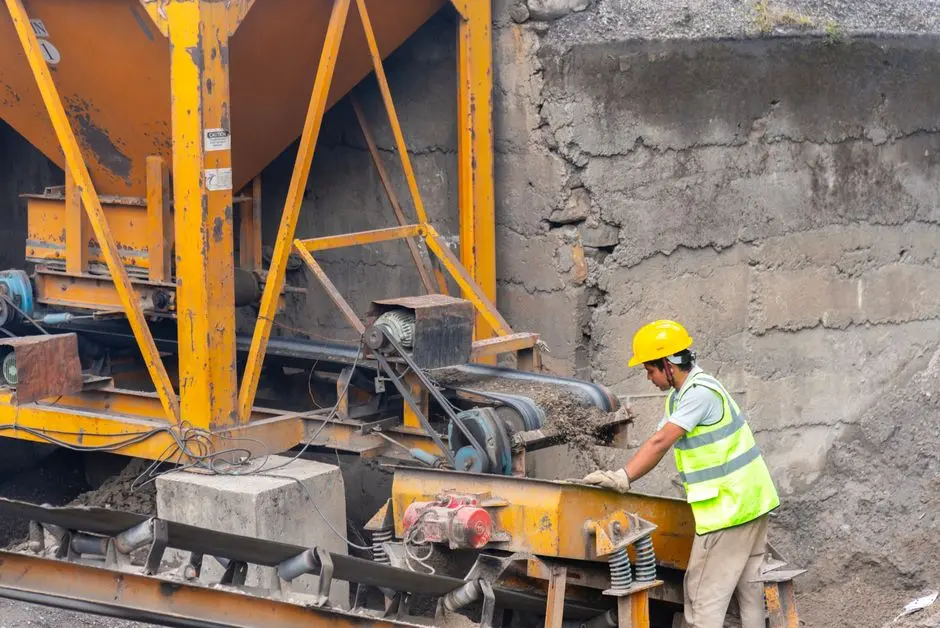
Flocculant pretreatment is often necessary to enhance separation performance in belt-press feed. Include chemical conditioning in any trial and acceptance basis; do not compare an untreated feed result with a conditioned competitive machine. If performance is to be predictable, specify the polymer product, preparation method, dose, contact method, and any correction strategy.
Each supplier should define the complete industrial belt press treatment train rather than pricing the press frame alone. The scope should identify sludge feed pumps, flocculant preparation and dosing, mixing or conditioning, the belt press, filtrate interception and drainage, belt washing, cake discharge, controls, utilities, and local connections.
Suppliers can often provide a polymer feed system, discharge cake conveyors, and sludge feed pumps as a complete dewatering system. Electrical control panels may use PLCs, with higher-level PLCs included when the press must integrate with Ethernet or SCADA systems. These are available supplier capabilities, not confirmation that the proposed package includes them.
- Feed and conditioning: Specify the sludge pump, feed control, mixing arrangement, polymer make-down equipment, dosing pumps, and chemical storage interface.
- Filtrate handling: Define collection beneath the gravity and pressure zones, drain routing, return-pump requirements, and any discharge monitoring.
- Belt maintenance: Specify wash-water supply, wash controls, and wash-water disposal.
- Cake handling: Define the discharge end, conveyor or container interface, cake access, and the assumed cake-handling method.
- Controls and utilities: List PLC inputs and outputs, alarms, local controls, plant integration boundaries, electrical supply, and compressed-air or wash-water requirements.
Require an itemized exclusions schedule to prevent unexpected costs for feed pumps, cake conveyors, drains, polymer equipment, electrical integration, installation, or utility connections. This is also where the automatic flocculant and chemical dosing system scope should be made explicit rather than left as an assumed accessory.
Map every discharge path to its destination. Cake criteria, filtrate-return criteria, wash-water disposal, and polymer handling may have different permit or operational requirements. The press configuration cannot resolve an incompatible discharge route.
Set Testable Performance and Supplier Acceptance Criteria
Representative-sludge testing should be used to compare configurations, but the test protocol and results must document the conditions under which performance was obtained. Komline-Sanderson states that its laboratory in Peapack, New Jersey, accepts 5-gallon representative sludge samples to determine expected belt filter press performance.
| Procurement field | Supplier response required | Buyer acceptance entry |
|---|---|---|
| Sample and feed condition | Source, collection date, sample handling, suspended solids, particle distribution, fats or oil and grease, pH, temperature, and relevant processing chemicals. | Approved sample characterization and sampling plan. |
| Conditioning | Polymer identity, preparation, dose, mixing method, and whether conditioning was part of the trial. | Approved conditioning method and chemical cost basis. |
| Test operation | Feed rate, operating duration, pressure or tension settings, belt speed, wash operation, and startup procedure. | Acceptable operating envelope and deviation reporting. |
| Filtrate performance | Representative filtrate results and the sampling point, including solids and any site-required oil or grease criterion. | Permit, reuse, or return-stream limit. |
| Cake performance | Dry-solids result, measurement method, sampling point, and cake-handling observations. | Destination-specific cake target. |
| Capacity and resource use | Throughput, polymer consumption, wash-water use, run time, and observed operational stability. | Project-specific economic and operating targets. |
| Mechanical and controls scope | Belt width, filtration area, drive power, wash system, auxiliary connections, PLC scope, utilities, spare parts, installation, and local service support. | Complete approved schedule and responsibility matrix. |
Numeric acceptance targets for pet-food sludge must be derived from the buyer’s permit, treatment economics, disposal route, and operating plan. Generic catalogue claims are not substitutes for project-specific criteria regarding filtrate quality, cake dry solids, throughput, polymer use, run time, and operability.
Define the acceptance method in advance: sample locations, measurement methods, operating period, how startup or shutdown is treated, permitted deviations, corrective work, retesting, and who resolves disputed results. Also confirm belt width, filtration area, drive power, controls, wash system, utility connections, available utilities, spare parts, and local service support.
Targeted rebuilds and upgrades are available for existing belt presses, gravity belt thickeners, and related separation equipment. While an existing line could be rebuilt, it does not guarantee that a retrofit will meet new pet-food sludge conditions. Any retrofit still needs representative-sludge evidence and a site-specific acceptance protocol.
If the recovered filtrate or cake destination changes, use the plate and frame sludge dewatering option as an alternative to evaluate against the same site criteria rather than treating it as an automatic substitute.
Frequently Asked Questions
How much should I budget for a belt filter press for pet food wastewater?
Request a quotation based on the characterized feed, required throughput, tested cake and filtrate criteria, and the complete treatment train. The supplied research contains no pet-food-specific price, installation cost, or operating-cost benchmark. Require separate pricing for the press, polymer preparation and dosing, feed pumping, cake handling, filtrate collection, controls, installation, commissioning, training, and utility upgrades, together with the assumptions behind each item.
How do I select a belt press supplier for a sludge dewatering project?
Select the supplier on proof against the buyer’s sludge and acceptance protocol, not on the number of features in a proposal. Check whether the supplier will test representative sludge, document conditioning and operating settings, define all included and excluded equipment, provide local service support, and meet applicable procurement requirements. Komline-Sanderson, for example, states that it can meet Build America, Buy America requirements when those requirements are communicated before ordering.
How is a belt press sized for pet food wastewater sludge?
Size the machine only after obtaining feed characteristics, required throughput, drainage behavior, and project-specific cake and filtrate targets. Ask the supplier to demonstrate how belt width, filtration area, gravity-zone residence time, pressure/shear arrangement, and drive controls respond to the representative sludge. Komline-Sanderson identifies sludge type and feed solids as inputs to basic-machine selection and documents an independent gravity zone for dilute sludge below 1.5% suspended solids; that condition must be confirmed against current site data.
What compliance risks should I check before buying a belt press?
Check the cake destination, filtrate-return point, wash-water disposal, chemical handling, and any permit or reuse constraints before finalizing the equipment scope. Require the supplier’s trial results to use project-relevant sampling points and methods. Where the proposed machine is an existing press, obtain retrofit evidence under the new sludge conditions rather than assuming historical performance remains valid.