
Wastewater treatment expert: +86-181-0655-2851 Get Expert Consultation

Proposed sargassum arsenic and heavy metal treatment system

Proposed treatment and solids-management system for fresh sargassum, subject to client data and pilot validation.

Project Background

The client-supplied design basis is a continuous fresh sargassum processing application with a nominal 2,000 dry metric tonnes per day and a proposed 500 km slurry pipeline. Influent water quality, seasonal moisture, metal species, target limits, final use and rheology are not provided. The basis and scale must be confirmed before detailed design.

Our Solution

The proposed solution begins with receiving, size reduction, dilution and slurry conditioning, followed by pilot testing of water washing, thermal treatment, leaching, adsorption and ozone-assisted extraction. Ozone oxidation is proposed as a possible route for transferring arsenic and selected metals into a controllable liquid phase; its dose, contact conditions and selectivity require validation. Solid–liquid separation, washing, polishing and dewatering will be selected after rheology and contaminant mass-balance tests. Residual liquids will be treated for arsenic and metals, with generated concentrate managed as a classified hazardous or non-hazardous waste based on analysis. Dewatered solids will be assessed for downstream use or disposal. The 500 km transfer concept requires independent slurry rheology, pressure-loss, corrosion and transient-flow studies before commitment.

What We Asked First

Please confirm the project country, dry or wet basis, operating period, plant location, seasonal feed composition, analytical data, final product limits, water-discharge requirements, utilities, pipeline route and elevation profile, project scope, schedule, and availability of representative samples.

Proposed Process Train

  1. 1Characterization and sampling
  2. 2Receiving and size reduction
  3. 3Pulp dilution and conditioning
  4. 4Ozone-assisted arsenic and metal extraction
  5. 5Liquid–solid separation
  6. 6Wash and residual management
  7. 7Dewatering and pipeline-flow assessment
  8. 8Treated pulp preparation and transfer feasibility review

For Similar Projects

Prepare representative seasonal samples, analytical protocols, a contaminant mass balance, rheology data, utility information, pipeline hydraulic data and a phased pilot-test plan before final process selection or commercial design.

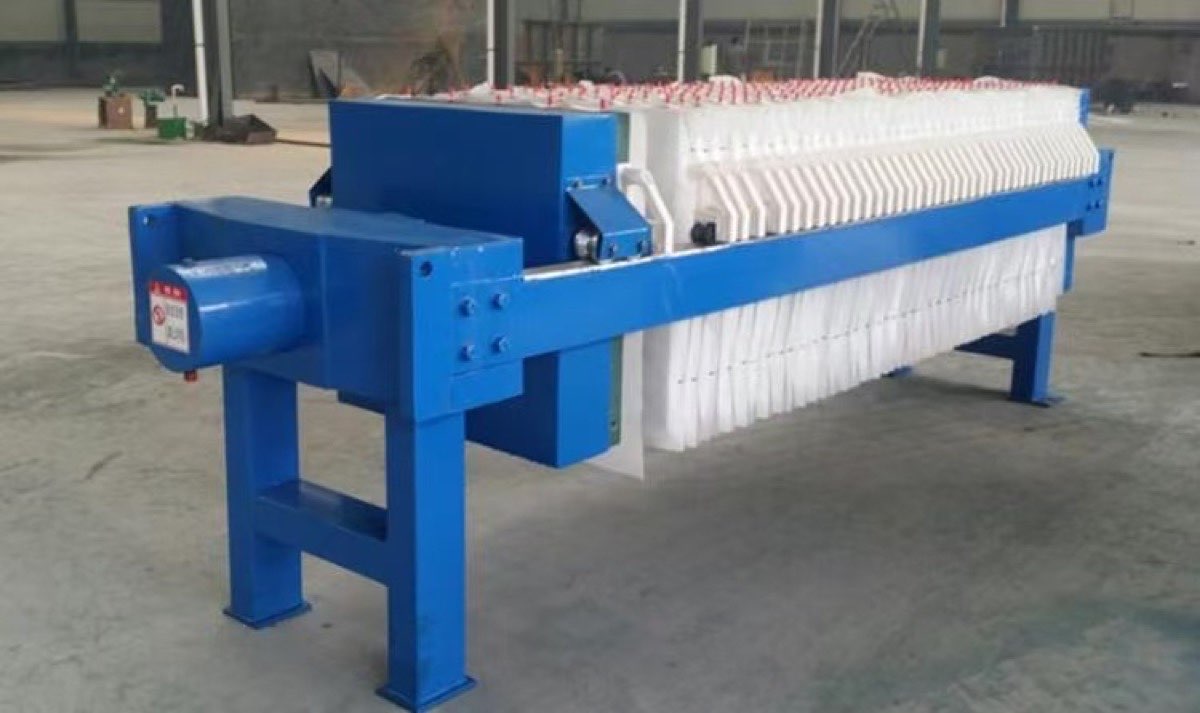
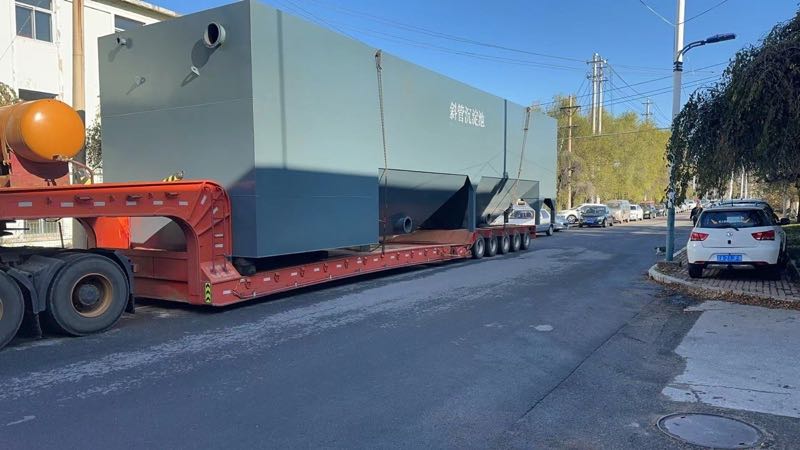
Ref. A-017. Client identity is withheld under our client-confidentiality policy. Capacity is shown as a capacity class (design value rounded up to the next 5 at its second significant digit).
How We Deliver

Projects of this type are delivered in the nine stages below. Installation, commissioning and other on-site stages follow each contract's scope. Every stage within our scope produces a written record that we keep on file.

  1. 1 Design basis confirmationAverage and peak flow, influent or gas data, discharge or reuse target Record producedDesign basis sheet
  2. 2 Process & mechanical designProcess calculations, equipment selection, layout and piping Record producedCalculation book, P&ID, general arrangement
  3. 3 Manufacturing & quality controlMaterial and in-process inspection of the main equipment Record producedMaterial & QC records
  4. 4 Factory acceptance test (FAT)Trial run against the design parameters before dispatch Record producedFAT record
  5. 5 Packing & dispatchPacked, marked and shipped against the equipment list Record producedPacking list
  6. 6 Installation or supervisionPer contract scope Record producedInstallation record
  7. 7 CommissioningStart-up, parameter tuning and interlocks Record producedCommissioning log
  8. 8 Performance verificationEffluent or emission checked against the design basis Record producedPerformance test record
  9. 9 Training, handover & after-salesOperator training, document handover, after-sales support Record producedO&M manual, training record

Planning a similar project? Start with these six parameters

  1. FlowDaily average and peak (m³/day and m³/h)
  2. Influent qualityCOD, BOD₅, TSS, pH and anything unusual
  3. Discharge targetThe standard you must meet, or the reuse purpose
  4. Operating hoursContinuous or batch; seasonal changes
  5. Site & civil scopeFootprint, power supply, who builds the tanks
  6. Project stageBudgeting, tender, or ready to order

Send your parameters — initial process recommendation within 24 hours

Frequently Asked Questions

The process train under assessment is: Characterization and sampling → Receiving and size reduction → Pulp dilution and conditioning → Ozone-assisted arsenic and metal extraction → Liquid–solid separation → Wash and residual management → Dewatering and pipeline-flow assessment → Treated pulp preparation and transfer feasibility review.
Yes. Send us your daily and peak flow, influent quality, discharge or reuse target, operating hours and site constraints, and our engineers will reply with an initial process recommendation within 24 hours.

Planning a similar project?

Share your flow, influent quality and discharge target — our engineers respond within 24 hours.

AI Growth
Contact
Contact Us
Call Us
+86-181-0655-2851
Email Us Get a Quote Contact Us