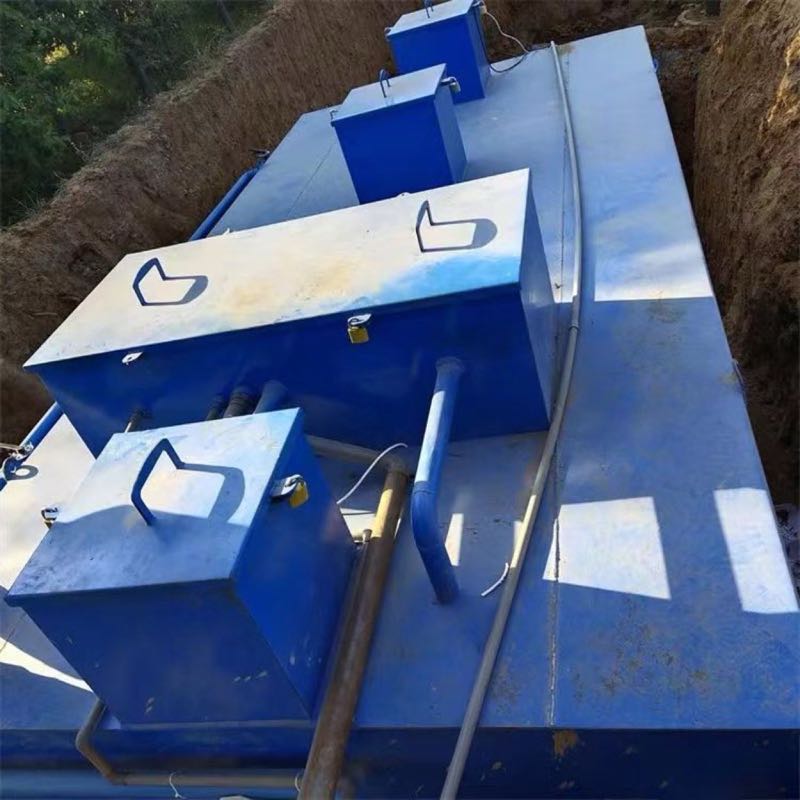
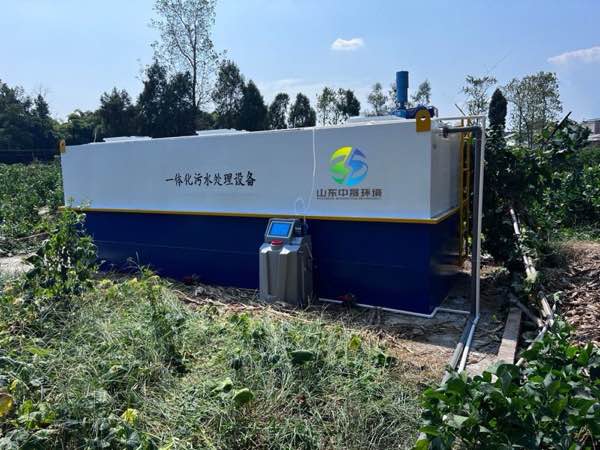
Proposed 15,000 m³/d wastewater treatment plant for municipal sewage, pending confirmation of source, design basis and discharge requirements.
Project Background
The client seeks a wastewater treatment system for a municipal application with a design capacity of 15,000 m³/d. Influent characteristics, pollutant loads, flow variation and discharge destination have not been confirmed. The client also requested clarification of the proposed trickling filter, denitrification, digestion, primary sedimentation and humas tank stages before final process selection.
Our Solution
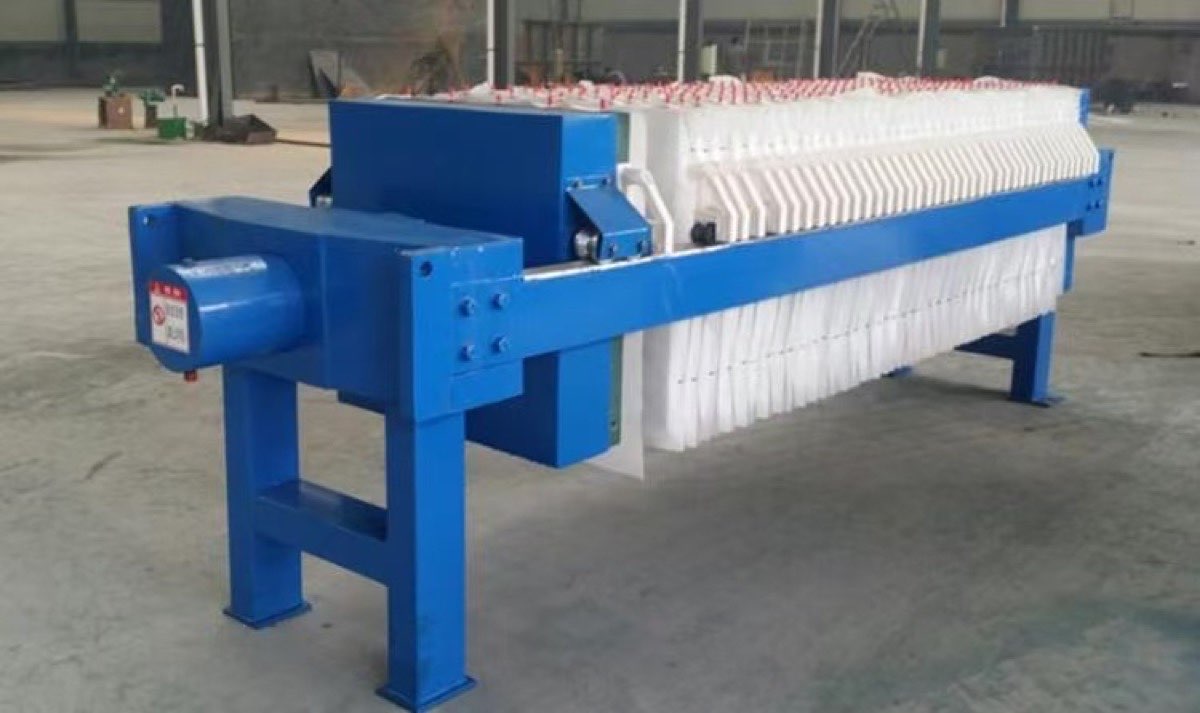
We propose a packaged treatment train comprising mechanical screening, grit separation, equalisation, anoxic denitrification, aerated biological treatment, MBR membrane separation and final disinfection. Screening protects downstream equipment, equalisation smooths hydraulic and load variation, biological stages provide carbon removal and nitrification, denitrification supports nitrogen reduction, and the MBR stage provides a compact solids-separation solution suitable where clarified effluent quality is required. Excess sludge should be thickened and dewatered, with filtrate returned to the process and the dewatered cake routed to an approved disposal route. The client-specified trickling filter and digestion arrangements remain subject to review against influent data and site conditions.
What We Asked First
Please confirm the wastewater source, average and peak flows, influent quality, pollutant loads, discharge destination and applicable effluent limits, whether the project is new or retrofit, the intended meaning of humas tank, and available site levels and constraints.
Proposed Process Train
- 1Rotary mechanical bar screen
- 2grit separation and equalisation
- 3anoxic denitrification
- 4aerated biological treatment
- 5membrane separation
- 6disinfection and flow metering
- 7sludge thickening and dewatering
- 8filtrate return and off-site disposal
For Similar Projects
Prepare representative wastewater samples and flow records, identify the required effluent standard, clarify the site layout and existing drainage assets, and confirm sludge handling, access, power and noise constraints before detailed design.
Ref. A-006. Client identity is withheld under our client-confidentiality policy. Capacity is shown as a capacity class (design value rounded up to the next 5 at its second significant digit).