Treatment concept for food and beverage effluent with high-strength organic loading and a planned capacity expansion.
Project Background
Combined effluent from dairy, confectionery, bakery, juice and carbonated-drink lines: 1,000 m³/day design flow with expansion planned, 24/7 operation (≈45 m³/h average). Peak COD 3,500–4,500 mg/L, BOD₅ 2,000–2,500 mg/L, BOD/COD ≈ 0.6. Discharge target: BOD < 30, TSS < 100, TDS < 2,100, oil & grease < 10 mg/L, pH 6–9.
Our Solution
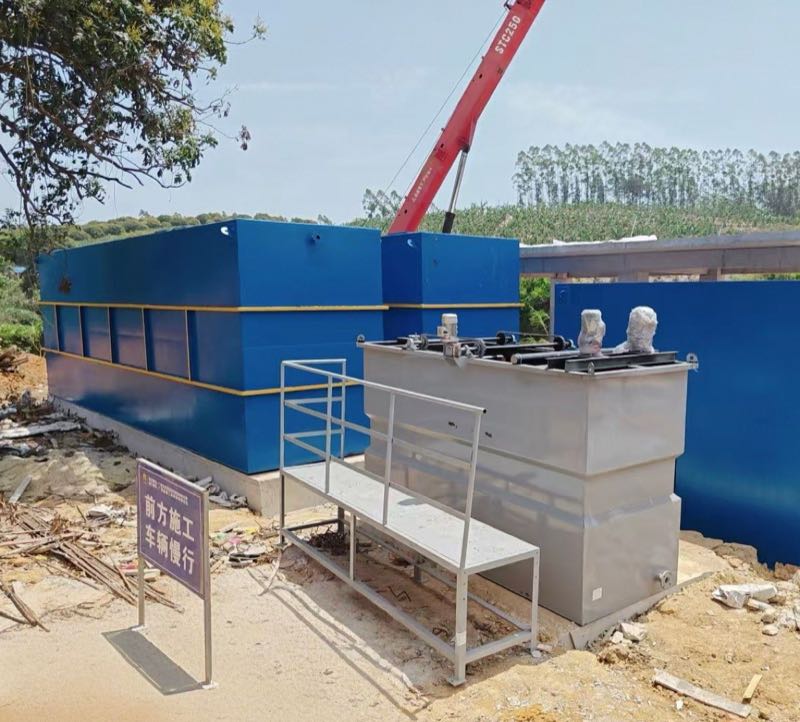
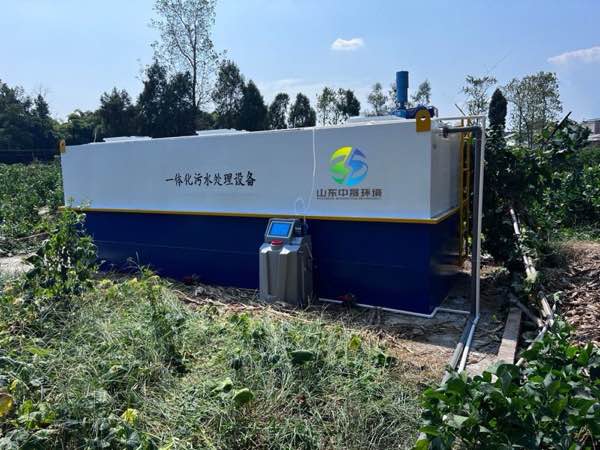
Segregated collection → screening → equalisation → pH correction → DAF → anaerobic → aerobic → solids separation → tertiary polishing. We advised against a single packaged unit at this scale and recommended comparing local RC tanks with supplied M&E against a multi-train modular approach.
What We Asked First
Whether high-TDS streams can be segregated at source, the peak factor per production line, and whether civil works (RC tanks) are local scope or ours.
Proposed Process Train
- 1Segregated collection
- 2screening
- 3equalisation
- 4pH correction
- 5dissolved air flotation
- 6anaerobic treatment
- 7aerobic treatment
- 8solids separation
- 9tertiary polishing
For Similar Projects
Above ~500 m³/day, packaged units stop being the cheapest option; the civil/equipment split decides the budget more than the process choice does.
Ref. A-001. Client identity is withheld under our client-confidentiality policy. Capacity is shown as a capacity class (design value rounded up to the next 5 at its second significant digit).