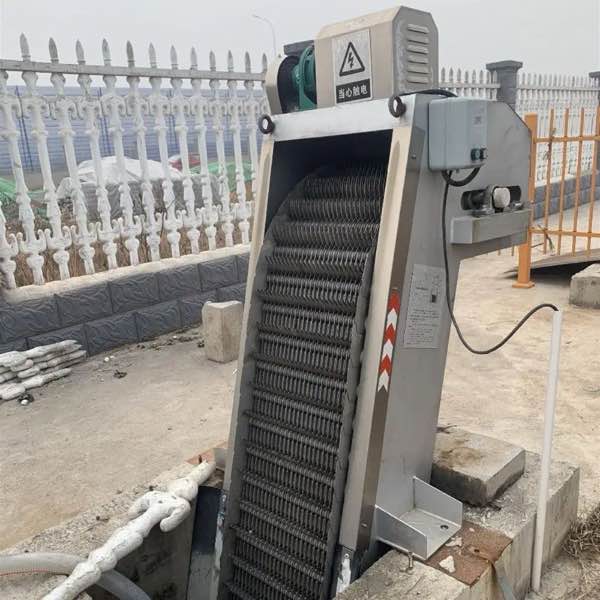
| Inlet pretreatment · Incoming sewage | Rags & large debris | Suitable inlet screening | Remove coarse material that can clog pumps and damage downstream equipment; opening size and handling depend on the following process. Assess peak flow, debris loading, head loss, cleaning, bypass and safe screenings disposal. A screen is not removal of dissolved BOD, nutrients or pathogens; a coarse screen may not meet an MBR’s fine-screening need. United States Environmental Protection Agency United States Environmental Protection Agency |
|---|
| Inlet pretreatment · Screened sewage | Sand & abrasive grit | Grit removal | Separate dense grit to reduce abrasion and accumulation in channels, tanks and digesters after coarse debris is removed. Review particle characteristics, wet-weather loading and hydraulics across the operating flow range. Grit removal and screening are not interchangeable. Captured grit still requires washing or disposal arrangements as appropriate. United States Environmental Protection Agency |
|---|
| Solids & organic load · Pretreated sewage | Settleable suspended solids | Primary clarification option | Where included in the selected train, primary settling transfers settleable material into a sludge stream before subsequent treatment. Assess settling behavior, flow and solids load, sludge withdrawal and the carbon balance needed by downstream treatment. Gravity settling does not adequately remove dissolved pollutants. Primary clarification is not mandatory in every alternative process layout. United States Environmental Protection Agency |
|---|
| Solids & organic load · Biological-stage feed | Biodegradable organics | Biology & biomass separation | Microorganisms reduce biodegradable organic pollution; attached-growth, activated-sludge and other suitable systems use different biomass-retention arrangements. Confirm oxygen supply, temperature, loading, retention and operators; control inhibitory industrial inputs before they reach the plant. Organic removal alone does not prove nutrient, pathogen or dissolved-salt compliance. MBR is one alternative, not the default for every municipality. United States Environmental Protection Agency IFC / World Bank Group |
|---|
| Nitrogen & phosphorus · Ammonia-bearing sewage | Ammonia & total nitrogen | Nitrification / denitrification | Nitrification converts ammonia to oxidized nitrogen. Denitrification can then convert nitrate to nitrogen gas under appropriate anoxic conditions. Assess temperature, sludge age, oxygen, alkalinity, carbon availability and recycles against the actual nitrogen species and target. Nitrification alone is not total-nitrogen removal. No low-effluent concentration is guaranteed by naming a process or supplying a dosing unit. United States Environmental Protection Agency |
|---|
| Nitrogen & phosphorus · Phosphorus-bearing sewage | Soluble & particulate P | P removal & solids capture | Biological uptake or chemical precipitation targets soluble phosphorus; subsequent solids removal carries captured phosphorus out of the water. Select the approach using influent carbon and phosphorus forms, pH, chemical tests, solids separation and sludge-management capacity. A chemical dosing system alone does not remove the resulting precipitate. Additional chemicals can increase sludge requiring management. United States Environmental Protection Agency |
|---|
| Disinfection · Clarified treated effluent | Residual pathogens | Validated UV disinfection | UV can inactivate microorganisms when the reactor delivers the required exposure to sufficiently treated water. Check UV transmittance, solids, peak hydraulics, lamp aging, fouling, cleaning and validation for the required microbial target. Turbidity and particles can shield organisms. UV does not remove dissolved salts or provide a persistent disinfectant residual. United States Environmental Protection Agency |
|---|
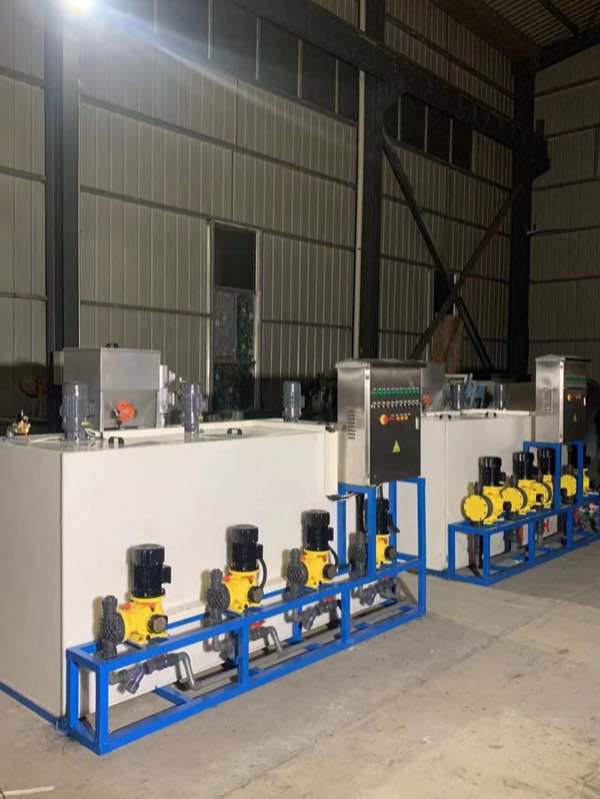
| Disinfection · Treated-effluent disinfection | Microbial exposure risk | Controlled chemical contact | Where selected, chemical disinfection needs appropriate dosing, mixing and contact arrangements, followed by residual control when required by the receiving route. Evaluate disinfectant demand, actual hydraulics, pH, safety, monitoring and any dechlorination requirement. A dosing skid is not a complete validated disinfection process. Excess residual can harm the receiving environment. United States Environmental Protection Agency IFC / World Bank Group |
|---|
| Sludge & residuals · Primary & waste sludge | Unstable organic residuals | Suitable sludge stabilization | Select digestion or another appropriate stabilization route according to sludge quantity, composition, operating resources and intended use or disposal. Review energy, temperature, retention, gas handling, pathogens, industrial contaminants and the acceptance conditions of the destination. Stabilization or dewatering alone does not confer permission for agricultural use or prove the absence of hazardous constituents. IFC / World Bank Group |
|---|
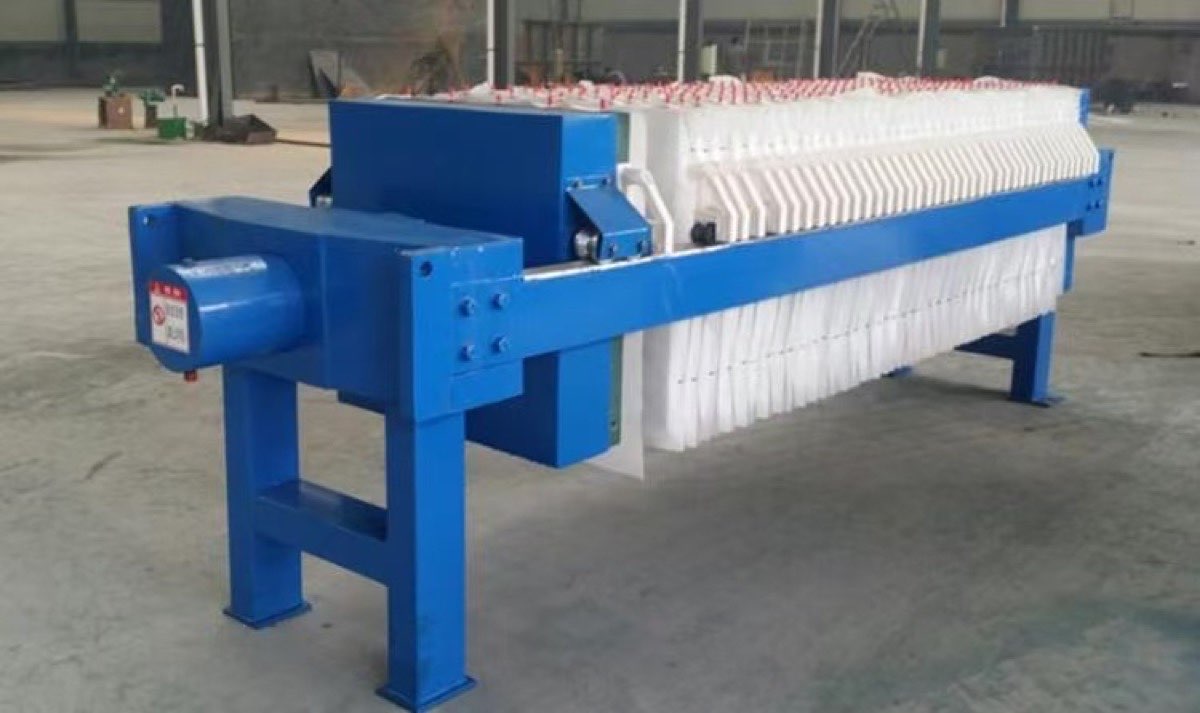
| Sludge & residuals · Conditioned sludge | Water-rich sludge volume | Tested mechanical dewatering | Mechanical dewatering transfers water to a filtrate and reduces sludge volume. A plate press is one option among alternatives to compare. Test representative sludge, conditioning, cake handling, filtrate return, staffing and the whole-life cost of the selected route. No cake dryness is guaranteed here. Dewatering is not disinfection and does not destroy pollutants retained in the cake. United States Environmental Protection Agency |
|---|
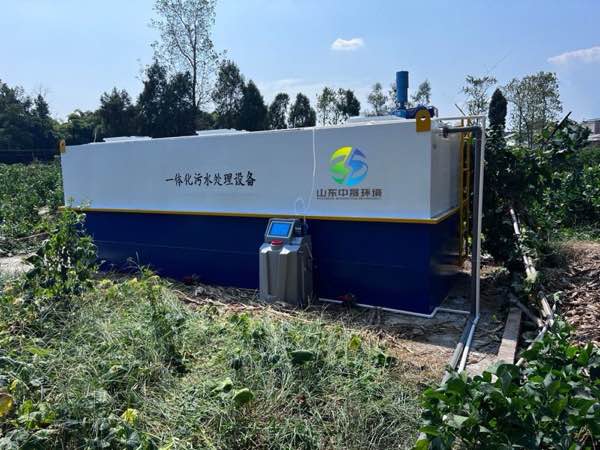
| Controlled water reuse · Space-constrained treatment | Biomass & solids separation | Assess an MBR alternative | An MBR combines biological treatment and membrane solids separation, which can support a compact layout and subsequent reuse treatment. Compare conventional alternatives, fine screening, fouling, membrane cleaning, aeration energy, replacement and operator support. Nutrient removal needs a suitable biological design. Microfiltration is not desalination, and MBR effluent is not automatically potable or authorized for reuse. United States Environmental Protection Agency United States Environmental Protection Agency |
|---|
| Controlled water reuse · Planned reuse supply | Use-specific health & chemistry | Fit-for-use barriers & monitoring | Match treatment barriers, disinfection and monitoring to the intended non-potable or other separately assessed use and its exposure risks. Define users, distribution, storage, cross-connection controls, chemical and microbial targets, reliability and the applicable reuse authorization. Visual clarity and equipment names are not water-quality evidence. Potable reuse requires a separate validated treatment and regulatory assessment. United States Environmental Protection Agency IFC / World Bank Group |
|---|