Why Ethiopia's Industrial Growth Is Reshaping the Supplier Market
Ethiopia's industrial parks — Bole Lemi and Kilinto in Addis Ababa, Hawassa Industrial Park, Dire Dawa SEZ, and the Modjo leather cluster — are now the dominant demand source for qualified wastewater treatment plant suppliers in Ethiopia. Textile capacity at Hawassa alone exceeds 200,000 m³/day of combined process and sanitary wastewater once fully ramped, and Modjo's tanneries discharge high-chromium effluent that the regulator no longer accepts into unlined evaporation lagoons. Per the U.S. EPA, U.S. plants treat roughly 34 billion gallons per day (≈128 million m³/day) — a scale benchmark that makes Ethiopia's total municipal and industrial throughput look small, but per-factory discharge intensity is rising year-on-year as capacity comes online.
Procurement teams working in 2026 face a tighter compliance anchor than buyers did in 2018. The Federal Environmental Authority (EEA, formerly EPA Ethiopia) Proclamation No. 1158/2019, supported by the National Environmental Compliance Monitoring framework, now sets the discharge thresholds that industrial and municipal projects must meet — not the older ES 2005 reference values. International containerized MBR and DAF skid vendors are increasingly competitive alongside local EPC firms because containerized systems clear Djibouti customs and reach Addis Ababa in 6–8 weeks, which is faster than building civil works from scratch on a 12-month EPC schedule.
Process Selection: Matching the Right Treatment Train to Ethiopian Effluents
Process choice must come before vendor choice. The four influent clusters that dominate Ethiopian bids — textile at Hawassa, leather/tannery at Modjo, food and beverage in Addis Ababa, and municipal sewage — each need a different primary unit operation, and altitude at highland sites (~2,355 m at Addis Ababa) slows biological kinetics by roughly 15–25% versus sea level.
- Textile (Hawassa): COD 800–2,000 mg/L, high color, temperature 30–40°C. Recommended train: coagulation + DAF for color and suspended solids, followed by a biological stage and a polishing membrane for water reuse.
- Leather (Modjo): high chromium (Cr total 5–50 mg/L), sulfide, TDS 3,000–8,000 mg/L. Recommended train: chromium precipitation and sulfide oxidation upstream of an MBR membrane bioreactor system sized for 10–2,000 m³/day.
- Food & beverage: BOD 1,500–4,000 mg/L, FOG 200–1,000 mg/L. Recommended train: a dissolved air flotation system (4–300 m³/h) for FOG and TSS removal, then biological treatment.
- Municipal / packaged sewage: BOD 200–400 mg/L, TSS 200–350 mg/L. Recommended train: WSZ package sewage treatment plant (1–80 m³/h) for small communities, schools, hotels, and park-based offices.
| Influent type | Recommended primary process | Expected effluent (BOD / COD / TSS, mg/L) | Reuse viability |
|---|---|---|---|
| Textile (Hawassa) | Coagulation + DAF + MBR | ≤20 / ≤80 / ≤5 | Process water reuse, RO polishing |
| Leather (Modjo) | Cr precipitation + sulfide stripper + MBR | ≤25 / ≤150 / ≤10 | Non-contact reuse; irrigation if salts managed |
| Food & beverage | DAF + A/O biological | ≤25 / ≤120 / ≤20 | Cooling tower makeup, irrigation |
| Municipal sewage | WSZ package plant or SBR | ≤25 / ≤90 / ≤30 | Garden irrigation, toilet flush |
At highland elevations above 2,000 m, open activated-sludge basins lose aeration efficiency and cool below 10°C in December–January, slowing nitrification. Enclosed MBR tanks or insulated SBRs are the right answer for any site above 2,000 m unless civil heating is included in the design.
What a Qualified Wastewater Treatment Plant Supplier in Ethiopia Must Deliver
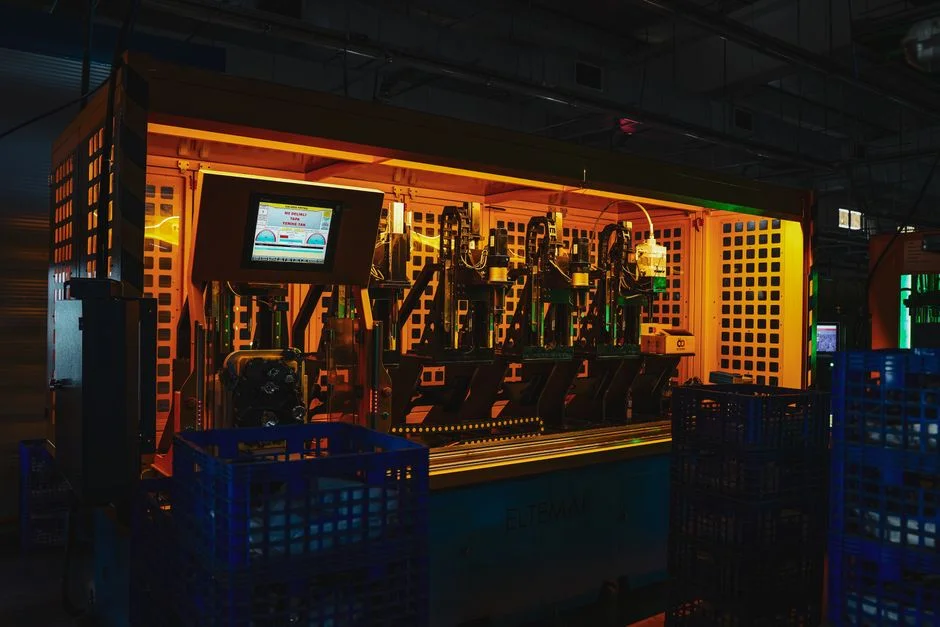
A qualified supplier sells a documented design, not just a tank. The minimum package a buyer should require in writing before contract signature includes the following items, mapped to EEA Proclamation 1158/2019 effluent limits for industrial and municipal discharges.
- Design basis document: influent characterization, average and peak flow, hydraulic residence time, sludge handling plan, and a mass balance showing BOD, COD, TSS, and nutrient removal against Proclamation 1158/2019 limits.
- Effluent performance guarantee: numeric values for BOD₅, COD, TSS, pH, and (where relevant) total nitrogen, tied to liquidated damages if the plant fails during the 12-month defect-liability period.
- Local presence: Ethiopian trade registration, a list of in-country installations that can be visited, and an after-sales SLA with a defined response window (typically ≤48 hours for spares, ≤72 hours for an engineer on site).
- International standards gap-fillers: where Proclamation 1158/2019 is silent, the supplier should default to EU Urban Waste Water Directive 91/271/EEC for municipal plants, World Bank Group EHS Guidelines for industrial discharges, and WHO Guidelines for Drinking-water Quality for reuse projects.
- Logistics plan: containerized or skid-mounted modules rated for 6–8 weeks of road transport from Djibouti, with a consolidated 12–24 month spares kit shipped with the original equipment.
A vendor that cannot produce a P&ID, a mass balance, and a list of Ethiopian references in the technical proposal should be eliminated at the long-list stage — the engineering documentation, not the price, is what protects the project during commissioning.
Supplier Evaluation Matrix: A Weighted Scoring Framework
The matrix below is the single most defensible artifact in this guide: a weighted scoring system the procurement team can apply to 3–5 shortlisted bidders. Score each criterion 1 (weak) to 5 (excellent) and multiply by the weight.
| Criterion | Weight | What to check | Local EPC (ex.) | Chinese turnkey (ex.) | European OEM (ex.) |
|---|---|---|---|---|---|
| Technical fit (process, capacity, reuse) | 30% | Bid includes a guaranteed BOD₅ ≤25 mg/L clause tied to liquidated damages | 3 | 4 | 5 |
| Local support & spares (≤48 h SLA) | 20% | Ethiopian trade registration + in-country installation list | 5 | 3 | 2 |
| Compliance documentation (EEA 1158/2019, EHS) | 15% | Mass balance + P&ID + equipment origin list | 3 | 4 | 5 |
| CAPEX (USD per m³/day) | 15% | Quoted figure vs the 2026 benchmark range | 4 | 5 | 2 |
| OPEX & energy (kWh/m³) | 10% | Membrane replacement plan, blower specific power | 4 | 3 | 4 |
| References in Ethiopia / East Africa | 10% | ≥3 visitable sites in the last 5 years | 5 | 3 | 2 |
| Weighted total | 100% | — | 3.85 | 3.70 | 3.40 |
Request the following from every bidder before scoring: P&ID, mass balance, equipment list with country of origin, PLC/HMI architecture, and a draft effluent performance bond. A vendor that refuses any of these items has, by definition, scored 1 on Technical fit and Compliance documentation.
Cost Benchmarks for Wastewater Treatment Plants in Ethiopia (2026)
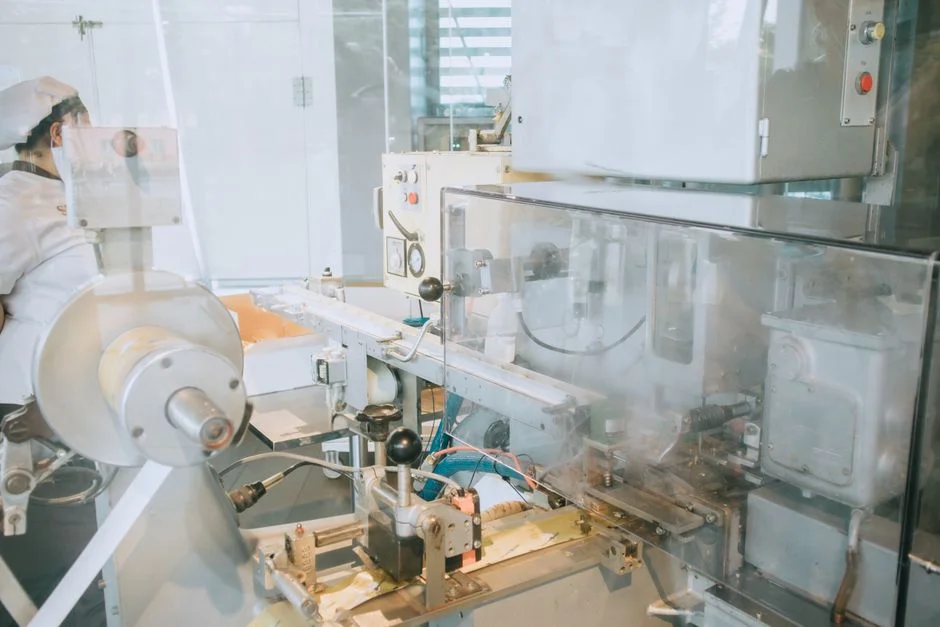
The numbers below normalize incoming bids so the buyer can tell a fair quote from an under-spec or an over-spec. Landed CAPEX in Ethiopia is 12–18% above coastal African markets because every container clears Djibouti and travels by road.
| Plant type | Flow range | CAPEX (USD / m³/day) | Typical OPEX (USD / m³ treated) |
|---|---|---|---|
| WSZ package / underground | 1–80 m³/h | 250–700 | 0.20–0.45 |
| MBR (containerized) | 10–2,000 m³/day | 700–1,500 | 0.35–0.70 |
| SBR / containerized biological | 50–5,000 m³/day | 400–900 | 0.25–0.50 |
| DAF pre-treatment skid | 4–300 m³/h | 80,000–350,000 per skid | 0.05–0.12 |
OPEX breaks down roughly as follows for an Addis Ababa industrial site: electricity 0.08–0.22 USD/m³, chemicals 0.03–0.09 USD/m³, labor 0.05–0.15 USD/m³, and (for MBR only) membrane replacement 0.02–0.06 USD/m³. The dominant variable is the Addis Ababa industrial power tariff, currently around USD 0.05/kWh, multiplied by the specific power draw of blowers and pumps — typically 0.4–0.9 kWh/m³ for MBR and 0.2–0.5 kWh/m³ for a well-tuned WSZ. Map the MBR membrane bioreactor system to the 10–2,000 m³/day MBR band, the WSZ package sewage treatment plant to the 1–80 m³/h package band, and the dissolved air flotation system to the pre-treatment skid row when normalizing a quote.
Engineering Constraints Unique to Ethiopia
A catalog datasheet built for sea-level, grid-stable, temperate sites will underperform in Ethiopia. The four constraints below must be priced into the design — not discovered during commissioning.
- Highland altitude: dissolved oxygen saturation at Addis Ababa elevation (~2,355 m) is roughly 25% lower than at sea level, so aeration blower sizing and tank geometry must be derated. Specify fine-bubble diffusers in MBR and WSZ aeration tanks, and oversize blowers by 10–15% to recover the lost transfer efficiency.
- Power reliability: Ethiopian industrial feeders average 8–15 grid outages per month. Specify UPS on the PLC, diesel backup for blowers, and a minimum 6-hour treated-water equalization tank to ride through blackouts without discharging off-spec effluent. A rotary mechanical bar screen upstream of the biological stage protects the membranes during a sudden pump restart.
- Ambient temperature swing: highland sites see 5–25°C year-round (slower nitrification in December–January), while lowland Afar and Dire Dawa sites see 25–45°C (faster kinetics but higher corrosion risk — request SS316 or FRP for hot-service tanks).
- Spare-parts logistics: prioritize suppliers who ship a consolidated 12–24 month spares kit with the original equipment, sized for the actual wear parts list, not a generic box of spares.
Step-by-Step Procurement Workflow for a Wastewater Plant in Ethiopia
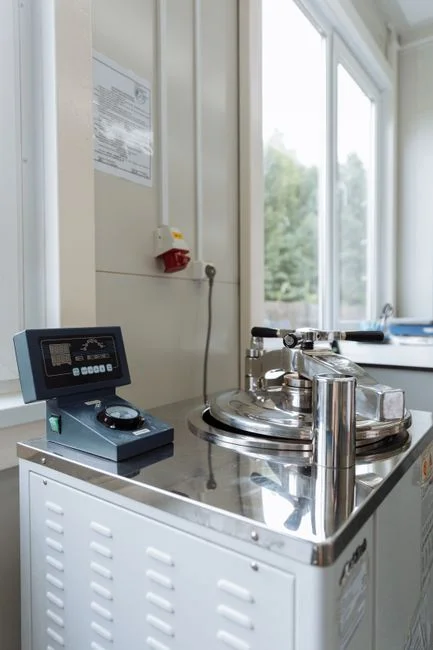
The sequence below maps a 9–14 month project from feasibility to handover. It assumes an industrial flow of 50–2,000 m³/day; municipal projects of similar scale follow the same path.
- Influent/effluent characterization and site survey (2–4 weeks): 24-hour composite sampling for flow, COD, BOD, TSS, pH, temperature, FOG, and (for tannery) total chromium; identify peak factor, typically 1.5–2.5× average.
- Issue technical specification (RFP) to 3–5 shortlisted suppliers: include the design basis, the weighted evaluation matrix, and the required deliverables (P&ID, mass balance, equipment list, PLC architecture, performance bond).
- Bid evaluation, factory acceptance test (FAT), contract signature: score bids using the matrix; attend FAT for the winning bidder's skids; sign a contract with numeric effluent guarantees and liquidated damages. An automatic chemical dosing system is typically specified at this stage for pH correction and nutrient balancing.
- Site erection, commissioning, operator training, 12-month defect-liability period: supervise civil works, mechanical install, and electrical commissioning; train operators; run a 90-day performance test; hand over with a remote performance monitoring contract.
Frequently Asked Questions
What effluent limits must a wastewater plant in Ethiopia meet in 2026? Industrial and municipal discharges must comply with the Federal Environmental Authority Proclamation No. 1158/2019, which sets thresholds for pH, BOD, COD, TSS, total nitrogen, and total phosphorus; for sensitive receiving waters the EEA may impose stricter site-specific limits.
How much does a packaged wastewater plant cost in Ethiopia? Package/WSZ plants in the 1–80 m³/h range land at USD 250–700 per m³/day of CAPEX, while MBR systems in the 10–2,000 m³/day range run USD 700–1,500 per m³/day, with an additional 12–18% logistics premium for the Djibouti land route.
Which process is best for textile wastewater in Hawassa? Coagulation plus a DAF pre-treatment stage followed by an MBR — typically sized for COD 800–2,000 mg/L influent — delivers reuse-quality effluent (BOD ≤20 mg/L, COD ≤80 mg/L, TSS ≤5 mg/L) suitable for RO polishing.
How is tannery wastewater in Modjo handled? Chromium precipitation and sulfide stripping are required upstream of an MBR; the MBR membrane bioreactor system is the standard biological step, with brine management or evaporation ponds for the saline reject stream.
What disinfection system is specified for reuse applications? For non-potable reuse, a chlorine dioxide generator provides broad-spectrum disinfection without forming trihalomethanes, which makes it preferable to chlorination for effluent intended for cooling-tower or irrigation reuse.
How is sludge handled in a packaged MBR plant? Waste-activated sludge is thickened (typically a plate-frame filter press to 18–22% dry solids), then transported off-site for landfill or co-disposal with industrial solid waste under an EEA-approved waste-management plan.