What 'Package Wastewater Treatment Plant' Actually Means in Lima
A package wastewater treatment plant in Lima is a pre-engineered, skid- or container-mounted system shipped fully assembled (or in 1–2 modules) and installed on-site in 2–6 weeks, treating 1–500 m³/day for industrial, hotel, hospital, and small-community use. In 2026, the three dominant technologies competing in Peru are MBR membrane bioreactors (effluent BOD₅ ≤30 mg/L, reuse-grade), WSZ underground A/O units (BOD₅ ≤20 mg/L, buried installation), and DAF pre-treatment skids (TSS/grease removal >90%). All must meet DIGESA discharge standards aligned with MINAM ECA-Agua D.S. N° 003-2010 and ANA technical guidelines, with containerized units typically costing $45,000–$280,000 FOB China plus $4,500–$9,000 ocean freight to Callao.
The category is distinct from civil-built concrete WWTPs in three ways that matter to a Lima buyer. First, civil works drop by 60–80% because the reactor, clarifier, and disinfection stages arrive integrated in a steel skid or ISO 668 20'/40' frame. Second, installation compresses from 6–18 months to 2–6 weeks, which lets a 2026 capex budget stay inside the fiscal year. Third, every piece of process equipment ships with the same FAT documentation, so DIGESA filing is faster than for a stick-built plant with multi-vendor equipment lists.
Typical flow envelope for Lima-bound package units is 1–500 m³/day; above 500 m³/day civil construction usually wins on $/m³ once concrete basins and on-site labor in the Lima metro are priced in. One constraint buyers miss until late: Lima sits in seismic Zone 4 (per SENCICO Norma E.030), and package steel skid units are easier to anchor, level, and replace after an event than poured concrete basins that crack at construction joints.
Peruvian Compliance: DIGESA, ANA, and MINAM ECA-Agua Standards
Three regulators control whether your package plant can legally operate in Lima, and they layer on top of each other — a vendor that quotes "DIGESA compliant" without naming the standard is telling you nothing. DIGESA (Dirección General de Salud Ambiental), under D.S. N° 031-2010-SA, authorizes industrial effluent discharge and requires a technical file (Expediente Técnico) demonstrating the design effluent meets applicable ECA values before construction permit is issued.
Effluent quality must satisfy MINAM ECA-Agua D.S. N° 003-2010-MINAM at the discharge point. For industrial effluents entering a natural body, Category 3 (irrigation) or Category 4 (conservation) applies depending on receiving water use designation. If the receiving body is Lima's PTAR-Chillón or PTAR-Tableros sewer system, SEDAPAL's own discharge standards also apply (typically tighter on TSS and fats than MINAM Category 3).
For agricultural reuse (a common exit path for hotels and food plants in Lima's periphery), D.S. N° 004-2017-AG adds fecal coliform ≤1,000 NMP/100 mL and intestinal nematodes ≤1 huevo/L on top of the ECA-Agua floor. ANA (Autoridad Nacional del Agua) issues water-use permits and, for any direct discharge to a natural body, authorization under the Ley de Recursos Hídricos Ley N° 29338.
Design your package plant against the harder of the two limits (MINAM ECA or SEDAPAL), not the easier one, because re-permitting after installation is the most expensive delay in any Lima WWTP project.
| Parameter | MINAM ECA-Agua Cat. 3 (D.S. 003-2010, Table 1) | SEDAPAL sewer discharge (typical) | D.S. 004-2017-AG (irrigation reuse) |
|---|---|---|---|
| BOD₅ | 100 mg/L | ≤500 mg/L (pre-treatment only) | 100 mg/L |
| COD | 200 mg/L | ≤1000 mg/L | 200 mg/L |
| TSS | 150 mg/L | ≤500 mg/L | 150 mg/L |
| Oils & greases (FOG) | 20 mg/L | ≤100 mg/L | 5 mg/L |
| Fecal coliforms | — | — | ≤1,000 NMP/100 mL |
| Intestinal nematodes | — | — | ≤1 huevo/L |
| pH | 6.5–8.5 | 6.0–9.0 | 6.5–8.5 |
Sizing a Package Plant for Lima Industrial Loads
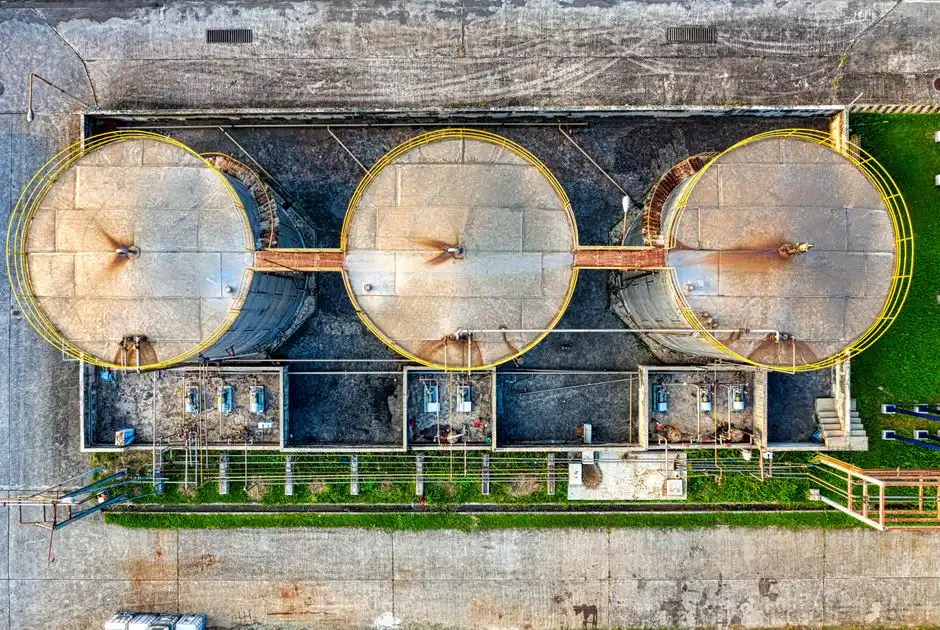
Most RFQs that go sideways in Lima start with a flow number and no influent characterization — then the supplier picks a reactor that meets the flow but chokes on the load. Get the influent right first. Lima industrial benchmarks by sector: food and beverage 800–4,000 mg/L COD with frequent FOG surges; textiles 500–2,000 mg/L COD with high color and temperature; metalworking 200–800 mg/L COD with heavy metals (Cr, Ni, Zn) that block biological treatment; hotels and hospitals 250–500 mg/L BOD₅ with pathogen load that drives the disinfection stage.
Apply two multipliers before sizing. Design hydraulic capacity at 1.2× peak daily flow, and organic capacity at 1.5× average BOD₅ load. The 1.5× factor is non-negotiable for Lima hospitality and healthcare projects because the December–March summer surge routinely pushes hospital occupancy 30–40% above annual mean, and the corresponding hydraulic and organic spike arrives together. This is also why reviewing a sizing case study for adjacent industrial wastewater — like the load profile walkthrough in this DAF System for Starch Wastewater Design: 2026 Engineering Guide — is worth the hour before you commit to reactor volume.
Two site conditions in Lima change the technology shortlist. The high water table in coastal districts (Callao, Chorrillos, Ventanilla, parts of San Miguel) sits 0.5–1.5 m below grade in winter (per ANA groundwater monitoring), which pushes flows above 30 m³/day toward above-grade skid units rather than buried WSZ — buoyancy and excavation dewatering kill the buried option's cost advantage. Temperature is favourable: Lima averages 17–24 °C year-round (SENAMHI 2025 climatology), so mesophilic biological treatment runs without heating, simplifying the package plant scope and reducing electrical load by 10–15% versus temperate-climate designs.
MBR vs WSZ Buried A/O vs DAF Pre-Treatment: Which Package Plant Wins in Lima
Three package architectures compete for the 1–500 m³/day segment in Peru, and the right pick depends on discharge destination, influent character, and land cost. MBR package plants deliver the cleanest effluent: BOD₅ ≤30 mg/L, TSS ≤5 mg/L, roughly 60% smaller footprint than conventional activated sludge at the same flow, and operating range 10–2,000 m³/day. CAPEX runs $120,000–$650,000 FOB China depending on membrane area and disinfection stage. MBR is the only credible choice if the buyer wants reuse-grade water for cooling tower make-up, landscape irrigation, or toilet flush — and it is the safest technology for direct discharge to a sensitive receiving body.
WSZ underground A/O package plants are the workhorse for buried installation. Effluent BOD₅ ≤20 mg/L, full burial eliminates visible equipment on site, no dedicated operator required for units under 50 m³/day, range 1–80 m³/h. CAPEX $45,000–$280,000 FOB China. WSZ is the lowest-cost option for hotels, residential developments, and small hospitals where land is available and the receiving body is a municipal sewer rather than a natural channel — and where the high water table allows burial.
DAF pre-treatment skids are not a complete WWTP — they remove >90% TSS and FOG in 4–300 m³/h flows at $18,000–$95,000 FOB China — but for any high-FOG industry (dairy, slaughterhouse, edible oil, hotel laundry) DAF is the mandatory pre-stage before biological treatment. Skipping DAF on a slaughterhouse effluent is the single most common reason MBR and WSZ units fail their first DIGESA sampling round in Peru.
| Parameter | MBR package plant | WSZ buried A/O | DAF pre-treatment skid |
|---|---|---|---|
| Effluent BOD₅ | ≤30 mg/L | ≤20 mg/L | Pre-stage only |
| Effluent TSS | ≤5 mg/L | ≤30 mg/L | Reduces influent TSS >90% |
| Flow range | 10–2,000 m³/day | 1–80 m³/h | 4–300 m³/h |
| Footprint | 60% of CAS | Buried (zero surface) | 10–25 m² skid |
| CAPEX (FOB China) | $120K–$650K | $45K–$280K | $18K–$95K |
| OPEX ($/m³) | $0.35–$0.85 | $0.18–$0.45 | $0.10–$0.25 |
| Best fit in Lima | Direct discharge to natural body, reuse | Sewer discharge, buried site, no operator | Mandatory pre-stage for FOG >150 mg/L |
Selection logic: for direct discharge to Lima's PTAR-Chillón or PTAR-Tableros sewer with a tight BOD/TSS envelope, MBR is the safest bet and aligns with the parameter ceiling in the MBR package wastewater treatment system spec sheet. For new rural or community plants where land is available and CAPEX is the constraint, the WSZ underground A/O package plant delivers the lowest cost per m³ treated. For any high-FOG industry, the DAF pre-treatment skid is not optional — it sits upstream of whichever biological stage you choose. If you want a parallel look at how MBR effluent quality drifts in the field and what causes it, the case-by-case root-cause list in MBR Effluent Quality Troubleshooting: 12 Root Causes & Field Fixes is worth scanning before you sign the PO.
Realistic 2026 CAPEX and OPEX for Lima Package Plants
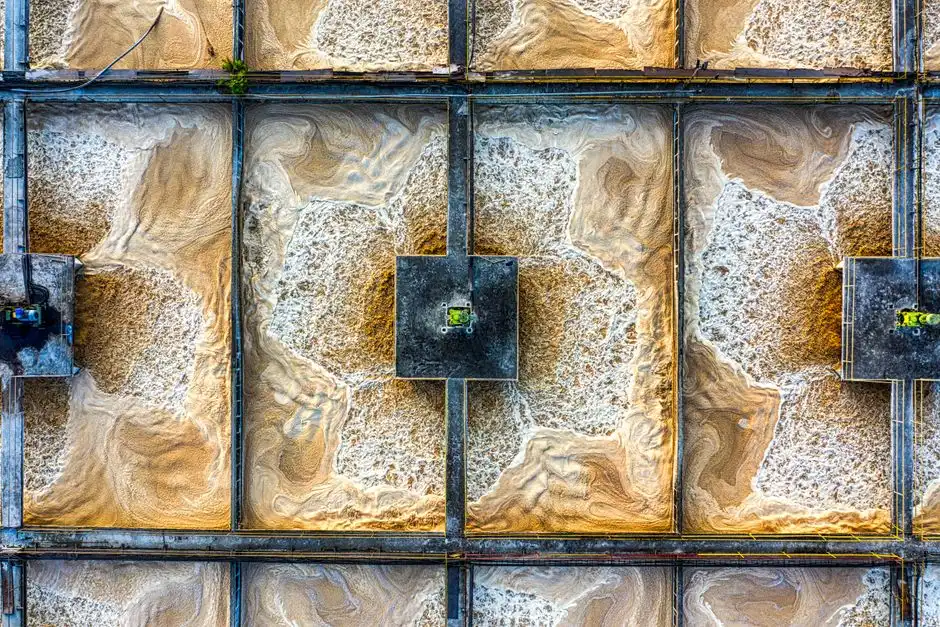
Budget ranges below are FOB China in USD, drawn from 2026 supplier quotes for Peru-bound projects (HydropureWater field data, 2026) and adjusted for the 5–8% steel/membrane price movement observed in Q1 2026. Landed cost in Lima runs 1.35–1.55× FOB once you stack Partida 8421.21 duties, IGV, ocean freight, customs broker, inland transport to site, and DIGESA filing fees.
| Flow tier (m³/day) | CAPEX FOB China (USD) | Typical OPEX ($/m³) | Recommended technology |
|---|---|---|---|
| 1–10 | $45,000–$80,000 | $0.20–$0.45 | WSZ buried or containerized MBR |
| 10–50 | $80,000–$180,000 | $0.25–$0.55 | WSZ or MBR depending on discharge |
| 50–200 | $180,000–$420,000 | $0.30–$0.70 | MBR with DAF pre-stage for FOG |
| 200–500 | $420,000–$950,000 | $0.35–$0.85 | MBR with DAF pre-stage |
OPEX lines worth budgeting individually: MBR membrane replacement every 5–7 years at $80–$140/m² (HydropureWater field data, 2026), which on a 100 m³/day unit translates to roughly $25,000–$45,000 per replacement cycle. WSZ OPEX is dominated by sludge haulage and a small blower electrical load — typically $0.18–$0.45/m³ with no membrane cost line. DAF OPEX is mostly polymer ($0.02–$0.06/m³) and saturated water recycle pump energy.
Import cost stack: ad valorem duty 8–12% under Partida arancelaria 8421.21 (SUNAT arancel, 2026), IGV 18%, ocean freight $4,500–$9,000 per 40HQ from Shanghai or Ningbo to Callao, plus roughly $2,000–$4,000 inland transport from Callao to a Lima district site and $1,500–$3,000 for a customs broker handling DIGESA paperwork linkage.
Shipping a Package Plant from China to Callao: Logistics Realities
Most package plants ship as 1–3 × 40HQ ISO containers. Oversized skids wider than 2.4 m or taller than 2.6 m require flat-rack (FR) containers and roll-on/roll-off handling at Callao's DP World terminal, which adds 4–6 days and roughly $1,800 per FR unit to the freight bill. Trans-Pacific transit from Shanghai or Ningbo to Callao runs 28–38 days depending on carrier and transhipment (Maersk, MSC, COSCO 2026 published schedules), plus 5–10 days for Peruvian customs clearance under Partida 8421.21 with the DIGESA technical file referenced in the commercial invoice.
Site prep before the container arrives is where Lima projects most often slip. The buyer needs a reinforced concrete pad 15–20 cm thick, anchor bolts set to the supplier's GA drawing, electrical service at 380V/3-phase/60Hz (Peru grid standard, per Osinergmin 2026 technical norm), potable water for hydrostatic test and biological seeding, and a crane rated for the heaviest single lift (typically 8–14 tonnes for a 40HQ skid). On-site assembly window is 3–7 days for a skid unit, 10–18 days for a buried WSZ because excavation and backfill dominate. Cold-commissioning and biological seeding add another 21–28 days before the plant reaches steady-state discharge, and you cannot sample for DIGESA until that window closes.
7-Step Supplier Qualification Checklist for Importing to Peru
- Verify factory credentials. SGS-audited supplier status, CE marking where applicable, and ISO 9001:2015 certification on the manufacturer's quality system — not a trading company's certificate. Trading-company-only vendors are the single largest source of specification drift between quote and shipment.
- Request operating references. Demand effluent performance data from at least two installed references with similar influent BOD₅ and FOG. Reject vendors who only show lab data or factory test runs — operating data at 12+ months is the only credible evidence.
- Lock a Factory Acceptance Test (FAT). Require a video of FAT using your actual influent simulant or a documented analog, with the test parameters recorded on camera. Without FAT, the first time you see your effluent is after six figures of logistics and commissioning spend.
- Lock warranty terms in writing. Minimum 24 months on mechanical equipment, 12 months on membranes and electrical components, and explicit coverage of the membrane replacement cycle cost. Verbal "we will support you" is unenforceable across borders.
- Confirm Spanish-language O&M and remote commissioning. The O&M manual must be in Spanish (not just English) and the supplier must provide remote commissioning support via video link. Most early-stage failures in Peruvian package plants trace to missing commissioning guidance, not to equipment defects.
- Budget for on-site engineering. Either fly in a factory engineer for 10–14 days ($8,000–$15,000 including travel) or engage a factory-trained local representative. Without one of the two, biological seeding and steady-state ramp-up slip by 3–6 weeks.
- Pre-file the DIGESA Expediente Técnico. Use the vendor's certified drawings, P&IDs, and process guarantees to file the technical file before the container leaves China. Late DIGESA filings are the #1 cause of project delay in Peru — a plant sitting on site without authorization is a non-compliant discharge from day one.
Frequently Asked Questions
What is the typical lead time for a package WWTP from China to Lima? 28–38 days ocean transit Shanghai/Ningbo to Callao, plus 5–10 days customs clearance, plus 3–18 days on-site assembly depending on skid versus buried, plus 21–28 days biological commissioning. Realistic door-to-operational window is 10–14 weeks from PO.
Does a package plant meet DIGESA standards without any civil works? Yes, for the biological and disinfection stages, but the buyer still needs a reinforced concrete pad, anchor bolts, and any required flow equalization basin — DIGESA treats these civil items as site works, not as part of the package plant approval.
What does MBR membrane replacement cost in Peru, including logistics? $80–$140/m² for the membrane modules (HydropureWater field data, 2026), plus roughly 20–25% markup for shipping and customs on a like-for-like replacement. On a 100 m³/day MBR unit, budget $25,000–$45,000 per replacement cycle every 5–7 years.
Will the supplier provide a bilingual O&M manual? Top-tier manufacturers provide Spanish and English as standard; mid-tier provide English only and charge $800–$2,000 for a certified Spanish translation. Confirm the language scope before PO — the DIGESA filing reviewer will flag an English-only manual.
What power supply does a package plant need in Lima? 380V/3-phase/60Hz is the Peruvian grid standard (Osinergmin technical norm, 2026); most Chinese package plants are factory-wired for 380V/50Hz, so the supplier must reconfigure the motor contactors and VFDs to 60Hz before shipment or the blower and pump motors will run hot and fail within weeks.