Why Leather Wastewater Demands a Dedicated Biological Process
Leather processing consumes between 17,000 and 30,000 L of water per ton of raw hide, and roughly 90% of that intake leaves the plant as wastewater (SciRP leather study, 2024-07). That single number — about 27 m³ of effluent per ton of hide — is the reason a tannery ETP cannot be designed from a municipal template. The influent is a blend of four chemically distinct streams: high-sulfide unhairing liquor, chrome-tanning bath with Cr³⁺ at 50–500 mg/L, pickling wastewater with chloride at 5,000–15,000 mg/L, and finishing wastewater rich in tannins and dyes. Composite samples from a representative 500 m³/d Indian tannery show COD of 3,000–6,000 mg/L, BOD of 1,500–2,500 mg/L, total chromium of 50–500 mg/L, sulfide of 100–800 mg/L, and tannin of 200–1,000 mg/L (HydropureWater field data, 2026).
Two operational realities make generic biology fail. First, pH swings from 3 in chrome-tanning baths to 12 in deliming baths occur within the same 8-hour shift; without equalization, no microbial community can hold its acclimation. Second, the BOD:N:P ratio in raw tannery effluent is often closer to 100:5:1 against the 100:5:1 optimum cited in standard activated-sludge design manuals — nitrogen is the limiting nutrient in most streams, so urea or ammonia dosing is mandatory. Salinity from pickling (Cl⁻ 5,000–15,000 mg/L) further constrains the process to halotolerant or acclimated consortia. For context on why oil and grease control in 2026 matters for related industries, see this 2026 oil and grease discharge limit comparison across EPA, EU, and China standards.
Pretreatment: The Non-Negotiable Step Before Biology
Sending raw tannery effluent directly to a UASB or SBR is the single most common cause of process collapse, because sulfide at 100–800 mg/L is acutely toxic to methanogens at concentrations above 50–80 mg/L and inhibits nitrification above 5–10 mg/L. Pretreatment is not optional; it is the gatekeeper for the downstream biology.
Three unit operations run in sequence. First, flow equalization over 8–12 hours with mechanical or jet mixing dampens the pH spikes (3–12) and load peaks that would otherwise shock any biomass. Second, sulfide is oxidized — either by air/oxygen stripping in a packed column, or by FeCl₂ precipitation at 200–400 mg/L Fe²⁺ per mg S²⁻ — to a residual below 5 mg/L. Third, chrome recovery and precipitation is performed by raising pH to 8–9 with NaOH or lime, dosing 2–5 mg/L of anionic polyelectrolyte, and clarifying in a DAF system for chrome and sulfide pre-precipitation or lamella settler. A well-tuned clarifier drops total chromium below 2 mg/L in the supernatant; residual Cr³⁺ above 10 mg/L halves the nitrification rate in conventional activated sludge (HydropureWater field data, 2026). For a deeper look at BOD removal logic that applies downstream of this step, see the engineering guide on how to remove BOD from wastewater in 2026.
The Core Biological Process Train: Anaerobic Followed by Aerobic
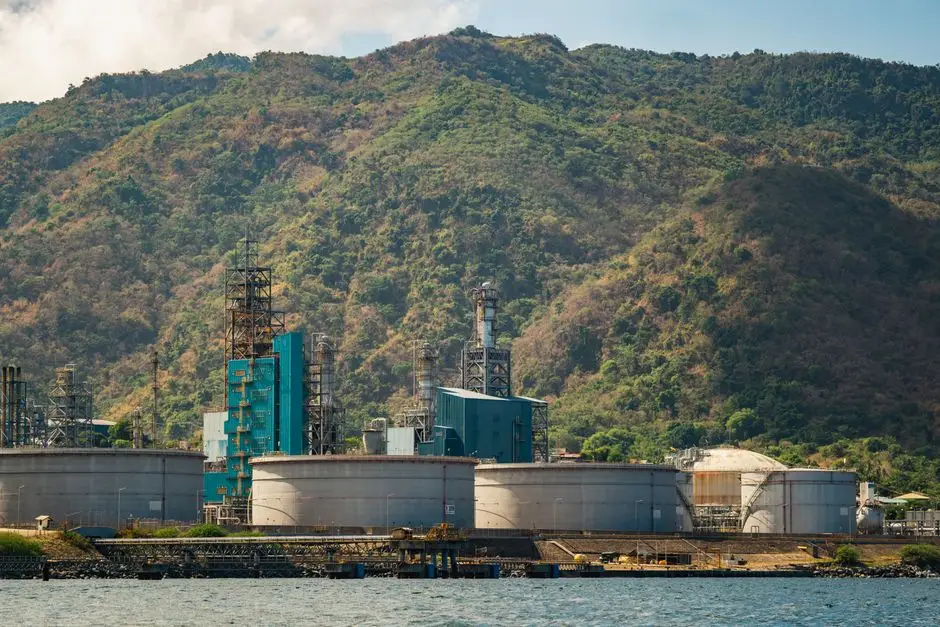
The anaerobic + aerobic sequence is the workhorse configuration for chrome tannery wastewater because no single reactor can do both jobs economically. Anaerobic digestion of tannery effluent removes 60–75% of COD at organic loading rates of 4–8 kg COD/m³·d, hydraulic retention time of 18–36 hours, and mesophilic temperatures of 30–37 °C, while producing biogas at 0.30–0.45 m³ per kg COD removed (HydropureWater field data, 2026). The UASB (upflow anaerobic sludge blanket) is the most widely specified reactor for this duty; a hybrid variant that combines the UASB sludge bed with a packed-media upper zone tolerates the higher suspended solids (500–1,500 mg/L TSS) typical of unhairing and liming streams.
The aerobic polishing stage is selected by flow and reuse target. For plants under 1,000 m³/d, the SBR (sequencing batch reactor) is the default: HRT 18–24 hours, fill-react-settle-decant cycle of 6–8 hours, and good tolerance to variable loads. For 1,000–5,000 m³/d, the MBBR (moving bed biofilm reactor) runs at 0.6–1.2 kg BOD/m³·d with 30–50% carrier fill, handles shock loads better than SBR, and is often chosen for retrofits where footprint is constrained. For new builds with a reuse mandate, the MBR is now the default in 2026 specifications: an integrated MBR system for tannery reuse using PVDF flat-sheet MBR modules delivers TSS below 5 mg/L and total chromium below 1 mg/L on a consistent basis. The two-stage mechanism is straightforward: anaerobic handles roughly 70% of COD while converting sulfides to elemental sulfur under controlled ORP (-200 to -300 mV), then aerobic polishing achieves BOD below 30 mg/L and complete nitrification of residual ammonia. The hydrolysis-acidification + biological contact oxidation pattern is the proven combined process template for high-strength industrial streams, including textile-dyeing wastewater (Youdao bilingual technical reference, 2022).
| Reactor | OLR (kg COD or BOD/m³·d) | HRT (h) | Typical removal | Temperature / pH | Best-fit plant size |
|---|---|---|---|---|---|
| UASB (anaerobic) | 4–8 kg COD/m³·d | 18–36 | 60–75% COD | 30–37 °C; pH 6.8–7.4 | All flows as first stage |
| SBR (aerobic) | 0.3–0.6 kg BOD/m³·d | 18–24 | BOD <30 mg/L, NH₃-N <10 mg/L | 20–35 °C; pH 7–8 | <1,000 m³/d |
| MBBR (aerobic) | 0.6–1.2 kg BOD/m³·d | 6–10 | BOD <30 mg/L, NH₃-N <5 mg/L | 15–35 °C; pH 6.5–8 | 1,000–5,000 m³/d |
| MBR (aerobic + membrane) | 0.4–0.8 kg BOD/m³·d | 10–16 | BOD <10 mg/L, TSS <5 mg/L | 15–35 °C; pH 6.5–8 | All flows with reuse mandate |
Comparing Reactor Configurations for Tannery Effluent
UASB+SBR, UASB+MBBR, and UASB+MBR all start with the same anaerobic front end; the differentiator is the aerobic/polishing stage, and that stage drives both CAPEX and reuse potential. The 2026 capital-cost bands for the biological train alone (excluding civil works and pretreatment) are $110–$180 per m³/d for UASB+SBR, $160–$240 per m³/d for UASB+MBBR, and $280–$420 per m³/d for UASB+MBR (HydropureWater field data, 2026).
UASB+SBR is the lowest-cost option and remains the default for tanneries with ample land and a discharge-only objective. Effluent TSS sits at 30–50 mg/L, which is compliant with most 2026 discharge consents but not reusable. UASB+MBBR adds biofilm robustness and shrinks the aerobic footprint by roughly 30–40% versus SBR, with effluent TSS around 20–30 mg/L — good enough for non-contact reuse such as floor washing and chrome-tanning dilution water. UASB+MBR is the specification of choice for new builds in 2026 because the membrane stage delivers TSS below 5 mg/L and supports 70–80% water reuse, displacing 30–60% of freshwater intake. For plants with limited plot area, an underground integrated sewage treatment skid is sometimes combined with MBR to free up surface space. The decision rule is simple: if reuse is mandated or the freshwater tariff exceeds $0.50/m³, choose MBR; if the mandate is capacity upgrade on a fixed footprint, choose MBBR; if land is cheap and the objective is compliance-only discharge, choose SBR.
| Configuration | Flow capacity | CAPEX (USD per m³/d) | Relative footprint | Effluent TSS | Reuse potential |
|---|---|---|---|---|---|
| UASB + SBR | <1,000 m³/d | $110–$180 | Large | <50 mg/L | None |
| UASB + MBBR | 1,000–5,000 m³/d | $160–$240 | Moderate | <30 mg/L | Partial (washing, dilution) |
| UASB + MBR | 500–10,000 m³/d | $280–$420 | Small | <5 mg/L | 70–80% reuse |
2026 Discharge Compliance and Water-Reuse Targets

Two regulatory frames dominate tannery specifications in 2026. India's CPCB effluent discharge norms for tanneries require BOD below 30 mg/L, COD below 250 mg/L, TSS below 100 mg/L, total chromium below 2 mg/L, and sulfide below 2 mg/L at the final discharge point. The EU Industrial Emissions Directive BAT-AEL for tanneries tightens chromium to below 1 mg/L for direct discharge to a receiving water body, with COD below 150 mg/L. For plants without local 2026 regulations, the World Bank Group EHS Guidelines for leather processing remain the international benchmark and are typically applied in Bangladesh, Brazil, and parts of Turkey.
Water reuse is now a parallel design driver, not an afterthought. An MBR permeate with TSS below 5 mg/L, COD below 100 mg/L, and chromium below 1 mg/L can be looped back to soaking, washing, or chrome-tanning dilution and typically displaces 30–60% of freshwater intake (HydropureWater field data, 2026). The economic case strengthens wherever freshwater tariffs exceed $0.50/m³ or where local aquifers are over-drafted. For a market view of how this reuse demand is shaping equipment demand, see the water reuse market size 2026 industrial equipment buyer's outlook.
| Parameter | India CPCB 2026 | EU IED BAT-AEL 2026 | World Bank EHS |
|---|---|---|---|
| BOD | <30 mg/L | <25 mg/L | <30 mg/L |
| COD | <250 mg/L | <150 mg/L | <250 mg/L |
| TSS | <100 mg/L | <35 mg/L | <50 mg/L |
| Total chromium | <2 mg/L | <1 mg/L | <2 mg/L |
| Sulfide | <2 mg/L | <1 mg/L | <2 mg/L |
Frequently Asked Questions
What is the typical COD removal efficiency of a UASB reactor treating tannery wastewater?
A properly acclimated UASB treating pre-settled and sulfide-stripped tannery effluent achieves 60–75% COD removal at an organic loading rate of 4–8 kg COD/m³·d, with biogas yield of 0.30–0.45 m³ per kg COD removed (HydropureWater field data, 2026).
Why must chrome precipitation happen before biological treatment?
Because residual Cr³⁺ above 10 mg/L halves the nitrification rate in conventional activated sludge and disrupts methanogenic activity in the UASB; precipitation to below 2 mg/L total chromium in the supernatant is required to protect downstream biology.
Which reactor configuration is best for a tannery with a water-reuse mandate?
UASB followed by MBR is the 2026 default for reuse; the membrane stage delivers TSS below 5 mg/L and supports 70–80% permeate reuse, displacing 30–60% of freshwater intake.
How much sulfide can a methanogenic UASB tolerate?
Unacclimated methanogens are inhibited above 50–80 mg/L total sulfide, so sulfide must be stripped or precipitated to below 5 mg/L before the UASB influent; this is the single most common cause of anaerobic upsets in tannery plants.
What is the 2026 CAPEX range for the biological train of a tannery ETP?
Excluding civil works and pretreatment, the biological train runs $110–$180 per m³/d for UASB+SBR, $160–$240 per m³/d for UASB+MBBR, and $280–$420 per m³/d for UASB+MBR (HydropureWater field data, 2026).
Related Equipment
- PLC-controlled chemical dosing for chrome precipitation and nutrient balancing — specifications, capacity range, and technical data