What BOD Actually Measures and Why It Matters in 2026
BOD₅ is the mass of dissolved oxygen consumed by microorganisms over five days while oxidizing biodegradable organics in a sealed sample, reported in mg/L O₂. Municipal influent typically tests 200–400 mg/L BOD₅; food, brewery, and textile streams run 1,000–10,000 mg/L. The metric exists because regulators care about oxygen depletion in receiving waters, not just total organics: a 1 mg/L BOD rise consumes roughly 1 mg/L of dissolved oxygen (DO) downstream, and below ~4–5 mg/L DO, fish kills begin (per Atlas Scientific).
The 2026 compliance ceilings drive most design decisions. The EU Urban Wastewater Treatment Directive (91/271/EEC) sets effluent BOD₅ at ≤25 mg/L for sensitive areas. US EPA 40 CFR 133 secondary treatment requires ≤30 mg/L BOD₅ monthly average. China GB 18918-2002 first-tier demands ≤20 mg/L. Any plant discharging above these triggers surcharges or shutdown risk.
BOD is not interchangeable with COD or TOC. COD includes non-biodegradable organics; TOC counts all carbon. The BOD₅/COD ratio tells the engineer whether biology will work: ratios above 0.5 are readily biodegradable, 0.3–0.5 are moderately treatable, and below 0.3 the stream will need advanced oxidation or anaerobic pre-conditioning. Skipping this ratio test is the single most common reason biological BOD removal fails at commissioning.
The 5-Stage BOD Removal Process Flow
Designing for biological oxygen demand removal means designing a train, not a single reactor. Five stages sit between raw influent and compliant discharge, and each one either protects the next or removes a fraction of the load directly.
- Screening. A rotary bar screen at 3–6 mm aperture pulls rags, plastics, and coarse grit that would shred diffuser membranes and clog biofilm carriers downstream. Without screening, BOD-process bulking and clogging follow within weeks.
- Equalization. An EQ basin sized for 6–12 hours of retention smooths diurnal BOD swings that often hit 3–5× between shift changes. Steady feed to the biology keeps F/M ratio and DO in spec.
- Primary clarification or DAF. Gravity settling removes 25–40% of settleable BOD; a DAF pretreatment system takes 50–80% of suspended BOD and 70–90% of FOG, essential for dairy, edible-oil, and meat-processing streams where scum blanket would otherwise choke the aeration tank.
- Biological oxidation. Activated sludge, SBR, MBBR, MBR, or anaerobic reactors (UASB/EGSB) do the actual conversion of soluble BOD into biomass and CO₂.
- Tertiary polishing and disinfection. Sand filter or membrane (MBR/UF/RO) plus UV or ClO₂ pushes BOD below 10 mg/L where reuse is the target, or strips residual TSS that would otherwise register as BOD in the compliance test.
Biological BOD Removal Methods Compared
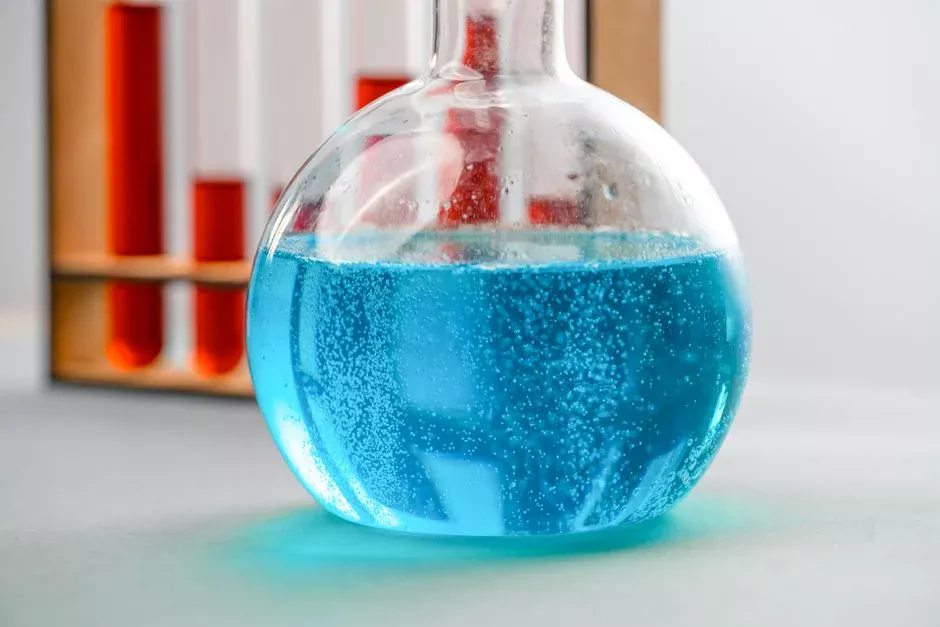
The biological stage is where the real mass balance happens, and method selection is driven by influent strength, footprint, and target effluent. The table below summarizes the six configurations an engineer will most often evaluate in 2026.
| Method | Influent BOD (mg/L) | Effluent BOD (mg/L) | Footprint vs CAS | Energy (kWh/m³) | CAPEX Tier | Best-Fit Industry |
|---|---|---|---|---|---|---|
| Conventional Activated Sludge (CAS) | 200–1,000 | 20–30 | 1.0× (baseline) | 0.3–0.6 | $ | Municipal, light industrial |
| MBBR | 200–2,000 | 15–30 | 0.5–0.7× | 0.3–0.5 | $$ | Variable-load, retrofits |
| MBR | 200–5,000 | <5 | 0.3–0.4× | 0.6–1.2 | $$$ | Reuse, pharma, electronics |
| SBR | 200–1,500 | 15–25 | 0.7–0.9× | 0.4–0.7 | $$ | Low-flow, batch operations |
| UASB / EGSB (anaerobic) | 2,000–20,000 | 200–800 (then aerobic polish) | 0.4–0.6× | 0.05–0.15 | $$ | Dairy, brewery, distillery |
| Trickling filter | 200–800 | 25–40 | 1.2–1.5× | 0.1–0.3 | $ | Cost-sensitive municipal |
Conventional activated sludge runs at F/M 0.2–0.5 kg BOD/kg MLSS·d, MLSS 1,500–3,000 mg/L, and HRT 4–8 h, typically delivering 85–95% BOD reduction. MBBR uses free-floating biofilm carriers at 30–70% fill, tolerates F/M up to 1.0, and eliminates sludge recycle lines, making it 30–50% smaller than CAS for the same load. MBR combines CAS with 0.1–0.4 μm PVDF ultrafiltration, holds MLSS at 8,000–12,000 mg/L, and routinely produces effluent below 5 mg/L BOD; a packaged MBR bioreactor system cuts civil footprint by roughly 60% compared to CAS at the same daily flow. SBR is a time-based batch variant of CAS with HRT 6–8 h, ideal for sites with intermittent discharge, but aeration still drives ~60% of OPEX (per the 2026 SBR plant operating cost breakdown). Anaerobic UASB/EGSB reactors operate at OLR 5–15 kg COD/m³·d and convert 60–90% of high-strength BOD into biogas, offsetting 30–60% of downstream aeration cost; the EGSB reactor design for high-strength dairy wastewater is a typical worked example. For modular small-flow sites, a package biological treatment plant integrates screening, biology, and clarification in a buried skid. Where MBR is selected, the MBR membrane module is the consumable spec to lock down for the 5–7-year replacement cycle.
Physical and Chemical Methods to Cut BOD Faster
Biology is the workhorse, but physical and chemical steps can shave weeks off a retrofit or rescue a footprint that biology alone cannot fit. DAF, coagulation, and chemical precipitation typically precede the biological reactor; activated carbon and ozonation polish the effluent.
DAF generates 30–80 μm micro-bubbles that lift TSS and FOG to the surface; surface loading 20–40 m³/m²·h is the design band, and the technology is the standard answer for FOG-heavy food-processing streams. Coagulation with PAC (50–200 mg/L) followed by anionic polyacrylamide (1–5 mg/L) drops colloidal BOD by 40–70% and reduces downstream aeration demand. Chemical precipitation with lime or NaOH adjusts pH to 7.0–8.0 ahead of the biological reactor when heavy metals would otherwise inhibit the biomass; an automated chemical dosing skid keeps the swing inside ±0.2 pH units. An inclined-plate sedimentation tank is the right primary clarifier for high-solids streams when DAF is overkill. For polishing, granular activated carbon (GAC) handles residual BOD down to about 50 mg/L economically; below that, ozonation at 2–4 mg O₃ per mg BOD removed becomes the cost-effective option, with 2026 OPEX typically $0.15–0.40/m³ of treated flow. The wastewater chemical cost optimization guide covers the dose-response curves and polymer selection behind these numbers.
Choosing the Right Method: A Decision Framework
Four questions map influent and site constraints to the right BOD removal train without re-reading the comparison table.
- Is influent BOD above 2,000 mg/L and biodegradable? Lead with anaerobic (UASB/EGSB) to cut 60–90% of the load, then add an aerobic polishing stage to hit discharge limits. Aeration energy falls by 50–70% versus an all-aerobic train.
- Is footprint under 0.3 m² per m³/day? Choose MBR or MBBR. CAS at that density will not fit, and the higher membrane cost pays back in civil work avoided.
- Is reuse-grade effluent required (<10 mg/L BOD)? Specify MBR + RO + UV or ClO₂. MBR alone delivers <5 mg/L BOD; adding RO drops conductivity and trace organics for boiler-feed or process reuse.
- High FOG or TSS above 400 mg/L? DAF pretreatment is mandatory. Sending raw FOG to an aeration tank crashes DO, fouls diffusers, and triggers bulking within days.
2026 Cost Benchmarks for BOD Removal
Cost bands let procurement and finance validate a process recommendation against capex envelope and lifecycle opex. The numbers below reflect 2026 market conditions for packaged plants in the 10–500 m³/day range.
| Cost Driver | Typical 2026 Range | Notes |
|---|---|---|
| Packaged biological plant CAPEX | $150–$1,200 per m³/day | Scales with effluent target; MBR at the top, CAS at the bottom |
| Aeration energy | 45–60% of OPEX | Per SBR plant operating cost breakdown; biggest single line item |
| Sludge handling | 15–25% of OPEX | Dewatering via plate and frame filter press, 1–500 m² area |
| Chemicals (PAC, polymer, NaOCl) | 5–15% of OPEX | Optimizable; see chemical cost optimization guide |
| MBR membrane replacement | Every 5–7 years | Budget 8–12% of installed MBR cost per cycle |
| RO membrane replacement | Every 3–5 years | Budget 15–20% of installed RO cost per cycle |
Anaerobic configurations shift the balance: biogas offsets 30–60% of aeration cost, pushing simple payback on the anaerobic capex premium into the 3–5 year range for dairy and brewery operators with thermal use for the methane.
Common Mistakes When Removing BOD from Industrial Wastewater

Five commissioning errors account for most biological BOD removal underperformance in industrial plants. Avoiding them is cheaper than retrofitting the fix.
- Skipping influent characterization. Guessing the BOD/COD ratio without measuring it leads to over-sized or under-sized reactors. Always run BOD₅, COD, TSS, ammonia, phosphorus, and a toxicity screen (heavy metals, phenols, sulfides) before sizing.
- Undersizing the EQ tank. Diurnal load swings halve effective BOD removal when biology sees a 3× shock feed. EQ at 6–12 h HRT is the minimum for two-shift operations.
- Ignoring temperature. Below 10°C, mesophilic biology slows by 50%+; above 30°C, bulking filamentous growth rises sharply. Reactor SRT and DO setpoints must be tuned for the site mean temperature, not copied from a textbook.
- No sludge-wasting plan. High SRT in CAS drives old, poorly settling sludge and rising SVI. Daily wasting to a plate and frame filter press keeps SRT in the 5–15 day window that pairs with 85–95% BOD removal.
- Using a municipal design for industrial effluent. Industrial streams often carry toxicants, lack nitrogen or phosphorus for biomass synthesis (BOD:N:P below 100:5:1 triggers incomplete treatment), or swing in pH. Screen for these and add nutrient dosing or equalized pH adjustment before the aeration tank.
Frequently Asked Questions
What BOD level is considered treated? Effluent of 20–30 mg/L BOD₅ satisfies most 2026 discharge standards (EU UWWTD, EPA 40 CFR 133, China GB 18918-2002 first-tier ≤20 mg/L). Reuse applications typically require <10 mg/L BOD₅, which MBR delivers as a baseline.
How long does biological BOD removal take? HRT runs 4–8 h in conventional activated sludge, 6–8 h in SBR, and 1–2 h in MBR at design loading. Anaerobic UASB/EGSB needs 6–24 h but operates at much higher volumetric loading.
Can BOD be removed without biology? Partially. DAF, coagulation, and activated carbon cut particulate, colloidal, and refractory BOD, but no non-biological method matches biological efficiency on soluble biodegradable organics at industrial scale.
What is the cheapest way to reduce BOD? Optimize equalization and aeration in an existing activated sludge basin. DO setpoint tuning, diffuser cleaning, and SRT adjustment typically deliver a 20–40% BOD drop at under $50/m³ annual OPEX impact.
How does MBR compare to CAS for BOD? MBR delivers effluent BOD <5 mg/L versus 20–30 mg/L for CAS, at 1.5–2× CAPEX but roughly 60% lower footprint. The full MBR vs conventional activated sludge comparison covers lifecycle cost. For sites with reuse targets or footprint constraints, MBR is the default specification; for cost-sensitive municipal flows, CAS remains competitive.
How is final effluent disinfected? UV and ClO₂ are the two standard options for 2026. A chlorine dioxide generator produces ClO₂ on-site at 1–5 mg/L residual, which is more effective than chlorine across a wider pH range and forms fewer DBPs.