EGSB Reactor Design for Dairy Wastewater: Why the Expanded Bed Wins
EGSB reactor design for dairy wastewater centers on five numbers: OLR 8-15 kg COD/m³/d, HRT 6-12 h, upflow 4-10 m/h, 85-95% COD removal, and 30-37°C mesophilic operation. DAF FOG removal to below 50 mg/L and MBR polishing complete the train.
The mechanical differentiator is upflow velocity. EGSB uses an effluent recirculation loop to drive liquid through the granular sludge bed at 4-10 m/h, expanding the bed 20-40% above settled height and improving mass transfer (Karnchanawong & Phajee, ResearchGate). UASB reactors operate below 1 m/h, which means longer contact time but larger reactor volume for the same load. For a dairy plant with a tight civil footprint, EGSB geometry typically halves reactor volume for equivalent organic removal.
Dairy effluent sits inside this design window. Influent COD of 3,000-10,000 mg/L (per ScienceDirect review of dairy treatment techniques) matches EGSB loading practice. Effluent from CIP and pasteurization condensers arrives at 30-45°C, inside the mesophilic optimum. Lactose and casein-based proteins granulate readily. Granular sludge with 1-3 mm diameter and SVI <20 mL/g forms within 4-8 weeks under steady loading, faster than brewery or starch streams because dairy's carbohydrate-to-protein ratio (roughly 1.5:1) supports both floc-forming and filamentous growth. Brewery EGSB studies treating 550-825 mg/L COD confirm the reactor tolerates variable-strength, high-carbohydrate streams (Applied Biochemistry and Biotechnology).
Three dairy-specific failure modes must be closed before selection. FOG above 200 mg/L causes sludge floatation and washout. Calcium from milk solids (150-300 mg/L as Ca²⁺) precipitates as grit and clogs the bed. Temperature shock from CIP cycles that drop influent by 10-15°C within minutes disrupts methanogenic activity. Each is manageable with engineered pre-treatment — which is why the dairy FOG pre-treatment DAF system is non-optional in the EGSB design basis.
EGSB Design Parameters for Dairy Plants: The 2026 Spec Sheet
EGSB design for dairy effluent is governed by five coupled parameters: organic loading, hydraulic retention time, upflow velocity, recirculation ratio, and temperature. The table below consolidates the working ranges used in 2026 dairy plant specifications. Treat these as the envelope — most plants we size for sit in the middle two quartiles, not at the published extremes.
| Parameter | Dairy EGSB Design Range (2026) | Engineering Note |
|---|---|---|
| Organic loading rate (OLR) | 8-15 kg COD/m³/d | Limit is FOG residual after DAF, not COD itself |
| Hydraulic retention time (HRT) | 6-12 h | 6 h at 35°C, 12 h at 30°C |
| Upflow velocity | 4-10 m/h | 6-8 m/h is the operational sweet spot |
| Reactor height | 15-24 m | Height-to-diameter ratio >4:1 for proper bed expansion |
| Reactor diameter | 3-6 m | Larger diameters risk channeling at high recirculation |
| Recirculation ratio | 1:1 to 3:1 (recirc:feed) | Higher ratio improves mixing but increases pumping kWh |
| Operating pH | 6.8-7.4 | Below 6.5 inhibits methanogens, above 7.6 risks NH₃ toxicity |
| Alkalinity ratio (ALK/VFA) | >0.3 as CaCO₃/VFA | Sufficient buffer to absorb organic shock from CIP cycles |
| Temperature | 30-37°C mesophilic | Dairy input 30-45°C reduces heating duty vs. municipal anaerobic |
| Biogas yield | 0.30-0.45 m³ CH₄/kg COD removed | Dairy biogas is ~65% CH₄, 35% CO₂, trace H₂S |
| Granule size | 1-3 mm diameter | VSS/TSS 0.7-0.9, SVI <20 mL/g |
Upflow velocity is the controlling variable, not HRT. Karnchanawong & Phajee's operational conditions table (ResearchGate) shows that for a fixed OLR, a 1 m/h increase in upflow velocity shifts removal efficiency by 5-8 percentage points until the washout threshold at roughly 12 m/h. Recirculation capacity — not reactor volume — is the first item to verify when reviewing vendor quotes. One calibration on loading: Wikipedia's EGSB overview lists typical loading rates of 15-30 kg COD/m³/d for general applications, while dairy practice stays at 8-15 kg COD/m³/d because FOG residual, not COD, sets the ceiling.
Biogas Yield EGSB Dairy Wastewater Benchmarks
Biogas yield of 0.30-0.45 m³ CH₄ per kg COD removed tracks dairy's carbohydrate-protein-fat balance. Whey plants run toward the high end (0.42-0.45) because lactose is highly methanizable. Cheese plants with high-fat whey run toward 0.30-0.35 because FOG recovery upstream reduces the methanizable load. The energy value at 35.8 MJ/m³ CH₄ is what closes the CAPEX case.
One ammonia watch-point belongs next to that yield model: total ammonia nitrogen above 1,700-1,800 mg/L inhibits methane production (Wikipedia, Anaerobic digestion), so protein-rich cheese streams deserve a TAN check in the design basis. Buyers who separately model how much cod is required in dairy wastewater to produce 2 millivolts should keep that energy calculation outside the hydraulic design envelope.
Mesophilic operation at 30-37°C aligns with dairy's natural effluent temperature. Wikipedia's anaerobic digestion overview puts the mesophilic optimum at 30-38 °C with ambient operation to 20-45 °C, bracketing the dairy window used here. Low-temperature EGSB research at 8-15°C (ResearchGate, low-strength wastewater study) shows COD removal collapses from 85% to 40-55% when temperature drops below 20°C. For a dairy plant, heating duty from 25°C winter influent to 33°C operating temperature is roughly 4-6 kWh per m³ treated — small relative to the biogas recovered.
Pre-Treatment and Post-Treatment: Building the Full Dairy Treatment Train
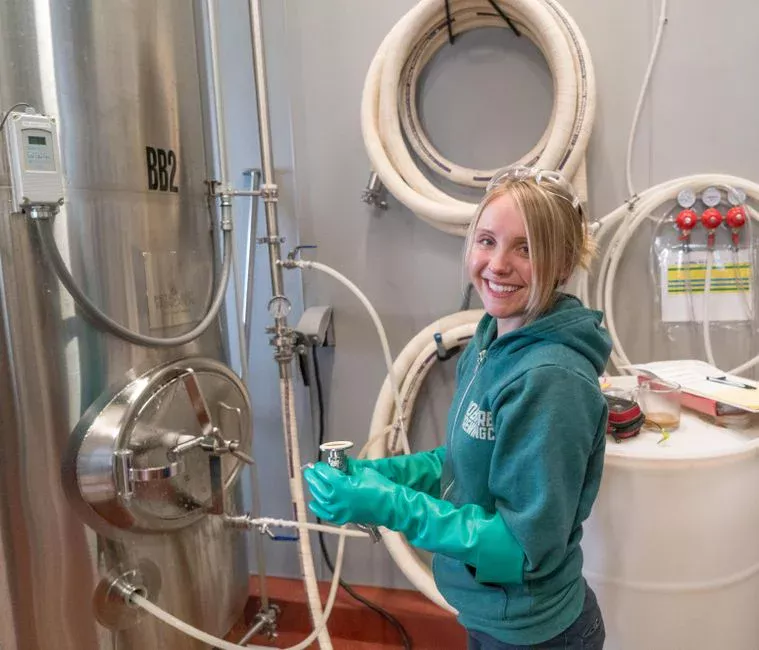
An EGSB reactor never operates alone in a dairy plant. The reactor removes 85-95% of the COD, but upstream and downstream unit operations decide whether the system meets discharge limits, runs without constant operator intervention, and stays inside the designed OLR envelope.
Dairy FOG Pre-Treatment DAF System Cost and Sizing
Upstream, FOG removal is the first gate. Raw dairy effluent carries 200-1,000 mg/L fats, oils, and grease — well above the 50 mg/L FOG threshold above which anaerobic granular sludge bed floatation and washout occur. A dairy FOG pre-treatment DAF system with 90-95% FOG removal drops residual below 50 mg/L and recovers a marketable tallow byproduct. Without DAF, EGSB operation above 10 kg COD/m³/d is unstable within 2-3 weeks. Budget $50,000-80,000 for a ~10 m³/h DAF with chemical dosing, per the cost table below.
Equalization buffers the hydraulic and organic shocks typical of dairy lines. CIP cycles, pasteurizer discharges, and product change-overs produce 2-4× peak-to-average flow variation, and COD can swing from 3,000 mg/L to 12,000 mg/L in a single shift. An equalization tank at 8-24 hours HRT smooths the load and protects EGSB kinetics. pH conditioning to 6.8-7.4 and temperature trim use a PLC-controlled pH and nutrient dosing system. Together they handle sub-30°C winter influent and acid CIP streams that would otherwise push the reactor below its operating pH floor.
Downstream, EGSB effluent of 300-800 mg/L COD and 50-150 mg/L BOD will not meet 2026 China GB 27631 (COD <50 mg/L for direct discharge) or EU Industrial Emissions Directive limits without polishing. An MBR post-polishing system with submerged PVDF membranes at <1 μm pore size delivers 95-98% additional COD removal. The footprint is about 60% smaller than conventional activated sludge and yields low-SS effluent fit for CIP pre-rinse or boiler feed.
EGSB vs UASB for Dairy Plant Upgrades: When to Pay More for the Expanded Bed
EGSB's higher capital cost buys smaller volume, higher load tolerance, and faster recovery from shocks. UASB is cheaper per cubic meter and proven over decades, but its 24-72 hour HRT for dairy effluent makes it a non-starter for plants with constrained plot space. The table below summarizes the engineering decision points for a dairy application specifically.
| Parameter | EGSB | UASB | Dairy Implication |
|---|---|---|---|
| OLR (kg COD/m³/d) | 8-15 | 4-8 | EGSB handles double the load per m³ |
| HRT (hours) | 6-12 | 24-72 | UASB needs 2-5× larger reactor volume |
| Upflow velocity (m/h) | 4-10 | 0.5-1.0 | EGSB requires recirculation pumps; UASB runs on influent head |
| Reactor height (m) | 15-24 | 4-8 | EGSB is a tall column, UASB is a squat tank |
| Civil footprint for 500 m³/d | ~70 m³ reactor volume | ~200 m³ reactor volume | EGSB saves roughly 60% of civil footprint |
| Granular sludge seeding | Required, 4-8 weeks to mature | Required, 8-16 weeks to mature | EGSB granulates faster due to high upflow |
| FOG tolerance | Limited; DAF to <50 mg/L | Limited; DAF to <50 mg/L | Both require upstream FOG removal |
| CAPEX envelope (2026) | $180-380 per m³/d | $80-180 per m³/d | EGSB premium is partly offset by smaller volume |
For a 500 m³/d dairy plant with effluent at 6,000 mg/L COD, EGSB reactor volume is roughly 70 m³ (OLR 12, recirculation 2:1) versus 200 m³ for a UASB at 5 kg COD/m³/d. At $2,500-4,000 per m³ of civil cost for a sealed anaerobic vessel, the EGSB civil saving is $300,000-500,000 — enough to cover most of the recirculation and control system premium. For the broader anaerobic technology comparison, see the UASB vs EGSB reactor selection guide.
UASB still wins in three scenarios: low-strength dairy streams below 3,000 mg/L COD where OLR differences shrink; capex-constrained plants where civil cost is not the bottleneck; and operations without granular sludge inoculum or experienced commissioning. Plants under 100 m³/d with low organic strength and ample land should default to UASB.
EGSB Reactor CAPEX Dairy Plant 2026: Benchmarks, OPEX, and Biogas Revenue
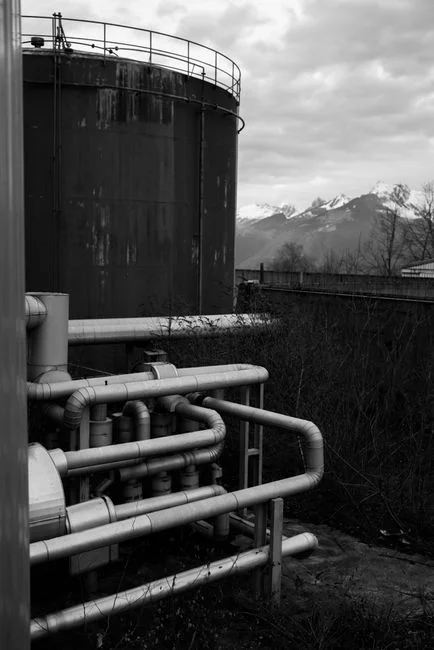
For a 2026 dairy plant project, turnkey EGSB installed cost runs $180-380 per m³/d of treatment capacity, depending on reactor volume, biogas utilization package, and the level of pre- and post-treatment integration. The table below breaks down the economics for a 500 m³/d cheese or whey plant at 6,000 mg/L COD influent.
| Cost Item | 2026 Range | Notes |
|---|---|---|
| EGSB reactor turnkey CAPEX | $90,000-190,000 | 70 m³ reactor + settler + piping |
| DAF pre-treatment CAPEX | $50,000-80,000 | ~10 m³/h DAF with chemical dosing |
| Equalization + pH/temperature conditioning CAPEX | $30,000-60,000 | 8-24 h HRT tank + heat exchangers |
| MBR polishing CAPEX | $60,000-120,000 | Submerged PVDF, 50 mg/L COD target |
| Biogas utilization (CHP or boiler) | $40,000-90,000 | Boiler is cheaper, CHP has higher ROI |
| Total installed CAPEX | $270,000-540,000 | Equivalent to $180-380 per m³/d |
| Annual OPEX (energy, chemicals, sludge, labor) | $60,000-110,000 | Pumping 30-40%, sludge 10-15%, chemicals 5-10% |
| Biogas energy offset | $50,000-120,000/yr | 0.35 m³ CH₄/kg COD × $0.30-0.50/m³ thermal |
| Net annual operating cost | Often negative in high-strength plants | Biogas offset > OPEX in whey applications |
| Payback vs. aerobic-only system | 2-4 years | Includes MBR footprint savings and biogas revenue |
The OPEX split tracks anaerobic reactor economics closely. Pumping energy for recirculation (1:1 to 3:1 ratio) consumes 30-40% of operating cost. Biogas utilization through a boiler or CHP unit offsets 40-60% of total OPEX. Sludge handling is 10-15% — well below aerobic systems because anaerobic sludge yield is 0.05-0.10 kg VSS/kg COD versus 0.30-0.40 for activated sludge. Chemicals (NaOH for pH, micronutrients) account for 5-10%. Net annual operating cost is often negative for whey plants because biogas energy value exceeds the entire OPEX line. (HydropureWater field data, 2026)
Payback against an aerobic-only activated sludge system with the same discharge quality runs 2-4 years for most dairy plants when both biogas revenue and the MBR footprint reduction are credited. The comparison gets stronger as influent COD rises: above 8,000 mg/L, anaerobic EGSB + MBR is roughly 40-50% cheaper on a 10-year lifecycle basis than activated sludge alone.
Who This Is For / Next Step
This guide is for dairy plant engineers and EPC teams sizing anaerobic upgrades above about 100 m³/d with influent COD above 3,000 mg/L and limited plot space. Plants below that flow with low-strength effluent and ample land should start with UASB instead.
Before an RFQ on any EGSB reactor design for dairy wastewater duty, confirm FOG after DAF is below 50 mg/L and lock OLR inside 8-15 kg COD/m³/d. Verify recirculation can hold 6-8 m/h upflow, size equalization for 8-24 h HRT, and state the discharge permit (GB 27631 COD <50 mg/L or local EU permit). To size a dairy EGSB train against your COD, flow, and discharge limit, send the load sheet through our request a dairy EGSB design quote form.
Frequently Asked Questions
What dairy wastewater COD removal with EGSB can a plant expect?
EGSB reactors deliver 85-95% COD removal on dairy effluent at OLR 8-15 kg COD/m³/d and HRT 6-12 hours. An independently published dairy EGSB dataset reports average COD removal of 88%, inside that band (ResearchGate). Residual COD is typically 300-800 mg/L and still needs MBR polishing for direct discharge. These ranges match HydropureWater field data from 2026 dairy commissioning packages.
What FOG concentration can an EGSB reactor tolerate?
EGSB reactors tolerate FOG below 50 mg/L at the reactor inlet. Dairy influent at 200-1,000 mg/L therefore needs DAF pre-treatment that removes 90-95% FOG before the anaerobic stage. Without that cut, bed floatation and washout appear within 2-3 weeks at loadings above 10 kg COD/m³/d. The recovered grease leaves as saleable tallow, which partly offsets the DAF operating cost.
Mesophilic or psychrophilic operation — which suits dairy?
Mesophilic operation at 30-37°C is the dairy standard because plant effluent typically arrives at 30-45°C. Wikipedia's anaerobic digestion overview puts the mesophilic optimum at 30-38 °C with ambient operation to 20-45 °C, which brackets the dairy window. Psychrophilic runs at 8-15°C drop COD removal from about 85% to 40-55% and are rarely specified for milk plants (per low-temperature EGSB research, ResearchGate 2024-12).
How long does EGSB granular sludge take to mature on dairy feed?
EGSB granular sludge reaches 1-3 mm diameter and SVI <20 mL/g within 4-8 weeks of steady dairy loading. That timeline is faster than municipal or brewery feedstocks because milk-based streams carry a carbohydrate-protein balance that supports granulation under high upflow. Order seed sludge early, because the 4-8 week clock only starts once loading and pH control are stable.
Is an MBR always required after EGSB for dairy plants?
Yes for direct discharge. EGSB effluent at 300-800 mg/L COD must be polished to <50 mg/L for 2026 China GB 27631 (COD <50 mg/L, NH₃-N <5 mg/L). Many EU local permits also tighten the Industrial Emissions Directive outlet COD of 125 mg/L down to 50 mg/L. Submerged MBR delivers that quality in the smallest footprint; see the 2026 EU industrial discharge standards reference.