Package Wastewater Treatment Plants in Minnesota USA: 2025 Engineering Guide with Costs, Compliance & Vendor Checklist
Minnesota has over 600 regulated wastewater facilities under NPDES and SDS permits, but package plants are increasingly favored for small towns, industrial parks, and remote sites due to their compact footprint (as small as 100 sq. ft. for 5,000 GPD systems) and rapid deployment (8–12 weeks vs. 18+ months for conventional plants). In 2025, package plants in Minnesota must achieve effluent limits of <30 mg/L BOD₅, <30 mg/L TSS, and <1 mg/L ammonia-N to comply with MPCA standards. This guide provides engineering specs, cost benchmarks, and a vendor checklist to help engineers and planners select the right system for their project.
Why Minnesota Municipalities Are Switching to Package Wastewater Treatment Plants
The Minnesota Pollution Control Agency (MPCA) identified 87 municipal lagoon systems in 2024 that are currently operating under consent orders or are at high risk of failing to meet updated ammonia and phosphorus standards. Historically, rural Minnesota towns relied on multi-cell lagoon systems; however, these systems struggle with nitrogen removal during the state’s extended cold-weather periods, often leading to seasonal violations of Total Suspended Solids (TSS) and E. coli limits. Package plants offer a controlled environment that maintains biological activity even when ambient temperatures drop to -30°F.
A primary driver for the adoption of package systems is the significant reduction in construction timelines and land requirements. For example, the 2023 upgrade of the Pelican Rapids Wastewater Treatment Facility, a project valued at approximately $4.3 million, demonstrated the necessity of high-performance infrastructure to meet stringent effluent requirements while managing a compact site. Unlike conventional activated sludge plants that require extensive on-site concrete work and large clarifiers, a compact A/O package plant for Minnesota’s cold climate can be delivered as pre-fabricated modules, reducing site disruption by up to 60%.
The modular scalability of package plants (typically ranging from 500 to 500,000 GPD) allows for phased expansion, which is essential for industrial parks or growing communities like Aurora. These systems can be installed below-grade to minimize visual impact and provide natural insulation against the frost line. However, engineers must account for influent variability—particularly in regions like Brainerd or the North Shore where seasonal tourism can cause hydraulic surges of 300% or more. To mitigate this, many Minnesota package plants integrate equalization tanks and automated controls to maintain steady-state operations during peak loads.
Minnesota Wastewater Treatment Standards: What Package Plants Must Achieve
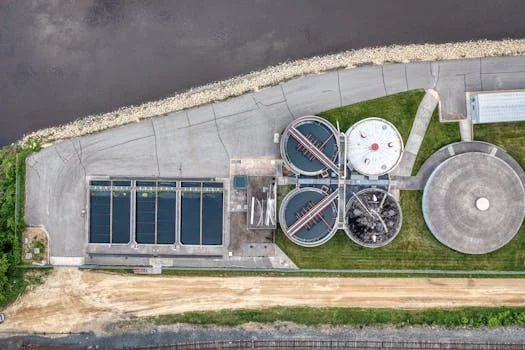
The MPCA issues National Pollutant Discharge Elimination System (NPDES) and State Disposal System (SDS) permits that dictate the performance requirements for any package plant operating in the state. According to the 2024 MPCA Effluent Limits Guidance, most small-scale facilities are held to secondary treatment standards at a minimum, though many are now required to meet "Advanced Secondary" or "Tertiary" limits if discharging into sensitive watersheds or trout streams.
Cold-weather biological kinetics are a critical regulatory hurdle in Minnesota. The MPCA typically requires a 1.5x safety factor for design capacity if the biological reactor temperature is expected to drop below 10°C (50°F). Package plant manufacturers often solve this by using insulated tank walls (R-19 or higher) and heat-tracing for exposed piping. nitrogen removal is now a standard requirement; winter ammonia-N limits are often set at <1.0 mg/L to protect aquatic life during low-flow winter conditions in receiving streams.
| Parameter | Standard Limit (MPCA) | Advanced/Sensitive Limit | Monitoring Frequency |
|---|---|---|---|
| BOD₅ (5-Day) | <30 mg/L | <5–10 mg/L | Weekly/Monthly |
| TSS (Total Suspended Solids) | <30 mg/L | <10 mg/L | Weekly/Monthly |
| Ammonia-N (Winter) | <1.0 mg/L | <0.5 mg/L | 2x Monthly |
| Ammonia-N (Summer) | <2.0 mg/L | <1.0 mg/L | 2x Monthly |
| E. coli | <126 cfu/100mL | <126 cfu/100mL | Seasonal (Apr–Oct) |
| Total Phosphorus | <1.0 mg/L | <0.3 mg/L | Monthly |
Permitting timelines remain a significant factor in project planning. An SDS permit for land application or subsurface discharge typically takes 3 to 6 months, while an NPDES permit for surface water discharge can require 6 to 12 months, including a mandatory 30-day public comment period. For facilities generating biosolids, the 2025 MPCA update emphasizes Class A biosolid production through integrated dewatering, such as a plate and frame filter press, which significantly reduces the volume of waste destined for land application or landfilling.
Package Wastewater Treatment Plant Technologies: Which One Fits Your Minnesota Project?
Selecting the correct biological process is contingent upon the specific effluent limits and the operational capacity of the facility. In Minnesota, four primary technologies dominate the package plant market, each with distinct advantages regarding footprint, energy intensity, and cold-weather resilience.
Membrane Bioreactor (MBR): This technology combines biological treatment with membrane filtration, producing the highest effluent quality (<5 mg/L BOD₅ and <2 mg/L TSS). An MBR package plant for sensitive receiving waters in Minnesota is ideal for the Lake Superior watershed or projects requiring water reuse. While MBRs have a 60% smaller footprint than conventional systems, they consume more energy (0.8–1.2 kWh/m³) and require membrane replacement every 5–8 years, costing approximately $0.05–$0.10 per treated gallon. For more details, see this in-depth guide to MBR systems for U.S. projects.
Sequencing Batch Reactor (SBR): SBRs operate in cycles (fill, react, settle, decant) within a single tank. This flexibility makes them excellent for handling variable hydraulic loads from seasonal industries or small municipalities like Red Wing. SBRs consume 30% less energy than MBRs (0.5–0.8 kWh/m³) but require equalization tanks to manage continuous influent flows. Their ability to adjust cycle times via automated controls allows for optimized nutrient removal, even as temperatures fluctuate.
Anoxic/Oxic (A/O) Systems: These are the most common choice for lagoon upgrades in rural Minnesota due to their low energy use (0.3–0.6 kWh/m³) and simplicity. While they have a larger footprint and produce more sludge than MBRs, they are highly effective at ammonia removal when sized correctly for cold-weather Solids Retention Time (SRT). They are often the most cost-effective solution for meeting standard <30/30 mg/L limits.
Dissolved Air Flotation (DAF): While not a standalone biological solution for municipal sewage, a DAF pretreatment for Minnesota’s food processing and industrial facilities is essential for removing Fats, Oils, and Grease (FOG) and high TSS before the water enters a biological package plant. This is particularly relevant for meatpacking or dairy facilities in Southern Minnesota, where DAF can remove over 95% of insoluble contaminants.
| Technology | Effluent Quality (BOD/TSS) | Energy Use (kWh/m³) | Footprint | MN Climate Suitability |
|---|---|---|---|---|
| MBR | <5 / <2 mg/L | 0.8–1.2 | Smallest | High (Enclosed/Heated) |
| SBR | <15 / <15 mg/L | 0.5–0.8 | Medium | High (Cycle Control) |
| A/O | <25 / <25 mg/L | 0.3–0.6 | Large | Moderate (Needs Insulation) |
| DAF (Pre-treat) | 95% TSS Removal | 0.2–0.4 | Small | High (Industrial) |
Engineering Specifications for Package Plants in Minnesota: Capacity, Footprint, and Effluent Quality
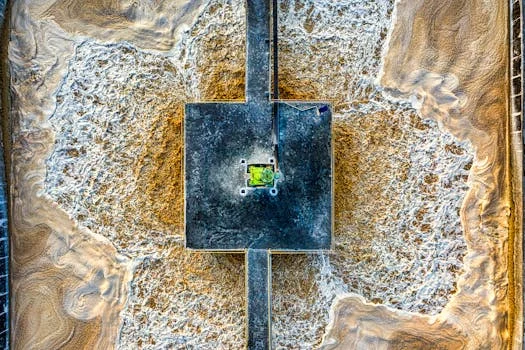
Engineering a package plant for the Minnesota climate requires specific attention to hydraulic peaking factors and thermal protection. For municipal applications, systems are generally sized for an Average Daily Flow (ADF) but must be capable of handling a Peak Hourly Flow (PHF) of 3x to 4x ADF, especially in areas with aging collection systems prone to Inflow and Infiltration (I&I) during spring snowmelt.
Footprint requirements vary by technology, but as a rule of thumb, an MBR system requires approximately 0.1 to 0.2 square feet per GPD of capacity. In contrast, an SBR or A/O system may require 0.3 to 0.5 square feet per GPD. For a 50,000 GPD system, an MBR plant might occupy only 5,000 to 7,500 square feet, including service clearances, whereas a conventional system could exceed 25,000 square feet. This comparison is detailed further in this detailed comparison of package and conventional plants.
| System Capacity (GPD) | MBR Footprint (sq. ft.) | SBR Footprint (sq. ft.) | Energy (kWh/year) | Sludge (lbs/day) |
|---|---|---|---|---|
| 10,000 | 800–1,200 | 1,500–2,000 | 11,000–16,000 | 10–15 |
| 50,000 | 4,000–6,000 | 7,000–9,000 | 55,000–80,000 | 50–75 |
| 100,000 | 8,000–11,000 | 14,000–18,000 | 110,000–160,000 | 100–150 |
Sludge production is another critical engineering parameter. Package plants typically produce 0.1 to 0.3 lbs of TSS per lb of BOD removed. In Minnesota, the management of this sludge is strictly regulated by the MPCA’s biosolids program. Smaller plants often utilize aerobic digestion followed by dewatering via a filter press to achieve 20-30% cake solids, which minimizes transportation costs for landfilling or land application.
Cost Breakdown: Package Wastewater Treatment Plants in Minnesota (2025 Data)
Budgeting for a package plant in Minnesota involves three primary components: capital equipment costs, installation/site work, and long-term O&M. For 2025, equipment costs for high-quality package systems range from $1.50 to $4.00 per GPD of treatment capacity. MBR systems sit at the high end of this range due to membrane and control complexity, while SBR and A/O systems are more economical.
Installation costs in Minnesota are heavily influenced by "winterization" requirements. Excavation below the frost line (typically 42–60 inches), insulated enclosures for blowers and controls, and heat-traced piping can add 20–30% to the base installation cost. For a 50,000 GPD MBR system, a realistic budget breakdown would be:
Operational costs (O&M) generally range from $0.20 to $0.80 per 1,000 gallons treated. For a 50,000 GPD system, annual O&M would be approximately $15,000 to $25,000, covering electricity, chemicals (polymer/alum), and part-time labor. To calculate ROI, municipalities should compare these costs against the potential fines for non-compliance or the massive capital outlay required for a conventional regional plant. A package plant often pays for itself within 7–10 years when compared to the $5M+ price tag of a small-scale conventional concrete plant.
Funding is available through the MPCA Clean Water Revolving Fund, which provides low-interest loans, and the USDA Rural Development grants for communities under 10,000 residents. Minnesota’s Point Source Implementation Grants (PSIG) can also cover up to 80% of eligible project costs for facilities facing new, more stringent permit limits.
Vendor Selection Checklist: How to Choose a Package Plant Supplier for Minnesota Projects
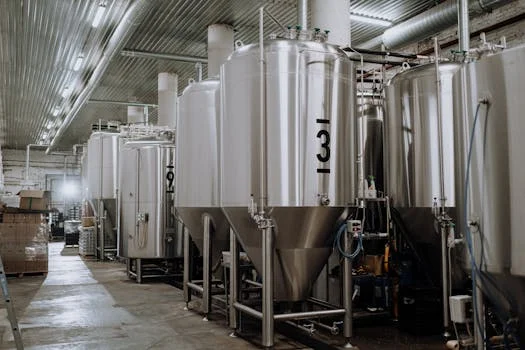
Choosing a vendor for a Minnesota-based project requires more than just comparing equipment prices. The extreme temperature range and specific MPCA reporting requirements demand a supplier with a proven track record in cold climates. Use the following checklist to evaluate potential partners:
- MPCA Compliance: Can the vendor provide certified performance data demonstrating <1 mg/L ammonia-N removal in liquid temperatures below 10°C?
- Cold-Weather Engineering: Does the standard package include R-19 tank insulation, heat tracing for external lines, and NEMA 4X rated control panels for outdoor or unheated indoor placement?
- Permitting Support: Will the vendor provide an Engineering Report (ER) or Facility Plan suitable for MPCA submittal? Do they offer pilot testing if required for unique industrial influent?
- Operational Automation: Does the system feature remote monitoring (SCADA) with mobile alerts? This is vital for remote Minnesota sites where daily on-site visits are impractical during winter storms.
- Local Service and Warranty: Is there a service technician within a 4-hour drive of the site? Does the warranty cover equipment for at least 2 years and include on-site operator training?
- Scalability: Can the system be expanded by adding additional modules without replacing the initial control infrastructure?
Engineers should also consider how package plants perform in cold climates like Colorado to gain additional insight into high-altitude or sub-zero operational challenges that are mirrored in Northern Minnesota.
Frequently Asked Questions
How many wastewater treatment plants are in Minnesota?
Minnesota has approximately 600 regulated municipal wastewater facilities and over 1,000 industrial permittees regulated by the MPCA. Many of the smaller facilities are transitioning from lagoons to package plants to meet nitrogen and phosphorus limits.
What is a package sewage treatment plant?
A package sewage treatment plant is a pre-engineered, factory-assembled system used to treat wastewater. It typically includes all necessary biological reactors, clarifiers, and disinfection stages in a modular, often skid-mounted or containerized format.
Can package plants operate in -30°F Minnesota winters?
Yes, provided they are engineered with proper insulation, submerged aeration (which adds heat to the water), and potentially supplemental heating for the influent. Below-grade installation is the most effective way to utilize the earth’s natural 45–50°F temperature for insulation.
What is the typical lifespan of a package plant?
The structural steel or reinforced plastic tanks typically last 20–30 years. Mechanical components like blowers and pumps have a lifespan of 7–10 years, and membranes (in MBR systems) usually last 5–8 years depending on maintenance.