Package Wastewater Treatment Plants in Colorado USA: 2025 Engineering Specs, Costs & Compliance Guide
A package wastewater treatment plant in Colorado is a pre-engineered, modular system designed for flows from 10,000 to 5,000,000 gallons per day (GPD), combining biological treatment, sedimentation, and disinfection in a single unit. Colorado projects like Berthoud’s 2023 expansion use these systems to meet DEP discharge limits (e.g., 30 mg/L BOD, 30 mg/L TSS) while reducing footprint by up to 60% compared to conventional plants. Key technologies include MBR (membrane bioreactors) for reuse-quality effluent and DAF (dissolved air flotation) for industrial pretreatment, with costs ranging from $1.2M–$8M for 50,000–500,000 GPD systems (2025 Colorado benchmarks).
Why Colorado Projects Are Choosing Package Wastewater Treatment Plants in 2025
Package wastewater treatment plants offer a practical and cost-effective solution for Colorado's unique challenges, including rapid population growth, stringent environmental regulations, and diverse terrain. For instance, Berthoud’s 2023 plant expansion from 0.5 MGD to 1.2 MGD was expedited to serve the significant eastern growth, demonstrating the need for scalable and rapidly deployable infrastructure. While major facilities like Denver’s Robert W. Hite Treatment Facility serve over 2 million people, package plants are increasingly vital for satellite communities, remote developments, and industrial sites not connected to centralized municipal systems.
Colorado’s permitting timeline for conventional plants can extend beyond 24 months, whereas package plants often secure Colorado DEP approval within 6–18 months due to their pre-engineered nature and proven performance. The DEP’s permit application process typically involves a detailed engineering report, discharge permit application (CDPS), and public notice period (contact DEP Water Quality Control Division for specific guidance). Colorado's varied terrain, from mountainous ski resorts to expansive rural areas, benefits significantly from the modularity of package plants. These systems can be transported in trailers to remote sites like mining camps or ski resorts, or even installed underground with minimal surface footprint, such as the WSZ Series underground option, allowing for landscaping above. For flows under 1 MGD, package plants typically offer 30–40% lower CAPEX compared to custom-built conventional plants, with 2025 Colorado cost benchmarks reflecting these savings.
Package Wastewater Treatment Plant Technologies: MBR vs DAF vs Integrated A/O for Colorado Use Cases
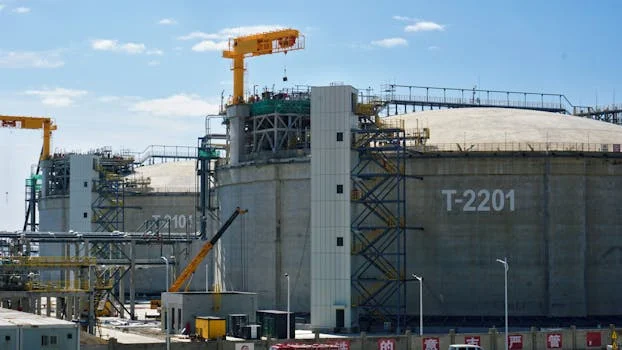
Selecting the appropriate package wastewater treatment technology is critical for meeting specific effluent quality targets and operational demands in Colorado, whether for municipal discharge, industrial pretreatment, or water reuse. MBR (Membrane Bioreactor) systems for Colorado reuse projects, such as HydropureWater's DF Series modules, utilize PVDF membranes with 0.1 μm filtration to produce exceptionally high-quality effluent, typically less than 1 mg/L TSS and 5 mg/L BOD. This quality is ideal for Colorado's growing water reuse initiatives, including irrigation for golf courses and parks, or cooling tower make-up water, with energy consumption ranging from 0.8–1.2 kWh/m³.
DAF (Dissolved Air Flotation) systems for Colorado industrial pretreatment achieve over 95% TSS and FOG (Fats, Oils, and Grease) removal. These systems are crucial for industrial facilities such as food processing plants (e.g., breweries in Fort Collins, meatpacking in Greeley) or metalworking operations, helping them meet Colorado DEP pretreatment standards, which often mandate influent parameters below 300 mg/L BOD and 300 mg/L TSS before discharge to a municipal sewer. DAF systems utilize micro-bubble technology and can handle flows from 4–300 m³/h. For residential communities, hotels, or rural areas in Colorado, underground package plants for Colorado residential communities (Integrated A/O systems like the WSZ Series) combine biological contact oxidation and sedimentation in a single, often buried unit. These systems are designed for flows from 1–80 m³/h and can reduce footprint by up to 50% compared to conventional aeration basins, blending seamlessly into the landscape.
The MBR process typically involves screening, followed by aeration, membrane filtration, and disinfection, yielding effluent suitable for advanced reuse applications, such as treating ski resort wastewater for snowmaking. DAF systems, in contrast, focus on physicochemical separation, often involving chemical dosing (coagulation/flocculation) before air injection and flotation, effective for brewery effluent with high FOG. Integrated A/O systems utilize anaerobic and aerobic zones for biological nutrient removal before sedimentation. Limitations include MBR's requirement for skilled operators and membrane cleaning, DAF's reliance on chemical dosing and sludge handling, and A/O systems' struggle with high-strength industrial waste (e.g., influent BOD >500 mg/L).
| Technology | Primary Use Case (Colorado) | Key Benefit | Typical Influent Parameters | Typical Effluent Quality | Energy Use (kWh/m³) |
|---|---|---|---|---|---|
| MBR (DF Series) | Municipal/Commercial Reuse (e.g., irrigation, cooling towers) | Reuse-quality effluent, small footprint | BOD: 150-300 mg/L, TSS: 100-250 mg/L | BOD: <5 mg/L, TSS: <1 mg/L | 0.8-1.2 |
| DAF | Industrial Pretreatment (e.g., food processing, metal finishing) | High TSS/FOG removal, rapid separation | TSS: 200-2000 mg/L, FOG: 50-500 mg/L | TSS: <50 mg/L, FOG: <10 mg/L | 0.3-0.5 |
| Integrated A/O (WSZ Series) | Residential/Rural Communities (e.g., subdivisions, hotels) | Compact, often buried, reliable biological treatment | BOD: 100-250 mg/L, TSS: 80-200 mg/L | BOD: <20 mg/L, TSS: <20 mg/L | 0.2-0.4 |
Colorado Package Plant Technical Specifications: Flow Rates, Removal Efficiencies & Footprint
Understanding the technical specifications of package wastewater treatment plants is essential for civil engineers and planners in Colorado to accurately size and integrate these systems into new developments or existing infrastructure. Package plants in Colorado are typically designed for flow rates ranging from 10,000 to 5,000,000 GPD. For example, a 200-home subdivision might require a 50,000 GPD system, while a large food processing plant could necessitate a 500,000 GPD capacity to manage its industrial discharge effectively.
Removal efficiencies are critical for compliance with Colorado DEP limits, which often stipulate 30 mg/L BOD and 30 mg/L TSS for surface water discharge, with variations based on receiving water body classification and specific permit conditions. MBR systems consistently achieve 99% BOD/TSS removal, producing effluent often suitable for direct reuse. DAF systems excel in industrial pretreatment with over 95% TSS/FOG removal. Integrated A/O systems typically provide around 90% BOD removal, suitable for general municipal discharge. The compact nature of these systems significantly reduces the required land area; MBR systems typically require 0.5–1.0 ft²/GPD, DAF 0.2–0.5 ft²/GPD, and A/O 0.3–0.8 ft²/GPD, which is substantially less than the 2–3 ft²/GPD needed for conventional treatment plants.
Energy consumption is a significant operational cost. MBR systems generally consume 0.8–1.2 kWh/m³, DAF systems 0.3–0.5 kWh/m³, and A/O systems 0.2–0.4 kWh/m³. With Colorado electricity costs ranging from $0.12–$0.18/kWh (2025 data), energy efficiency directly impacts OPEX. Sludge production also varies by technology: MBR systems produce 0.1–0.2 kg TSS/kg BOD removed, DAF 0.3–0.5 kg TSS/kg BOD removed, and A/O 0.2–0.4 kg TSS/kg BOD removed. Effective sludge management often involves dewatering options like a plate and frame filter press to reduce volume and disposal costs.
| Parameter | MBR System | DAF System | Integrated A/O System | Conventional Plant Comparison |
|---|---|---|---|---|
| Typical Flow Range (GPD) | 10,000 - 1,000,000 | 10,000 - 500,000 | 10,000 - 250,000 | >500,000 - Multi-MGD |
| BOD Removal Efficiency | >99% | Up to 80% (Pretreatment) | >90% | >90% |
| TSS Removal Efficiency | >99% | >95% | >90% | >90% |
| Footprint (ft²/GPD) | 0.5 - 1.0 | 0.2 - 0.5 | 0.3 - 0.8 | 2.0 - 3.0 |
| Energy Use (kWh/m³) | 0.8 - 1.2 | 0.3 - 0.5 | 0.2 - 0.4 | 0.3 - 0.6 (per m³ treated) |
| Sludge Production (kg TSS/kg BOD Removed) | 0.1 - 0.2 | 0.3 - 0.5 | 0.2 - 0.4 | 0.2 - 0.4 |
Cost Breakdown for Package Wastewater Treatment Plants in Colorado (2025 Data)
Budgeting for a package wastewater treatment plant in Colorado requires a detailed understanding of both capital expenditures (CAPEX) and operational expenditures (OPEX), alongside a clear picture of permitting and financing. For 50,000–500,000 GPD systems, CAPEX typically ranges from $1.2M–$8M, based on 2025 Colorado benchmarks. This cost generally breaks down into equipment (approximately 60%), installation (20%), permitting and engineering (10%), and a contingency fund (10%). Equipment costs are influenced by the chosen technology, with MBR systems often having a higher initial equipment cost due to membrane components.
Operational expenses (OPEX) for package plants in Colorado typically fall between $0.50–$2.00 per 1,000 gallons treated. The largest components of OPEX include energy (around 40%), chemicals (20% for systems requiring dosing), labor (15%), routine maintenance (15%), and sludge disposal (10%). Colorado's specific labor rates and material costs for installation and maintenance influence these figures. Permitting costs, covering both Colorado DEP and local county approvals, can range from $50,000–$200,000, depending on project complexity and required studies. The permitting timeline often involves environmental impact assessments, engineering design reviews, and public comment periods, adding to the overall project duration.
Calculating the Return on Investment (ROI) often involves comparing a package plant to the alternative of extending a municipal sewer line. For a remote site, connecting to an existing sewer system could cost $3M for 10 miles of pipeline (based on Colorado labor/material costs), whereas a package plant solution might be $1.5M, yielding significant upfront savings. Financing options are available to help manage these costs. The Colorado Water Conservation Board offers loans for water infrastructure projects, while USDA Rural Development provides grants and loans for rural wastewater systems. The EPA Clean Water State Revolving Fund (SRF) also provides low-interest financing for eligible projects (contact the Colorado Department of Public Health and Environment for SRF program details).
| Cost Category | Typical Range (50,000-500,000 GPD System, 2025 Colorado) | Breakdown Component |
|---|---|---|
| CAPEX (Total) | $1.2M – $8M | |
| Equipment | 60% of CAPEX | Treatment modules, pumps, controls, tanks |
| Installation | 20% of CAPEX | Site prep, civil work, piping, electrical, startup |
| Permitting & Engineering | 10% of CAPEX | Design, DEP permits, local approvals |
| Contingency | 10% of CAPEX | Unforeseen costs |
| OPEX (per 1,000 gallons treated) | $0.50 – $2.00 | |
| Energy | 40% of OPEX | Electricity for pumps, blowers, controls |
| Chemicals | 20% of OPEX | Coagulants, flocculants, disinfectants |
| Labor | 15% of OPEX | Operator wages, routine checks |
| Maintenance | 15% of OPEX | Parts, repairs, preventative maintenance |
| Sludge Disposal | 10% of OPEX | Hauling, landfill fees |
| Permitting Costs (Total) | $50,000 – $200,000 | DEP, local county, engineering reports |
Colorado Compliance Checklist: DEP, EPA Region 8 & Local Permits for Package Plants
Navigating Colorado’s regulatory landscape is a critical step for any package wastewater treatment plant project, requiring adherence to state, federal, and local standards. The Colorado Department of Public Health and Environment (CDPHE) Water Quality Control Division (WQCD) sets primary discharge limits, commonly requiring effluent to meet 30 mg/L BOD, 30 mg/L TSS, and 200 CFU/100mL fecal coliform for surface water discharge. These limits can vary significantly for reuse applications, which often demand much higher quality effluent (e.g., non-detect for pathogens, lower nutrient levels) depending on the specific reuse purpose (e.g., irrigation vs. potable reuse).
Industrial users operating package plants for pretreatment must comply with categorical limits under the DEP’s Industrial Pretreatment Program, such as a 300 mg/L BOD limit for food processing waste before discharge to a municipal sewer (refer to South Platte Renew’s industrial pretreatment guidelines for detailed local standards). EPA Region 8, which covers Colorado, may impose additional nutrient limits (e.g., 10 mg/L total nitrogen, 1 mg/L total phosphorus) for plants discharging into impaired waters, as identified on the state’s 303(d) list. This requires advanced treatment technologies for nutrient removal.
Local permits are also crucial and vary by county. Boulder County, for example, has specific stormwater management plan requirements for new developments, while Denver may offer green infrastructure incentives that could influence site design. Key contacts for local requirements include: Denver (Denver Water), Colorado Springs (Colorado Springs Utilities), Aurora (Aurora Water), Fort Collins (City of Fort Collins Utilities), and Lakewood (City of Lakewood Public Works). Continuous monitoring of pH, flow, and turbidity is often mandated, with automated chemical dosing systems, such as an automated chemical dosing system for Colorado compliance, essential for maintaining consistent effluent quality. DEP reporting frequency typically requires monthly reports for plants with flows greater than 1 MGD and quarterly reports for those below 1 MGD.
Choosing a Package Wastewater Treatment Plant Supplier for Colorado Projects
Selecting the right package wastewater treatment plant supplier for Colorado projects involves a comprehensive evaluation based on regional experience, technological fit, and long-term support. A robust supplier checklist should prioritize vendors with a proven track record of projects in Colorado cities like Denver, Colorado Springs, and Fort Collins, demonstrating familiarity with state and local regulations. It's essential that the supplier's technologies are DEP-approved and that they possess a strong local service network to ensure rapid response times for maintenance and operational support. Financing assistance, including guidance on Colorado Water Conservation Board loans or USDA grants, can also be a significant advantage.
The technology offered by the supplier must align with the project's specific needs. MBR systems are ideal for projects targeting water reuse (e.g., a new resort aiming for sustainable water management), DAF systems are best suited for industrial pretreatment applications (e.g., a new brewery needing to meet stringent discharge limits), and A/O systems are often the most cost-effective and discreet choice for residential communities or small commercial developments. Reputable suppliers provide comprehensive warranty and service agreements, typically including a 2-year equipment warranty, a 1-year performance guarantee, and 24/7 remote monitoring capabilities, similar to the support models offered by providers like Newterra's 'Plant in a Box' support system. Cost transparency is paramount; request itemized quotes that clearly separate equipment, installation, and permitting costs. Compare OPEX estimates carefully, as hidden costs like unexpected chemical usage or high sludge disposal fees can significantly impact long-term budgets.
A structured decision framework can help evaluate potential suppliers:
- Technology Fit: Does the supplier's core technology (MBR, DAF, A/O) align precisely with your project's effluent quality and use-case requirements?
- Cost & ROI: Is the CAPEX competitive, and are the OPEX estimates realistic for Colorado's energy and labor costs? What is the projected ROI compared to alternatives?
- Compliance & Permitting: Does the supplier have experience navigating Colorado DEP, EPA Region 8, and specific county permits? Can they provide references for successful permitting?
- Service & Support: What are the warranty terms, and what local service network is available for installation, startup, and ongoing maintenance? Is 24/7 remote monitoring offered?
- Financing Assistance: Can the supplier assist in identifying and applying for state or federal financing programs relevant to Colorado?
| Decision Criteria | Weight (1-5) | Score (1-5) | Notes (e.g., Colorado-specific considerations) |
|---|---|---|---|
| Technology Fit & Performance | 5 | MBR for reuse, DAF for high industrial TSS/FOG, A/O for general residential. Match Colorado DEP limits. | |
| Total Cost (CAPEX + OPEX) | 4 | Transparent breakdown, realistic OPEX for Colorado utilities/labor, long-term ROI. | |
| Colorado Compliance & Permitting Experience | 5 | Track record with Colorado DEP, EPA Region 8, and local county permits. | |
| Local Service & Warranty | 4 | Local technicians, 24/7 remote monitoring, comprehensive equipment & performance warranties. | |
| Project Management & Financing Support | 3 | Assistance with project planning, grant applications (e.g., CWCB, USDA). |
Frequently Asked Questions
What is a package sewage treatment plant?
A package sewage treatment plant is a modular, pre-engineered system that integrates multiple wastewater treatment processes, such as biological treatment, sedimentation, and disinfection, into a compact unit for flows typically ranging from 10,000 to 5,000,000 GPD. These systems are designed for rapid deployment and often used in remote areas or for new developments not connected to centralized municipal sewers.
What are the main types of package wastewater treatment plants used in Colorado?
In Colorado, the primary types are MBR (Membrane Bioreactor) systems for high-quality effluent and water reuse, DAF (Dissolved Air Flotation) systems for industrial pretreatment with high TSS/FOG, and Integrated A/O (Anoxic/Oxic) systems for residential and small community applications, often installed underground for minimal footprint.
How much does a package wastewater treatment plant cost in Colorado?
For systems treating 50,000–500,000 GPD, the capital expenditure (CAPEX) in Colorado typically ranges from $1.2M–$8M, with operational costs (OPEX) between $0.50–$2.00 per 1,000 gallons treated, reflecting 2025 benchmarks and local market conditions.
What are the key Colorado DEP discharge limits for package plants?
For surface water discharge, typical Colorado DEP limits are 30 mg/L for both BOD (Biochemical Oxygen Demand) and TSS (Total Suspended Solids), and 200 CFU/100mL for fecal coliform. These limits can be more stringent for water reuse applications or discharges to impaired waters.
How do package plants help with Colorado's water reuse goals?
MBR package plants are particularly effective for water reuse because they produce effluent of exceptional quality (<1 mg/L TSS, <5 mg/L BOD), meeting stringent Colorado reuse water standards for applications such as irrigation, industrial cooling, and even indirect potable reuse after further treatment.