Why Uganda’s Industries Need DAF Systems: Compliance and Cost Pressures
NEMA’s 2025 wastewater discharge regulations, specifically Statutory Instrument 2023/155, mandate that industrial facilities in Uganda maintain Total Suspended Solids (TSS) below 50 mg/L and Fats, Oils, and Grease (FOG) below 30 mg/L to avoid heavy financial penalties. DAF (Dissolved Air Flotation) systems are critical for industrial wastewater treatment in Uganda, achieving 92–97% removal of suspended solids (TSS), fats/oils/grease (FOG), and biochemical oxygen demand (BOD) at flow rates of 4–300 m³/h. In Uganda, DAF systems are widely used in food processing, textiles, and breweries to comply with NEMA’s strict discharge limits. This guide provides 2025 engineering specs, cost benchmarks (CAPEX: $50,000–$500,000; OPEX: $0.10–$0.30/m³), and a step-by-step selection framework for Ugandan industries.
The economic pressure for compliance is mounting as the National Water and Sewerage Corporation (NWSC) has intensified its monitoring of industrial effluent. Non-compliant factories face surcharges ranging from UGX 500 to UGX 2,000 per cubic meter for every parameter that exceeds the legal threshold. For a medium-sized brewery discharging 500 m³/day, these fines can quickly exceed UGX 150 million annually. A case study of a Kampala-based textile factory demonstrates the ROI: by installing a DAF system, they reduced influent TSS from 800 mg/L to 25 mg/L, effectively avoiding UGX 120 million per year in fines and surcharges while protecting the local ecosystem.
In the current Ugandan market, three primary sectors drive DAF adoption. Food processing plants, including dairy and edible oil refineries, account for 45% of installations due to high FOG concentrations. Textile manufacturers represent 30%, utilizing DAF to remove dyes and fibers, while breweries and beverage plants make up 15%, focusing on the removal of spent grains and yeast residues.
| Parameter | Typical Raw Effluent (Food Processing) | NEMA 2025 Discharge Limit | DAF Removal Efficiency |
|---|---|---|---|
| Total Suspended Solids (TSS) | 800–1,500 mg/L | <50 mg/L | 95–98% |
| Fats, Oils, and Grease (FOG) | 200–600 mg/L | <30 mg/L | 97–99% |
| BOD5 | 1,200–2,500 mg/L | <30 mg/L | 70–85% (with coagulation) |
| COD | 2,500–5,000 mg/L | <100 mg/L | 60–80% |
How DAF Systems Work: Engineering Principles for Ugandan Operators
Dissolved Air Flotation (DAF) operates on the principle of reducing the effective density of suspended particles by attaching them to micro-bubbles ranging from 30 to 50 μm in diameter. This process begins with chemical conditioning, where PLC-controlled chemical dosing for DAF optimization introduces coagulants like Polyaluminum Chloride (PAC) to destabilize particles. This is followed by flocculation, where polymers bridge these particles into larger "flocs." The heart of the system is the saturation vessel, which dissolves air into a recycle stream of treated water at high pressure (4–6 bar). When this air-saturated water is released into the DAF tank at atmospheric pressure, millions of micro-bubbles form, carrying the flocs to the surface for mechanical skimming.
Engineering benchmarks for Ugandan industrial applications require specific air-to-solids (A/S) ratios. According to 2024 EPA-aligned standards used in East Africa, an A/S ratio of 0.02 to 0.05 is optimal for most industrial flocs. For operators in Uganda, chemical dosing must be calibrated to the specific waste stream. Textile wastewater typically requires PAC dosing of 10–50 mg/L and anionic polymer at 0.5–2 mg/L. In contrast, breweries often require Ferric Chloride at 20–80 mg/L to handle high phosphate and organic loads. For high-efficiency separation, many plants utilize DAF systems for Ugandan industrial wastewater which are designed to handle these specific chemical variations.
Hydraulic loading rates (HLR) are a critical design parameter for Ugandan plants. For food processing facilities with high-FOG wastewater, the HLR should be maintained between 5 and 10 m/h to ensure sufficient rise time for oily particles. For municipal pre-treatment or low-TSS industrial applications, the rate can be increased to 8–12 m/h. Maintaining these parameters ensures that the sludge generated—which can be further processed using sludge dewatering solutions for DAF-generated sludge—is highly concentrated, reducing disposal costs.
| Engineering Parameter | Typical Range for Uganda | Impact on Performance |
|---|---|---|
| Micro-bubble Diameter | 30–50 μm | Determines rise velocity and attachment efficiency |
| Recycle Ratio | 15%–30% | Provides the necessary air volume for flotation |
| Saturation Pressure | 4.0–6.0 bar | Controls the volume of dissolved air |
| Retention Time | 20–40 minutes | Allows for complete separation of solids |
DAF vs. Alternatives: Which System Fits Uganda’s Industrial Needs?
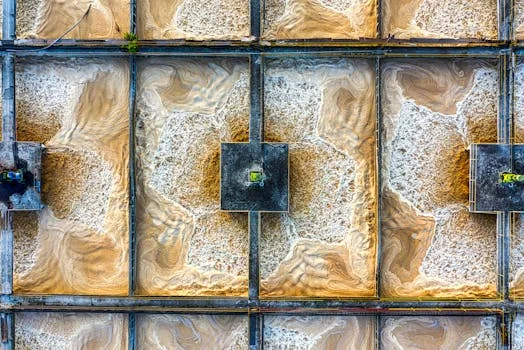
DAF systems occupy approximately 25% of the footprint required by conventional sedimentation tanks while achieving 30-40% higher removal efficiencies for low-density solids like grease and protein-based flocs. In the Ugandan context, where industrial land in Kampala or Namanve Industrial Park is expensive, the compact nature of DAF is a significant advantage. While sedimentation relies on gravity to settle heavy particles, DAF uses buoyancy to lift light particles, making it the superior choice for dairies, slaughterhouses, and breweries where solids are often neutrally buoyant.
When comparing DAF to Membrane Bioreactors (MBR), the decision usually rests on the required effluent quality. An MBR system is ideal for breweries seeking water reuse for cooling or floor washing, as it produces ultra-clean water. However, DAF is significantly more cost-effective as a primary treatment stage to meet NEMA discharge limits. A dairy plant in Jinja recently replaced their failing sedimentation tanks with a DAF system. The result was a 60% reduction in sludge volume and a saving of UGX 35 million per year in chemical costs, as the DAF system required less coagulant to achieve the same clarity. For facilities with simpler needs, high-efficiency sedimentation tanks remain a viable option for heavy inorganic solids.
It is important to note that DAF has limitations. It is not suitable for wastewater with TSS concentrations exceeding 2,000 mg/L without significant dilution or pre-screening, nor is it effective for heavy metal removal (concentrations >10 mg/L) without specialized chemical precipitation stages. For these complex streams, a multi-stage approach is required.
| Feature | DAF System | Sedimentation | MBR System |
|---|---|---|---|
| Footprint | Small | Large | Medium |
| FOG Removal | Excellent (>95%) | Poor (<50%) | Good (requires pre-treatment) |
| CAPEX | Moderate | Low | High |
| OPEX | Moderate (Power/Chem) | Low (Chem) | High (Power/Membrane) |
| Best Use Case | Food, Oils, Textiles | Mining, Municipal | Water Reuse, High-BOD |
2025 Cost Breakdown: DAF System Pricing in Uganda
The total cost of ownership for a DAF system in Uganda is comprised of a CAPEX investment ranging from $50,000 to $500,000 and an operational expenditure (OPEX) between $0.10 and $0.30 per cubic meter of treated water. For a standard 4 m³/h system suitable for a small food processing unit, the initial investment starts at approximately $50,000. Large-scale industrial systems capable of 300 m³/h can reach $500,000, which typically includes civil works, automated control panels, and commissioning. These prices are influenced by Uganda’s import landscape, where equipment is subject to 18% VAT and approximately 10% import duty, though some industrial machinery may qualify for exemptions under the Uganda Investment Authority (UIA) incentives.
Operational costs in Uganda are dominated by chemical consumption (40%) and electricity (30%). PAC and polymers must often be imported, making their price sensitive to exchange rate fluctuations. Labor accounts for 20% of OPEX, while routine maintenance, including pump seals and scraper blade replacements, makes up the final 10%. To maximize ROI, many Ugandan firms are moving toward automation to reduce chemical waste.
A typical ROI calculation for a 50 m³/h textile plant in Uganda shows a payback period of approximately 2.5 years. This calculation factors in the avoidance of NEMA fines (approx. UGX 100M/year), reduced NWSC surcharges, and the potential for recycling up to 40% of the treated water back into non-critical processes like cooling or initial fabric rinsing. Using Uganda’s top package wastewater treatment plants for smaller facilities can further reduce the initial civil engineering costs through pre-fabricated designs.
| System Capacity | Estimated CAPEX (USD) | Estimated OPEX (USD/m³) | Primary Cost Drivers |
|---|---|---|---|
| 4 – 20 m³/h | $50,000 – $150,000 | $0.25 – $0.30 | Chemicals, Manual Labor |
| 20 – 100 m³/h | $150,000 – $300,000 | $0.15 – $0.22 | Power, Automation |
| 100 – 300 m³/h | $300,000 – $500,000 | $0.10 – $0.15 | Maintenance, Power |
Compliance Checklist: Meeting Uganda’s Wastewater Regulations with DAF
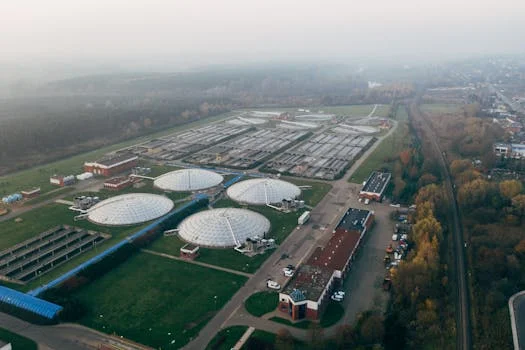
Uganda’s National Environment Management Authority (NEMA) requires industrial operators to demonstrate 90%+ removal efficiency for specific pollutants before granting a discharge permit for effluent entering public sewers or natural water bodies. To ensure your DAF system remains compliant, operators must adhere to a strict monitoring and documentation schedule. This includes quarterly sampling by an ISO 17025-certified laboratory and, for plants exceeding 100 m³/h, the installation of real-time TSS and pH sensors as recommended by NWSC’s 2025 guidelines.
Key compliance steps for Ugandan DAF installations:
- pH Adjustment: Ensure effluent pH is maintained between 6.5 and 8.5. DAF performance often drops outside this range, leading to NEMA violations.
- Pre-treatment: Use coarse screening (3–6 mm) to remove large solids that can clog the DAF saturation pump.
- Sludge Management: Sludge from DAF systems must be disposed of at NEMA-approved landfills or processed via composting if organic. It cannot be discharged into the municipal sewer.
- Documentation: Maintain a daily log of chemical dosing rates, flow volumes, and weekly in-house TSS tests to provide as evidence during NEMA inspections.
Selecting a DAF Supplier in Uganda: 2025 Vendor Evaluation Framework
Selecting a DAF vendor for the Ugandan market requires an evaluation of the supplier's ability to navigate local import logistics, provide 24-hour technical support, and guarantee compliance with NWSC effluent standards. Many buyers are forced to choose between local distributors, Chinese manufacturers, and European brands. Chinese manufacturers often offer the best balance of cost and technology, typically providing 20–30% lower prices than European counterparts while maintaining high removal efficiencies. However, the lack of local spare parts can be a risk, so ensuring the vendor has a regional service partner is essential.
When evaluating a vendor, check for "red flags" such as a lack of case studies within East Africa or an inability to provide specific chemical dosing requirements for Ugandan water hardness levels. Ask direct questions: "What is your guaranteed TSS removal for textile dye waste?" or "Do you provide NEMA-ready design reports?" Comparing how other regions handle similar challenges, such as how Ghana’s industries use DAF for high-FOG wastewater, can also provide perspective on global best practices adapted for African markets.
| Selection Criteria | Weighting | Ideal Requirement |
|---|---|---|
| Technical Expertise | 30% | Documented 95% removal in similar Ugandan industries |
| After-Sales Support | 25% | Local service center or 48-hour technician arrival |
| Compliance Knowledge | 20% | Familiarity with NEMA 2023/155 standards |
| Lead Time | 15% | 8–12 weeks including shipping to Mombasa/Kampala |
| Cost Transparency | 10% | Clear breakdown of CAPEX, duties, and 5-year OPEX |
Frequently Asked Questions
What is the efficiency of DAF in COD removal for Ugandan breweries?
DAF systems typically achieve 85–92% COD removal in breweries when influent COD is between 1,000 and 3,000 mg/L. This efficiency is highly dependent on effective coagulation and flocculation to convert soluble organics into floatable solids, as noted in 2024 studies by Makerere University.
How much does a DAF system cost for a 20 m³/h food processing plant in Uganda?
For a 20 m³/h capacity, the CAPEX ranges from $120,000 to $180,000. This includes the stainless steel DAF unit, automated chemical dosing station, air saturation system, and basic installation. Prices vary based on the level of automation and the material of construction (SS304 vs SS316).
What are the 7 steps of a water treatment plant in Uganda?
The standard sequence is: 1. Screening (removal of large debris), 2. Coagulation (chemical destabilization), 3. Flocculation (clumping of particles), 4. Sedimentation or DAF (solids separation), 5. Filtration (sand or multi-media), 6. Disinfection (chlorine or UV), and 7. Sludge treatment (dewatering and disposal).
Can DAF systems handle Uganda’s hard water?
Yes, DAF systems handle hard water effectively, but high calcium levels (>300 mg/L) can interfere with some polymers. This requires pH adjustment and the occasional use of anti-scalants in the air saturation vessel to prevent nozzle clogging.
What are the four types of water treatment used in Uganda?
The four types are: Physical (screening, grit removal), Chemical (coagulation, chlorination), Biological (activated sludge, anaerobic digestion), and Advanced (MBR, Reverse Osmosis, and DAF for specialized industrial separation).