Angola’s Industrial Wastewater Challenge: Why Treatment is Non-Negotiable
Industrial wastewater treatment in Angola is critical for compliance with INEA’s Decree 51/04, which sets strict limits for oil (TPH < 10 mg/L), mining (heavy metals < 0.5 mg/L), and food processing (BOD < 50 mg/L) effluents. The country’s oil sector alone generates 1.2 million m³/day of produced water, requiring advanced systems like DAF (95% TSS removal) or MBR (99% pathogen reduction) to avoid fines up to $500,000. Local challenges—high salinity, limited infrastructure, and energy costs ($0.12/kWh)—demand tailored solutions with payback periods under 3 years.
In regions like Cabinda and Soyo, the oil and gas industry faces a massive volume-to-compliance gap. According to 2024 Sonangol data, produced water often contains Total Petroleum Hydrocarbons (TPH) levels as high as 500 mg/L. This is 50 times the legal discharge limit set by the National Environmental Management Agency (INEA). Discharging this untreated water into the Atlantic or local aquifers results in severe ecological damage and immediate regulatory intervention. For instance, a Cabinda-based refinery was fined $320,000 in 2023 for repeated TPH violations, illustrating that the cost of non-compliance far exceeds the investment in robust primary and secondary treatment.
The mining sector, particularly diamond operations in Lunda Norte and Lunda Sul, faces different but equally pressing hurdles. Acid Rock Drainage (ARD) frequently results in effluent with a pH below 3.0 and heavy metal concentrations (Arsenic, Lead, Cadmium) that exceed the INEA 0.5 mg/L threshold. SGS Angola data indicates that without chemical neutralization and high-density sludge processing, these pollutants migrate into local river systems, triggering fines under Decree 7/09. food and beverage processing plants near Luanda and Benguela produce high-strength organic wastewater with Biological Oxygen Demand (BOD) levels reaching 800 mg/L, necessitating advanced aerobic treatment before municipal discharge or environmental release.
| Industry Sector | Primary Pollutant | Typical Raw Effluent | INEA Limit (Decree 51/04) | Risk Level |
|---|---|---|---|---|
| Oil & Gas (Produced Water) | TPH (Hydrocarbons) | 200–500 mg/L | < 10 mg/L | Critical |
| Diamond/Iron Mining | Heavy Metals (Pb, Cd, As) | 2.0–5.5 mg/L | < 0.5 mg/L | High |
| Food Processing (Fish/Coffee) | BOD / COD | 300–800 mg/L | < 50 mg/L (BOD) | Moderate |
| Textile Manufacturing | TSS / Color | 500–1,200 mg/L | < 30 mg/L (TSS) | High |
Angola’s Wastewater Regulations: INEA Standards and Compliance Checklist
The regulatory framework in Angola is governed primarily by Decree 51/04, which provides the legal basis for environmental licensing and effluent discharge standards. Compliance is monitored by INEA, and the agency has recently intensified field audits in industrial zones like Viana and the Port of Lobito. To maintain a "License to Operate," facilities must provide evidence of consistent effluent quality that meets specific physicochemical parameters.
Monitoring requirements are stringent. For high-impact sectors like oil and mining, weekly sampling is mandatory. For food processing and general manufacturing, monthly reporting is typically required. It is essential that all laboratory analysis is conducted by INEA-certified facilities. Currently, recognized labs such as SGS in Luanda and Intertek in Lobito are the primary providers for these services. Failure to use a certified lab can invalidate a compliance report, leading to administrative penalties even if the water is technically clean.
Discharge permits are valid for a period of two years and are contingent upon a baseline Environmental Impact Assessment (EIA). Renewal fees range from $5,000 to $20,000, depending on the industrial classification and volume of discharge. For facilities in water-scarce regions like Namibe, the government has introduced "Zero Liquid Discharge" (ZLD) incentives. These include tax breaks for companies implementing systems that achieve over 95% water recovery, such as combined MBR and Reverse Osmosis (RO) configurations.
The penalty structure is designed to be punitive. A first-time violation of effluent limits can result in a fine between $50,000 and $100,000. Repeat offenses often trigger the maximum fine of $500,000 and can lead to a mandatory 30-day facility shutdown. In the mining sector, Decree 7/09 allows for even stricter penalties, including the permanent revocation of mining concessions if heavy metal contamination is found to be systemic and unmitigated.
| Parameter | INEA Limit (Industrial) | Monitoring Frequency | Non-Compliance Penalty |
|---|---|---|---|
| pH | 6.0 – 9.0 | Daily (Continuous preferred) | $50,000+ |
| BOD5 | < 50 mg/L | Monthly | $50,000+ |
| COD | < 150 mg/L | Weekly | $100,000+ |
| TSS | < 30 mg/L | Weekly | $50,000+ |
| TPH (Oil & Grease) | < 10 mg/L | Weekly | $200,000+ |
| Heavy Metals (Total) | < 0.5 mg/L | Weekly (Mining/Oil) | $300,000+ |
Treatment Technologies for Angola’s Key Industries: DAF vs. MBR vs. Chemical Dosing
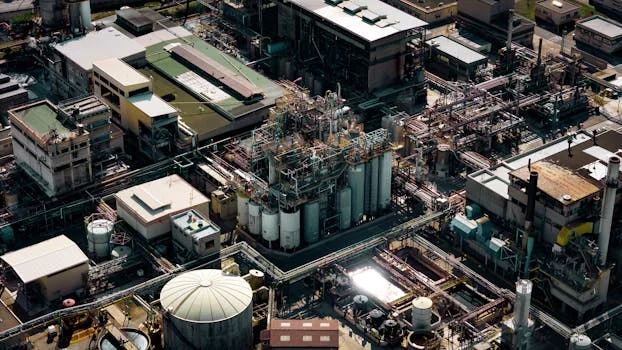
Selecting the correct technology requires a balance between removal efficiency, energy consumption, and the ability to handle Angola’s specific environmental conditions, such as high ambient temperatures and saline intake water. Engineers must evaluate whether a physical, biological, or chemical approach—or a hybrid of these—is most cost-effective for their specific pollutant profile.
Oil & Gas (Produced Water Treatment): For offshore platforms and FPSOs, space is the primary constraint. DAF systems for Angola’s oil and food processing industries are the industry standard, capable of removing 95% of Total Suspended Solids (TSS) and 90% of TPH. These units use micro-bubbles to float oil particles to the surface for mechanical skimming. For onshore refineries requiring higher purity for reuse, MBR systems for Angola’s onshore refineries and municipal reuse offer a superior footprint-to-performance ratio, achieving TPH levels below 5 mg/L. However, MBR requires a stable power supply, often necessitating backup generators given Angola’s energy grid challenges.
Mining (ARD and Heavy Metal Removal): The High-Density Sludge (HDS) process is the most effective method for treating acidic, metal-laden wastewater from diamond and iron ore mines. By recycling a portion of the settled sludge back into the neutralization tank, the process increases the density of the precipitates, resulting in 99% heavy metal removal. For mines in the arid South (Namibe), Reverse Osmosis (RO) is often added after HDS to remove Total Dissolved Solids (TDS), enabling 100% water recycling. This is crucial for avoiding the high costs of water haulage in desert regions.
Food Processing (Organic Load Removal): For fish processing in Namibe or coffee production in Uíge, the primary goal is BOD reduction. Traditional aerobic biological treatment (A/O) is effective but has a large footprint. DAF is frequently used as a pre-treatment to remove 85% of Fats, Oils, and Grease (FOG) before the biological stage. In many cases, chemical dosing systems for Angola’s mining and textile industries are integrated to enhance flocculation, especially when dealing with fluctuating organic loads. A diamond mine in Lunda Norte recently reported reducing Cadmium from 2.1 mg/L to 0.03 mg/L using a combination of HDS and precision dosing, effectively avoiding $450,000 in potential annual fines.
| Technology | Best For | Removal Efficiency | Energy Use | Relative CAPEX |
|---|---|---|---|---|
| DAF | Oil, FOG, TSS | 90–95% | Low (0.5–1 kWh/m³) | Medium |
| MBR | BOD, COD, Bacteria | 98–99% | High (3–5 kWh/m³) | High |
| Chemical Dosing | Metals, pH, Flocculation | 70–85% | Very Low | Low |
| HDS (Mining) | Heavy Metals, Acid | > 99% | Medium | Very High |
Cost Benchmarks for Industrial Wastewater Systems in Angola (2025 Data)
Budgeting for wastewater treatment in Angola requires accounting for high logistics costs and the premium on imported specialized chemicals. CAPEX (Capital Expenditure) typically includes the equipment, international shipping to Luanda or Lobito, and local installation. OPEX (Operational Expenditure) is dominated by energy costs and chemical reagents.
For a standard 50–200 m³/h DAF system, CAPEX ranges from $250,000 to $1,000,000. Installation typically adds another 10–15% to the total project cost. MBR systems are more expensive, ranging from $500,000 to $2,000,000 for similar capacities, with an additional annual membrane replacement cost of $50,000 to $150,000. Mining-specific HDS systems are the most capital-intensive, often exceeding $3,000,000 for high-volume operations due to the need for large-scale lime silos and specialized clarifiers.
On the operational side, energy is a significant factor. While the average industrial rate is $0.12/kWh, remote sites relying on diesel generators may see effective rates of $0.35/kWh. Chemical costs also fluctuate based on supply chain stability. Lime for pH adjustment is relatively affordable at $200–$300 per ton, but specialized flocculants can cost up to $4,000 per ton when imported. Labor costs for trained operators in Luanda typically range from $1,500 to $3,000 per month. For a more detailed cost and compliance guide for MBR systems in Angola, engineers should factor in a 5-year membrane lifecycle to calculate the true ROI.
| Cost Component | DAF System (100 m³/h) | MBR System (100 m³/h) | HDS System (Mining) |
|---|---|---|---|
| Estimated CAPEX | $450,000 – $750,000 | $800,000 – $1.2M | $1.5M – $3.0M |
| Energy Cost (Annual) | $40,000 – $60,000 | $120,000 – $180,000 | $80,000 – $100,000 |
| Chemicals (Annual) | $30,000 – $50,000 | $15,000 – $25,000 | $100,000 – $250,000 |
| Maintenance (% of CAPEX) | 3% | 5% (incl. membranes) | 4% |
| Total OPEX/m³ | $0.45 – $0.75 | $0.85 – $1.50 | $0.60 – $2.00 |
ROI is often realized faster than expected. A Sonangol refinery in Lobito that implemented a $1M MBR system reported a payback period of just 3.2 years. This was achieved by saving $300,000 annually in INEA fines and reducing freshwater intake costs by 40% through high-quality water reuse for cooling towers. Similar ROI profiles are seen in the agricultural sector, particularly when using POME treatment solutions for Angola’s agricultural sector.
How to Select the Right Wastewater Treatment System for Your Angola Facility
Selecting a system is an exercise in risk management and technical matching. The decision framework must account for the raw effluent characteristics, the desired end-use (discharge vs. reuse), and the local operational constraints unique to the Angolan market.
Step 1: Define Your Effluent Profile. Conduct a comprehensive 7-day composite sampling of your waste stream. Test for pH, TSS, BOD, COD, TPH, heavy metals, and salinity. In coastal regions like Soyo, salinity can exceed 35,000 mg/L TDS, which can inhibit biological activity in standard MBR systems unless salt-tolerant microbes are utilized. Use INEA-approved labs such as SGS Luanda or Intertek Lobito to ensure the data is legally defensible.
Step 2: Match Technology to Industry. If you are in the oil sector, prioritize oil-water separation. DAF is ideal for offshore, while MBR is the gold standard for onshore refineries aiming for reuse. For mining, prioritize heavy metal precipitation via HDS. If you are operating a food processing plant, focus on BOD removal. If space is limited, MBR is 60% more compact than traditional Aerobic (A/O) systems, making it ideal for facilities in congested industrial zones like Viana.
Step 3: Evaluate Local Constraints. Power reliability is the most common failure point for advanced treatment plants in Angola. If your facility does not have a stable 24/7 grid connection, MBR may require an additional $50,000 investment in automated backup power to prevent membrane fouling during outages. check the lead times for chemical supplies. While lime and basic coagulants are available in Luanda, specialized flocculants may have a 4–6 week import lead time.
Step 4: Calculate ROI and Long-Term Compliance. Compare the CAPEX/OPEX of each system against the cost of INEA fines and water procurement. In Namibe, a fish processing plant reduced its water costs by 55% by implementing a ZLD system, achieving a payback in under 2 years. When evaluating global standards, it is helpful to see how South Korea’s advanced wastewater regulations compare to Angola’s to anticipate future regulatory tightening in the Southern African region.
| If your priority is... | And your constraint is... | The recommended system is... |
|---|---|---|
| INEA Compliance (Oil) | Limited Space (Offshore) | DAF + Chemical Dosing |
| Water Reuse (Industrial) | High Organic Load | MBR (Membrane Bioreactor) |
| Heavy Metal Removal | High Volume (Mining) | HDS (High Density Sludge) |
| Low Operating Cost | Unreliable Power Grid | DAF + Filtration |
| Zero Liquid Discharge | Water Scarcity (Namibe) | MBR + Reverse Osmosis |
Frequently Asked Questions
What is the main industry in Angola?
Angola’s economy is dominated by the oil and gas sector, which accounts for approximately 90% of exports. However, mining (diamonds and iron ore), agriculture (coffee and fish processing), and manufacturing (textiles and food) are significant and growing contributors. Each of these industries generates unique wastewater challenges, from petroleum hydrocarbons in the oil sector to heavy metals in mining and high organic BOD in food processing.
What are the three types of industrial wastewater treatment?
Industrial treatment is categorized into physical, chemical, and biological methods. Physical treatment includes DAF and filtration to remove solids and oils. Chemical treatment involves coagulation, flocculation, and pH adjustment to neutralize toxins and precipitate metals. Biological treatment, such as MBR or aerobic digestion, uses microorganisms to break down organic pollutants. Most Angolan industrial facilities use a combination, such as DAF followed by MBR for refineries, or HDS followed by RO for mines.
How much does an industrial wastewater treatment plant cost in Angola?
CAPEX ranges from $50,000 for small chemical dosing units to over $3,000,000 for large-scale mining HDS plants. OPEX typically falls between $0.30 and $2.00 per cubic meter of treated water. For example, a 200 m³/h DAF system for an oil facility costs approximately $800,000 to install, with an average operating cost of $0.50/m³ including energy and chemicals.
What are the penalties for non-compliance with Angola’s wastewater regulations?
Under Decree 51/04, first-time offenders face fines of $50,000 to $100,000. Repeat violations can escalate to $500,000 and include a 30-day facility shutdown. The mining sector faces even stricter enforcement under Decree 7/09, where severe environmental damage can lead to the loss of mining licenses. A diamond mine in Lunda Norte recently paid $450,000 for exceeding Cadmium limits, highlighting the rigor of INEA enforcement.
Can industrial wastewater be reused in Angola?
Yes, wastewater reuse is encouraged, particularly in water-stressed regions like Namibe. However, it requires INEA approval and must meet specific safety standards. MBR and RO systems are the preferred technologies for reuse, as they produce water with TSS < 1 mg/L and BOD < 5 mg/L, suitable for cooling towers, dust suppression, and irrigation. ZLD systems are specifically incentivized with tax breaks for high-recovery performance.