What Treatment Does a Tiruppur Data Center Actually Need?
A Tiruppur data center normally needs blowdown segregation and equalization, side-stream solids filtration, biological and chemical control, membrane-compatible pretreatment, and a defined route for recovered water or concentrate. At 4 cycles of concentration, approximately 25-30% of makeup water is lost to blowdown, according to Genesis Water Technologies, making CTBD a material facility-wide water stream. The answer is not simply an RO skid: the selected train must fit the draft TNPCB consent, source-water analysis, cooling-water chemistry, discharge access, and WUE objective. Before ordering, obtain the design IT load, design PUE, makeup-water analysis, peak wet-bulb temperature, target cycles of concentration, measured blowdown flow, and draft consent conditions. UF/RO reuse is the first option to evaluate; partial or full ZLD is needed when the residual concentrate cannot lawfully be discharged.
The non-negotiable design elements are therefore upstream of the membranes. A blowdown-only RO package without equalization, side-stream filtration, chemical review, antiscalant control, concentrate management, or biological-risk documentation leaves important operating and permit risks unresolved.
For the recovery train, evaluate hollow-fiber ultrafiltration pretreatment followed by an industrial RO blowdown-recovery system. Thermal ZLD should remain a separately engineered scope because it introduces evaporation, crystallization, solid-waste management, and a different procurement risk profile.
Map the Tiruppur Wastewater and Water Balance
A complete site water balance must show how evaporation, drift, blowdown, freshwater makeup, recovered-water return, and residual discharge interact; otherwise recovered water can be counted twice.
Map cooling-tower blowdown separately from makeup-water treatment residuals, softener regeneration brine, generator or heat-exchanger cooling bleed, and any humidification or process-water RO reject. The supplied HydropureWater Tirunelveli guide states that treating CTBD alone can leave 20-30% of the on-site water liability unmanaged; that four-stream warning is transferable to a Tiruppur FEED, although the actual percentages must be calculated from site data.
Use the makeup-water analysis to establish baseline TDS, hardness, silica, alkalinity, chloride, suspended solids, turbidity, biological indicators, and treatment-chemical residuals. Size equalization around measured peak blowdown and variable cooling operation. The research does not provide a universal Tiruppur flow factor, so equipment flow should not be calculated from IT load alone.
Where a common makeup-water softening train is present, identify the residual stream separately. The industrial water-softener system used at the makeup plant should be coordinated with the recovery system because regenerated brine changes the site’s residual load and disposal route.
| Water-balance input | Evidence or decision required |
|---|---|
| Cooling demand | Design IT load, design PUE, peak wet-bulb temperature, and operating profile |
| Cooling-loop operation | Target and measured cycles of concentration, evaporation, drift, and blowdown |
| Makeup source | TDS, hardness, silica, alkalinity, chloride, turbidity, suspended solids, and biological indicators |
| Recovery | Measured blowdown flow, recovered-water return, and residual discharge |
| Other streams | Softener regeneration brine, generator or heat-exchanger cooling bleed, and humidification or process-water RO reject |
| Permit | Draft TNPCB consent conditions and lawful discharge route |
Characterize the Blowdown Before Choosing Equipment
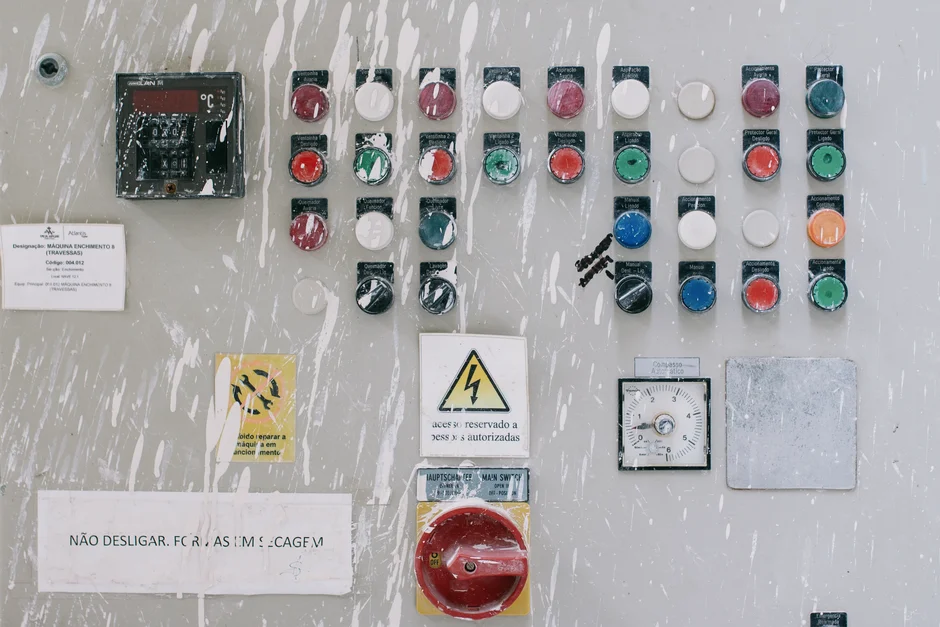
Genesis Water Technologies reports that blowdown TDS is generally 4-8 times makeup-water TDS and commonly falls between 1,200-6,000 mg/L. Its published range for suspended solids is 10-50 mg/L, originating from corrosion products, biofilm fragments, and airborne particulates.
These values are screening references, not a Tiruppur design basis. Sample the actual source water and blowdown across normal cooling operation and the intended cycles-of-concentration range. Test calcium, magnesium, silica, and alkalinity because concentrated hardness and silica determine the practical RO and NF recovery ceiling.
The chemistry review must also identify biocides, corrosion inhibitors, scale inhibitors, dispersants, legacy chromate, and high-phosphate programs. These compounds can foul membranes, alter scaling calculations, or create residual-discharge issues. Include bacteria, algae, and biofilm-forming organisms in the sampling plan even if the cooling system is well maintained.
Filtration protects the recovery equipment, but it does not remove dissolved hardness or silica. The multi-media filtration stage used for solids removal should therefore be positioned as feed protection, not as a substitute for membrane or thermal treatment.
| Parameter | Source-reported reference | Why the buyer must test it |
|---|---|---|
| CTBD TDS | 1,200-6,000 mg/L; generally 4-8 times makeup-water TDS, according to Genesis Water Technologies | Sets osmotic pressure, concentrate concentration, and treatment intensity |
| Suspended solids | 10-50 mg/L, according to Genesis Water Technologies | Indicates filtration, UF, and fouling-control requirements |
| Calcium, magnesium, silica, and alkalinity | No universal Tiruppur values supplied | Establishes scaling risk and achievable membrane recovery |
| Cooling chemicals | Biocides, corrosion and scale inhibitors, dispersants, legacy chromate, and high-phosphate chemistry identified by Genesis Water Technologies | Determines compatibility, pretreatment, and residual-discharge controls |
| Biological indicators | Planktonic bacteria, algae, and biofilm formers identified by Genesis Water Technologies | Supports UF selection, disinfection, and Legionella-risk controls |
Select the Treatment Train by End Use and Consent
Side-stream filtration comes first because it reduces suspended solids and biological loading, improves cooling-system cleanliness, and prepares blowdown for downstream membranes.
Use UF where colloids, bacteria, and suspended solids are the principal barriers. Genesis Water Technologies reports 0.01-0.1 micron pore-size UF, operation at 10-30 psi, 90-95% recovery, and chemical cleaning every 1-3 months depending on feed quality.
Use RO when dissolved solids, hardness, and silica must be removed for cooling-tower makeup. The same source reports 95-99% dissolved-solids rejection, permeate at 10-50 mg/L TDS, operation at 150-400 psi, and 50-85% blowdown recovery. Consider NF when hardness rather than total TDS limits performance: Genesis reports 75-150 psi operation, 70-85% recovery, and permeate at approximately 30-50% of feed concentration.
Add MVC when the residual RO concentrate cannot be discharged under the applicable consent. Genesis reports 95-98% concentrate recovery, distillate below 10 mg/L TDS, and 15-25 kWh per 1,000 US gallons of distillate. Reserve full ZLD for sites requiring no liquid discharge; it combines membrane concentration, thermal evaporation, and crystallization, with Genesis reporting 95-99% overall recovery.
Where chemical conditioning is required, define automatic antiscalant and biocide dosing against the confirmed feed chemistry rather than prescribing dosage from generic ranges.
| Technology | Reported operating or performance reference | Primary project role |
|---|---|---|
| Side-stream filtration | Implementation flow is stated as 1-5% of circulation flow, depending on conditions and objectives, by Genesis Water Technologies | Suspended-solids and biological-load control |
| UF | 0.01-0.1 micron; 10-30 psi; 90-95% recovery; cleaning every 1-3 months | Colloid, bacteria, and suspended-solids barrier |
| RO | 95-99% dissolved-solids rejection; 10-50 mg/L permeate TDS; 150-400 psi; 50-85% recovery | Cooling makeup and dissolved-solids removal |
| NF | 75-150 psi; 70-85% recovery; permeate approximately 30-50% of feed concentration | Partial softening where hardness is the binding constraint |
| MVC | 95-98% concentrate recovery; distillate below 10 mg/L TDS; 15-25 kWh per 1,000 US gallons | RO-concentrate recovery and partial ZLD |
| Full ZLD | 95-99% overall recovery with membrane concentration, thermal evaporation, and crystallization | No liquid discharge |
Compare Reuse, Compliance, Partial ZLD and Full ZLD
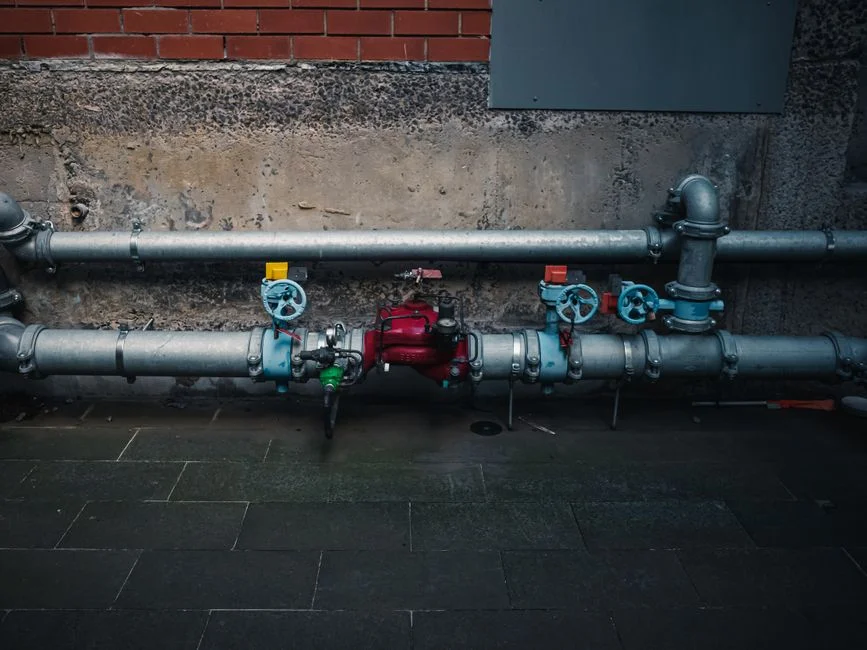
Cooling-tower reuse normally provides the strongest water-saving case because it displaces freshwater and reduces discharge volume; Genesis reports 60-85% recovery, while the supplied HydropureWater Tirunelveli guide reports 70-90% for on-site systems.
Choose discharge compliance when draft TNPCB consent and a lawful discharge route are available but reuse demand is limited. In that case, the economic case depends mainly on avoided discharge fees rather than water savings. Genesis reports direct discharge fees above $5-15 per thousand gallons in water-stressed regions, but this is not a Tiruppur tariff and must be replaced with a local quote or confirmed fee.
Use partial zero liquid discharge when concentrated discharge is restricted but crystallization is not justified. The supplied HydropureWater Tirunelveli guide states that partial ZLD can reduce concentrate volume by 80-90%. Use full ZLD when no liquid discharge route exists or the client mandate requires it; thermal equipment, crystallization, solid-waste management, and higher energy demand then become part of the procurement scope.
The 2026 Open Engineering Inc. preprint is a lifecycle warning: its UF+RO wastewater scenario used more than five times the energy of the freshwater scenario, although higher cycles of concentration reduced blowdown and chemical consumption. The decision should therefore compare water savings, consent exposure, energy, maintenance, and concentrate treatment rather than recovery rate alone.
| Route | Choose when | Principal project risk |
|---|---|---|
| Reuse with UF/RO | Cooling makeup demand exists and recovered water can be returned to the loop | Scaling, membrane fouling, chemical incompatibility, and concentrate disposal |
| Discharge compliance | TNPCB consent and a lawful discharge route are available, but reuse demand is limited | Dependence on permit conditions and discharge fees |
| Partial ZLD | Concentrate discharge is restricted, but full crystallization is not justified | Thermal-system integration and concentrate-management economics |
| Full ZLD | No liquid discharge is available or the client requires it | Thermal equipment, crystallization, solid waste, and energy demand |
Build the Capital and Operating-Cost Envelope
Genesis Water Technologies benchmarks a 50,000 GPD blowdown RO installation at US$250,000-500,000 and operating cost at US$1.50-3.00 per thousand gallons treated. The same source places MVC capital cost at US$1-3 million for 10,000-30,000 GPD and reports energy demand of 15-25 kWh per 1,000 US gallons of distillate.
For full data-center ZLD, Genesis reports US$3-8 million capital cost and US$5-15 per thousand gallons operating cost. These are source-reported equipment benchmarks, not quotations for a Tiruppur project.
Any comparison based on those figures must state whether it includes civil work, foundations, electrical upgrades, membranes, chemicals, sludge or salt disposal, freight, taxes, commissioning, and long-term membrane replacement. If those items are excluded, label the estimate accordingly rather than presenting a complete installed cost.
Convert the US-dollar benchmarks into project currency only after adding local scope, duties, taxes, and site-specific assumptions. A bidder should separately price RO and UF membrane elements and filter consumables, because consumable replacement is part of the operating commitment even when it is excluded from skid capital cost.
| Planning case | Source-reported benchmark | Procurement treatment |
|---|---|---|
| Blowdown RO, 50,000 GPD | US$250,000-500,000 installed; US$1.50-3.00 per thousand gallons treated, according to Genesis Water Technologies | Use for preliminary comparison only; require a site-specific quotation |
| MVC, 10,000-30,000 GPD | US$1-3 million capital; 15-25 kWh per 1,000 US gallons of distillate | Add local utilities, evaporator-room requirements, and concentrate handling |
| Full data-center ZLD | US$3-8 million capital; US$5-15 per thousand gallons operating cost | Price thermal equipment, crystallizer, solids disposal, and commissioning separately |
Pilot, Procure and Commission the System

Run source-water and blowdown characterization across the intended cycles-of-concentration range before finalizing the process guarantee. The pilot must measure recovery against the actual silica, calcium-sulfate, and carbonate-scaling conditions; the research does not establish a universal Tiruppur recovery guarantee.
Verify compatibility between cooling chemicals, membrane materials, antiscalant, biocide, and backwash or cleaning chemicals. Confirm whether chlorine-dioxide disinfection is part of the biological-control strategy and assess its interaction with membrane and cooling-loop materials.
The procurement specification should include automatic chemical dosing, conductivity and flow instrumentation, permeate-quality monitoring, concentrate controls, membrane-cleaning provisions, and SCADA or BMS integration. Require the supplier to provide membrane-replacement intervals, cleaning chemicals, critical spares, PLC or SCADA I/O lists, operating manuals, commissioning records, and performance-test criteria in writing. The treatment parts, valves, and filter media should be defined as a critical-spares and consumables package.
Establish a Legionella management plan and sampling protocol for the cooling loop. Reusing water does not remove the operational need for biological-risk control.
- Complete the site water balance and obtain the draft TNPCB consent.
- Characterize source water, blowdown, and cooling chemistry.
- Run a representative pilot and confirm the process train and recovery basis.
- Issue a performance-based specification with defined concentrate and reuse routes.
- Complete factory acceptance, site commissioning, performance testing, and handover of O&M records.
Questions to Resolve Before Ordering a Tiruppur Treatment Skid
A defensible bid should answer eight questions without relying on a membrane-only quotation.
- What is the design blowdown flow, source-water basis, target recovery, permeate quality, concentrate flow, and final disposal route?
- Does the proposal include a complete mass and water balance for every relevant wastewater stream?
- What side-stream filtration capacity and feed-protection strategy are included?
- What antiscalant, biocide, and membrane material are proposed for the actual feed chemistry?
- What cleaning schedule and membrane-fouling contingency are included?
- Can the bidder provide reference installations in hot-humid conditions and actual feed and concentrate analyses?
- What is included in the membrane replacement and critical-spares schedule?
- Where is the boundary between supplied equipment, civil and electrical works, thermal ZLD equipment, utilities, permits, and third-party testing?
The bid comparison should also state whether each price covers an RO reuse package, a partial-ZLD train, or a full-ZLD train. These are not interchangeable scopes, and a membrane supplier’s quote should not be read as a thermal ZLD offer.
Frequently Asked Questions
What will a Tiruppur cooling-blowdown treatment system cost?
Use the reported benchmarks only for initial screening: Genesis Water Technologies places a 50,000 GPD blowdown RO installation at US$250,000-500,000, with operating cost of US$1.50-3.00 per thousand gallons treated. For a firm Tiruppur budget, request itemized quotations for flow and recovery basis, source-water results, civil and electrical work, membranes, chemical dosing, concentrate disposal, utilities, commissioning, and spares. No Tiruppur quotation is established by the supplied research.
How should the equipment be sized for a Tiruppur data center?
Do not size from IT load alone. Require the bidder to use measured or forecast peak blowdown, design IT load, design PUE, peak wet-bulb temperature, target cycles of concentration, makeup-water analysis, operating profile, recovery target, and draft consent conditions. The balance must also include evaporation, drift, freshwater makeup, recovered-water return, and residual discharge. Side-stream filtration and equalization require their own flow basis.
Should the project use UF/RO reuse, partial ZLD, or full ZLD?
Start with reuse where recovered cooling makeup is required and the concentrate has a lawful disposal route. Move to partial ZLD when concentrated discharge is restricted; the supplied HydropureWater Tirunelveli guide reports 80-90% concentrate-volume reduction for partial ZLD. Use full ZLD where no liquid discharge route is available or the client mandate requires it. Consent, source-water chemistry, and concentrate treatment—not a generic recovery percentage—should determine the route.
How should a treatment-system supplier be qualified?
Request hot-humid operating references, actual feed and concentrate analyses, a completed water balance, membrane-cleaning and replacement commitments, critical-spares lists, control-system I/O, commissioning records, and measurable performance criteria. Also require clarification of who owns permits, third-party testing, civil and electrical works, thermal ZLD equipment, and long-term operation. A supplier that cannot connect its guarantee to measured site chemistry should not be shortlisted.
What permit risks should be resolved before equipment order?
Obtain the draft TNPCB consent and confirm the discharge route, flow, TDS and suspended-solids conditions, residual-biocide limits, monitoring obligations, and concentrate-disposal method. The permit must also cover the reuse end use, source-water analysis, proposed blowdown flow and TDS, residual chemistry, and a Legionella management plan. The final design remains governed by current site-specific consent conditions, influent testing, and the equipment proposal.
For a project-specific review, submit the source-water data, draft consent conditions, site water balance, cooling chemistry, and proposed process train. A qualified engineer can then check the treatment boundary, sizing basis, pilot scope, and bid assumptions before ordering.