
What an RO Water Specification Actually Covers
An RO water specification is the documented set of performance parameters a reverse osmosis system must meet, anchored to NSF/ANSI 58-2023. For industrial systems, it typically covers permeate recovery (ASSE 1086-2020 requires a minimum 40% system recovery, tested per NSF/ANSI 58), TDS reduction (NSF/ANSI 58 sets a 75% reduction floor), feed-water SDI limit, operating pressure, and concentrate-to-permeate ratio. Brackish systems run 150-400 psi with feed TDS of 1,000-10,000 mg/L; high-recovery two-pass trains reach 85-90% recovery. The November 2024 EPA WaterSense specification and August 2026 technical clarifications sharpen the efficiency-rating definition that the industrial market now adopts.
An industrial RO specification is built on NSF/ANSI 58-2023, which covers materials, structural performance, flow control, storage capacity, the 75% TDS reduction floor, and verification of recovery and efficiency rating claims, according to the EPA WaterSense stakeholder presentation (EPA, 2025-01). This foundation supports application-specific targets that NSF/ANSI 58 itself does not set: permeate conductivity, silica, TOC, bacterial endotoxin, and resistivity limits tied to the downstream duty point. The November 2024 WaterSense specification introduced standardized efficiency-rating language that vendors now mirror in commercial cut-sheets, and the August 2026 technical clarifications revised the packaging and documentation requirements under Section 5.2 of that spec (EPA, 2026-08). One distinction is non-negotiable when the spec is written: the recovery rating is measured with no tank backpressure, while the efficiency rating includes it. The efficiency rating is always the lower number, and it is the metric to spec against. Sizing HydropureWater industrial RO systems against the wrong metric is the most common reason a procurement package is re-issued after the first pilot run.
Recovery vs. Efficiency Rating: Which Number Goes on the Datasheet
Two numbers appear on every RO cut-sheet, and they are not interchangeable. The recovery rating is the permeate volume divided by the sum of permeate plus concentrate volume, multiplied by 100%, measured with no storage tank in the loop or with the tank bypassed so the permeate is open to atmosphere (EPA WaterSense stakeholder deck, 2025-01). The efficiency rating uses the same formula but under NSF/ANSI 58 operating conditions with a pressurized or non-pressurized tank in line, so the tank backpressure is included. Because that backpressure reduces the volume of usable permeate, the efficiency rating is always the lower of the two values.
The EPA deck publishes a worked example that engineers use to audit a vendor claim: a system that generates 2.3 gallons of concentrate for every 1 gallon of permeate has an efficiency rating of 30%, which is the threshold WaterSense uses to cap waste at 2.3 gallons of concentrate per gallon of treated water (EPA, 2025-01). The industrial implication is direct; a vendor quoting 75% recovery on a unit with a periodic permeate flush will deliver a lower efficiency rating in the field, so both numbers and the test conditions behind them must be on the datasheet. ASSE 1086-2020 codified the floor for the US market: 40% minimum system recovery, verified per NSF/ANSI 58, and any POU unit sold in the US that misses this is non-compliant. Spare RO membrane and vessel spares should be specified to the same standard the system was certified against, otherwise the recovery warranty is unenforceable.
Industrial Parameter Targets by Application
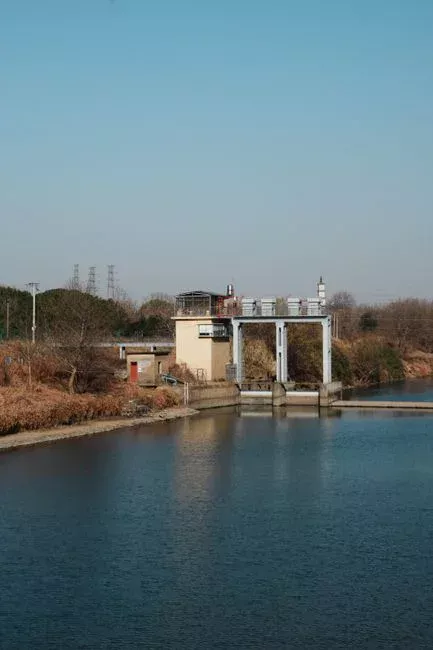
The feed-water envelope sets the architecture. Brackish water reverse osmosis (BWRO) handles feed TDS of 1,000-10,000 mg/L at 150-400 psi; seawater RO operates at significantly higher pressure on higher-salinity feed (Water & Wastewater guide). Building on these fundamental physical constraints, specific industry requirements dictate the system design.
| Application | Feed TDS Envelope | Permeate Targets (typical buyer must confirm against sector standard) | Architectural Notes |
|---|---|---|---|
| Pharma / WFI feed | Variable; typically BWRO feed after pretreatment | Conductivity, TOC, endotoxin per USP / pharmacopoeia; must be confirmed against current monograph | Two-pass RO + EDI; downstream polishing not in RO spec |
| Semiconductor rinse | Low-TDS city water after conditioning | Resistivity, TOC, silica per SEMI; confirm against current SEMI document | Two-pass RO + EDI; mixed-bed polish typical |
| Industrial boiler feed | BWRO envelope (1,000-10,000 mg/L) | Hardness, silica, conductivity limits per boiler maker; obtain from boiler vendor | Single-pass with robust antiscalant; recovery 80-85% cited as feasible on clean feed (Water & Wastewater guide) |
| Food & beverage process | Variable, often municipal or surface | Microbial, chlorine-byproduct limits per sector standard; confirm with QA | Single-pass or two-pass depending on bottling/pasteurization duty |
| Power generation | BWRO or SWRO depending on site water | Conductivity, silica per cycle chemistry; confirm with turbine supplier | Energy recovery devices mandatory at SWRO scale |
A two-pass RO train takes first-pass permeate as the second-pass feed, allowing 85-90% recovery in the second stage with negligible fouling risk, which is why pharma and semiconductor duty points anchor their specification on a two-pass architecture (Water & Wastewater guide). The catalog range of HydropureWater industrial RO systems is built to deliver up to 95% permeate recovery in single-pass configurations across pharmaceutical, semiconductor, food & beverage, and power generation duty. Feed SDI must be held below 3.0 to protect RO membranes; ultrafiltration pretreatment with 0.03 µm PVDF membranes consistently delivers this regardless of raw-water turbidity spikes (Water & Wastewater guide). When permeate is sent to municipal or industrial distribution, remineralization is required because the permeate is aggressive and lacks buffering capacity — Langelier Saturation Index targets drive the calcium and alkalinity dosing setpoints (Water & Wastewater guide). HydropureWater UF pretreatment and HydropureWater EDI are specified to keep the RO feed and the downstream polish loop inside the same envelope.
Pretreatment and Post-Treatment That Protect the Spec
An RO specification is only as durable as the unit operations bolted to either side of it. Antiscalant and biocide dosing must be specified upstream of the high-pressure pump, and the chosen antiscalant has to be compatible with both the membrane chemistry and any upstream coagulant — incompatibility here is a frequent root cause of premature fouling (Water & Wastewater guide). Chemical dosing skid design depends on accurate water projections; pumps and storage tanks should be sized from a mass balance, not a rule of thumb. A HydropureWater antiscalant and biocide dosing skid should be quoted against a defined dose rate and contact time, not against an open-ended chemical menu.
CIP system sizing has its own rules. The clean-in-place pump must hit the membrane manufacturer's crossflow target — typically 35-40 GPM per 8-inch vessel — to generate enough shear, and the CIP tank needs heating because chemical efficacy collapses in cold water (Water & Wastewater guide). A HydropureWater multi-media filter upstream of the dosing skid reduces SDI to RO-protective levels; the backwash cycle and media gradation must be written into the spec to prevent the filter from becoming the system bottleneck within a season. Skipping these requirements ensures that the spec numbers on paper will not survive the first six months of operation.
Writing the Spec: A Buyer's Pre-RFQ Checklist
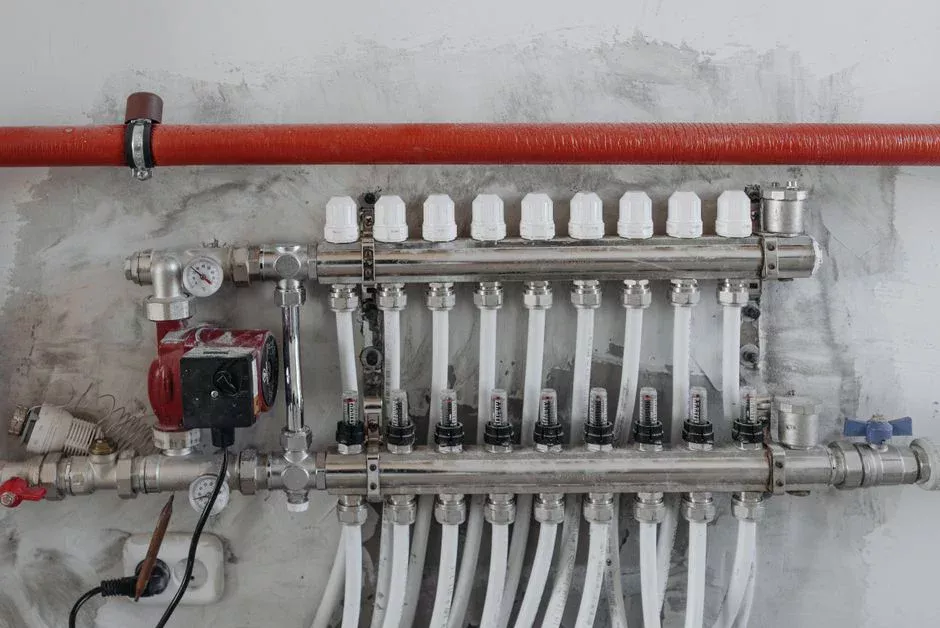
Before approaching vendors, lock the feed-water analysis: TDS, temperature, SDI, silica, hardness, free chlorine, and any project-specific contaminants. Without these, no vendor can quote responsibly, and the proposals that come back will be non-comparable. Next, decide which standard governs — NSF/ANSI 58-2023 for material and performance, ASSE 1086-2020 for the 40% recovery floor, plus any sector-specific standard (USP, ASTM, SEMI) that applies to the permeate end-use. Require both recovery and efficiency rating on every proposal, with the test conditions behind each number, and require NSF/ANSI 58 third-party certification rather than self-declared values.
Define the concentrate fate upfront: zero-liquid discharge, sewer discharge, or evaporation pond. That single decision sets the recovery target, the energy-recovery-device selection, and the OPEX line that the CFO will read first. The membrane warranty should tie replacement obligations to documented feed-water adherence, not to elapsed time alone. For buyers working on hybrid trains or ZLD reuse, the worked examples in hybrid DAF-MBR-RO trains for ZLD compliance and hybrid ZLD systems with 95%+ recovery translate these choices into documented capex and opex envelopes. For an acquisition-driven project, the pharma-plant acquisition wastewater compliance guide shows how to fold the RO spec into a broader environmental due-diligence package.
Frequently Asked Questions
What is the difference between recovery rating and efficiency rating on an RO cut-sheet?
Recovery rating is measured with no storage tank in the loop, so the permeate is open to atmosphere; efficiency rating is measured under NSF/ANSI 58 operating conditions with a pressurized or non-pressurized tank, so tank backpressure is included (EPA WaterSense stakeholder deck, 2025-01). Because backpressure reduces usable permeate, the efficiency rating is always the lower number, and the EPA example of 1 gallon permeate and 2.3 gallons concentrate equals a 30% efficiency rating. Spec against the efficiency rating and ask the vendor for the test conditions behind both numbers.
Which standard should govern an industrial RO procurement package?
NSF/ANSI 58-2023 is the base document covering materials, structural performance, flow control, 75% TDS reduction, and verification of recovery/efficiency claims (EPA, 2025-01). ASSE 1086-2020 layers the 40% minimum system recovery floor on top, tested per NSF/ANSI 58. For permeate end-use, pull in the sector standard — USP for pharma WFI feed, SEMI for semiconductor rinse, ASTM for boiler feed, and the boiler or turbine maker's cycle-chemistry document for power. Without that sector overlay, the spec is incomplete.
How do I compare RO vendor proposals without getting locked into a non-compliant unit?
Require both recovery and efficiency rating on every proposal, with the test conditions and third-party NSF/ANSI 58 certification, not self-declared numbers. Lock the feed-water analysis (TDS, temperature, SDI, silica, hardness, free chlorine, project-specific contaminants) before RFQ so every proposal is priced against the same envelope. Ask for a membrane warranty that ties replacement obligations to documented feed-water adherence rather than elapsed time, and define concentrate fate upfront — ZLD, sewer, or evaporation pond — because that single decision sets the recovery target and the energy-recovery-device selection.
What does an industrial RO system cost, and what drives the price?
The inputs a buyer must request from each vendor are the feed-water envelope, target recovery, permeate quality per the sector standard, concentrate fate, and any required energy-recovery device. With those locked, proposals become comparable on $/m³ of treated water rather than on equipment list price, and the OPEX line — energy, membrane replacement, chemical, and CIP — typically dominates the lifecycle cost (