
What the 2026 West Bengal Reuse Policy Changes for Municipal STP Design
The West Bengal Urban Development and Municipal Affairs Department notified the State Policy for Safe Reuse of Treated Wastewater on 14 July 2026 under notification no. 543-WBSPMG-99099(99)/27/2025, requiring that treated municipal wastewater meet at least 20% of the state's overall industrial water requirement by 2030 (per Water Today, 14 July 2026). The 20% figure is a state-level policy objective, not a current reuse rate; industry-level reuse expectations reported alongside the notification range from approximately 10% to 40%, depending on water demand, process requirements, location and the feasibility of receiving treated water (per UDMA notification 543-WBSPMG-99099(99)/27/2025, 14 July 2026).
The scope covers three delivery paths, and an EPC bid must serve all three. Centralised STPs in ULBs such as Kolkata, Howrah and Asansol are the primary source of industrial reclaimed water. Decentralised systems in residential complexes, hotels, hospitals, gated communities and commercial developments handle their own flows and supply non-potable reuse locally. On-site recycling in new environmental-clearance projects is the third path, consistent with the draft policy's encouragement of in-building reuse (Water Today, 14 July 2026).
Every reclaimed-water system the policy authorises must include: separate reclaimed-water storage, clearly identified non-potable pipelines, controls against cross-connections, metering and consumption monitoring, routine sampling and disinfection, and trained O&M personnel. Treated wastewater cannot be connected to drinking-water systems; use must stay restricted to applications permitted under the applicable quality standards (per UDMA notification 543-WBSPMG-99099(99)/27/2025). These requirements are non-negotiable in any 2026 tender specification.
Influent Characterisation for West Bengal Urban Local Bodies
Typical domestic sewage in West Bengal ULBs runs COD 250–500 mg/L, BOD 150–300 mg/L and TSS 200–400 mg/L, with faecal coliforms of 10⁶–10⁸ MPN/100 mL in raw influent. Kolkata and old-city ULBs sit at the upper end of these ranges because of dilapidated trunk sewers, illegal stormwater cross-connections and a long retention time in interceptors that lets septicity drive BOD/COD up. Field sampling in West Bengal municipal plants has repeatedly shown higher volatile-suspended-solids fractions than the textbook 0.7–0.8 assumed in standard design curves, which directly raises aeration demand in the biological stage (HydropureWater field data, 2026).
Monsoon surcharge is the single biggest hydraulic variable. A 50–80% hydraulic surge over dry-weather flow is common during June–September, and equalisation basins must be sized for at least 6–8 hours of peak flow to prevent washout of biological stages. Any design that ignores this will under-rate the pumping main, the headworks screen and the grit classifier.
The earlier UDMA 2020 policy recommended amending the West Bengal Municipal and Municipal Corporations Acts to mandate both centralised and decentralised treatment and reuse (per UDMA Reuse Policy, June 2020). The practical effect for designers is that new in-sewer connections may carry mixed greywater-blackwater from decentralised catchments, so a centralised plant must accept higher organic variability than a greenfield site in a fully separated catchment. The Indian urban-sewage microbiome also carries documented antibiotic-resistance gene loads that justify advanced tertiary treatment rather than relying on secondary clarification plus chlorination alone (per Nature Communications "Antibiotic contamination and antimicrobial resistance dynamics in the urban sewage microbiome in India", PMC12867989, 2025).
Process Train: From Bar Screen to Reclaimed Water
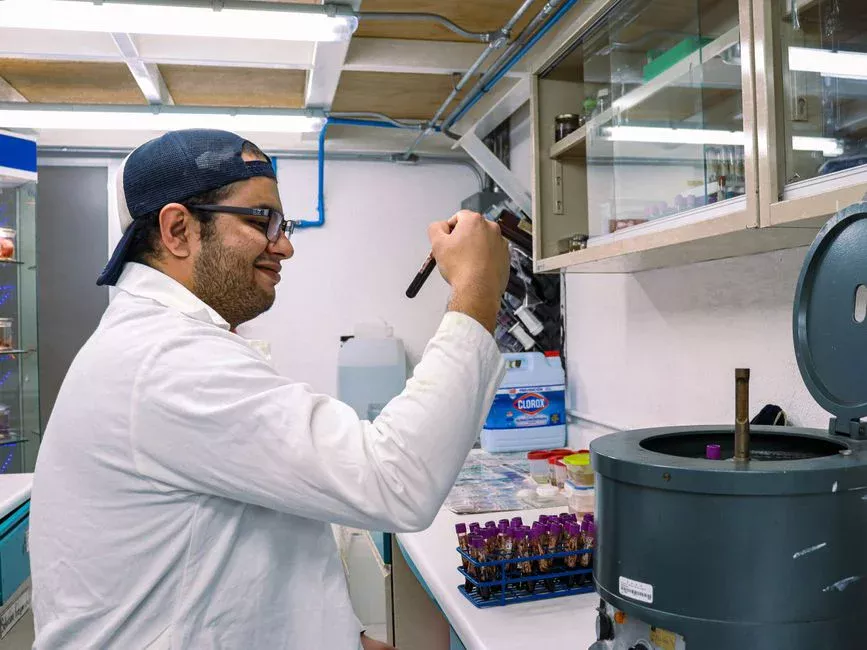
The 2026 tender specification is built unit by unit. A 6–10 mm aperture rotary mechanical bar screen handles municipal rag loading, followed by a vortex or aerated grit chamber sized for the peak hourly flow with a 2–5 minute retention at peak. A finer rotary drum screen (2–3 mm) is increasingly specified ahead of MBR duty; the engineering logic for selection is detailed in our rotary drum screen selection guide.
Primary treatment typically uses a lamella clarifier operating at a surface loading of 20–40 m/h for inclined-plate designs, removing 50–70% of TSS and 25–35% of BOD before the biological stage. A conventional primary tank at 1.5–2.5 m/h surface loading is the fallback where footprint is not constrained, paired with a high-efficiency sedimentation tank for fine-solids capture.
The biological stage is the design choice that defines the rest of the train. SBR (sequencing batch reactor) offers the smallest continuous-flow footprint with no return-activated-sludge pumping and effluent BOD ≤20 mg/L at typical municipal SRT of 10–20 days. MBBR (moving-bed biofilm reactor) handles hydraulic variability well but produces effluent BOD in the 20–30 mg/L range unless followed by a polishing step. An MBR membrane bioreactor system is justified when reuse is mandated or land is constrained; it delivers BOD ≤5 mg/L and TSS ≤5 mg/L in a single step. The 2026 policy explicitly lists pressure filtration, UF, RO, ion exchange, activated carbon, and advanced disinfection as the technology stack for industrial polishing (per UDMA notification, 14 July 2026).
Tertiary treatment runs multimedia sand/activated-carbon filtration to ≤5 mg/L TSS, followed by a PVDF ultrafiltration system at 0.03 µm nominal pore size to drive turbidity below 1 NTU. For cooling-tower and boiler-feed reuse, RO is added; the recovery target is 65–75% with concentrate routed back to the headworks. Disinfection splits two ways: a chlorine dioxide generator provides durable residual across long reclaimed-water distribution mains, while UV (30–40 mJ/cm²) handles chemical-free polishing for short-reticulation networks. This trade-off is examined in detail in our MBR vs conventional activated sludge comparison.
The sludge line uses a plate and frame filter press to deliver cake dry solids ≥22% for compliant disposal; the 2026 policy flags sludge resource recovery as an explicit opportunity (per UDMA notification, 14 July 2026). Thickened sludge feed at 2–4% DS is conditioned with polyelectrolyte at 4–8 kg/t DS before pressing.
Parameter Targets at Each Stage
Targets below are stated as engineering practice consistent with WBPCB discharge norms and the 2026 reuse policy. The 2026 policy does not itself set numeric effluent limits; those remain governed by WBPCB consents, which sit alongside the policy.
| Stage | BOD (mg/L) | COD (mg/L) | TSS (mg/L) | NH₃-N (mg/L) | Faecal coliforms | Notes |
|---|---|---|---|---|---|---|
| Raw sewage (West Bengal domestic) | 150–300 | 250–500 | 200–400 | 20–50 | 10⁶–10⁸ MPN/100 mL | Design basis; Kolkata ULBs at upper end |
| Secondary effluent (after biological) | ≤20 | ≤50 | ≤30 | ≤10 | — | Per WBPCB consent schedule |
| Tertiary effluent (after filtration) | ≤10 | ≤30 | ≤5 | ≤5 | — | UF feed: turbidity ≤1 NTU |
| Reclaimed water (industrial reuse) | ≤5 | ≤20 | ≤2 | ≤2 | <1000 MPN/100 mL | Cooling-tower / construction-dust band |
| Sludge (post-dewatering) | — | — | — | — | — | Dry solids ≥22% DS for compliant disposal |
Centralised vs Decentralised Plant: When to Use Which
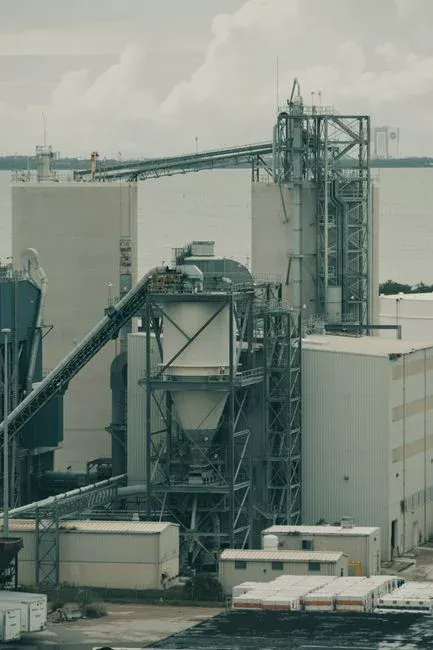
Centralised STPs suit Kolkata, Howrah, Asansol, Durgapur and other large ULBs with existing trunk sewer coverage. The advantages are O&M consolidation under a single ULB contract, direct pumping to nearby industrial clusters (often within 5–15 km), and the scale needed to justify RO polishing. Capital cost per m³/day is lower at scale, but the reclaimed-water distribution network becomes the single largest line item, and the 2026 policy explicitly warns that pumping and pipeline cost can determine commercial viability (per UDMA notification, 14 July 2026).
Decentralised systems — typically an underground package sewage treatment plant in the 50–2000 m³/day range — fit residential complexes, hotels, hospitals, gated communities and small-town catchments where trunk sewers are absent. They align with the UDMA 2020 call for decentralised treatment in the Municipal Acts, and they eliminate pumping mains to a distant STP. The trade-off is that each unit needs its own trained O&M crew, its own sludge-removal contract, and its own compliance sampling; a 20-cell development cannot rely on a single inspector. The decentralised municipal sewage design guide covers the analogous Indonesian case and the engineering logic transfers directly.
| Criterion | Centralised STP | Decentralised package plant |
|---|---|---|
| Population served | 100,000+ | 500–20,000 per cluster |
| Sewer coverage | Existing trunk network | No trunk; standalone catchment |
| Available land | Peripheral ULB plot, ≥1.5 ha per 50 MLD | Beneath parking / landscaped area |
| Industrial demand | Direct pipeline to cluster (5–15 km) | On-site reuse only (irrigation, flushing) |
| O&M capability | ULB or AMC contractor | Building management + AMC |
| Capex / m³/day (directional) | Lower at >50 MLD | Lower at <5 MLD |
A hybrid delivery is now the most defensible bid model for West Bengal's 2026–2030 build-out: large decentralised clusters feed a polishing hub that supplies industrial reclaimed water, leveraging the 2026 policy's on-site / decentralised pathways while concentrating the reuse distribution infrastructure at one point (per UDMA notification, 14 July 2026).
Reclaimed Water Network: Equipment and Layout Logic
Reclaimed-water pumping stations are sized for distance, head and diurnal matching against industrial demand. The 2026 policy warns that the cost of pumping and pipeline construction determines commercial viability where the treatment plant is more than a few kilometres from a dependable user (per UDMA notification, 14 July 2026). Centrifugal or submersible pumps in a duty/assist/standby arrangement are standard, sized on a 14–18 hour delivery window against a buffer of 24–48 hours of storage.
Dedicated transmission pipelines with non-potable colour coding (purple/blue per IS 2379) are mandatory. Cross-connection control hardware — reduced-pressure-zone devices, air gaps at storage tanks, and a backflow preventer at every ULB connection — must be in the bill of quantities; omitting it is the single most common rejection point in WBPCB reuse audits. An automatic chemical dosing system handles residual chlorine or ClO₂ maintenance across the network.
Online water-quality analysers (turbidity, free chlorine, conductivity, pH) and electromagnetic flow meters feed SCADA, with data logging that the 2026 policy flags as expected implementation equipment (per UDMA notification, 14 July 2026). Valves and pipeline media should be sourced as a packaged water-treatment parts and media set to keep interfaces consistent across the reclaimed-water network. Storage at the ULB end and at the industrial offtake is sized for diurnal demand matching, typically 25–40% of average daily reclaimed-water output. The national precedent of India's data-centre treated-wastewater push in Visakhapatnam is the analogue for large-buyer offtake agreements in West Bengal.
Cost Direction and Bid-Stage Pitfalls
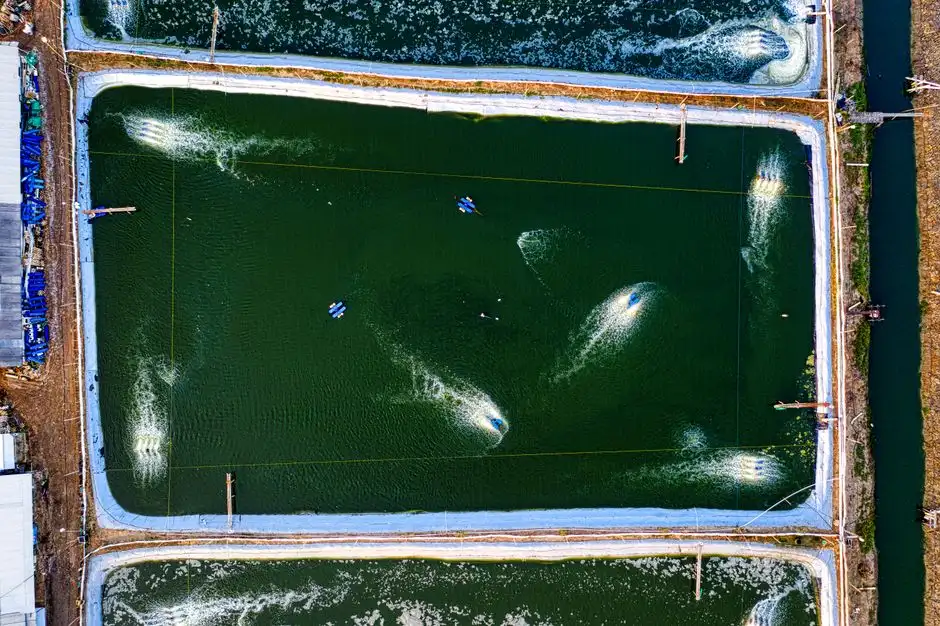
Directional CAPEX bands per m³/day of installed capacity, presented as engineering estimates not quotes, are summarised below. Site-specific factors (geotechnical, power availability, distance to industrial demand) dominate the final number.
| Configuration | CAPEX band (INR per m³/day) | Scope included |
|---|---|---|
| Civil + electromechanical (secondary only, SBR) | ₹8,000–₹14,000 | Headworks, primary, SBR, chlorination, sludge drying beds |
| MBR-based, reuse-ready | ₹15,000–₹24,000 | Adds MBR cassettes, UF, UV, automatic chemical dosing, SCADA |
| Reuse-polished (RO + ClO₂) | ₹24,000–₹40,000 | Adds RO skids, ClO₂ generation, cross-connection controls, reclaimed-water pumping |
The bid-stage pitfalls that lose money on West Bengal tenders are well-known and repeatable. Ignoring monsoon hydraulics drives under-sized equalisation and headworks, then washout in the first June. Under-sized sludge handling means the plant runs out of cake-storage capacity within two years, forcing emergency contracts. Omitting cross-connection controls and SCADA from the BOQ — both explicitly listed as expected implementation equipment in the 2026 policy — invites scope gaps and rejection by WBPCB. Leaving out the online analysers the policy expects converts a compliant bid into a non-compliant one (per UDMA notification, 14 July 2026).
The 2026 policy opens priced optional scopes that an EPC should line-item explicitly: upgradation of secondary plants to tertiary standards, decentralised recycling modules, sludge resource recovery, multi-year O&M contracts, and digital water-management platforms (per UDMA notification, 14 July 2026). Early demand mapping within roughly 10–15 km of the plant to anchor industrial offtake is the single highest-leverage activity in the bid stage — it converts a CAPEX line into a bankable revenue line.
Frequently Asked Questions
What capacity triggers centralised vs decentralised design for a West Bengal municipal STP?
Plants below roughly 5 MLD (5,000 m³/day) are typically built as decentralised package units, especially where no trunk sewer is in place. Above 20–50 MLD, a centralised STP with full primary, biological, tertiary and reuse polishing is the more cost-effective delivery model, with industrial-reclaimed-water offtake within 10–15 km. The 5–20 MLD range is a hybrid zone where the answer depends on sewer coverage, land availability and proximity to bulk users (per UDMA notification, 14 July 2026).
Which WBPCB effluent parameters must a municipal STP meet in 2026?
WBPCB consents typically require BOD ≤20 mg/L, COD ≤50 mg/L, TSS ≤30 mg/L, NH₃-N ≤10 mg/L and faecal coliforms below specified MPN limits at the discharge point; the 2026 reuse policy layers additional targets on top where reclaimed water is supplied for industrial cooling, construction or boiler feed. Tender specifications should mirror both the consent schedule and the policy's reuse targets, because WBPCB will audit against the stricter of the two where reuse is in scope.
What tertiary treatment is required to qualify treated water for industrial reuse under the 2026 policy?
For cooling-tower and construction-dust-suppression reuse, multimedia filtration plus UF (≤1 NTU turbidity) plus UV or ClO₂ disinfection is the standard stack. For boiler-feed, RO with 65–75% recovery and ion-exchange polishing is typically required, plus corrosion- and scale-control dosing. The 2026 policy lists UF, RO, ion exchange, activated carbon and advanced disinfection as the named technology set (per UDMA notification, 14 July 2026).
How much does a municipal STP cost per m³/day in West Bengal in 2026?
Directional CAPEX bands run ₹8,000–₹14,000 per m³/day for a civil-plus-electromechanical secondary plant with SBR, ₹15,000–₹24,000 for an MBR-based reuse-ready plant, and ₹24,000–₹40,000 for a fully reuse-polished plant with RO and ClO₂. These are engineering estimates; geotechnical conditions, power availability, and distance to industrial demand typically swing the final number by 20–40%.
Who monitors reuse compliance — WBPCB or the ULB — and what sampling frequency is expected?
The 2026 policy assigns WBPCB the monitoring role for contaminants that may affect safe reuse, including oversight of industries using reclaimed water in cooling towers, boilers, membranes and heat exchangers (per UDMA notification, 14 July 2026). The ULB is responsible for routine sampling and metering at the plant and at the offtake point, with online analysers and SCADA logging expected to feed a state-level GIS-enabled management system. Daily sampling at the offtake and weekly composite sampling at the plant are the current industry baseline.