
Why Phelps Mining and Metals Factories Are Rethinking Primary Clarification in 2026
For Phelps, NY mining and metals factories in 2026, a Dissolved Air Flotation (DAF) unit is the stronger primary clarifier whenever the stream carries oils, flotation reagents, or low-density metal-hydroxide floc; a lamella/clarifier is more cost-effective for high-density, fast-settling slurries. DAF micro-bubbles (30–50 µm) typically achieve 85–95% TSS removal and 70–90% suspended heavy metals after pH precipitation, while inclined-plate clarifiers run at 20–40 m/h surface loading for grit-dominated flows.
Three Phelps-area stream types are driving the 2026 rethink. Aggregate wash water carries 500–5,000 mg/L TSS as silica sand, silt, and crusher fines that settle readily when pH is neutral. Acid rock drainage (ARD/AMD) from legacy workings and active ore zones runs pH 2.5–4.5, with total iron commonly 50–500 mg/L, plus dissolved Mn, Al, and trace Pb. Metal-finishing rinse water and iron/steel pickling bleed-off add Cr, Ni, Zn, and free oils plus surfactant residues from cleaners. None of these three streams behaves the same way in a settling tank; the equipment choice is the cheapest way to lock in compliance or to inherit a permit headache for the next permit cycle.
The regulatory frame tightens the decision. Phelps facilities discharging to surface water or POTW fall under 40 CFR Part 440 subcategory limits for ore mining and milling, which cap TSS, total metals (Cu, Pb, Zn, Cd, Ni), and pH on a daily-max basis. The 2026 EPA Multi-Sector General Permit (MSGP) renewal, issued 2025-09, added PFAS and trace-metal monitoring for non-metallic mineral mining and stiffened sector-specific benchmarks. NYSDEC SPDES permits in the Great Lakes basin now read jar-test and chemical-dose records into the permit narrative, not just effluent numbers. Add higher 2026 discharge fees and the result is straightforward: a primary clarifier that misses the TSS envelope by 20 mg/L costs real money, and a clarifier choice is now a compliance choice.
How a DAF System Actually Treats Mining and Metals Wastewater
A DAF unit clarifies by floating, not by settling. Clean make-up water is pressurized to roughly 4–6 bar with saturated air, then released into the flotation tank at atmospheric pressure; the dissolved air comes out of solution as 30–50 µm micro-bubbles (per Clearwater Industries) that attach to flocculated solids and lift them to the surface, where a skimmer pulls the sludge blanket into a collection trough. The clarified water exits below the floating layer, and a portion is recycled to the saturator to keep the loop closed (per Clearwater Industries). Because the separation is buoyant rather than gravitational, DAF handles low-density floc, oils, and reagent residues that a clarifier would let pass.
For Phelps streams, the chemistry upstream of the DAF cell is the actual removal step. Lime or NaOH dosing raises pH to 8.5–9.5, precipitating iron, manganese, aluminum, and lead as hydroxides; ferric sulfate or polyaluminum chloride (PAC) is added as coagulant, followed by 15–45 seconds of flash mixing in a flocculation tube (per Clearwater Industries) where anionic polymer builds a heavy, fast-rising floc. Jar testing on the actual AMD or rinse stream is non-negotiable — pH setpoint, coagulant dose, and polymer dose are all stream-specific, and the 2026 MSGP monitoring expectations mean more frequent verification than in past cycles.
Realistic performance bands for mining duty are well established. Properly dosed DAF systems reach 85–95% TSS removal, 70–90% removal of total suspended metals, and 60–80% oil and grease when surfactant residues are present. On a properly precipitated Phelps AMD feed (1,000 mg/L TSS, 200 mg/L Fe), a DAF will typically produce an effluent in the 30–80 mg/L TSS range without a secondary clarifier, which is the envelope most SPDES permits are written against. The dissolved air flotation system is one example of a compact unit sized for this duty; review the DAF clarifier efficiency data guide for the bubble-size and contact-time basis behind those numbers. Two operational constraints matter for Phelps: the saturator loop needs clean make-up water on startup (per Clearwater Industries), and oil/reagent residues demand corrosion-resistant skimmers and HDPE or rubber-lined wetted parts.
How a Lamella Clarifier Handles the Same Mining Stream
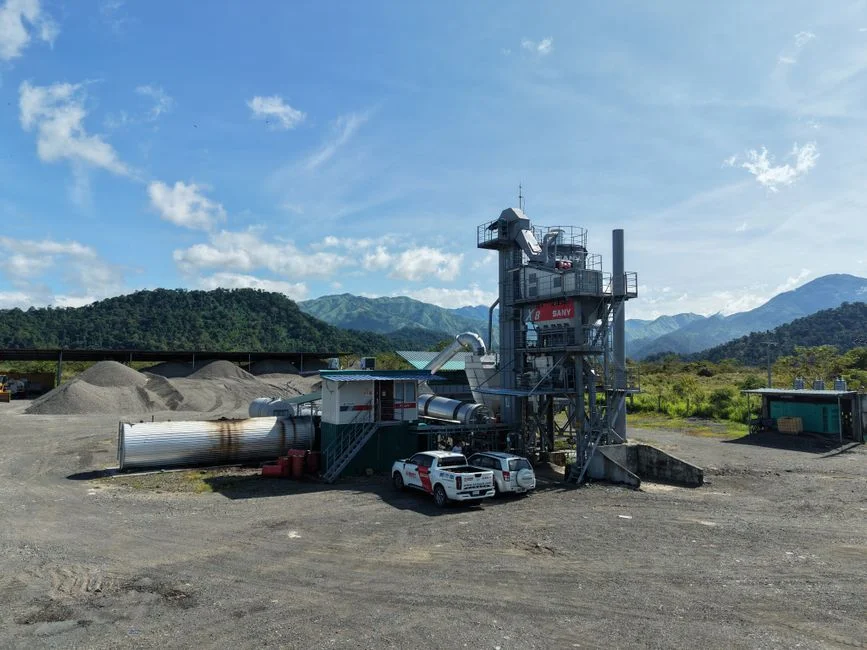
An inclined-plate (lamella) clarifier settles. Wastewater enters a flocculation zone where coagulant and polymer are mixed, then flows upward through a stack of inclined plates spaced 50–80 mm apart. The plates shorten the effective settling path so a particle only has to fall roughly 50 mm before it slides down a plate into a sludge hopper, which is why lamellas run surface loadings of 20–40 m/h (per HydropureWater lamella clarifier data) — far higher than the 1–2 m/h of a conventional basin. The clarified effluent overflows a peripheral weir, and sludge is withdrawn from the bottom by timer- or level-controlled valves.
For chemically precipitated mining streams, a well-tuned lamella typically delivers 50–80% TSS removal. Where it shines is the aggregate-wash case: high-density silica grit settles readily, pH is stable near neutral, and chemical demand is low. Capital cost is roughly 40–60% of an equivalent DAF installation, there is no compressed-air system, no saturator, and the pump room is small. The HydropureWater high-efficiency sedimentation tank (lamella clarifier) is representative of the form factor for this duty band.
Where lamellas fail on Phelps duty is the same place DAF succeeds. Low-density metal-hydroxide floc from a soft AMD precipitation drifts up rather than down; oils and flotation reagents (MIBC, pine oil, dialkyl sulfides) ride the surface and re-entrain over the weir; and a pH swing from a slug of fresh AMD can re-dissolve precipitated iron mid-tank, turning a settled sludge back into a soluble metal load. For streams with consistent pH, consistent chemistry, and grit-dominated solids, a lamella is still the cheapest correct answer.
DAF vs Clarifier: Head-to-Head Comparison for Phelps Mining Duty
The decision boundary is sharp enough to draw in a matrix. Use this table to align your stream signature with the technology that hits your discharge envelope on the first try. The DAF scale band is anchored to the Ecologix E-Series flow range of 130–3,700 GPM (roughly 30–840 m³/h), which lines up with the mid-size Phelps metal-finishing shop; the lamella scale band is anchored to a 20–40 m/h surface loading on a typical 10–50 m² plate pack.
| Parameter | DAF (e.g., HydropureWater DAF) | Lamella Clarifier (e.g., HydropureWater HES tank) |
|---|---|---|
| TSS removal (chemically precipitated mining feed) | 85–95% | 50–80% |
| Total suspended metals removal (post pH 8.5–9.5) | 70–90% | 40–65% |
| Oil / flotation reagent tolerance | High — 60–80% O&G removal | Poor — oils re-entrain over the weir |
| Footprint per m³/h | ~0.3–0.5 m² (compact, packaged) | ~0.8–1.2 m² (large plate pack) |
| Typical flow band | 130–3,700 GPM (≈30–840 m³/h) | 10–500 m³/h per unit, modular |
| CAPEX band (skid-mounted, 50 m³/h class) | USD 90k–180k (HydropureWater field data, 2026) | USD 40k–90k (HydropureWater field data, 2026) |
| OPEX band (per m³ treated) | USD 0.08–0.18 (air, polymer, power) | USD 0.03–0.07 (polymer, sludge pumping) |
| Startup water requirement | Clean make-up water for saturator loop (per Clearwater Industries) | None — can start on raw wastewater |
| Chemical demand (lime + coag + polymer) | Higher; tighter floc control needed | Lower; grit streams need only polymer |
| Response to AMD pH swing | Tolerates wider swing if pH probe is on the loop | Re-dissolves metals mid-tank on acid slug |
The decision rule is simple. DAF wins whenever the stream carries oils, MIBC/frother residues, surfactant cleaners, or low-density metal-hydroxide floc — the typical metal-finishing rinse and reagent-bearing AMD cases. Lamella wins when the stream is grit-dominated, pH-stable, and chemical demand is low — the typical aggregate-wash and quarry-dewatering cases. A hybrid train is common in mid-size Phelps metal-finishing shops: a lamella roughing stage to drop the bulk TSS cheaply, followed by a dissolved air flotation system as a polisher to pull the residual floc, oils, and metals below the permit envelope. For an apples-to-apples cost model on the DAF side, the DAF machine cost and ROI guide lays out the line items.
Phelps-Specific Compliance Anchors for the 2026 Decision
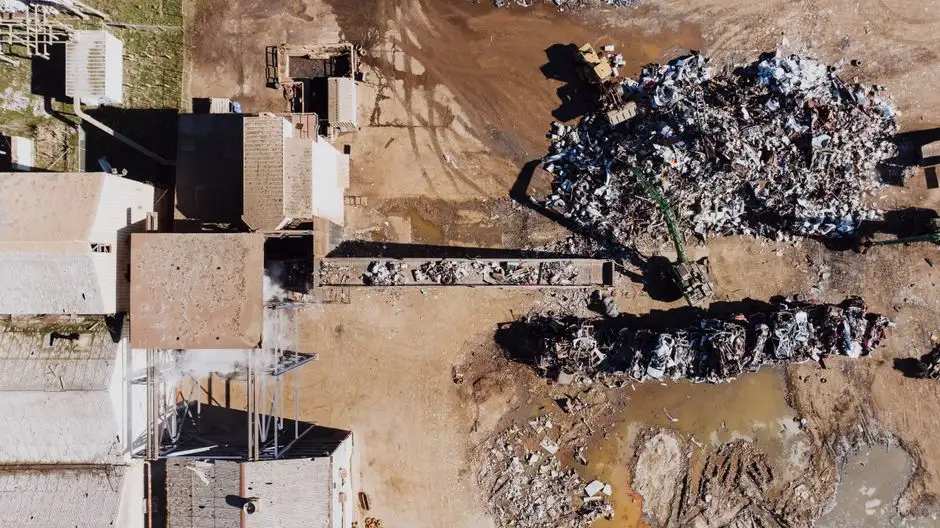
The permit numbers a Phelps facility must answer to are the same numbers that should drive the equipment spec sheet. Under 40 CFR Part 440, active ore mining and milling subcategories set daily-maximum TSS, total recoverable metals (Cu, Pb, Zn, Cd, Ni), and a pH range typically 6.0–9.0; beneficiation operations add limits on Mn, Al, and total iron depending on the receiving stream. The 2026 MSGP, renewed 2025-09, layered PFAS and additional trace-metal monitoring onto non-metallic mineral mining benchmarks, and NYSDEC's SPDES narrative expectations in the Great Lakes basin now ask for documented jar-test results, chemical-dose justification, and a pH-probe calibration log as part of the permit re-issuance package.
Two performance facts follow directly. First, a properly operated DAF cell following lime precipitation routinely meets a 30–50 mg/L TSS envelope (per HydropureWater field data, 2026), which puts a Phelps facility inside the 40 CFR Part 440 subcategory limit for most ore-mining streams without a secondary clarifier. Second, the tighter PFAS and trace-metal monitoring in the 2026 MSGP means more frequent jar testing and more conservative chemical dosing — conditions that favor DAF's tighter floc control and a small-footprint pH/polymer dosing skid over a passive lamella with manual dosing. If your stream signature is borderline (say, 60% TSS removal from lamella would not meet the limit but 80% from a hybrid would), the compliance math alone forces the technology choice.
Choosing the Right System: A Three-Scenario Decision Framework for Phelps Plants
Three scenarios cover the bulk of Phelps-area plants about to renew under the 2026 MSGP. Use the table to size the equipment and the recommendation to brief a non-engineer manager.
| Scenario | Stream signature | Recommended primary train | Sizing anchor | Why |
|---|---|---|---|---|
| A — Small aggregate wash water | <50 m³/h, high grit (TSS 2,000–5,000 mg/L), pH 6.5–8.0, no oils | Lamella clarifier only | One HydropureWater HES tank at 20–30 m/h surface loading | Lowest CAPEX, simplest operation, no compressed-air system; grit settles without chemical aid |
| B — Metal-finishing rinse water | 50–200 m³/h, pH 7–9, mixed metals (Cu/Ni/Zn), some oils and surfactants | DAF only, with full chemical pretreatment | Size inside the DAF line 4–300 m³/h envelope (13 standard models) or the Ecologix E-Series 130–3,700 GPM band | DAF's 70–90% metal removal and oil tolerance hit the 30–50 mg/L TSS envelope without a secondary stage |
| C — Large AMD neutralization plant | >200 m³/h, variable pH 2.5–4.5 raw / 8.5–9.5 neutralized, reagent-bearing, high Fe/Mn | Lamella roughing + DAF polishing, with an automatic chemical dosing skid and downstream multi-media filtration for trace residuals | Lamella at 30–40 m/h for bulk TSS; DAF sized at 20–30% of lamella flow as polisher | Hybrid train handles variable pH, cuts DAF CAPEX by 60–70% versus a full-flow DAF, and meets the 2026 MSGP PFAS/trace-metal narrative |
One-line recommendations, in the form a plant manager can act on: Scenario A — buy a lamella clarifier; do not over-engineer a grit stream with a DAF. Scenario B — buy a DAF sized within the DAF 4–300 m³/h range and budget for full chemical pretreatment. Scenario C — specify a lamella roughing stage feeding a DAF polisher, paired with automatic pH and polymer dosing, and do not try to handle AMD swings with a single unit.
Frequently Asked Questions
What TSS and metals removal can a DAF realistically hit on Phelps mining wastewater in 2026?
With proper pH precipitation (pH 8.5–9.5) and jar-test-optimized coagulant/polymer dosing, a DAF on Phelps mining or metal-finishing feed typically delivers 85–95% TSS removal and 70–90% removal of total suspended metals (per HydropureWater field data, 2026), producing a 30–50 mg/L TSS effluent envelope without a secondary clarifier.
How do I decide between a DAF and a lamella clarifier for a Phelps mining or metals stream?
Use stream signature as the test. Pick a lamella clarifier for grit-dominated, pH-stable, low-chemical streams such as aggregate wash water. Pick a DAF whenever the stream carries oils, flotation reagents, surfactant cleaners, or low-density metal-hydroxide floc — the typical metal-finishing rinse and reagent-bearing AMD cases.
What flow range does the DAF cover, and how many standard models are there?
The DAF covers 4–300 m³/h across 13 standard models, which spans small metal-finishing shops up to mid-size Phelps AMD neutralization trains. For larger capacities, the Ecologix E-Series DAF extends the band to 130–3,700 GPM (roughly 30–840 m³/h) per unit.
Which permits govern a Phelps mining or metals wastewater discharge in 2026?
Discharges to surface water or POTW from Phelps mining and milling operations are governed by 40 CFR Part 440 subcategory effluent limits (TSS, total recoverable Cu/Pb/Zn/Cd/Ni, pH 6.0–9.0), the 2026 EPA Multi-Sector General Permit (renewed 2025-09) with its new PFAS and trace-metal monitoring benchmarks, and the facility's NYSDEC SPDES permit narrative, which now includes jar-test and chemical-dose documentation.
Is a lamella roughing stage plus a DAF polisher a common configuration for large AMD plants?
Yes — a lamella roughing stage dropping the bulk of the chemically precipitated TSS, followed by a DAF polisher for residual floc, oils, and metals, is the standard large-AMD train in Phelps-area neutralization plants. Pairing it with automatic pH and polymer dosing is what keeps the train inside the 2026 MSGP envelope on a variable raw-water pH.
Related Equipment
- JY integrated water purification system — specifications, capacity range, and technical data